



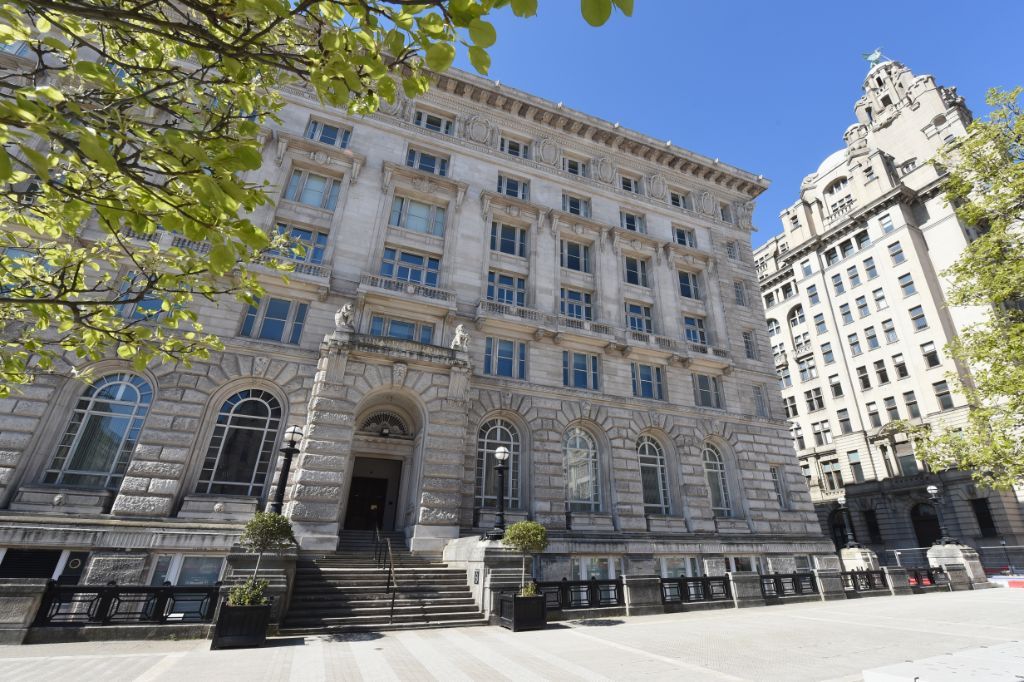
Liverpool ramps up housing changes
The city council’s cabinet has rubber-stamped policy commitments on bringing empty homes back into use and improving rental sector conditions, as well as extending its programme of freehold sales.
Rented sector licensing
At yesterday’s cabinet meeting, councillors were asked to approve a consultation on proposals covering selective licensing in the private rented sector.
Selective licensing requires private landlords in designated areas to hold a licence and meet defined standards, a measure that thus far has helped tackle poor conditions and protect tenants. The current arrangement is city-wide, covering around 80% of privately rented properties, but is due to run out in 2027. Although challenges such as non-compliance remain, the policy has reaped dividends in improving standards, the report said.
Residents, landlords and agents will be asked for their views on a range of options, including whether a future scheme should be city‑wide or targeted at specific neighbourhoods. A final decision will then be taken at cabinet level.
Cllr Hetty Wood, cabinet member for housing, said: “Selective licensing has helped to raise standards and protect tenants in some of our communities. This consultation is an important next step, giving residents and landlords the chance to shape how we continue that work in the future.”
Empty homes policies
With LCC’s cabinet having agreed to a £7.3m empty homes improvement programme in October last year, plans have been fleshed out as the city looks to fill surplus housing, tackle blights on neighbourhoods and reduce its spending on temporary accommodation.
Effectively, this is a carrot and stick approach set out in policy. There are three policies relating to enforcement, and a fourth covering grant funding for property owners who want to work with the council to bring their housing up to standard.
Set out in the cabinet report were how and in what circumstances each policy would come into play, under the headings empty dwellings management policy, enforced sale policy, and compulsory purchase policy.
There are currently 10,378 empty homes across LCC’s wards, and the council has been active in its approach to housing recently. February’s cabinet meeting sought both sign-off for releasing a cluster of small plots with a combined capacity of 350 homes for development, and for the transfer of 52 long-vacant homes to a registered provider.
Under the grant proposals now put forward, owners will be able to access funding to renovate empty homes, with properties expected to be brought back as affordable rented housing where possible.
Cllr Wood said: “Empty homes bring problems for streets and communities, particularly when housing need is so high. These measures will help us take firm action where needed, while also supporting owners who want to do the right thing and bring homes back into use.”
Freehold sales programme
The third scheme to be rubber-stamped will see the continuation of LCC’s freehold sales programme, allowing long‑leaseholders of single residential properties to buy the freehold of their homes at a fixed price.
This programme was initially announced in 2021 as a three-year programme covering houses where LCC was the freeholder, letting homes on 999-year leases. Over that time, the scheme found 1,008 takers.
The deal at that point was that lessees would pay a £1,000 premium, plus legal fees and surveyor fees of £375 each. This has now gone up to a £1,200 premium, with the total cost to buyers going from £1,700 to just over £2,000.
LCC said the scheme is designed to give homeowners more security and make it easier to sell or remortgage their property.
Cllr Nick Small, cabinet member for growth and economy, said: “For many residents, having a long lease rather than owning the freehold outright is an unnecessary complication that can make it harder to sell, remortgage or simply feel secure in their own home.
“This programme gives people a clear, affordable route to full ownership, removes red tape and brings certainty where it’s been missing for too long. It’s proven to be popular because it’s straightforward, transparent and fair.
“At the same time, it ensures the Council gets best value for assets that come with ongoing legal and administrative costs. It’s a practical solution that works for residents and for the city as a whole.”
Its good to see that the council is now giving this more thought, however the empty homes policy is misguided. As I have posted on other sites, I think its wrong to give landlords and property owners grants to bring their properties back in to use, they didn’t care about them or the communities they are in or Liverpool beforehand, so why should they get taxpayers money to do something they should have already done.
Absent landlords must have money to burn to let an expensive asset diminish in value and not earn any rent or sell. Long term unoccupied property (say for 5 years) should be CPO`d, and a change the law so the owner gets £50 for the privilege. The local community should be given the option to take over these abandoned properties (like the £1 streets) so normal local working people can invest in their future and help regenerate and make permanent sustainable communities like we used to have before slum landlords and HMOs.
We need to be more active in breaking the chain of the rich sucking up all the money from providing slum housing and bad conversions for exorbitant rents. These neglected properties (usually beautiful Victorian homes, shops and pubs) become a blight on the community, rather than being lived in/cherished homes.
Absent landlords have for far to many years been allowed to destroy the cities heritage, character and communities, as well as deny people a home and that needs to stop.
By GetItBuilt!