


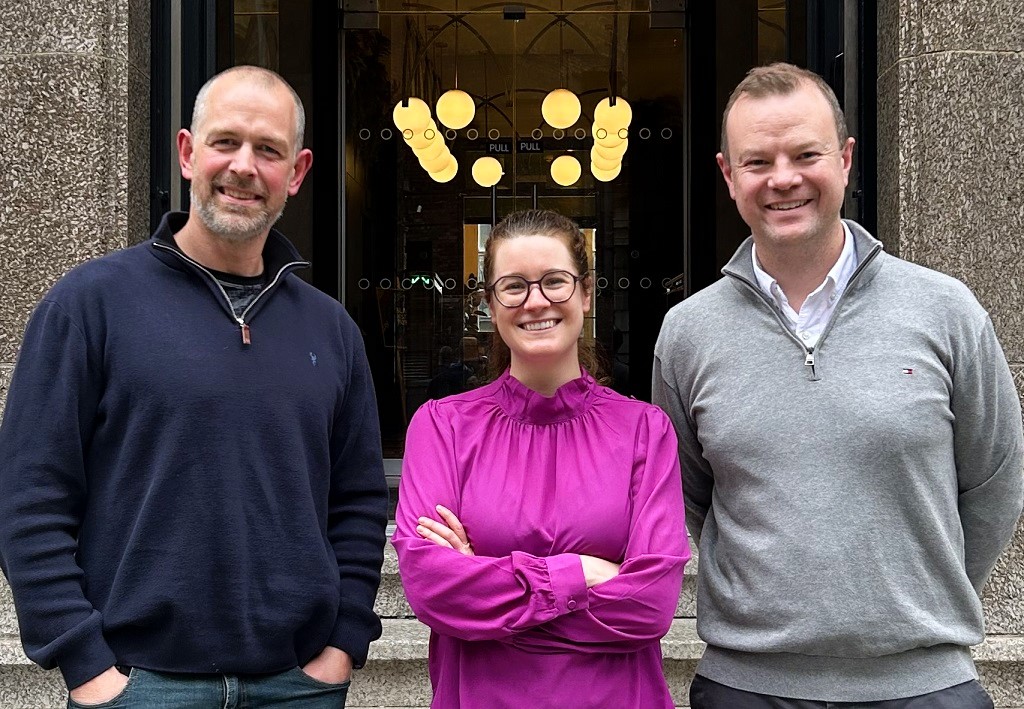
Roy Barry, Julia Hatmaker, Adam White, Brabners, PNW, CBRE, c PNW

The latest podcast episode features Brabners' Roy Barry, CBRE's Adam White, and Place North West's Julia Hatmaker discussing the ins and outs of public-private partnerships. Credit: PNW

PODCAST | Why public-private partnerships need a refresh

The popular model, viewed as the de facto solution for unlocking largescale regeneration efforts, is “creaking,” according to Brabners’ Roy Barry. He teamed up with CBRE’s Adam White to brainstorm ways to make public-private partnerships work in difficult economic times in the latest Place North podcast episode.

Listen to the podcast

Barry and White have years of experience bringing the public and private sectors together for transformative projects – most recently the two aided in the creating the partnership between Oldham Council and Muse for the local authority’s £550m town centre redevelopment.

Barry is a partner and head of development Brabners, where he provides the legal and commercial expertise to make places work.

White is an executive director of UK development advisory for the North at CBRE. He advises the public sector on everything from the procurement of delivery partners to crafting development strategies.

When it comes to public-private partnerships, Barry and White are on the frontlines. Their conversation with Place North West editor Julia Hatmaker gives the model a health check, provides innovative solutions to current pain points, and establishes why public-private partnerships are not going away any time soon.

You can hear their thoughts in the podcast episode linked to above. The Place North podcast is available wherever you listen to podcasts, including Apple Podcasts, Spotify, and YouTube.

This episode of the Place North podcast was sponsored by Brabners. To learn more about Brabners and how it makes places work, visit Brabners.com.

Brabners Cut Logo D

Your Comments

Read our comments policy

PPPs, PFIs, etc are a great concept, but most result in being huge leadweights to the authority paying for them, long after the benefit has evaporated. So, when the repair, maintenance, replacement, etc, needs to be done, it can’t because the authority’s expenditure is already stretched and adding to it with another “finance” deal leads to the authority being ever closer to a Section 114, i.e., bankruptcy.

By Anon

Please can you send a link to the brabners blog series mentioned at the end of the podcast? I can’t find it on their website. Many thanks

By Anon

    Sure thing, Anon! You can find it at the bottom of their Regeneration page: https://www.brabners.com/sectors/regeneration It’s under the “Regeneration Insights” section. Happy reading!

    By Julia Hatmaker

Related Articles

Sign up to receive the Place Daily Briefing

Join more than 13,000+ property professionals and receive your free daily round-up of built environment news direct to your inbox

Subscribe

Join more than 13,000+ property professionals and sign up to receive your free daily round-up of built environment news direct to your inbox.

By subscribing, you are agreeing to our Terms & Conditions and Privacy Policy.

"*" indicates required fields

Your Job Field*
Other Regional Publications - Select below
Your Location*