


Event Summary
City Living Summit 2026 | Summary + gallery
Investors still see the Northern residential market as a viable landing spot for capital but regulatory red tape and viability challenges are constricting the flow of funds into the sector, attendees at Place North’s most recent half-day conference heard.
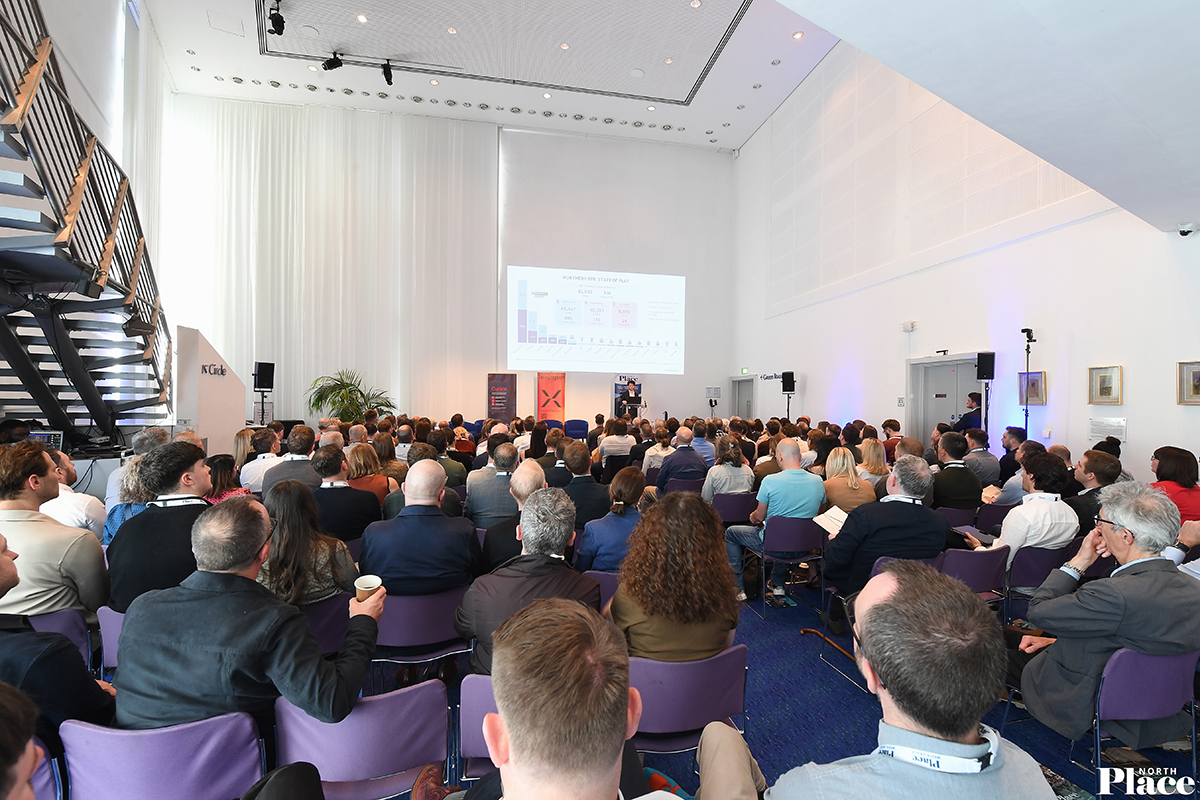
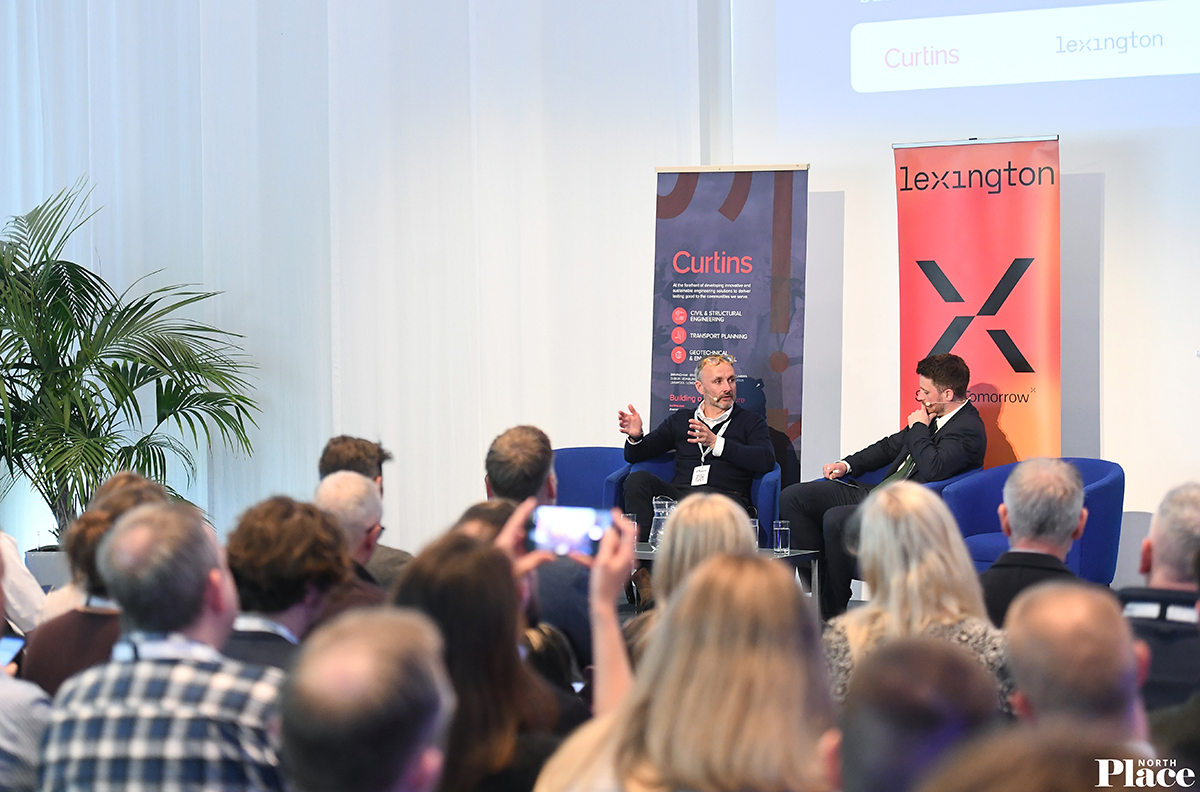
Developers, investors, design experts, and local authority directors ran the rule over the North’s resi market at the City Living Summit, held at Manchester’s Bridgewater Hall and sponsored by Curtins, Lexington, and CPW.

Expert speakers
- Ed Howe, head of operational living research, Bidwells
- Alan Bevan, managing director, City Residential
- Sarah Snape, managing director, Rise Homes
- Adam Burney, head of multifamily BTR & PBSA, Legal & General Group
- Ellie Philcox, director, Euan Kellie Property Solutions
- Nathan Cornish, group board director, Urban Splash
- David Smith-Milne, chief executive and founder, Place Capital Group
- Tom Gilman, regional managing director, McLaren Property
- Becca Heron, strategic director of growth & development, Manchester City Council
- Katie Tonkinson, partner, Hawkins/Brown
- Kevin Logan, director, Maccreanor Lavington
- David Rudlin, principal, Rudlin & Co
Scroll to the bottom of the page for a gallery of images
State of the market
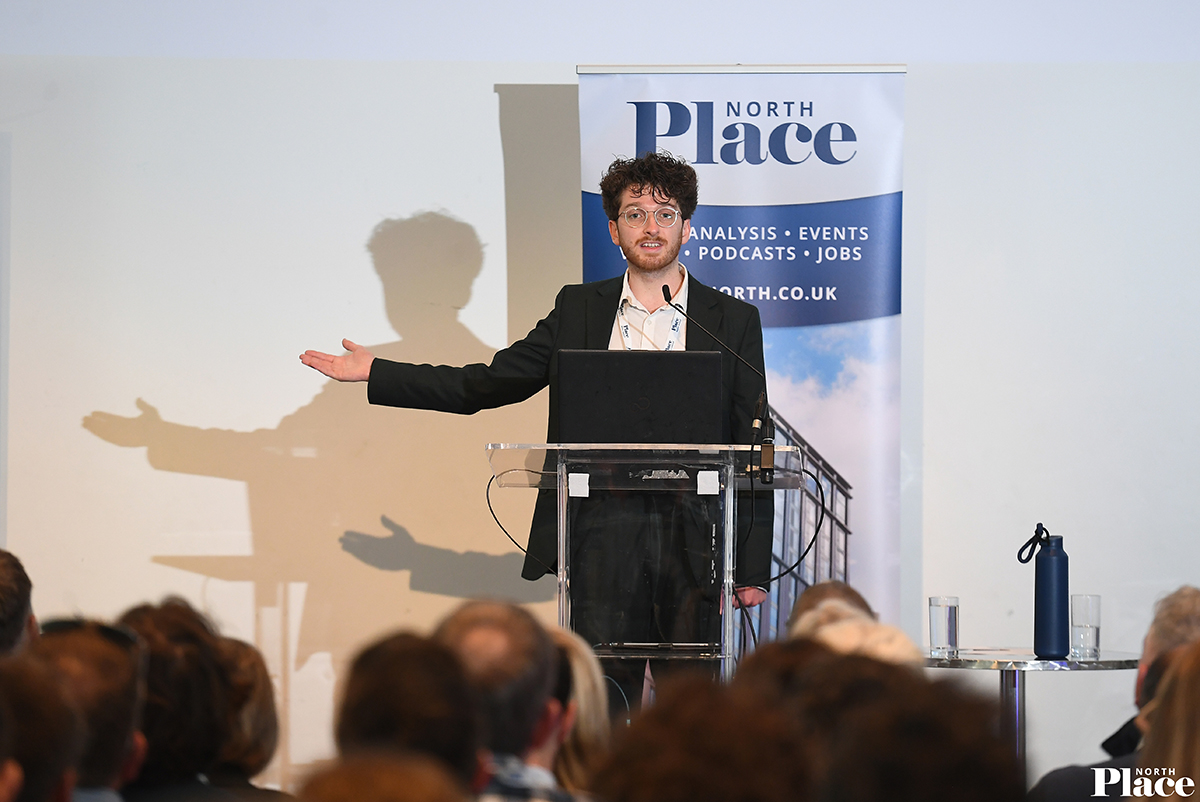
Ed Howe, head of operational living research at Bidwells set the scene with a presentation outlining how the build-to-rent and co-living sub-sectors are faring amid global uncertainty and increasing regulation.
The flow of capital into the BTR market has shifted in recent years, he said. Whereas the vast majority of investment in the sector was historically in high-rise apartment buildings in city centres, issues around build costs and the Building Safety Act have seen investors’ conviction in single-family schemes – typically housing on the urban fringes – increase.
While investors are hedging their bets, demand for BTR homes in the North’s major cities remains largely unmet due to high levels of graduate retention and job creation, Howe said.
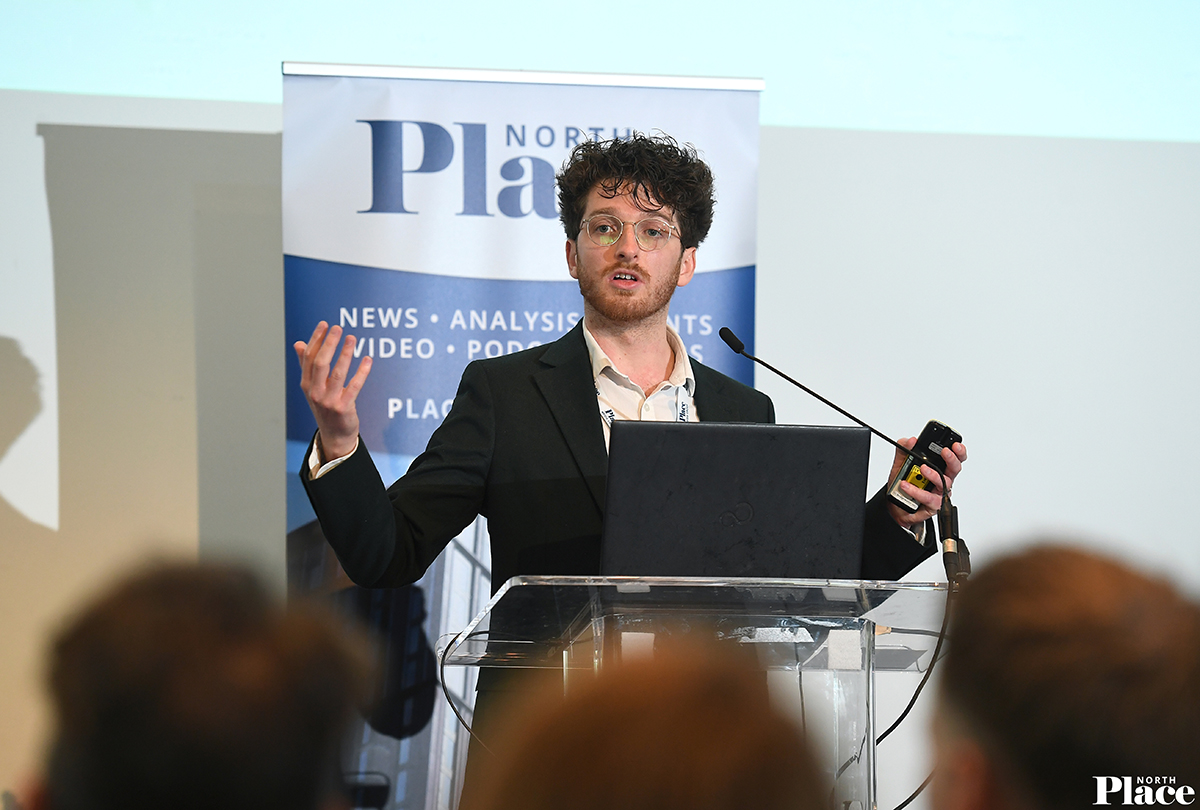
Ed Howe said demand for BTR in the North remains string. Credit: PNW
What’s hot and what’s not?
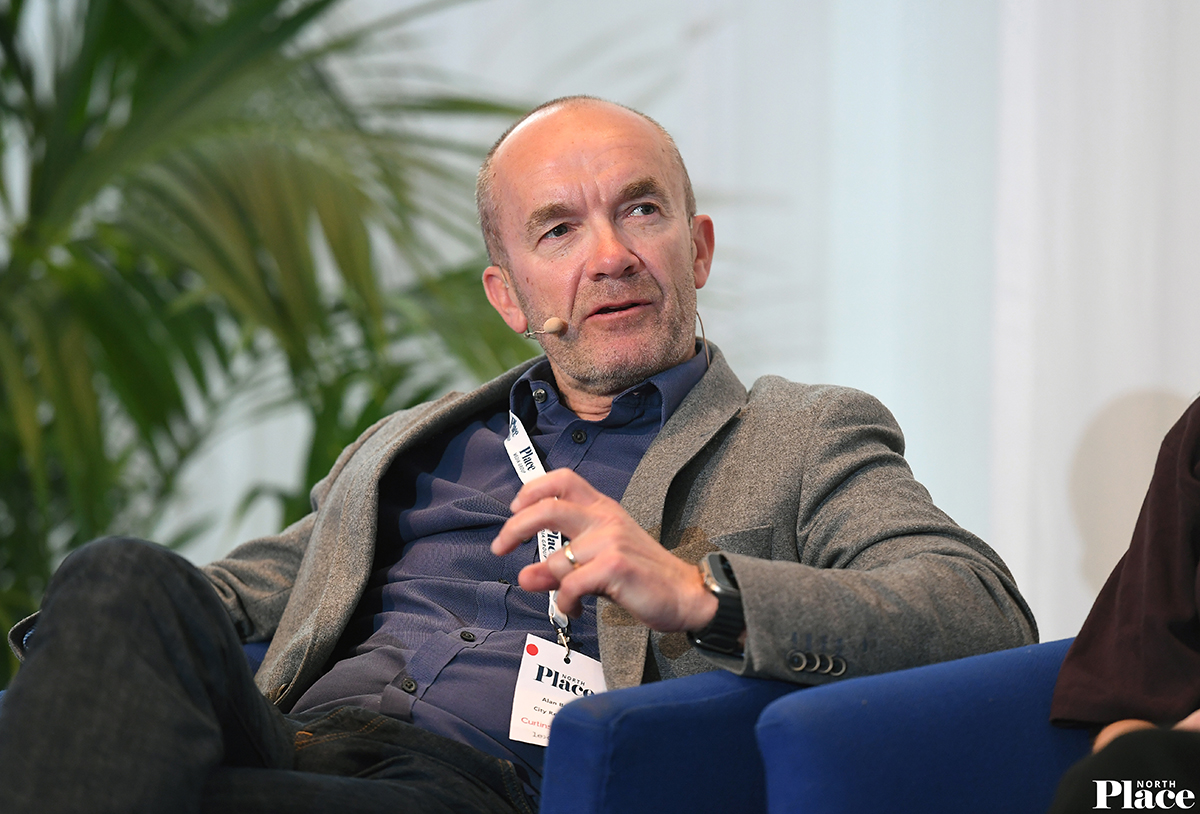
- Liverpool’s residential market is a tough place to be right now, according to City Residential’s Alan Bevan. A lack of homes for owner occupiers, existing homes being unmortgageable due to building safety issues, and general viability constraints limiting new development are among the factors frustrating the market.
- Bevan is hopeful that Kings – a £1.2bn skyscraper district on the city’s waterfront that is backed by the billionaire founder of Home Bargains – could act as a catalyst but would like to see more of a focus on the delivery of mid-market, amenity-lite homes in the city in the short-term.
- Due to the current economic outlook, Rise Homes is focusing on its existing schemes rather than developing new ones, according to managing director Sarah Snape. The firm has moved to gain more control over its developments by bringing property management in-house – a timely intervention given the recently-passed Renters Rights Act, which aims to rebalance the landlord/tenant relationship.
- The increased operational expenditure for high rise developments means that, when Rise begins developing again, it will likely focus on mid-rise schemes, Snape added.
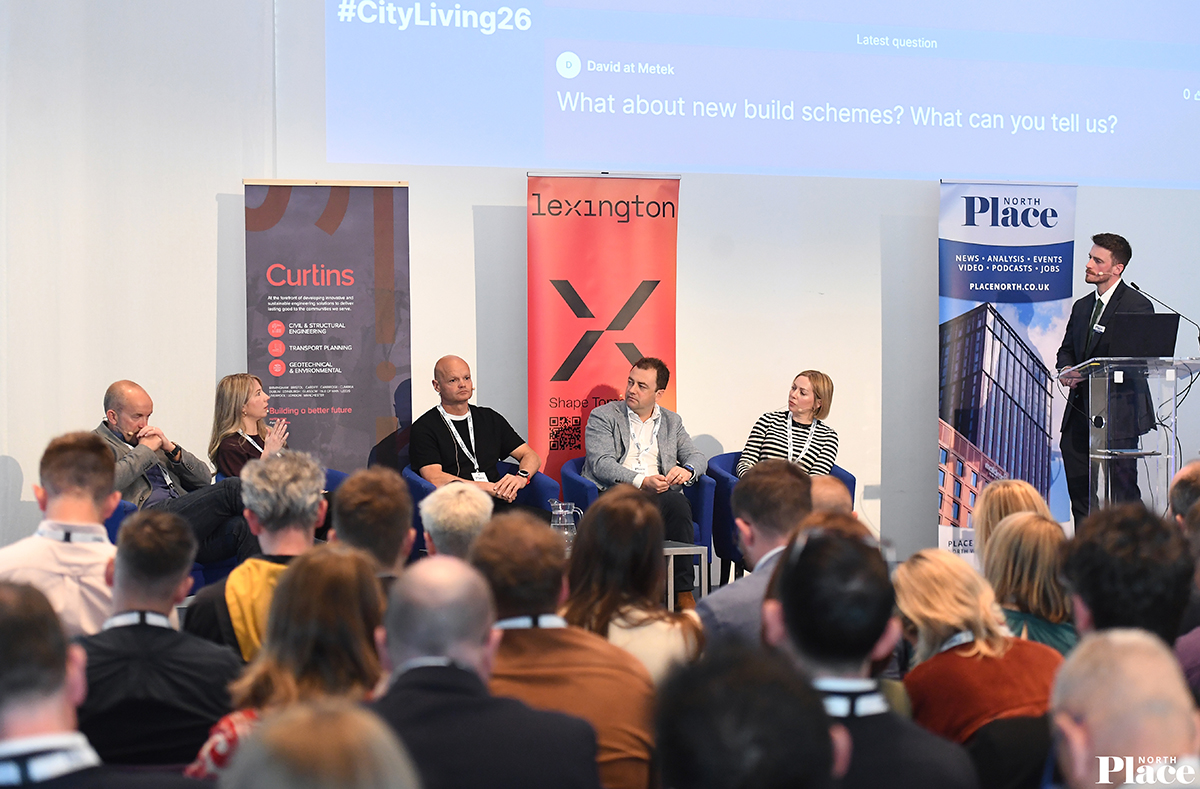
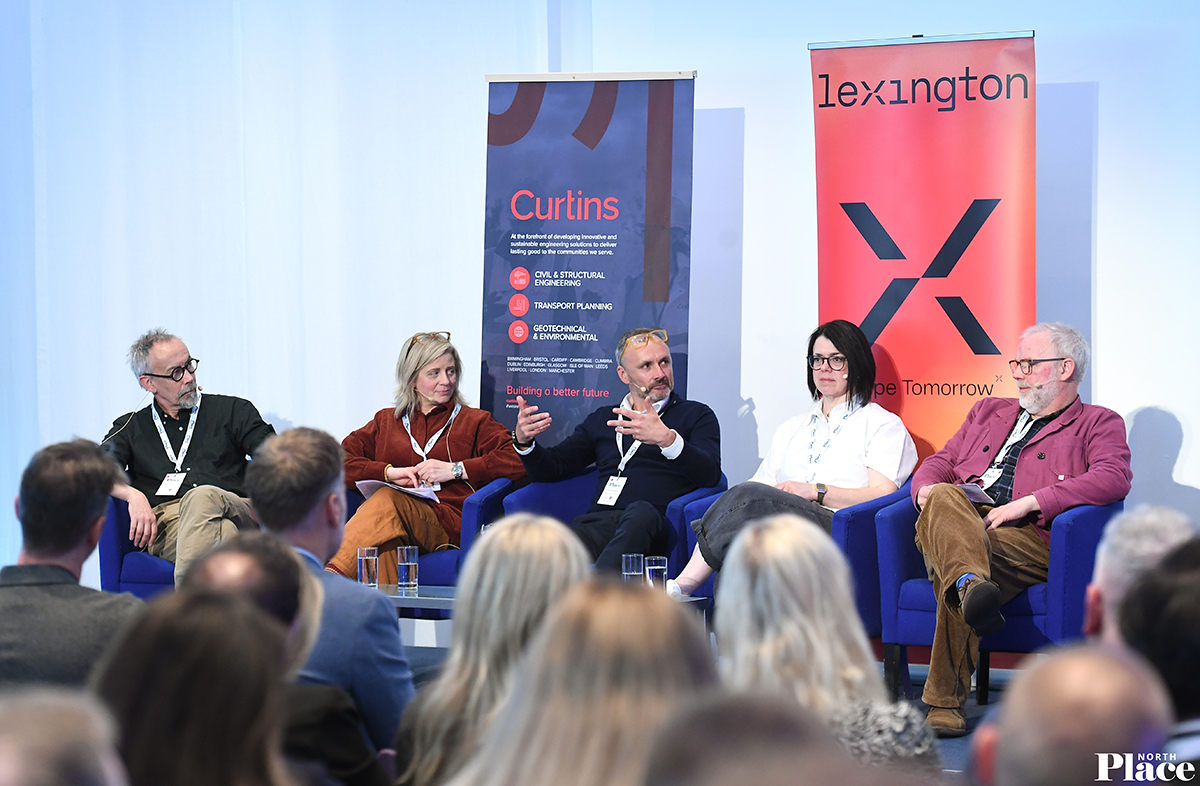
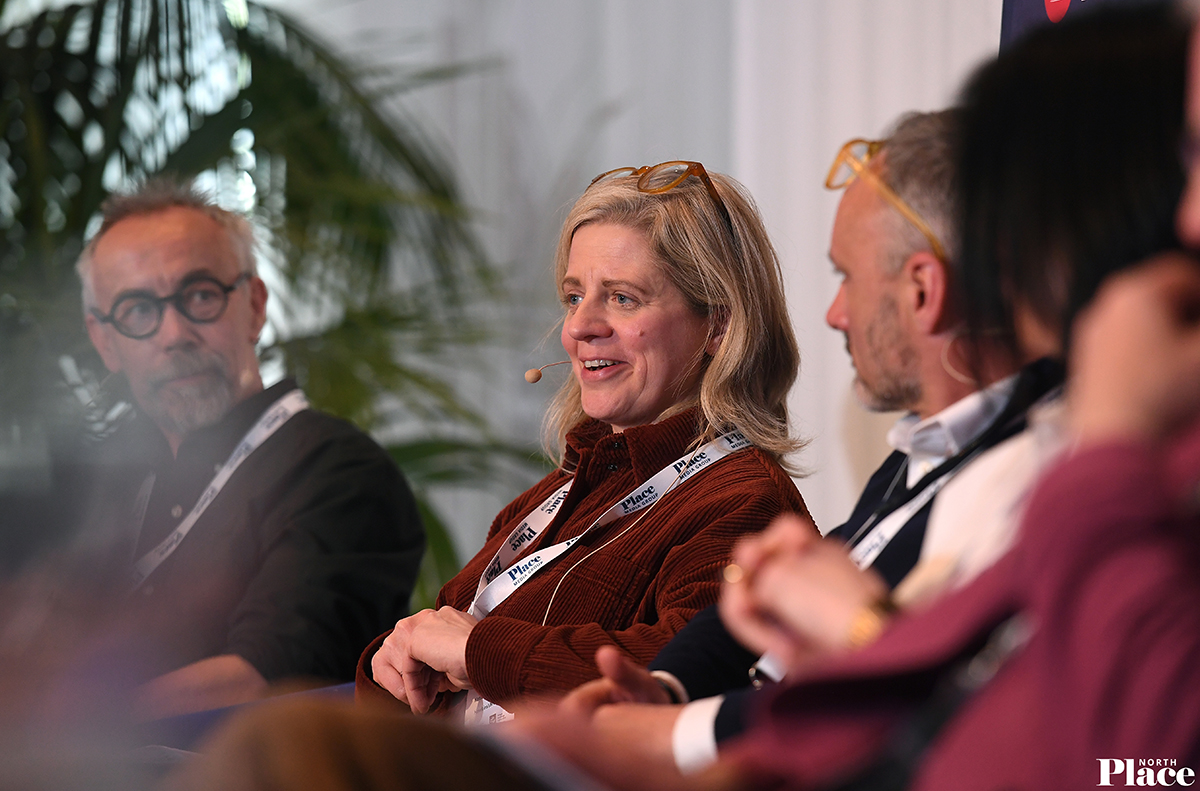
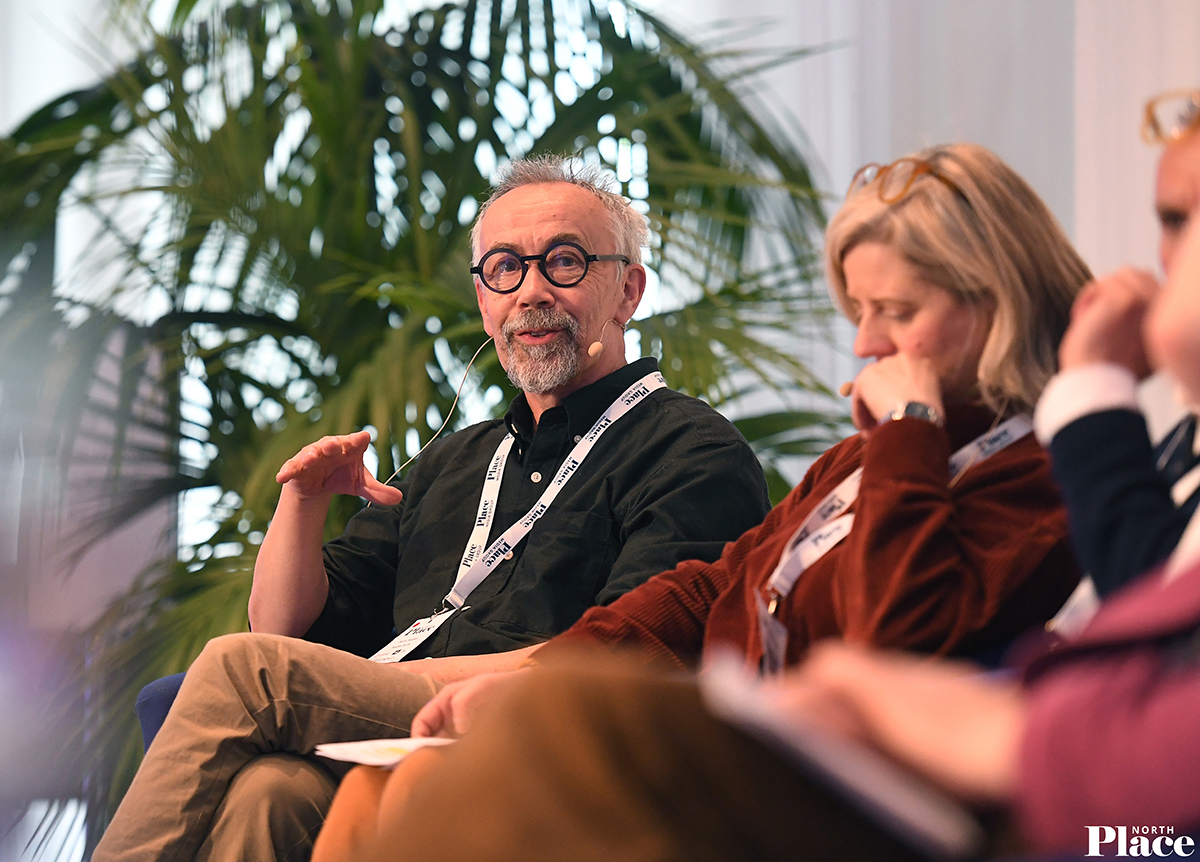
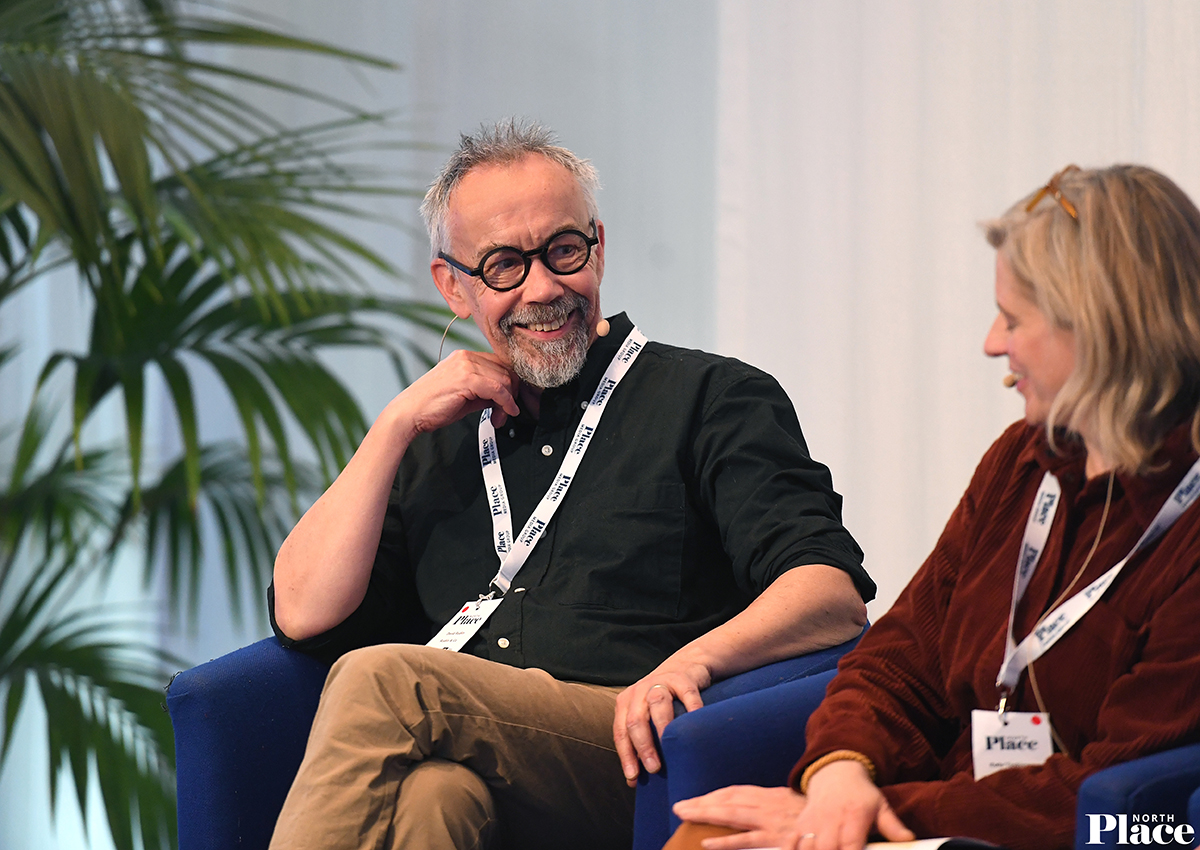
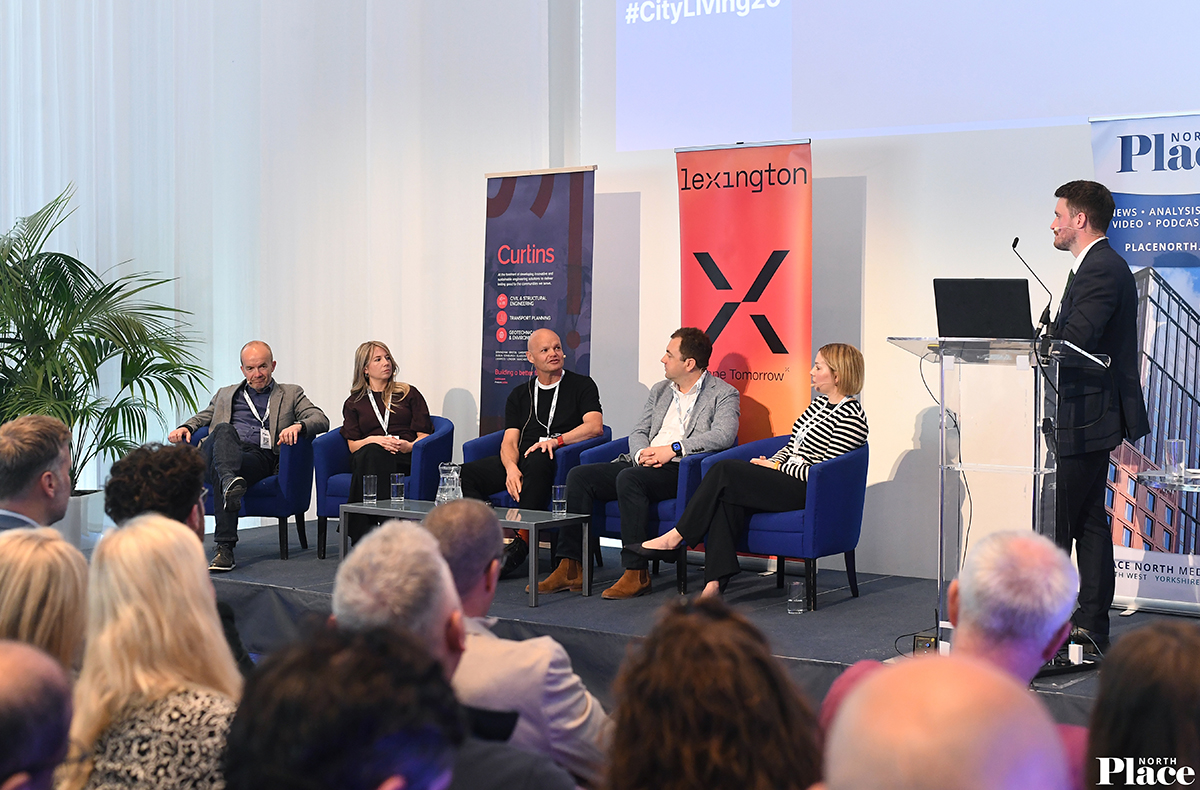
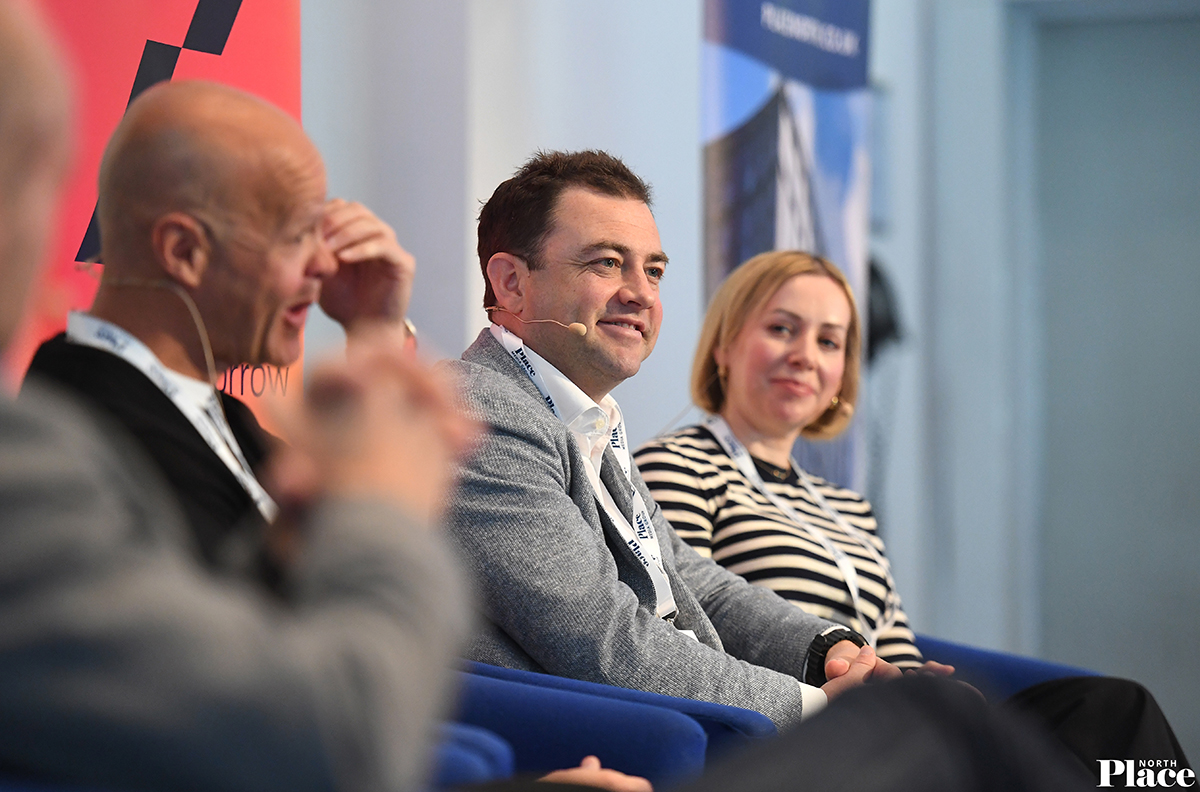
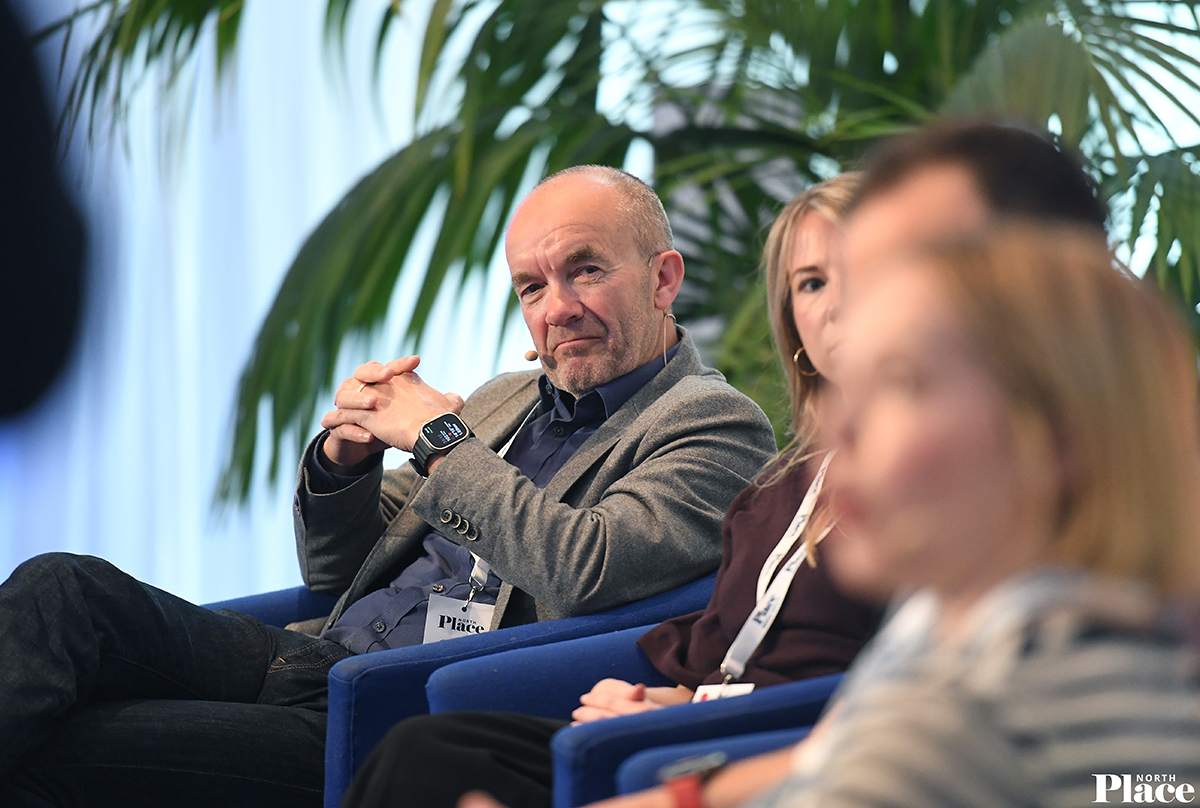
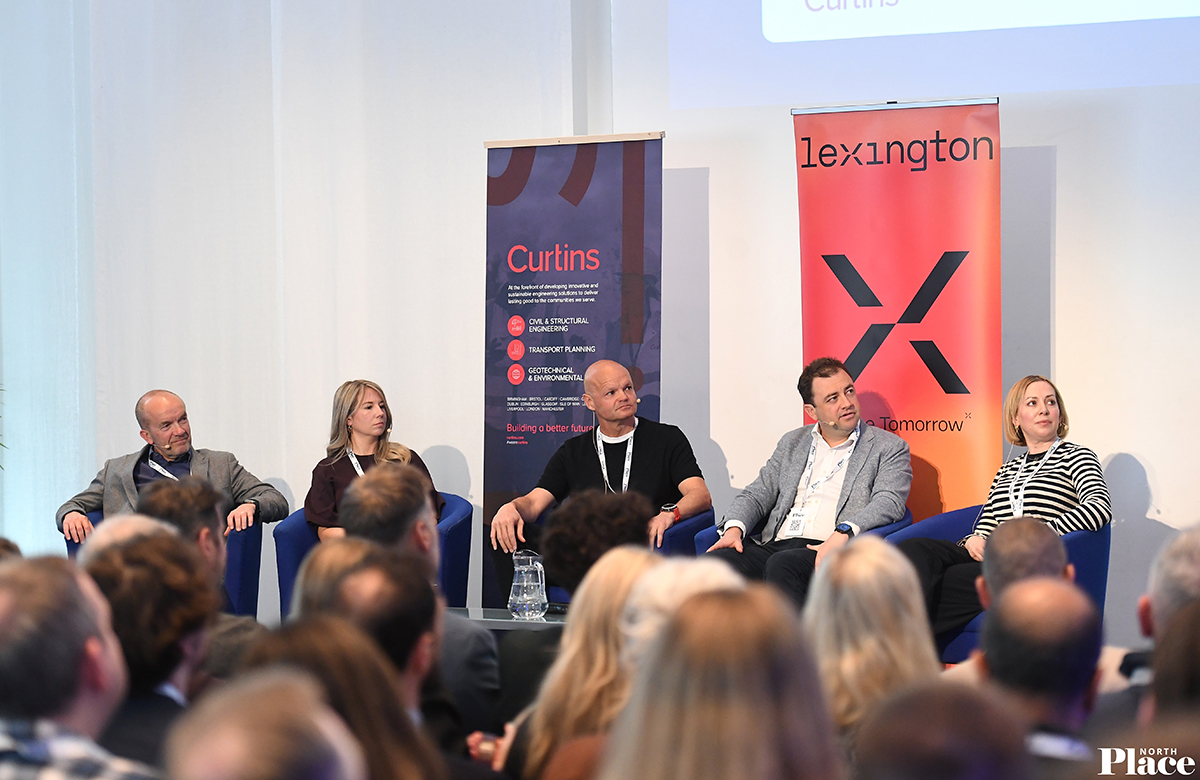
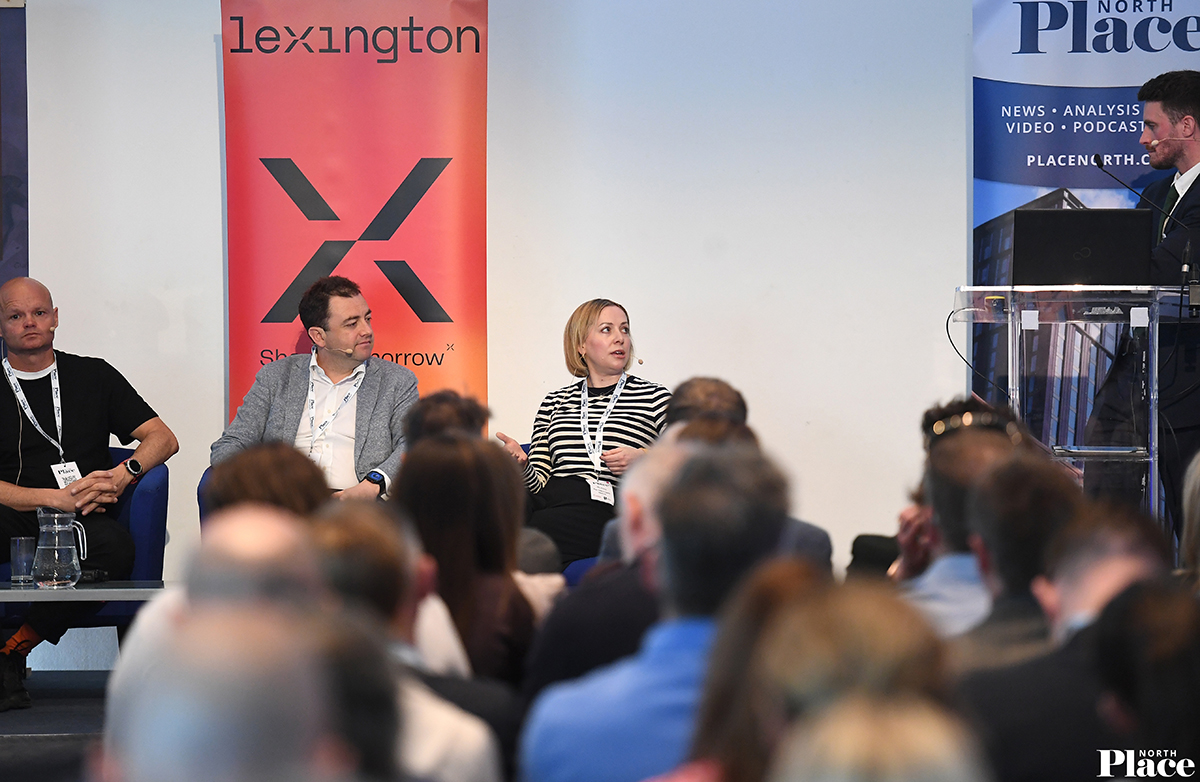
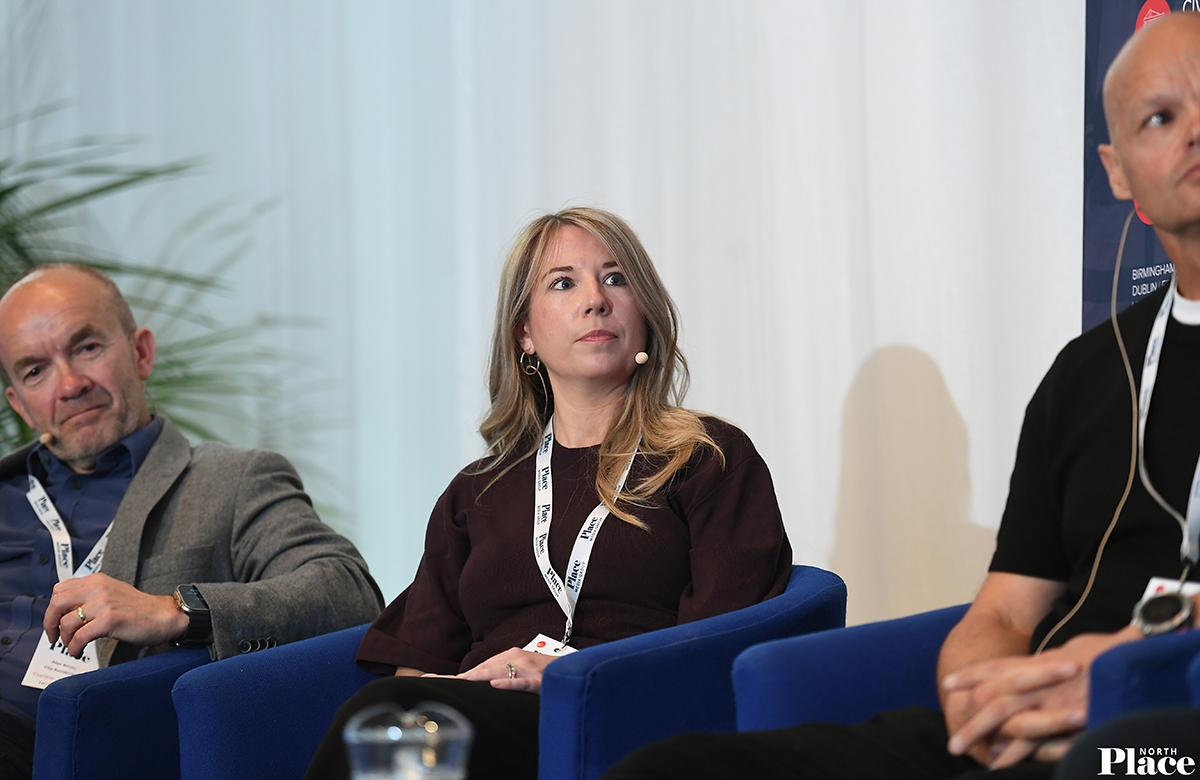
The first panel of the day remarked on the challenges and opportunities facing the market. Credit: PNW
- L&G is amassing a £5bn portfolio of living assets and is one of several institutional investors who view the sector as accretive in the long-term, particularly in the North.
- The firm’s head of BTR and PBSA, Adam Burney, said: “We’re now the biggest landlord in Leeds. We’ve looked at many a scheme in Newcastle over the years, and the fundamentals of Manchester are so strong. We’d love to do more schemes up North.”
- Things appear to be looking up from a planning perspective, at least in Greater Manchester. While changes to national policy aimed at speeding up the delivery of new homes have caused friction politically in some locations, GM seems “immune” to much of the pushback, according to Euan Kellie Property Solutions’ Ellie Philcox. “We’re really lucky, I think, to work in Manchester, where there’s a clear road map often to getting a planning consent,” she said.
- While viability is undoubtedly a big barrier to delivery, Urban Splash’s Nathan Cornish is buoyed by the fact that the government and combined authorities seem to recognize this too and are making products available to help developers get on site, such as Greater Manchester’s Good Growth Fund.
- Responding to Bevan’s point around a need for more amenity-lite developments, Cornish said facilities for residents should not be used as a substitute for good design for the sake of attracting tenants. “[Some schemes] are almost like all inclusive holiday resorts and have no filter effect to their local environment,” he said.
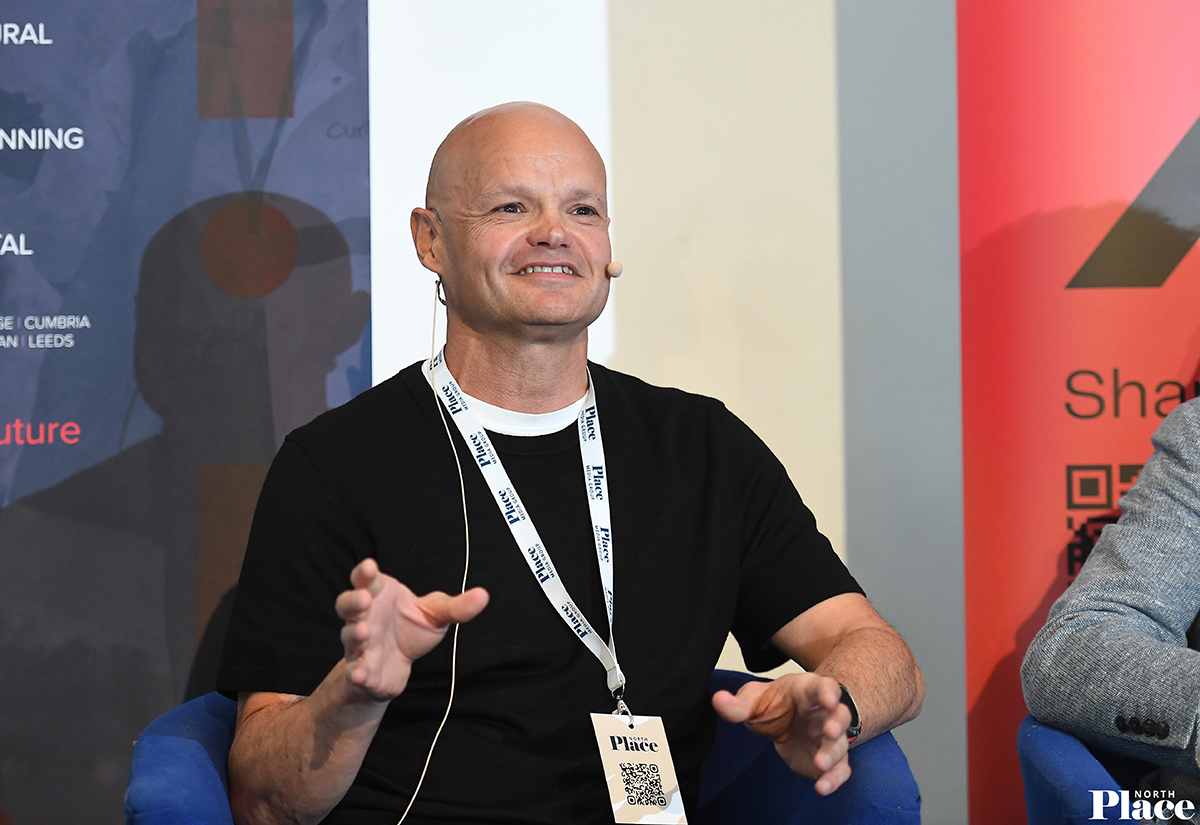
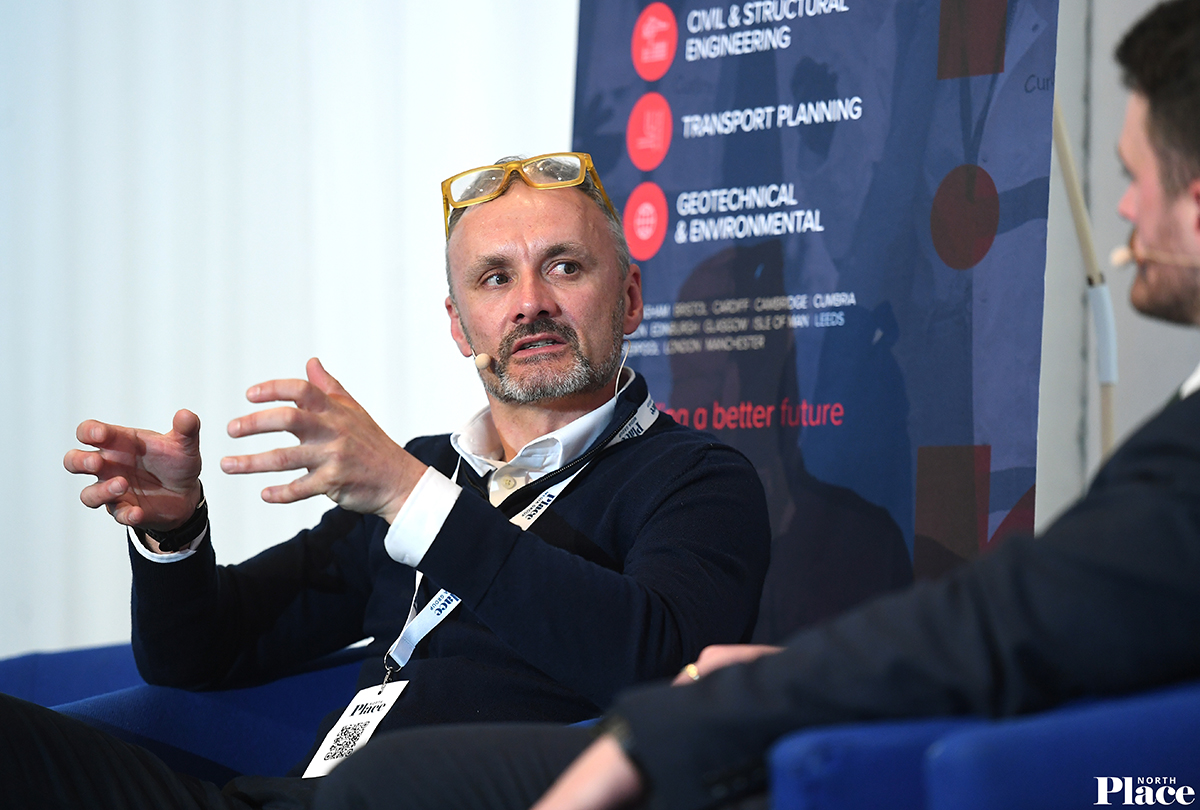
Urban Splash’s Nathan Cornish said the market is tough but there are reasons for optimism. Credit: PNW
A new model for residential development
Place Capital Group is the development company working alongside institutional investor Aviva and the government’s recently launched £16bn National Housing Bank to deliver thousands of homes for low- to middle-income earners currently priced out of the housing market.
“There is an ongoing and persistent structural problem in our housing market,” said David Smith-Milne, founder and chief executive of Place Capital Group, who spoke to Place North West deputy editor Dan Whelan about the aims of the fund.
A lack of supply, population growth, and the “oligopoly of the national house builders” are among the contributing factors to Britain’s housing crisis, Smith-Milne said.
The new fund, which has an initial £100m to invest and is the first to be backed by the National Housing Bank, seeks to deliver affordable, good quality homes across the country using both private and public capital.
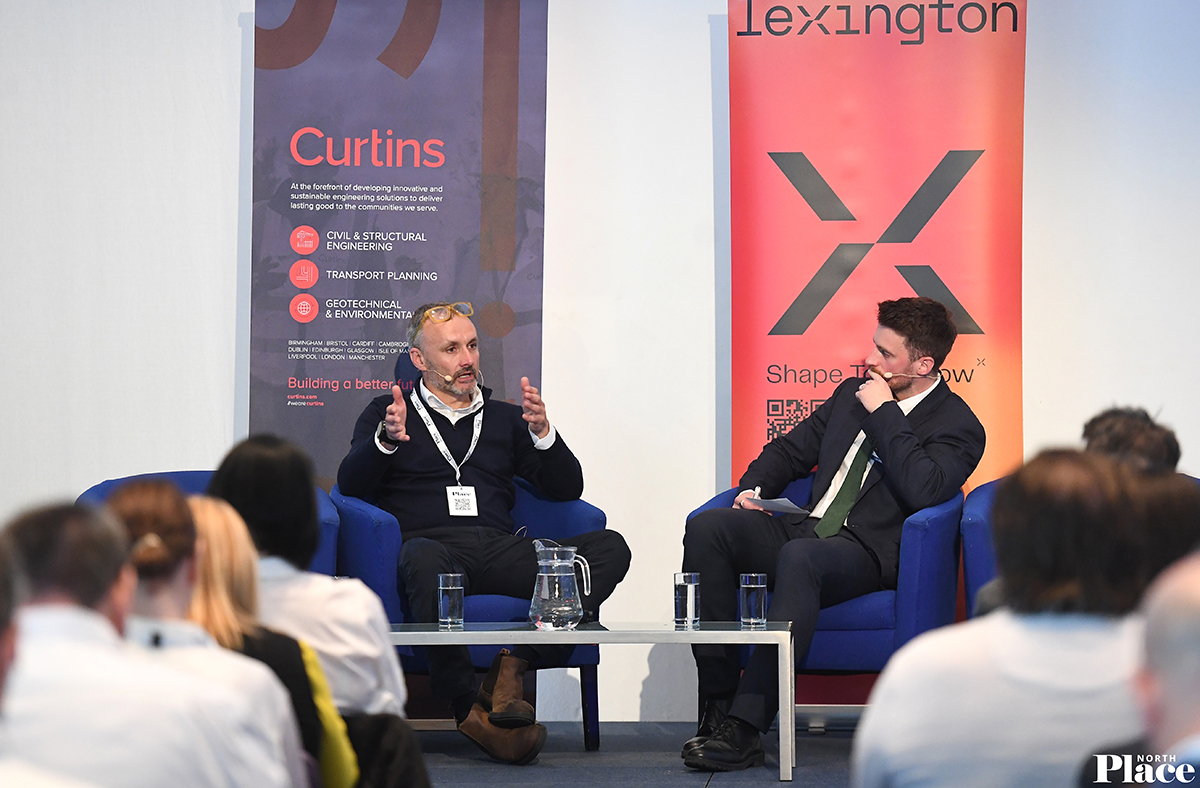
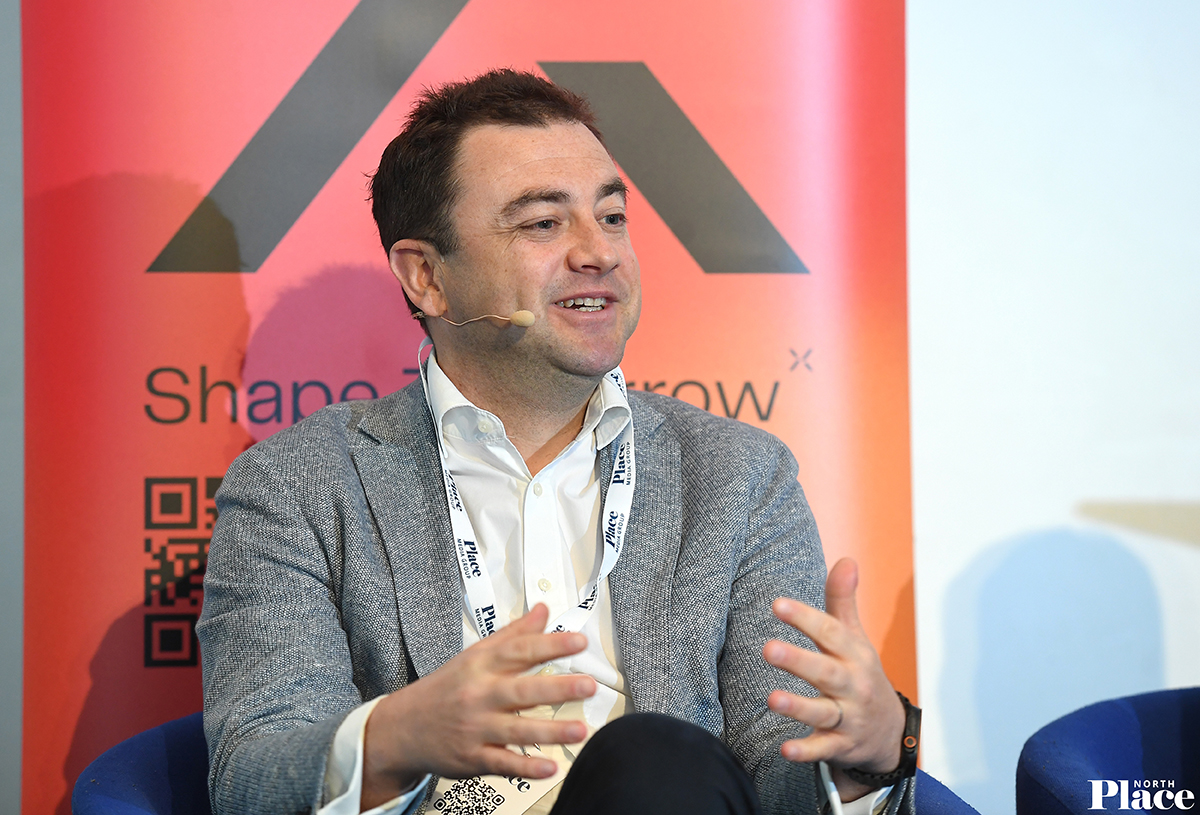
David Smith-Milne outlined how Place Capital Group’s new partnership with Aviva and the National Housing Bank will plug a gap in the housing market. Credit: PNW
A scheme that has it all – McLaren’s £2bn York Central
Having prevailed from a scrum of 96 bidders to be awarded the 110-acre regeneration project, McLaren and partner Arlington are pressing ahead with the creation of a new district in York, a stone’s through from the city’s famous historic heart.
McLaren’s Tom Gilman outlined what is in store at York Central, including a lido within an eight-acre park that is to be heated using a pioneering heat loop, whose primary purpose is to keep residents’ bills low.
Some 3,000 homes are also included, as well as 1.4m sq ft of commercial space, aimed at providing much-needed workspace into an undersupplied market.
“It’s a huge responsibility when you’re thinking about the scale of something like this,” Gilman said. “You need to do it in a sustainable way, and that will bring prosperity, but you have to do it in partnership.”
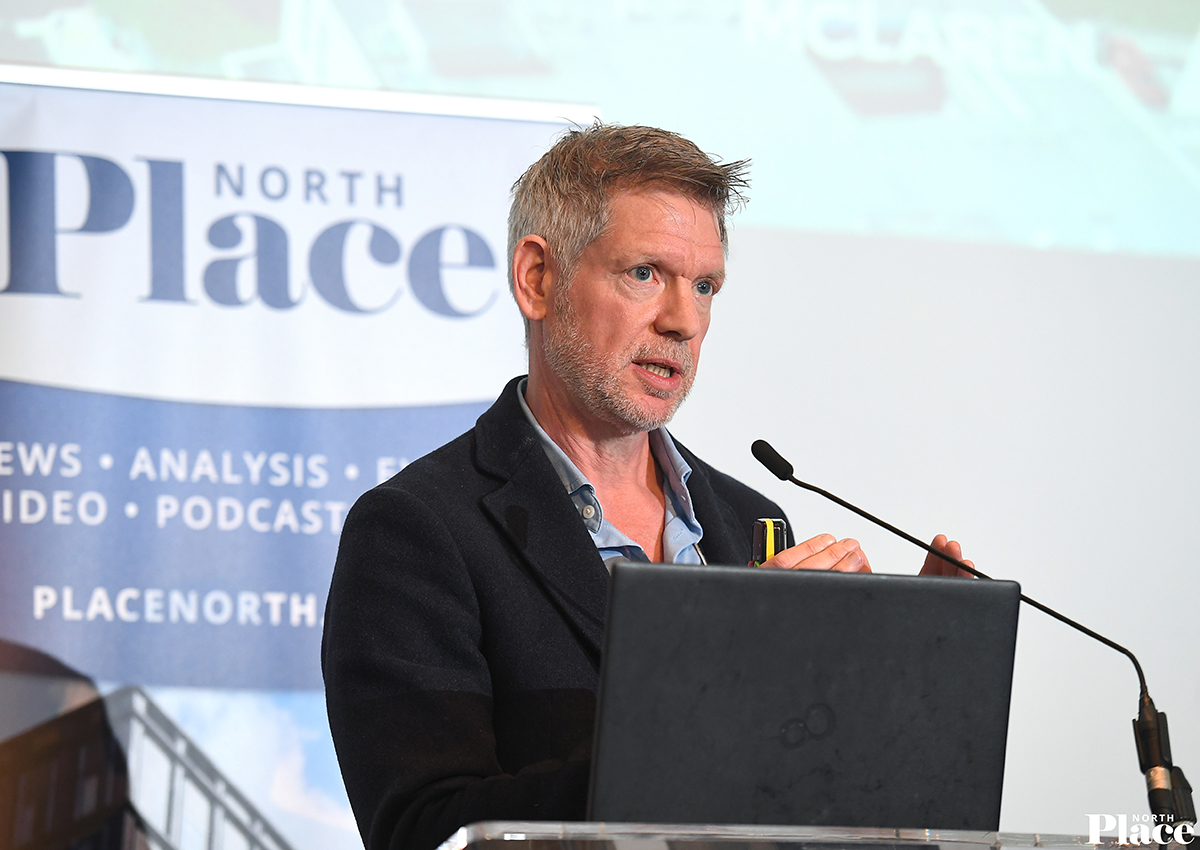
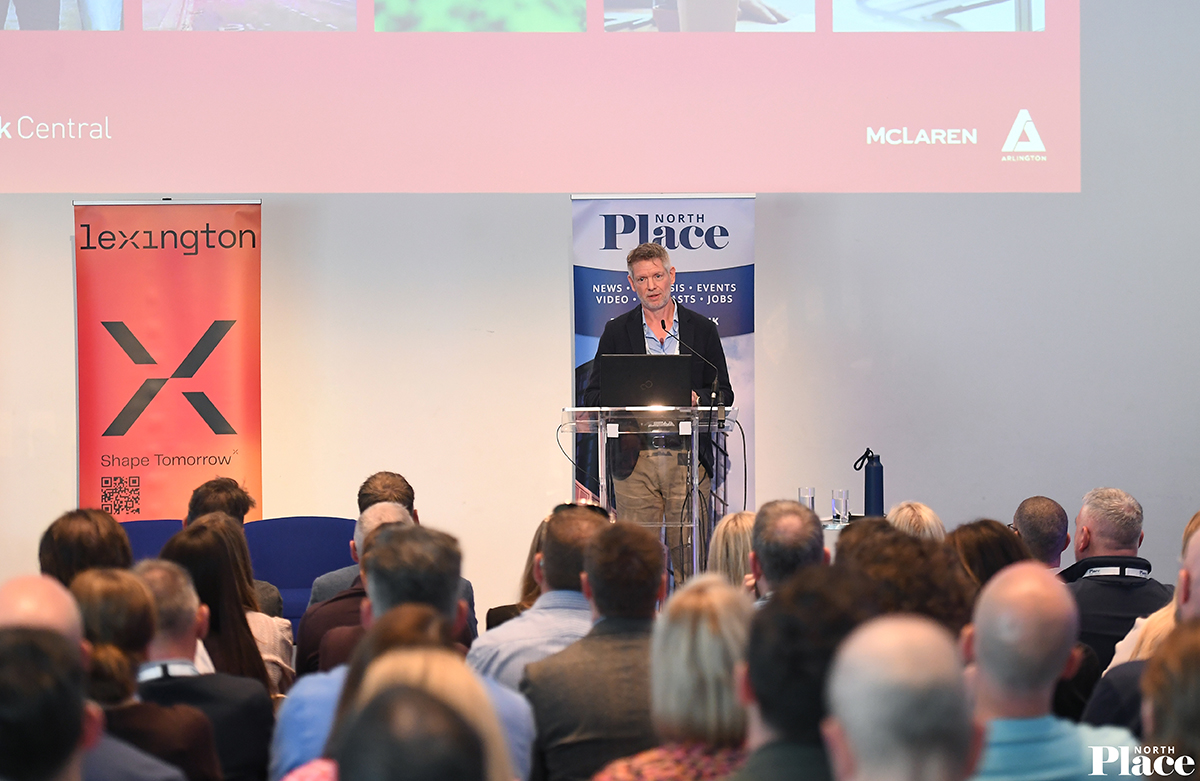
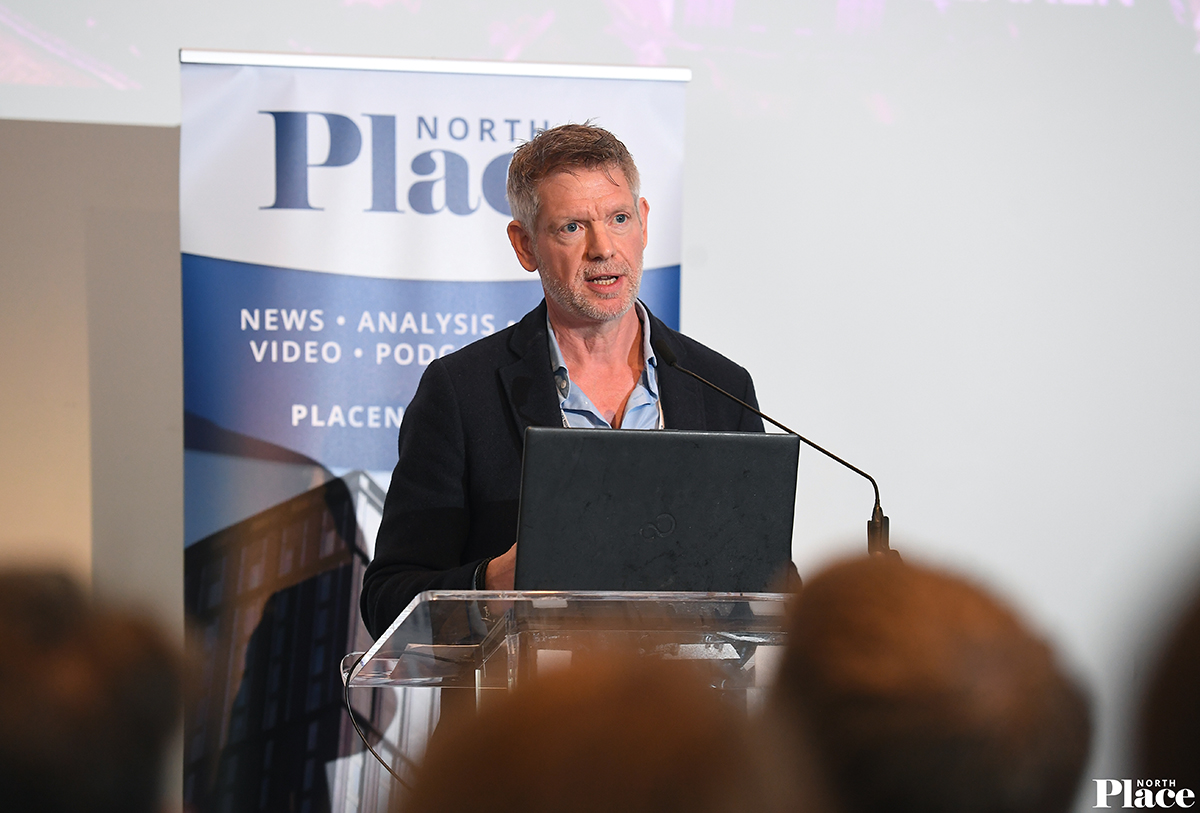
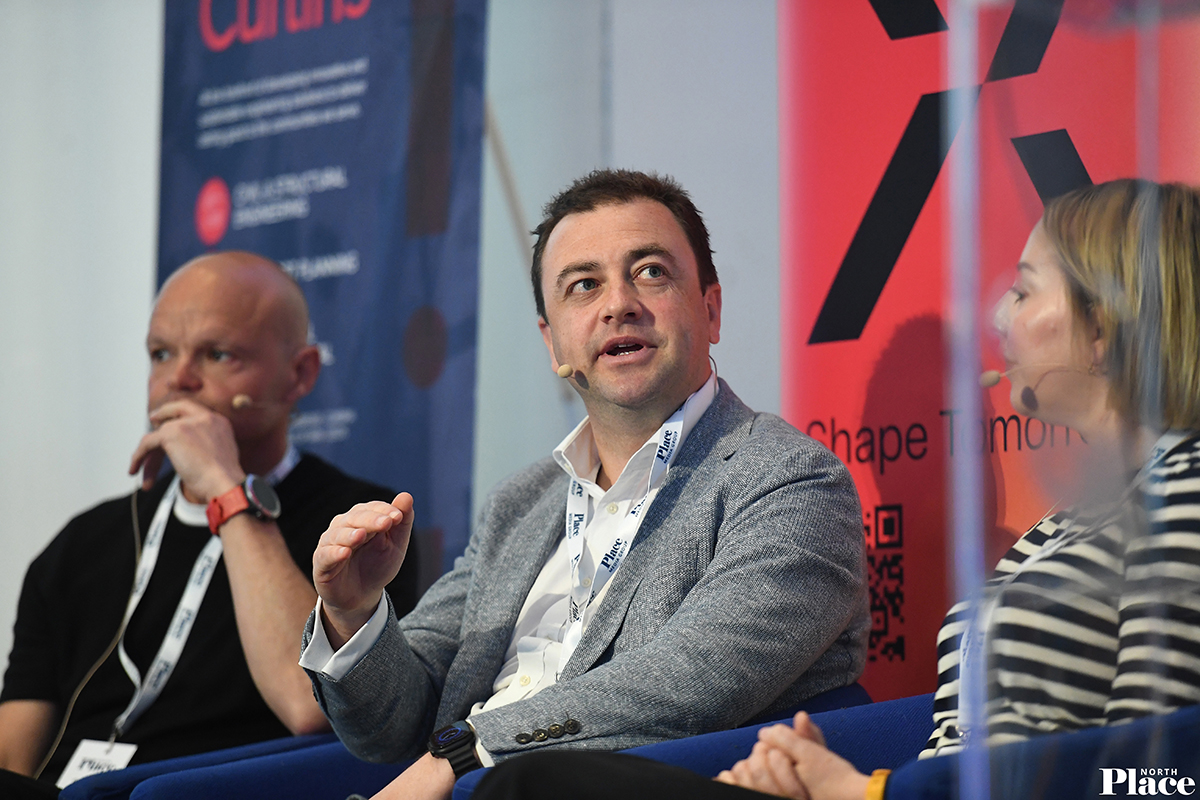
Tom Gilman is leading on the development of a £2bn new mixed-use quarter in York. Credit: PNW
Expanding our cities
The final panel of the day was quizzed on their philosophies about how to best go about creating a new part of a city.
David Rudlin: “I have been in discussions with governments about business cases, and the design placemaking side is on the debit side. I don’t agree with that at all. I think good design creates viability.”
Katie Tonkinson: “I’d probably invest quite heavily in long life adaptable buildings, given the challenges we face in our built environment around carbon. I’d also embed libraries more in our new places as places that give that social outreach to hard-to-reach segments of our community and perform roles that no other places really do.”
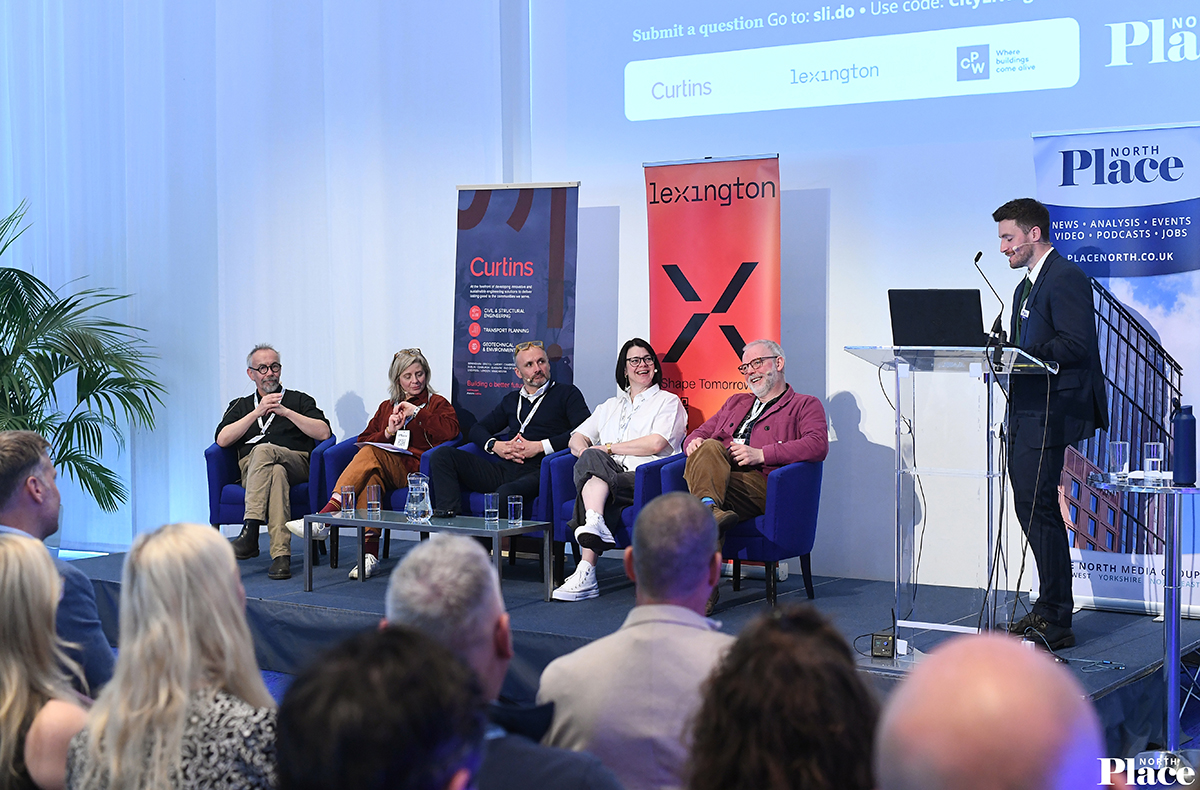
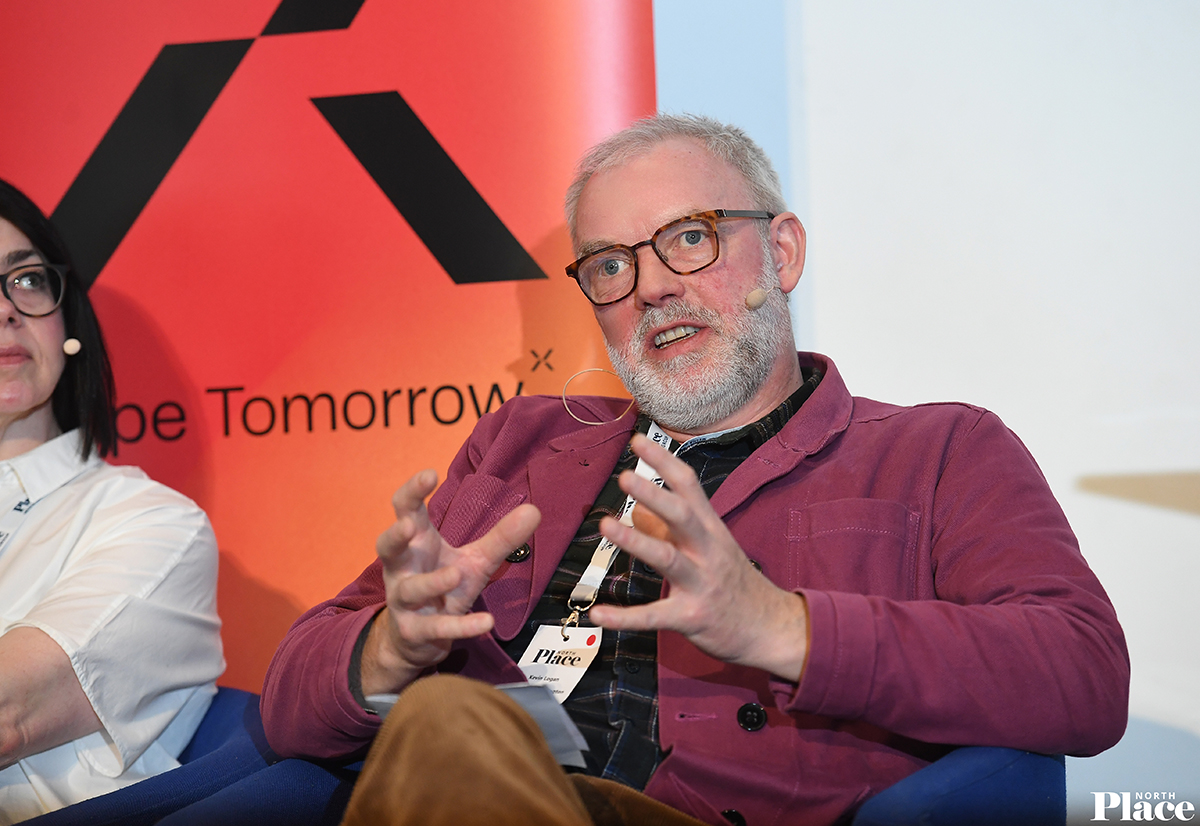
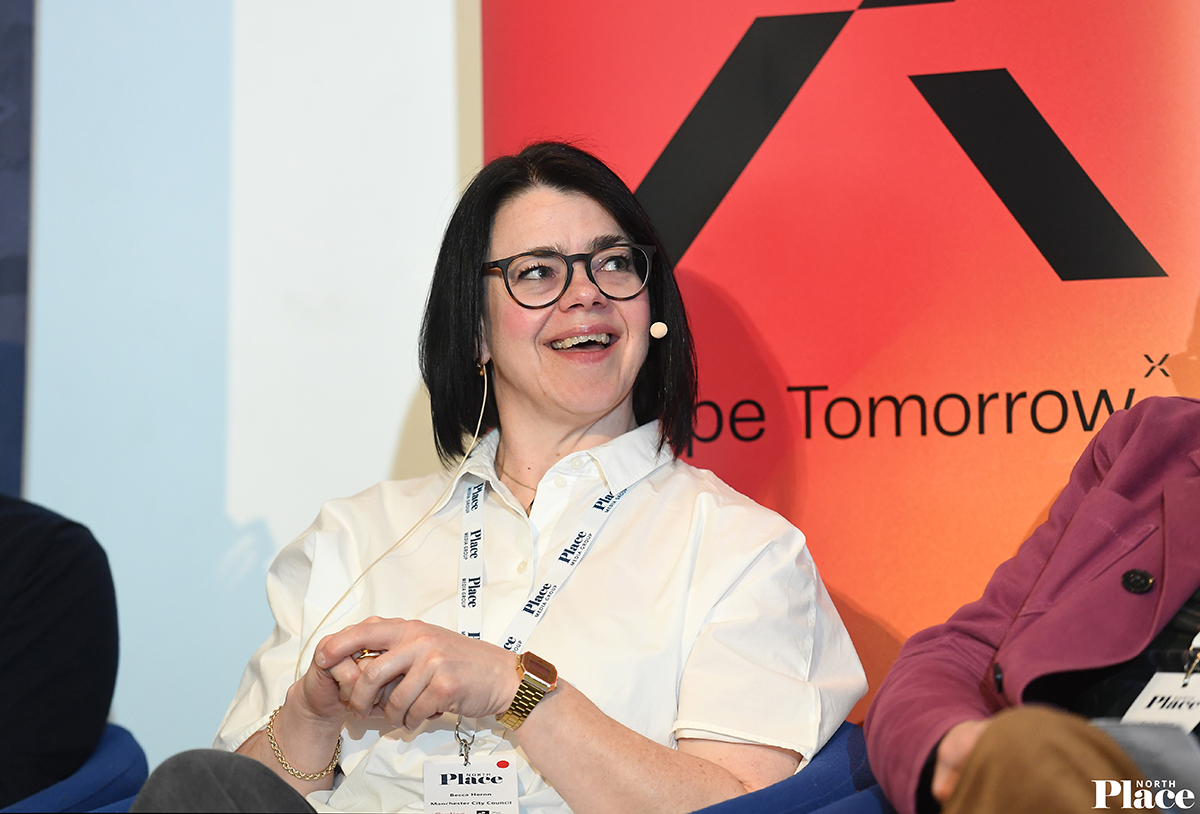
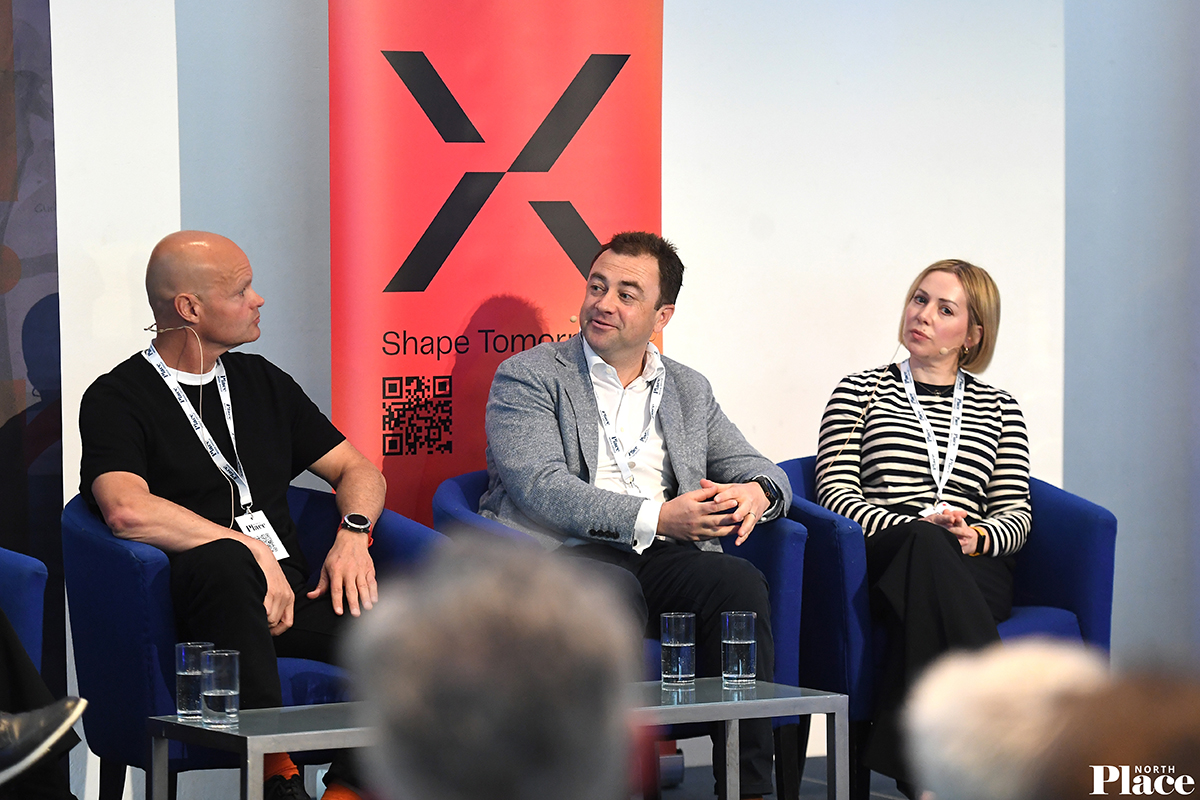
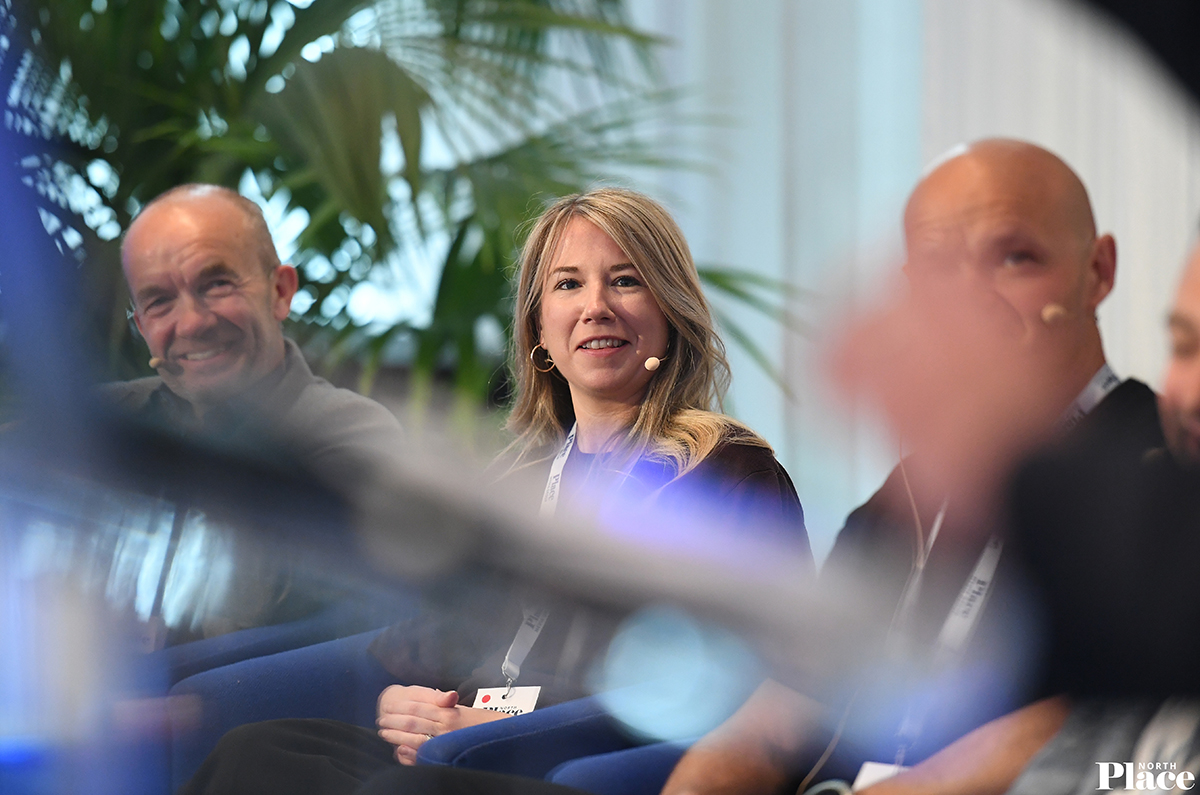
Panelists were asked what they would include in an urban extension if money was no object. Credit: PNW
Becca Heron: “I think if money was no object we could certainly accelerate delivery, and then I think it would allow us to go further. So more affordable housing and higher standards in terms of net zero. I’d [also] really like to understand how technology could help us to manage those neighborhoods and deliver public services into the future.”
Kevin Logan: “I want to see opportunity baked into process. I want to see us shifting from money to value and looking at how we generate value and how we measure that value through different currencies. The NHS spends £2bn per annum on bad housing, so the notion that we need to make housing cheaper and less performative now is just baking in further viability challenges in the future.”
David Smith-Milne: “I think an art gallery would be a wonderful addition to a new housing project because art brings people together. It breaks down barriers, it encourages us to understand more about each other. I think a space which encourages us to learn about each other’s cultures and beliefs would be incredibly beneficial to society.”
Up next
Thursday 14 May – East Yorkshire Development Update
Tuesday 19 May – UKREiiF Breakfast – How to build a New Town
Wednesday 20 May – UKREiiF Breakfast – Delivering in uncertain times
Thursday 18 June – Cumbria Development Update
Click any image to launch gallery