



Liverpool seeks to add 400 homes
Releasing small council-owned plots for development will be combined with transferring long-term vacant homes to a registered provider as the city looks to address its housing shortage.
At its meeting on Tuesday 24 February, Liverpool City Council’s cabinet will consider two proposals.
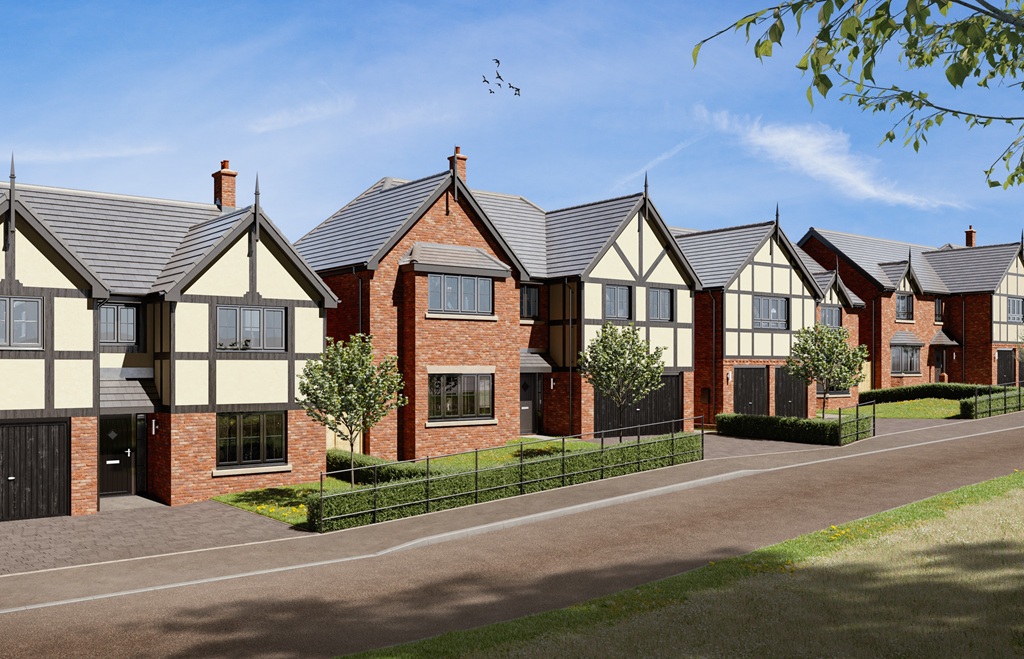
The first is described as a comprehensive programme to release small sites, in the type of in-fill development commonly called for to allow SME developers more opportunity.
LCC will also, pending sign-off, bring 52 long term vacant homes back into use through transfer to a qualified housing provider capable of delivering full refurbishment.
Subject to planning, the local authority’s small sites plan is intended to see homes delivered over the next two to three years, supporting a range of identified local needs, including care leavers, residents requiring temporary accommodation, and adults with support needs.
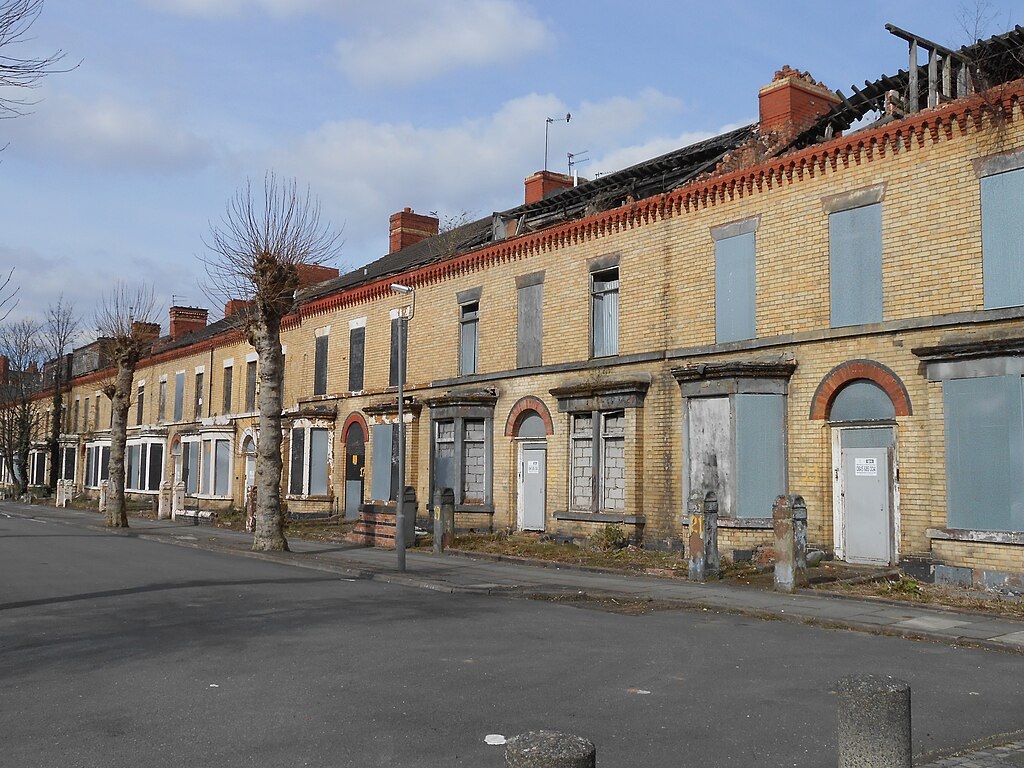
Sites recently regained by the council—such as at Ducie Street, Jermyn Street and Rosebery Steet in the L8 area—will be included to accelerate regeneration and reduce historic neglect.
Jermyn Street and Ducie Street, where an 80-apartment project had been consented but never begun, were transferred back to the council from West Tree Estates in October last year.
LCC said it has begun early engagement with community members, a process that will be broadened over the coming weeks.
LCC wants to dispose of the sites to registered providers, and the sites will be divided up into six lots, of these the two areas expected to deliver most homes, 108 and 102 respectively, are Dingle & Toxteth, along with Kensington, Fairfield and Edge Hill.
The other four areas are Everton North/Everton West, Arundel & Princes Park, Yew Tree and Princes Park.
The 52 empty homes identified for transfer are located across the city in areas where vacancy levels have historically been among the city’s highest, across Edge Hill, Princes Park, Everton North and Anfield.
The properties were marketed as a package last year and an assessment process carried out, with LCC now set to approve the sale of the properties to the preferred bidder – 17 bids were received, with 11 continuing to the evaluation stage.
The preferred bidder is described in the cabinet report as “a local Liverpool organisation” currently owner and manager of 300 properties across the city and an active developer of new housing.
Conditions attached include the properties being used for people on the council’s housing list and prevention of them being used as HMOs, student housing, or short-term lets.
As set out in the report to cabinet, 15 of the houses will be for people on the council’s housing list who need short‑term accommodation, such as households experiencing homelessness or urgent need – they will be leased back to LCC for this purpose.
The remainder will be brought back into use for family housing, which will be a mix of owner occupation and private rent. Seventeen will be retained and rented, and 20 sold.
Cllr Hetty Wood, cabinet member for housing, said: “This programme represents a major step forward in delivering the high‑quality homes our city needs. By bringing long‑neglected properties back into use and unlocking the potential of smaller sites across our neighbourhoods, we are not only increasing housing supply but strengthening communities.
“Every home we create or restore is another family with the security, dignity and stability they deserve, and I’m proud that Liverpool is taking bold, practical action to meet that need.”
The transfer is billed as a key decision in the cabinet report as it involves accepting a financial offer of more than £500,000. While this was not the highest bid, it is described as “the most realistic and deliverable bid”.
Cllr Nick Small, member for growth and economy, said: “These properties have stood empty for far too long. Bringing them back into use is vital for our communities and for meeting the growing demand for housing.
“This approach ensures that responsible organisations can invest in these homes, creating safe, high-quality accommodation for families while improving the wider neighbourhoods.”
Seeing those pictured properties in Ducie St, Jermyn St, and Roseberry St brought up to standard and re-tenanted would warm the heart. Re other plans to release plots for community housing is positive but we need to make sure these are of good, terraced design and not mundane semis.
By Anonymous
The city need to use local housing associations to own and manage these properties. So some assurances of decent owners and local businesses gaining asset to assist local economy
By George
They could also address the housing shortage by engaging with developers and showing some ambition. (Be great if these streets are made habitable though.)
By Anonymous
That’s sounds good makes a less chance of the Welsh streets fiasco happening again , and I hope they’re in line with the local LHA to make them affordable rents
By Anonymous
How come it’s always L8.
By John Campbell
Long live L8, it’s like N17, or SW1, got a certain poignancy.
By Anonymous
This is great news, as L8 could be a really desirable urban neighbourhood again after years of decay and ruining the built environment. Housing associations have been part of the problem, as they are too happy to sit on tinned up houses and not renovate or sell them to local people. Local ownership and affordable rent should be the focus of any regeneration so people can make long lasting roots and help create/maintain a sustainable community.
By GetItBuilt!
Why so many houses boarded up around Lpool. Empty for years when we have so many looking for homes. There is something terribly wrong in our planning department. Something that never seems to improve. Whether it’s terrace housing or our version of high rise we just can’t get anything done or anything right. Stagnation is the plan.
By Sid
@Sid , to be honest a certain amount of the derelict housing was down to John Prescott and his policy of demolishing some older terraced housing and replacing it with poor quality modern semis. If it wasn’t for the Tory, Eric Pickles, the Welsh Streets initiative would never have happened. Of course Liverpool Council and a section of it’s own citizens have played their part in destroying tenement blocks and terraced housing, either by demolition policies or vandalism.
By Anonymous
Excellent. Best possible outcome.
By Anonymous
While increasing housing supply across the city is important, Rosebery Street should be considered differently. For over 30 years the site has been neglected, with rubbish, pests and environmental issues affecting nearby residents. Now the community has come together through the Rosebery Coalition for Sustainability to propose something constructive the Rosebery Cohesion Centre, a community space focused on youth programs, education, women & wellbeing, and bringing people together across Liverpool 8.
This is not opposition to housing across Liverpool. It is simply recognising that not every site serves the same purpose. Rosebery offers a rare opportunity to invest in community cohesion, prevention work for young people, and long-term social impact in one of the most diverse areas of the city. The proposal is backed by a coalition of organisations representing over 50,000 residents from more than 70 ethnicities, all working together to transform a neglected space into something positive for the whole community.
If you believe the community should have a voice in the future of this land, please read more about the coalition and sign the petition:
Petition:
https://www.change.org/p/give-l8-community-the-space-it-deserves-rosebery-cohesion-centre
Learn about the coalition:
https://rosebery-coalition.org.uk/
Every signature helps show Liverpool City Council that this matters to the people of the city.
By L8 Community Resident