



Elections strain an overburdened planning system, say consultants
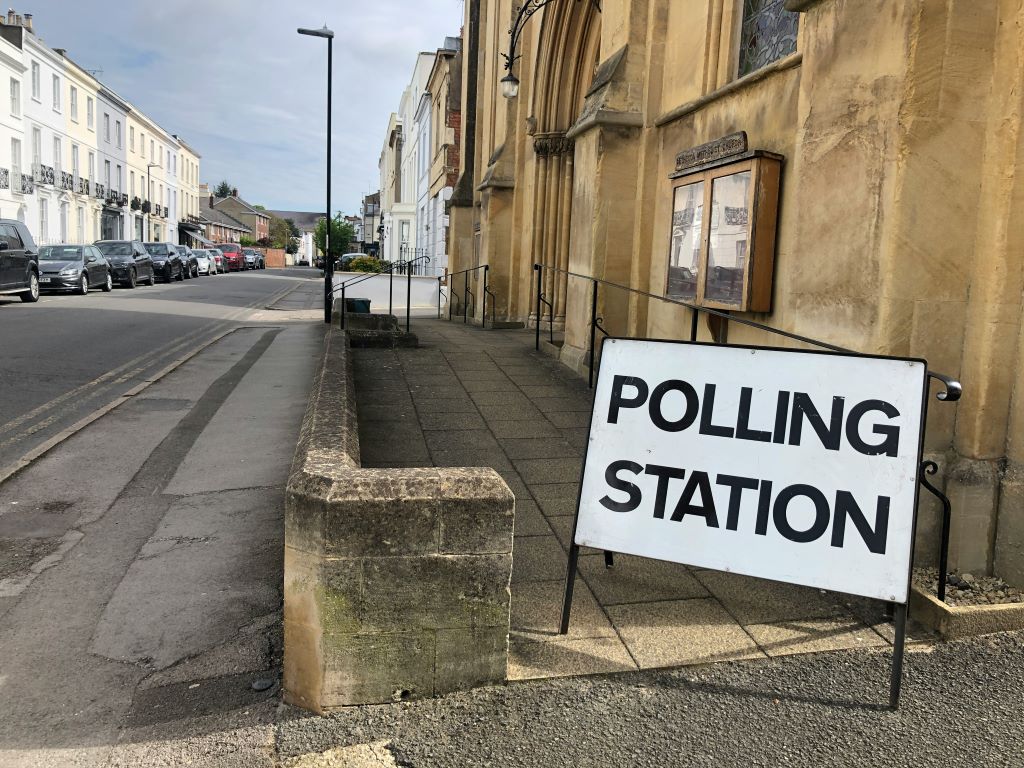
As voters head to the polls today, planners will be breathing a sigh of relief that, at the very least, the turbulent pre-election period – with its volatile committee meetings – is over.
Place North West spoke with a series of planning consultants who agreed that the lead-up to elections “inevitably” influences committee sessions and can cause disruption to an already overburdened system for months.
In the first part of a special Place feature examining the workings of planning committees, to be released in full tomorrow, the question “Do you ever feel that upcoming council elections tend to influence members’ actions?” received a 100% affirmative response.
Doug Hann, planning director at WSP, said: “Complex or controversial applications, especially those where there is significant public interest, can get derailed in the run‑up to elections and that is why many councils avoid taking such matters to committee in election run‑ups.
“It’s inevitable in many areas, as development and change is often feared by local communities, who voice their concerns to local councillors. As local ward elections are often won or lost by a small number of seats, development applications can attract attention and secure votes for councillors who may support a cause.”
Hann also called for the industry to redouble its efforts in pitching the upsides of development: “It would be wrong to lay the blame entirely with this process, as we as a development industry need to get better at consulting with and listening to communities, and devising schemes which meet their needs.
“We must also communicate better the benefits of development, to balance objectors who focus on alleged harm only.”
Caroline Payne, director at Emery Planning, said: “The last committee before an election can often feel even more uncertain than usual” while Christie McDonald, director of Lancashire and Cumbria-based MWT, told Place: “I think it’s common knowledge that you don’t really want applications which are in any way deemed as controversial going to committee the month before local elections, because it will only get deferred for some reason or, even worse, refused.”
A common theme of Place’s wider feature is planners’ belief that too many schemes go to committee in the first place, something that might have a bearing here – Max Kidd-Rossiter, associate director at Marrons, said: “Given how visible planning decisions are, it’s inevitable that upcoming elections can influence how some members act.
“They’re balancing politics, local sentiment, and their own objectives, so the electoral context can’t help but have a bearing.”
Andrew Bickerdike, head of planning North at Turley, was the third of the consultants to use the word “inevitable” in addressing the influences members feel from upcoming elections.
Darren Muir, planning director at Pegasus Group in Liverpool, said: “Impending elections can make members more sensitive – we’ve had officers advise against bringing matters to committee right before an election.
“With the addition of a committee cycle being missed in May and June after local elections, but before the new committee is constituted, there can be a three-month gap when committees aren’t scheduled or are avoided.”
Elsewhere in Place’s report, we ask consultants for their views on the most pressing issues around the committee system. Causing particular concern are Grey Belt intransigence, ineffectual chairing of sessions, and committees making judgments on non-planning matters.
You can read in full the critical issues raised, and planners’ suggestions for workable ways forward to improve the system for all involved, when the report is published tomorrow.
Related Articles

Analysis - Commentary
INTO THE BEARPIT | Are planning committees fit for purpose?
Rowdy objectors, ineffectual chairing, and member intransigence over Grey Belt changes are just some of the frustrations applications can face once they reach the debating chamber. Place North West asked the market: what’s wrong with planning committees and how do we fix them?

Analysis - Commentary
IN FOCUS | What does a strong Reform mean for property?
With more than 100 seats in the North West won, and no doubt more to follow, the industry can no longer ignore the Nigel Farage-led party. We spoke with strategic communications professionals about what Reform’s rise means for the industry.
Important to assess why, as Mr. Hann points out, “development and change is often feared by local communities.” Clearer, more meaningful engagement ahead of development with communities could help people to feel less “railroaded” by development, build trust in among developers and communities, and in turn help assuage any doubts local councilors may have about a scheme.
By John
Hopefully in this report, consultants will have acknowledged that their failure to listen to officers at a pre-app stage, despite their years of experience and knowledge of local issues, might be relevant to how long it takes to get an application to committee and its chances of success when it gets there. Here’s just one tip for consultants worried about hitting the committee cycle in March/April: do what you’re advised to do sooner and you can get it to committee in December, with a greater chance of a recommendation for approval. Still, I shall look forward to another report bemoaning a system that definitely could work better, but to which the developers and consultants contribute their own problems in ensuring it fails everyone involved in the process.
By Quid Pro Quo
A streamlined and less overburdened planning system might of course mean less billable hours for planning consultants, certainly the stakeholder engagement/lobbyist types who claim to have political knowhow/connections and indeed employ current and former councillors.
By Anonymous
Agree with all these points and abolish the Planning Inspectorate – local democracy should be the final decision, no appeals. But hey ho lots of vested interest that would lose money.
By Anon
Relying on local democracy sounds great, except the planning process is a legal process taking place in a democratic framework – that’s a problem but one that’s not really understood widely enough. And secondly, if you relied on local democracy as the backstop you could basically shut the country tomorrow. Nothing would get built.
By PINS Pete