



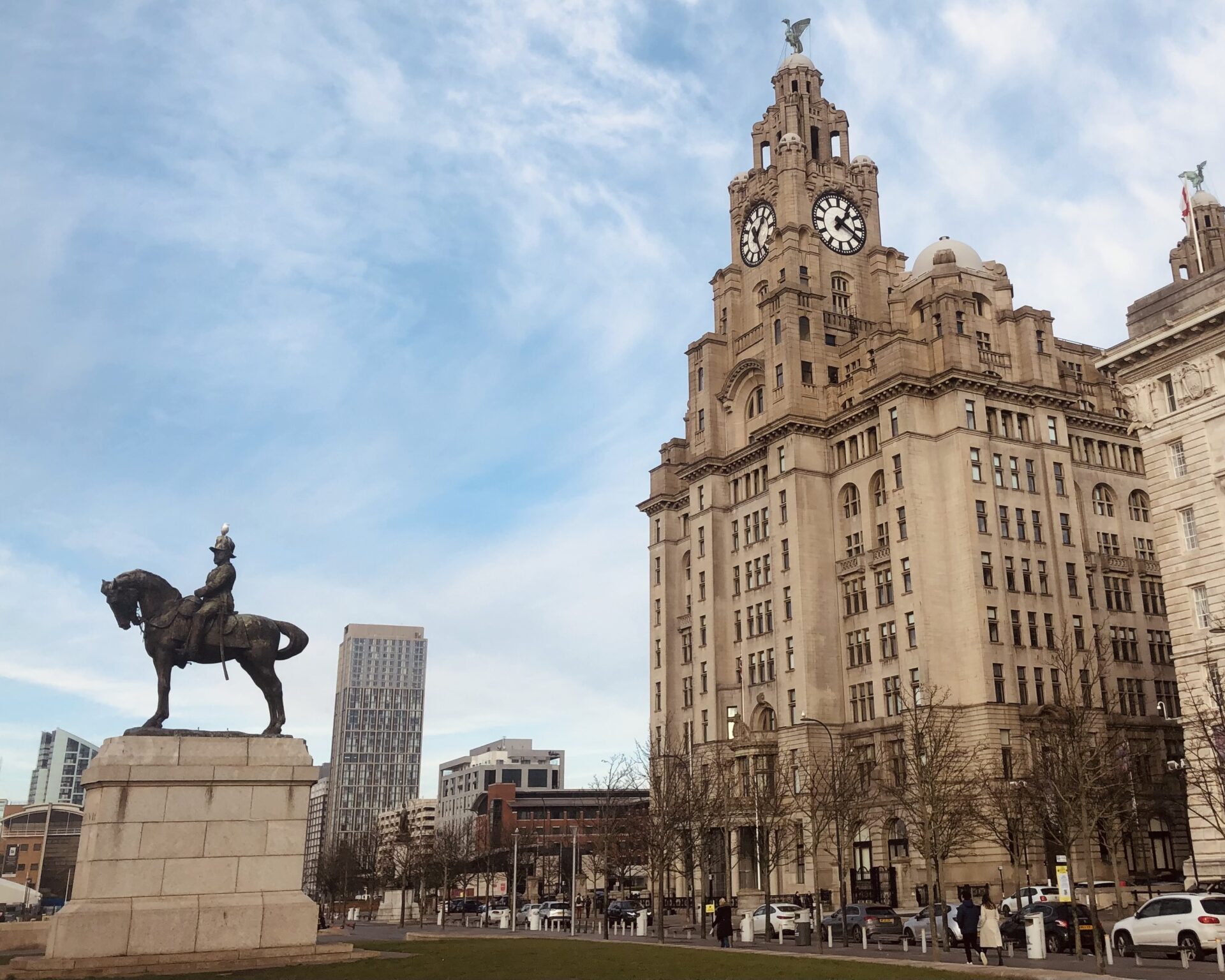
Liverpool launches housing design guide SPD
The city council’s cabinet has been recommended to publish its housing design guide for public consultation, setting out a full material consideration for the determination of planning applications.
Levitt Bernstein has compiled the supplementary planning document, which centres around five key principles.
- View the draft design guide SPD here.
Homes fit for Liverpool’s future
All new housing should be built to last and age well. Properties should be sustainable, accessible, and affordable to run in the face of climate change.
Happy and healthy homes for all
Development should strive to enable independent living for the long term, maintaining community connections already instilled across the city. Housing should be flexible and enable families to grow and prosper. In addition, specialist housing for those with disabilities needs to be considered.
Building on Liverpool’s character and identity
The SPD states that new housing must respond positively to Liverpool’s heritage and contribute positively to the city’s fabric and unique character. Development should take a contextual approach and maximise existing heritage assets. Neighbourhood continuity is also key.
Building connections and communities
To ensure development across the city is balanced, homes should be built to attend to the needs of their intended occupants. The SDP states that developers must engage with local communities to ensure neighbourhoods are guaranteed sufficient service provision and suitable connections to local transport routes.
Leading with landscape
Both public and private amenity spaces for residents’ mental health and wellbeing should be maximised. In addition to health, landscape-led development should encourage interaction and strengthen communities, making neighbourhoods more liveable.
Following a review of all the representations received and subsequent re-drafting of the SPD, a final version will then be presented to Liverpool City Council’s cabinet to determine whether to approve the adoption of the SPD.
Once adopted, the SPD will be a material consideration carrying full weight in the determination of city council planning applications.
206 pages is a big read but from skimming through it there are some good points but in terms of planning approval we are already slow, and having so much criteria any schemes will take an age to get acceptance.
I would like to see more terraced streets but no alleyways, little or no front gardens with town gardens at the rear, as no need for gigantic gardens which only wastes valuable space. Some of the the more recent schemes in Liverpool, like Grove St, or Stanley Locks have some great design and quality. One last thing we need to preserve the atmosphere along our historic shopping high streets and arterial roads with their 3 to 4 storey properties, we know a number of ground floor shopping levels are being converted into residential but the standard of design is appalling with basic windows and doors with no respect for aesthetics or continuity. We should be like Glasgow where they respect their high street tenements and keep them attractive, and though ours are brick, while theirs are sandstone, there’s no reason why we shouldn’t do the same.
By Anonymous
Heritage is used as an excuse not to build anything. So many projects have been scaled back because of these dinosaurs. There is a reason Manchester never wanted UNESCO badge.
By TR5
Is this the end of tin panels pretending to be architecture?
By John Lynn
This is a very easy to follow guide. Great work to add involved.
By Rye
My worry with any design guide is that it could stifle creativity and innovation. Let’s hope this guide gives the architects the freedom to be creative.
By Anonymous
Guaranteed to be full of unfundable ‘aspirations’ and design standards that will ensure the current relative lack of construction activity is viewed in a few years’ time as some sort of heyday.
By Anonymous
Levitt Bernstein and the council should be commended on this design guide. Good developers should be supported, the ones that put extra profit before design quality should be called out. About time the council showed this ambition rather than the usual approach of allowing developers to get their way.
Delighted also to see the respect for heritage – where would this city be without its famous landmarks and the character it gets from its terraced streets.
By Nonny Mouse
@4.29pm – This housing design guide will actually encourage architects to be creative. Hopefully it will bring an end to the usual lazy, low-effort, cost-cutting, cookie-cutter, aluminium-clad, bland and characterless rental blocks. Let’s face it the vast majority of recent buildings in Liverpool aren’t fit to lick the boots of their historical predecessors.
By Anonymous
Reading the Housing Design Guide honestly makes me want to yelp with joy! Reading the chapters, they just get it. All this talk about creating proper places, the importance of the existing building style, public space. It’s such a welcome change from just throwing up whatever tower in the race for units.
Whatever they’ve put in the water at the Cunard, keep doing it!
By Paul Corrigan
Less words more building, it’s beyond pastiche now.
By Anonymous
Terrible Document, Not worth the paper its written on. Wouldn’t expect anything less from the LPA at this point. Very little differentiation between ‘mainstream’ housing types. How much money did they spend on an SPD, that is legally only guidance, that says must over and over again.
I completely commend the effort to promote high quality homes, but what works for low rise is not suitable for high-rise. What one person thinks is an improvement, another thinks is a degradation.
No more walk-ups, despite being a popular typology.
No floor to ceiling windows, as it impedes furniture layouts, but also no furniture in front of a windows with a sil as someone might use it to climb up and out. That doesn’t make any sense.
No understand on the requirements of ventilation grills.
Mandating the amount of glazing allowed on certain facades.
No curtain walling.
I understand why lay-people think this is a good thing, many of the points raised about streets and community are correct. But its obviously entirely focused on low to mid rise housing, but rather than make another set of rules that would be appropriate for mid to high rise living, they’ve just roped it into the same unsuitable set.
Since the Local plan, 3 major schemes have been approved and built. Can we really afford to increase the pressures on developers?
By Dr Ian Buildings