


What impact will No10 North have on the Manchester office market?
Expect rising rents, an increase in take-up, and growing investor appetite as Prime Minister Andy Burnham transforms the city into the country’s second seat of power.
Burnham’s move to create a No10 North will see an already hot market get only hotter, according to agents and investors.
What is No10 North?
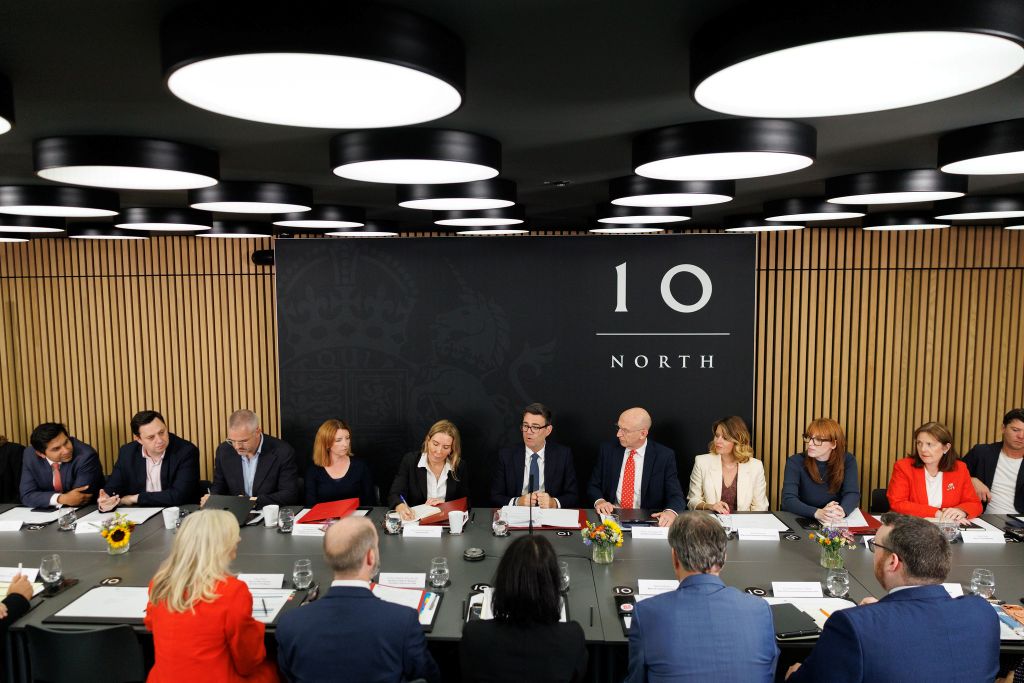
No10 North is one of Burnham’s flagship policies, a move to bring the government’s devolution and local economic growth work out of London.
Sam Lister is the director-general for No10 North, with Greater Manchester chief executive Caroline Simpson due to be Burnham’s deputy chief of staff.
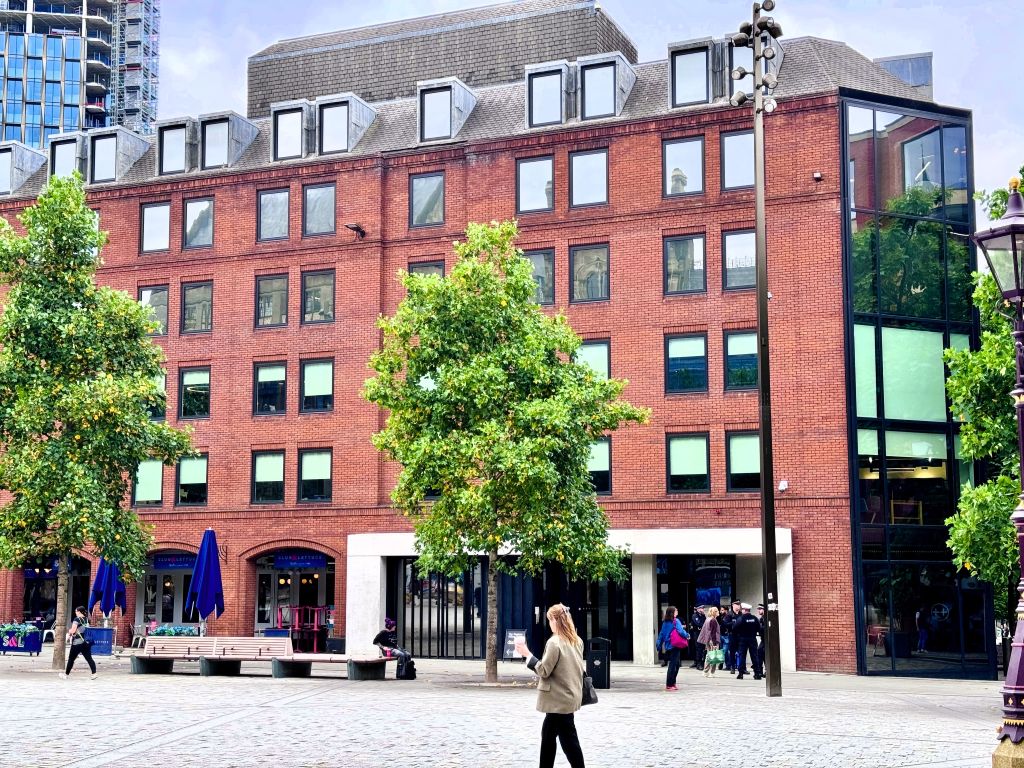
No10 North is understood to have set up, temporarily, at the Manchester City Council-owned Heron House on Albert Square, already home to a GCHQ outpost. Passersby can already see a handful of Greater Manchester police officers stationed outside and patrolling the perimeter.
The future home of No10 North is set for the Government Property Agency’s Manchester Digital Campus in Ancoats, a 900,000 sq ft behemoth off Great Ancoats Street that is in the early phases of construction. The building is due to complete in 2032.
A hot market
Even before the news of No10 North, Manchester was seen as a prime spot for investing in commercial property.
The city’s headline rent is on track to reach nearly £60/sq ft by the end of the year, according to OBI founder and chief executive Will Lewis. That is the trajectory it was on well before Burnham opted to bring a taste of Whitehall to Albert Square.
There has, however, been an immediate interest in the city’s office market.
Joe Rigby, CBRE’s managing director for the North, has already had multiple initial conversations with national and international companies flirting with doubling their floorspace in the city. This translates to potential demands for 10,000 sq ft to 70,000 sq ft.
“These are only initial conversations,” Rigby caveated.
While Albert Square and Ancoats will no doubt be attractive, the demand is really citywide at this point in time.
“Everyone is just excited about Manchester and about what the new version of Manchester is going to look like with the new Prime Minister,” Rigby said.
Any impact from No10 North will really show itself over the next 10 years rather than over the next few weeks, he added. And, of course, some of that will depend on whether or not Burnham can lead Labour to victory in the next general election.
Lewis echoed Rigby’s thoughts around the long-term impact of No10 North.
“I think the No10 North strategy is arguably the most powerful catalyst for Manchester since the BBC relocated to MediaCity,” he said.
“I think it will supercharge confidence and it will absolutely help Manchester attract more international investors,” he continued.
“We’ve had lots of calls from overseas investors and big institutional investors as well – people who invest all over the world have been interested in this city.”
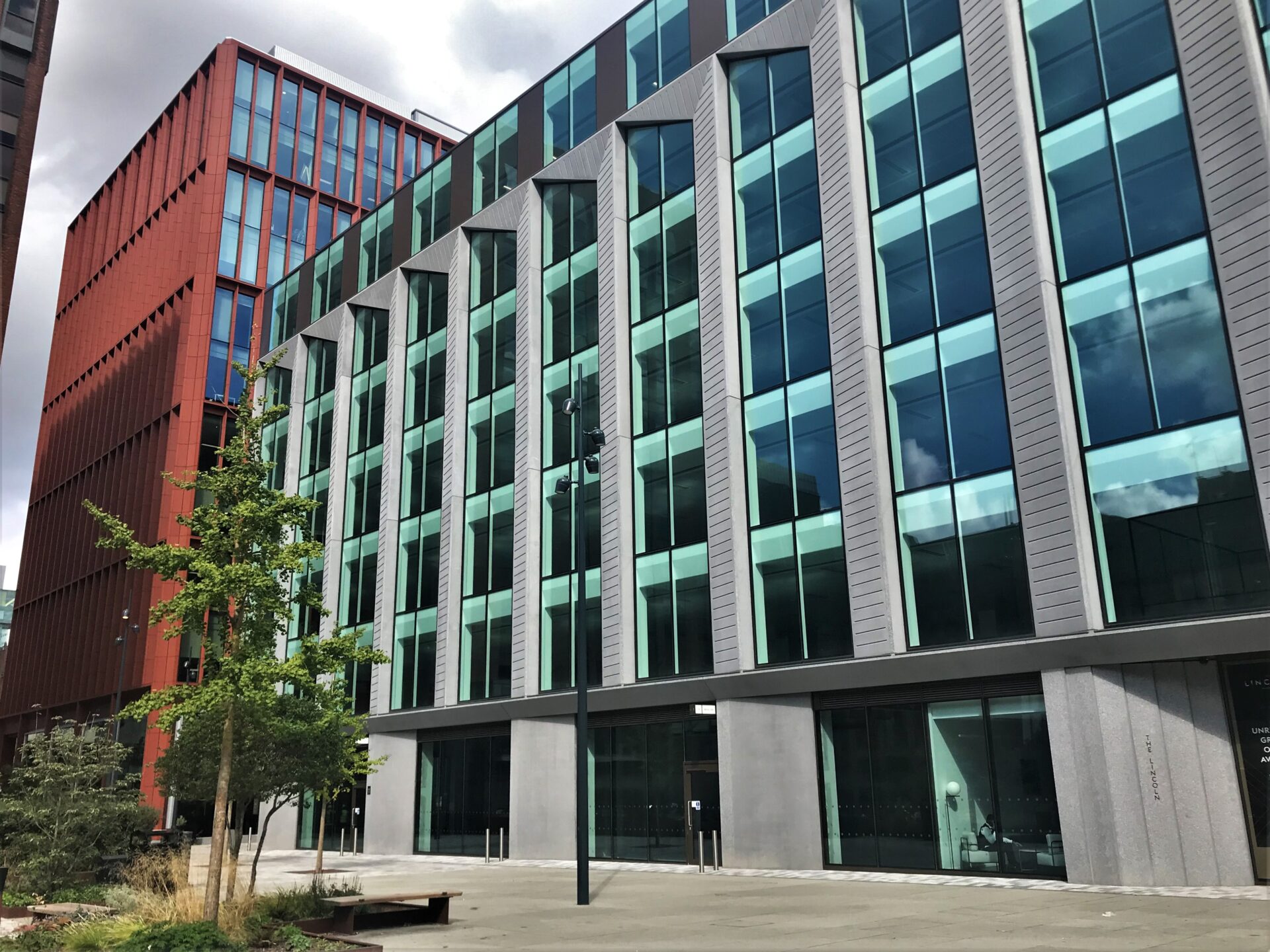
The Lincoln was acquired by Northtree Investment Management for £55m last month. Credit: PNW
The investor’s perspective
This year saw two Heron House neighbours finds new owners: Queens Court and the Lincoln, which were picked up by Seneca Property and Northtree Investment Management, respectively.
Being so close to Heron House can only be a positive, according to Seneca chief executive Jeff Morton.
Seneca has capital allocated for more acquisitions in Manchester already, with the city having presented itself as a solid investment opportunity before No10 North made headlines.
Of course, buying up a building by Albert Square and Heron House has even more appeal now. It will definitely be a core location going forward, Morton said, but he also said Spinningfields and other office districts would be appealing as well.
“This is very positive for Manchester as a city and very positive for offices,” Morton said of No10 North. “I think it will attract more businesses into the locality.”
Sandy Wilson, co-chief executive and fund manager of Northtree, said he did not expect No10 North being within a stone’s throw from the fully let Lincoln to have any impact on the building in the short term.
However, he said it was a really positive move for Manchester as a whole – building upon what was already an attractive offer.
“It was really strong already, which is why it was our first acquisition for our latest fund – we specifically did target Manchester,” he said.
“No10 North may transmit into more meaningful additional rental value growth or employment growth – but who knows? It’s more of a general slight improvement of sentiment that was already strong already.”
A return to speculative development?
While all the noises around No10 North are positive – higher rents, increased take-up – it does not mean speculative office development will make a massive return in Manchester.
The city only has one new-build speculative development under construction at the moment: Landsec’s 243,000 sq ft The Republic at Mayfield.
Support in the form of Greater Manchester Combined Authority’s £2bn Good Growth Fund is in place but has yet to materialise into shovels in the ground for projects such as HBD’s 200,000 sq ft Colloco and Relentless’s and Investec’s 450,000 sq ft Kendals revamp.
No10 North won’t solve viability challenges, but it could help indirectly, Lewis said.
“What it will do is it will generate take-up, which will help reduce supply, which will have an impact on increasing rents,” he added.
Rigby was in agreement.
To really move things along, rents will need to reach £60/sq ft, he said. It cannot just be a one-off deal or for a small bit of space either, Rigby added. There will need to be consistent, sizeable lettings at that price point.
“With inflation coming down, construction costs flattening a little bit… if the yields can come in, then I see speculative development happening,” he said.
“We still have some challenges, but we are absolutely moving n the right direction.”