


Commentary
Why people-first design matters in active travel
Have we become so focused on following guidance that we risk overlooking who the design is meant to serve, and who it affects, asks Chris Rushton of engineering and environmental consultancy, Rappor.
The ongoing push for safer, more attractive walking, wheeling and cycling routes has been positive. Industry guidance from the Department for Transport, Active Travel England and others is raising the bar. But when standards are applied too rigidly, we can unintentionally create schemes that feel awkward, inconvenient, and less inclusive for users and the people affected by them day-to-day.
I’ve walked and cycled schemes that comply with standards and look impressive on paper. Once built, however, you can often find yourself stopping at every side road, guessing whether a space is for cyclists, pedestrians or both, and wondering why the route is harder to navigate than simply staying on the desired line.
Instead of solving the original problem, the scheme simply relocates it. Resulting in underused active travel infrastructure that creates new constraints and barriers which could halt the aspirations of a city like Manchester that’s targeting 90% of all morning inbound trips to the city centre being made by walking and wheeling, cycling, and public transport by 2040.
User experience matters. We shouldn’t lose sight of the fact that DfT’s LTN 1/20 is guidance, and not legislation. Like all guidance, it should inform quality design and good engineering judgement, rather than replace good engineering.
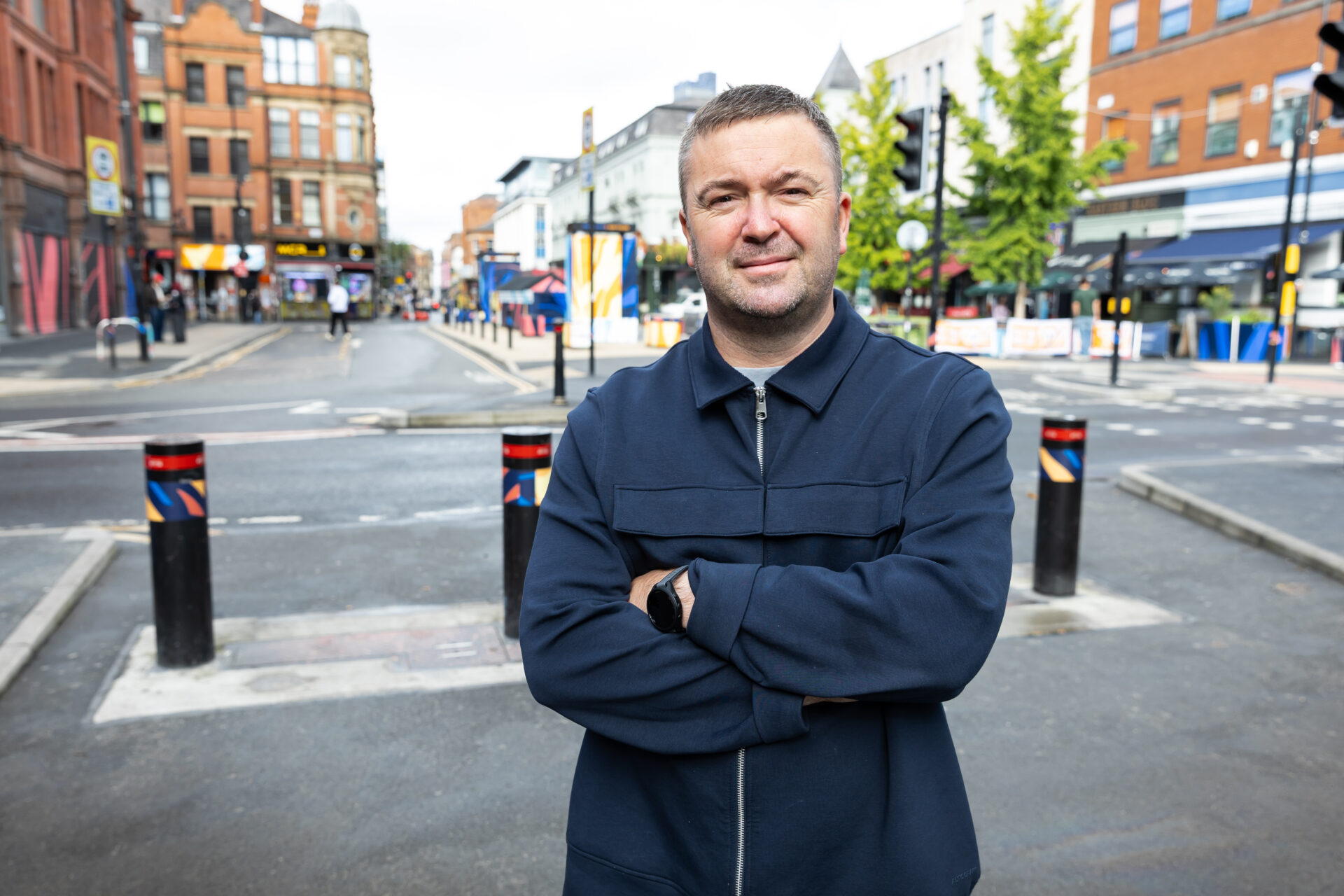
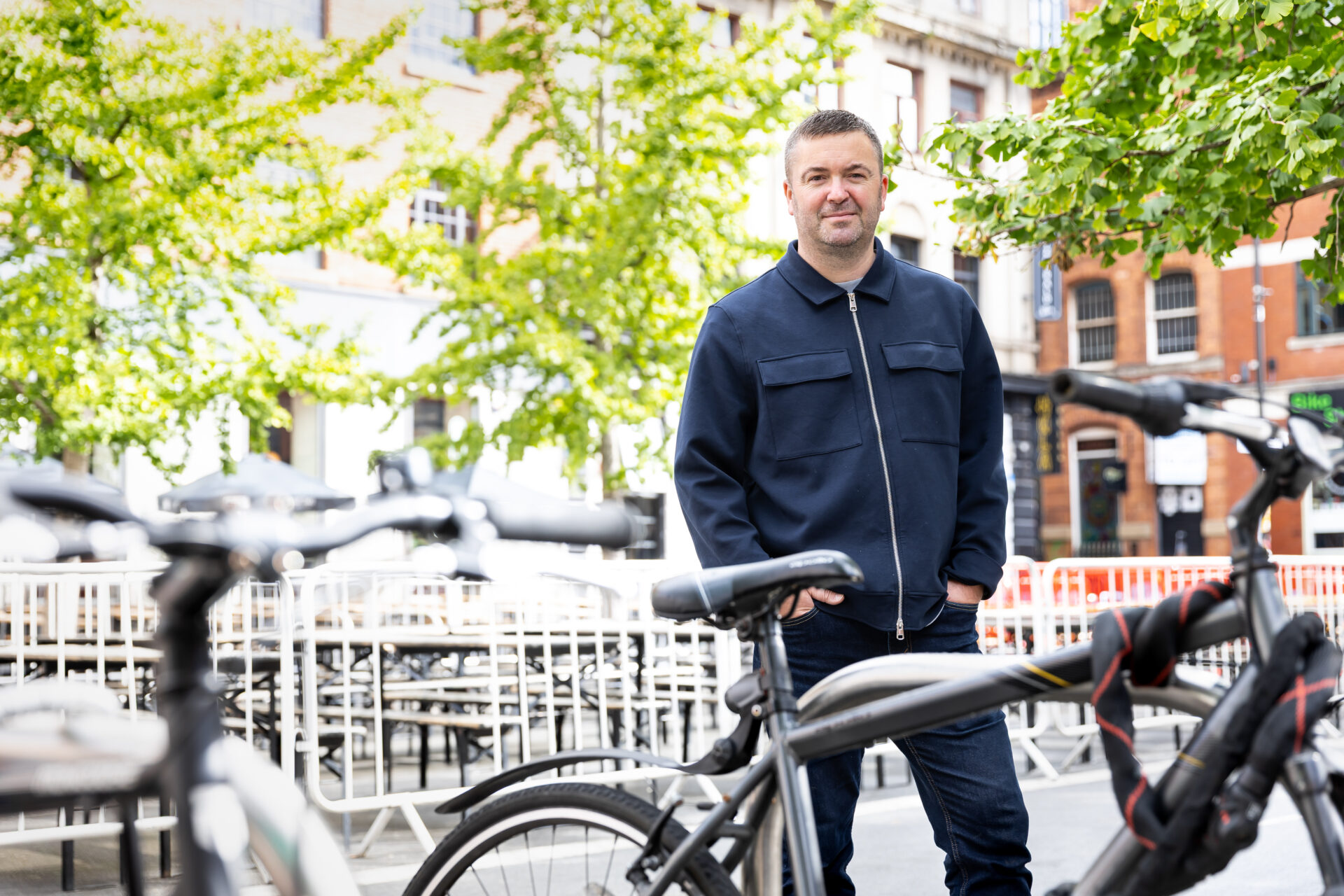
Chris Rushton, Rappor 2026. Credit: Rappor
Too often, success is measured by how closely a scheme complies with guidance or ‘best-practice’, rather than how well it functions for the whole community.
Designing for one user group shouldn’t disadvantage another. A route may meet cycle guidance, for example, but that doesn’t automatically make it attractive, practical or effective. If designers don’t test proposals from a range of perspectives – including people walking, wheeling, cycling or driving, and those with protected characteristics – they risk missing how the scheme will work in everyday use. Inclusive mobility is now defined as “Designing the built environment, including buildings and their surrounding spaces, to ensure that they can be accessed and used by everyone,” in the revised NPPF .
Evolving active travel thinking
ATE is increasingly promoting a broader, more balanced design philosophy. Its recently published Rural Design Guide highlights the importance of context-led solutions that respond to place, landscape and user needs, recognising that successful infrastructure can’t be delivered through a single standard alone. While aligning with LTN 1/20, it looks at quieter lanes, greenways and countryside corridors where fully segregated routes aren’t realistic, due to space or the sensitivity of the surrounding environment.
Recognising good design is multifaceted, ATE’s design assistance tools also draw together LTN 1/20, Inclusive Mobility, Manual for Streets and Healthy Streets principles.
Go Dutch
This inclusive philosophy closely mirrors guidance from CROW, a research-led not-for-profit which developed guidance that prioritises the design of streets according to their function and the way people naturally behave and interact with street layouts. Dutch designers rely less on continuous segregation, and more on intuitive, low-speed environments around transport hubs, educational campuses, public spaces and complex junctions.
Flat shared surfaces, subtle white lining, contrasting materials, tactile paving, signage, raised tables and carefully designed public realms, work together to create spaces that encourage preferred behaviours without excessive physical intervention. Both vehicles and cyclists naturally reduce speed, pedestrians move freely, and the street becomes a place rather than just a transport corridor. This supports a more inclusive experience, inviting everyone to move at their own pace, with no mode of travel or user being favoured. Instead, simplistic shared level surfaces, with appropriate signage and DDA (disabled/less-mobile) attributes are embedded within the design.
With the Transport Secretary announcing at the ATE conference in Manchester that £104m is being committed to expanding and maintaining the UK-wide 12,000-mile national cycle network, there’s a timely opportunity to think creatively about where active travel routes should be located, and why they’re important to a functioning society. Rather than concentrating walking and cycling alongside increasingly busy carriageways, routes could be just as easily woven through neighbourhoods and blue-green corridors as championed by the outstanding CyanLines initiative which has been awarded £2.5m from the Greater Manchester’s Good Growth Fund to improve the route leading to the Etihad Stadium and Co-op Live Arena. These alignments provide quieter, safer and more attractive journeys while reducing exposure to vehicle tailpipe emissions, tyre wear particulates and road dust.
In the UK, cars are a major source of greenhouse gas emissions, while rising fuel costs, high EV purchase prices and limited charging infrastructure present ongoing challenges. At the same time, obesity rates remain high and continue to rise. Education and awareness are therefore key to helping all travel users understand the benefits of active travel and how these schemes can create healthier, more equitable and sustainable communities.
It’s important to consider and include all user groups when designing, helping to create healthier, more equitable, and more sustainable communities.
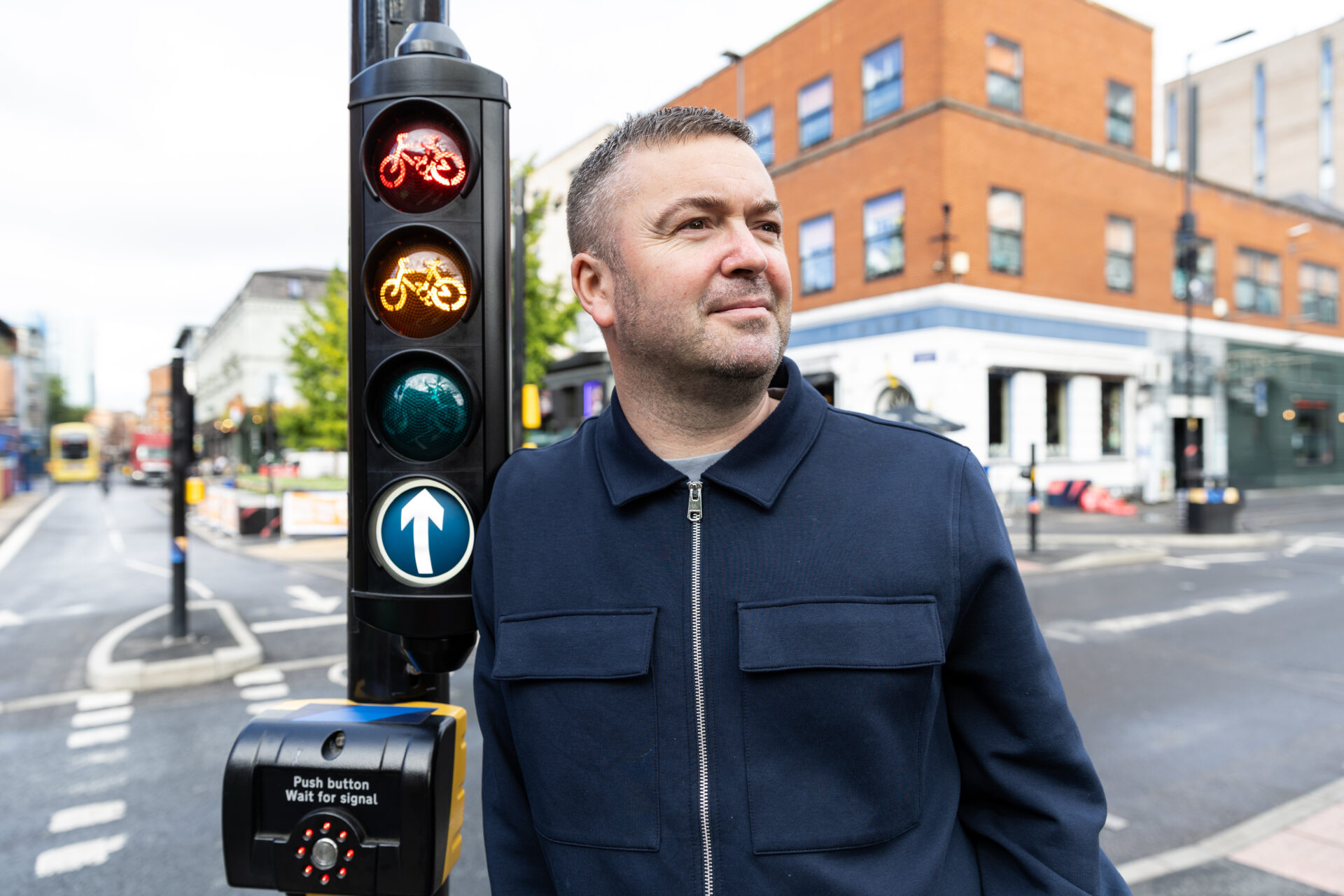
Chris Rushton, Rappor 2026. Credit: Rappor
Through well designed schemes we can improve health, reduce household transport costs, reduce congestion and emissions, make local amenities more accessible and help us keep connected to family and friends. Too often, we view these active travel features as exclusive features to a European getaway in cities like Amsterdam, Copenhagen or Paris. But they’re the baseline foundations for a better functioning society, and we can make them part of our everyday life too.
While I don’t have all the answers, I believe we need to ditch the ‘cars are bad’ narrative. Instead, let’s focus on promoting the positive impacts of car sharing, sustainable transport, and active travel.
It isn’t about removing the easy, familiar choice from motorists. It’s about giving all people, in all user groups, genuinely alternative options for their everyday journeys. Options that, while being more sustainable, also benefit them, their families, and their communities.
Fewer cars. More Life!
As ATE increasingly recognises, green infrastructure really should be viewed as an integral part of route design, improving both environmental quality and the attractiveness of active travel.
Another ‘hidden’ challenge is also surfacing. While EVs are delivering reductions in tailpipe emissions, did you know their additional weight from vehicles is increasing stress on highway infrastructure, impacting routes for cyclists?
More rapid carriageway deterioration, potholes and surface failures create uncomfortable and sometimes hazardous conditions for cyclists, while debris generated from road wear and tyre abrasion continues to contribute to PM2.5 and PM10 particulate pollution.
Poor surfaces and reduced space are barriers to movement and make people feel less safe, damage route reliability and confidence, and can quickly turn any well-designed walkway or cycle corridor into one that undermines the transition to green mobility because people avoid it. Better investment and upkeep of our highway infrastructure is required for active travel to thrive.
Remember what matters most
Good active travel design relies upon empathy, experience, professional judgement and an understanding of truly inclusive experiences.
The best schemes balance engineering standards with common sense and consideration, recognising the power of design that connects people to the places that matter to them.
- Chris Rushton is technical director in Rappor’s transport planning team in Manchester.