

Trafford to seek public support for long-stalled Alty site
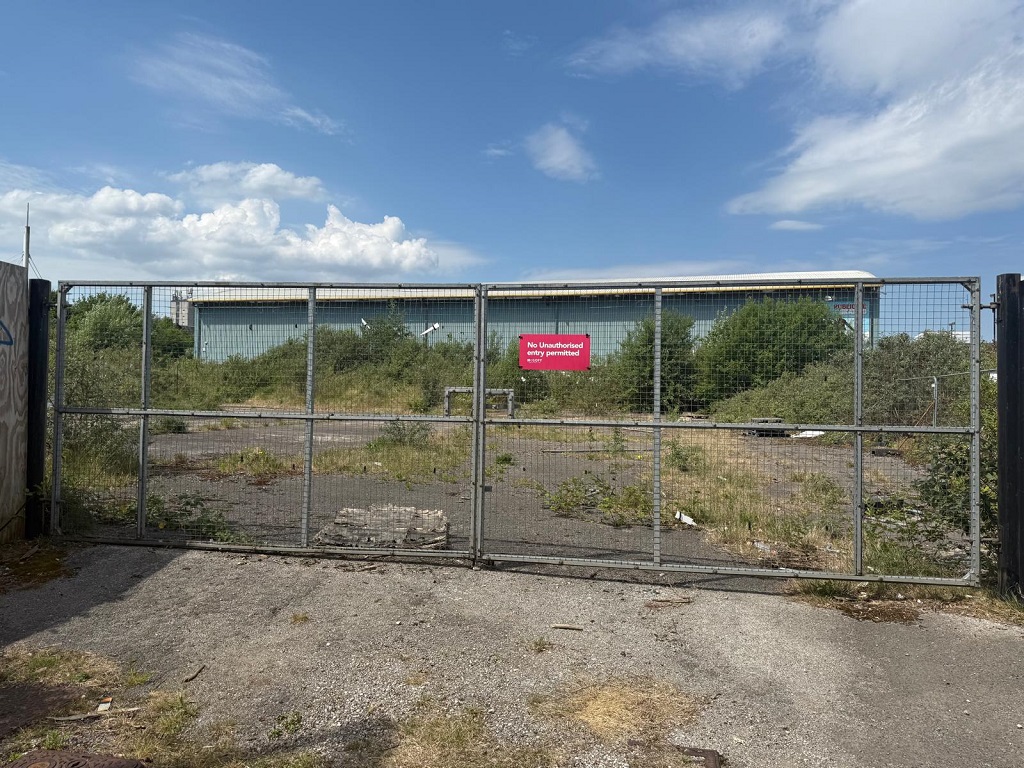
Plans for the 4.5-acre plot off Oakfield Road previously known as Altair will be residential-led under revised proposals from the council published three years after the collapse of Nikal, the development previously attached to the scheme.
Trafford Council’s executive will meet a week today to approve the direction of travel for the site next to Altrincham’s transport interchange, which the council acquired for £2m in 2025, two years after Nikal went bust.
The site had been earmarked for a £70m regeneration scheme called Altair and is now the subject of a refreshed masterplan drawn up by Savills.
The scheme Trafford will pursue features apartments in buildings up to five storeys as well as terraced houses. A mobility hub also form part of the plan. The ice rink, located in the south west corner of the site, would be retained.
Nikal was granted outline planning permission for Altair site in January 2014. The scheme next to the new transport interchange will include a 43,000 sq ft leisure centre, 96,000 sq ft of retail and restaurants, coffee shops and cafes, a 7,400 sq ft bowling alley, 150 apartments and townhouses, and 35,000 sq ft of office space and a car park.
Nikal’s vision included a Lidl supermarket as an anchor tenant and, despite putting many of its eggs in the residential basket, Trafford remains open to the idea of a food store on the site in future, according to an executive report.
The report states that a residential-led project has been selected as the preferred option for the site because it “makes optimal use of a highly sustainable town centre site, supporting higher-density development near Altrincham Interchange and contributing to housing delivery targets”.
While a scheme that majors on homes is also the most commercially viable over the long term, it will require public sector gap funding in the short term. Trafford intends to engage with both Homes England and the GMCA for support.
The executive report states that a retail-led scheme, which was also considered among the options for the site, “could provide an earlier capital receipt to help recover some development costs, but this would likely be significantly reduced by the need to address site constraints”.
A residential-led scheme “faces viability challenges but offers greater flexibility through phased delivery…returns would be realised over a longer period as the scheme is delivered”, the report adds.