



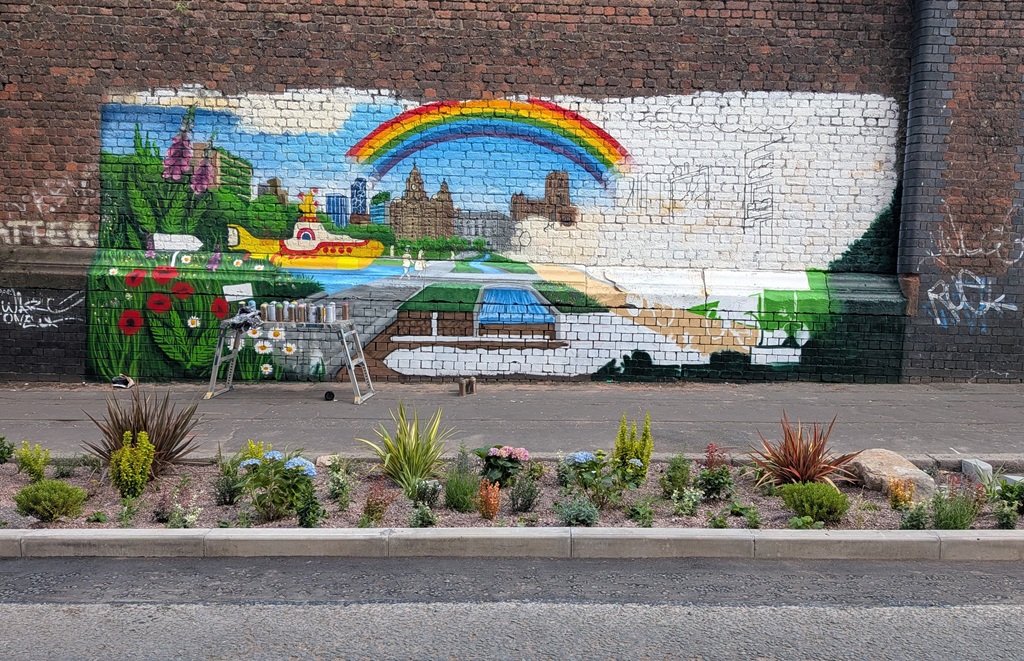
UU invests to make a spongier Liverpool
United Utilities has unveiled a £30m package of water management interventions across the city, including urban wetlands and green roofs.
The utilities giant said that with extreme rainfall becoming more frequent, the investment will manage water in a more sustainable way by capturing rain where it falls – slowing the flow into sewers, easing pressure on the network and helping to reduce the operation of storm overflows.
The programme will see a raft of blue-green interventions, including rain gardens, green roofs, urban wetlands and ‘greener’ playgrounds – all designed to soak up rainwater like a sponge and reduce reliance on traditional concrete solutions such as storage tanks.
Announcing the investment at the Flood and Coast Conference in Liverpool, UU chief executive Louise Beardmore said: “To tackle the challenges of climate change, we need to make our urban areas more spongy.
“We recognise the value of water as a resource and the importance of working with rainfall and runoff, rather than against it – slowing the flow, reducing flooding, and creating greener, more resilient places for our communities.”
UU said that the investment programme will be carried out with a completion target of 2030. The firm said it will work “alongside global leaders to bring ‘sponge city’ principles, already in use in cities including New York and Shanghai, to Liverpool”.
Closer to home, Sheffield has in recent years introduced its Grey to Green quarter, a phased intervention around West Bar and Castlegate that cost around £10m and saw stretches of redundant highway reengineered, with significant planting, walking and cycleways and rainwater management systems introduced.
The plans build on a landmark agreement struck last year with the Liverpool City Region Combined Authority and the Mersey Rivers Trust to tackle flood risk, reduce sewage discharges and improve water quality.
Around 85% of sewers in Merseyside are combined, meaning rainwater and wastewater flow through the same pipes. During heavy rainfall, storm overflows may be used to prevent sewage backing up into homes and streets.
Some projects are already underway: in Deysbrook, United Utilities has partnered with Alder Hey Hospital on a £536,000 scheme to cut flooding by diverting rainwater away from the combined sewer into new surface water drains.
More than 700 water-saving planters have also been provided to local residents, each capable of holding up to 200 litres of water and helping households reuse rainwater while reducing potential flood risk in the area.
The company is also working with major retailers and multi-site owners, including Liverpool ONE, to introduce rain gardens, while its Future Leaders of Water programme has helped 33% of Liverpool’s flood-prone schools become spongier and greener with plans to work with another 100 schools.
Beardsmore added: “With more intense rainfall, we need to manage rain where it falls. If we can do that, we can protect rivers, reduce flood risk and create places that people are proud to live in.
“This investment marks an important step in shaping a more resilient future for Liverpool and the wider city region.”
Brendan Hattam, centre director at Liverpool ONE, said: “We’re pleased to be working alongside United Utilities on initiatives that help make Liverpool a greener and more resilient city and look forward to seeing it come to life.
“Projects like this show how simple changes can have a lasting impact, enhancing spaces for our guests while helping the city adapt to the challenges of the future.”

Certainly right about the rain, seems to rain forever sometimes.
By Washing line blues.