




Commentary
Developers finding a solution to two-tier architects as Building Safety Act bites
The Building Safety Act is reshaping the architecture profession, creating a clear split between ‘planning stage’ and ‘delivery stage’ practices. The implications for developers are significant, particularly when it comes to managing risk as projects progress through the regulatory Gateways, writes Quentin Keohane of Falconer Chester Hall.
‘Viability’: the word on everyone’s lips at the last two iterations of the giant MIPIM property trade fair. Soaring construction and materials inflation was knocking cost plans askew, and now a third variable has been thrown into the mix: ensuring compliance with the Building Safety Act.
You may remember a couple of weeks ago, Falconer Chester Hall associate Alex Harrison ran through the ramifications of the BSA for contractors. In this article, we will explore how it could affect developers.
For developers weighing up the balance of risks, this can feel akin to someone placing their finger on the scales – although it needn’t be so. And an unforeseen but helpful divergence in the architectural profession may hold the key.
The Act’s introduction is rapidly leading architects to choose to stand either side of a clear dividing line: a design practice that takes great work all the way to planning consent; or one that continues to the next stage, to help deliver the work through the Building Safety Regulator’s Gateways for buildings of 18 metres in height, or more.
For some, it’s as much about whether they have the resources and expertise as it may be their professional indemnity cover. Large practices, such as our own, that have already invested in the training and who have a long track record of delivering tall buildings, more naturally fall onto the delivery side of the equation.
Wherein lies the succour developers seek, because the right principal designer can de-risk the journey through Gateway 2 and onto Gateway 3 in numerous ways.
It’s not just about understanding how the new rules affect key design choices such as the number of cores, where they are positioned, or the correct number of lifts: it’s about ensuring that the design is efficient overall and thereby code compliant. Inexperienced designers who propose overly novel solutions are going to grind the gears of the Gateway process. Whereas an experienced delivery architect will know the lowest-risk route forward and work with the client on crafting a submission that has the greatest chance of earning the regulator’s speedy approval. Delays at Gateway 2 – perhaps six months at the current run rate – can knock viability way off kilter, when things like holdover costs are factored in.
In such an environment, you don’t want people learning on the job and you need a practice that has the administrative resource and understanding to manage the information flow so that it is up-to-date, orderly and on time. Better still if commerciality is key to their culture, because that will mean designs that are approvable, affordable, deliverable in terms of project management and buildable on site.
A key factor here is information flow. Orderly, organised, and on-time. Any delay in this new world will see costs rack up. Developers need the comfort of knowing that everything is fully agreed and that the journey between Gateway 2 (what the regulator says can be built, and how) and Gateway 3 (where you show what was built and how it varied from the approval), has been tracked and recorded every step of the way so that there is a golden thread of evidence that demonstrates how risk was assessed, why the choices were made, and how the job was built. That’s a tough ask in the new environment for small design-led practices.
In the wings, quietly observing, are local authorities who judge developers on their ability to perform. When they are backing a developer’s vision and expending political capital in doing so, they want to know that the promised timescales will be met. And whilst they are not unwise to the new post-Grenfell world, handwringing about the Building Safety Regulator cuts no mustard when the delay is of the development team’s own making. Perhaps the costliest thing of all in this context is the loss of political goodwill.
Better, therefore, to choose a principal designer who can see this risk clearly and who has not just the delivery experience to guide things safely through the Gateways, but the smarts to weigh tangential risks such as this. It could just be that the architecture profession’s new order holds the answer.
- Quentin Keohane is director at Falconer Chester Hall

Related Articles

Analysis - Commentary
How can insolvency practitioners and receivers best approach real estate challenges?
Taking into account the wider restructuring or insolvency plans, there are a number of strategic decisions to be made to ensure the best course of action is taken to unlock value within tight timescales, write Andy Thompson and Matthew Hattersley at BTG Eddisons. Real estate advice When appointed, IPs and receivers can be presented with […]
Analysis - Event Summary
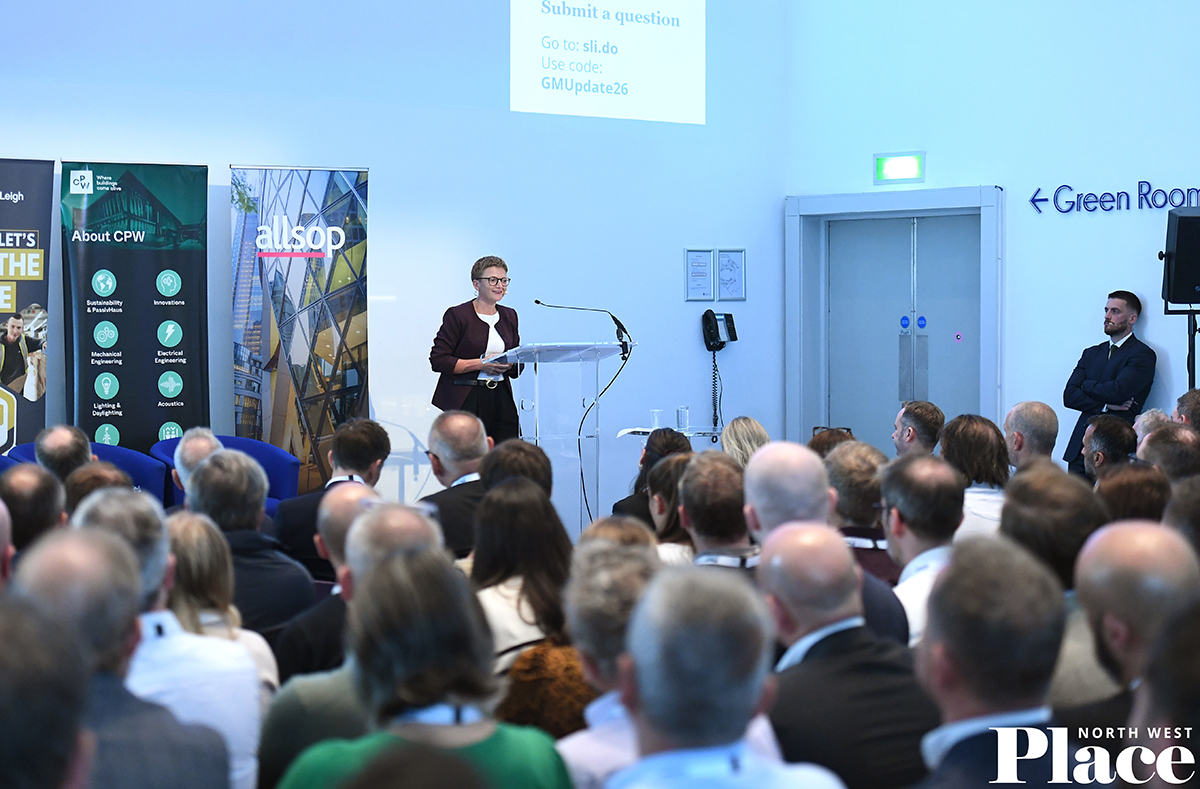
Greater Manchester Development Update 2026 | Summary + gallery
Delegates at Place North West’s sold-out conference heard from the newly elected mayor on how she is targeting a decade of growth, the impact of the new NPPF on development in the city region, and how the pioneering £2bn Good Growth Fund is unlocking development in a constrained market.