Trafford to close school amid dwindling admissions
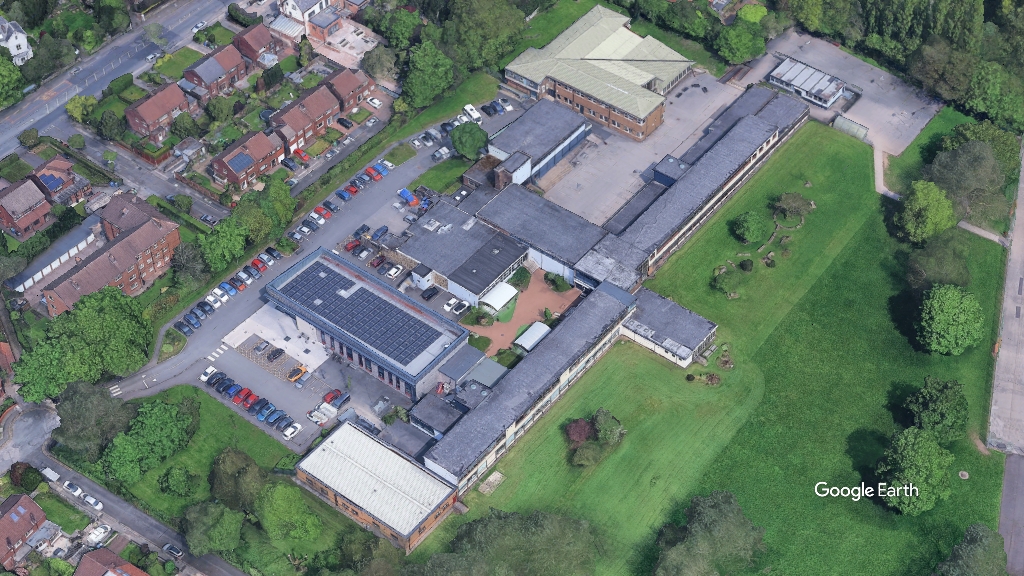
St Theresa’s RC Primary School will close in August 2027 despite an argument that large-scale residential development nearby would create more demand for school places.
Trafford Council has concluded that pupils who might have attended St Theresa’s could be accommodated within Stretford’s wider surplus of school places for the next nine years.
A report on the matter said the council had “fully considered” the impact of housing developments and regeneration schemes such as Trafford Wharfside, which features plans for 15,000 new homes.
While residential-led developments such as Wharfside, Pomona Island, and Stretford Mall will generate additional demand for primary school places, “a substantial surplus of primary places remain within the area…[and] the anticipated demand arising from planned housing growth can be accommodated within existing surplus capacity until around 2035”, the report said.
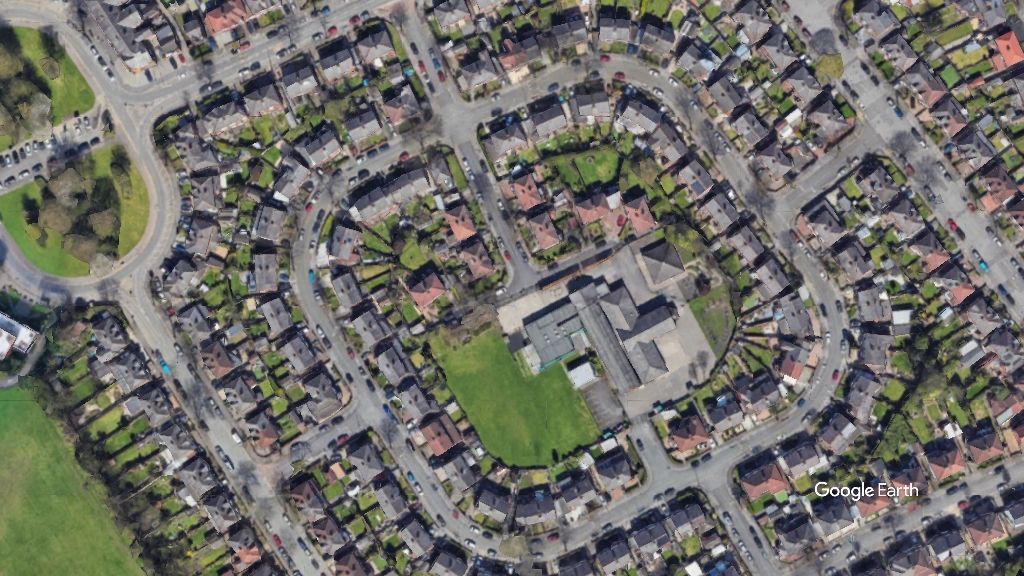
Trafford Council agreed on Monday to proceed with a recommendation to close the school, which is located at the heart of a residential area bound by Great Stone Road, Kings Road, Warwick Road South, and Rye Bank Road.
The school has recorded a deficit for the last four years. The losses are widening as pupil numbers decline as the amount of funding a school receives is directly linked to how many pupils it has. The deficit was expected to grow to more than £1m by 2029/30 if the school remained operational.
As of 4 September 2026, just 45 of the 210 places at St Theresa’s were filled, the report said. This total included just two reception aged pupils and 15 in year six, who will leave at the end of the current academic year.
There are five other schools within 1.5 miles walk of St Theresa’s, which is owned by Salford Diocese.
In the last three years, Trafford has seen a decrease of 3.1% of primary pupils in the borough, which is ahead of the national average of 2.2%.
The total fertility rate in the UK – the number of children being born per mother – is at 1.39. This figure is well below the replacement rate – the number of new births needed to maintain a stable population not withstanding migration – of 2.1.