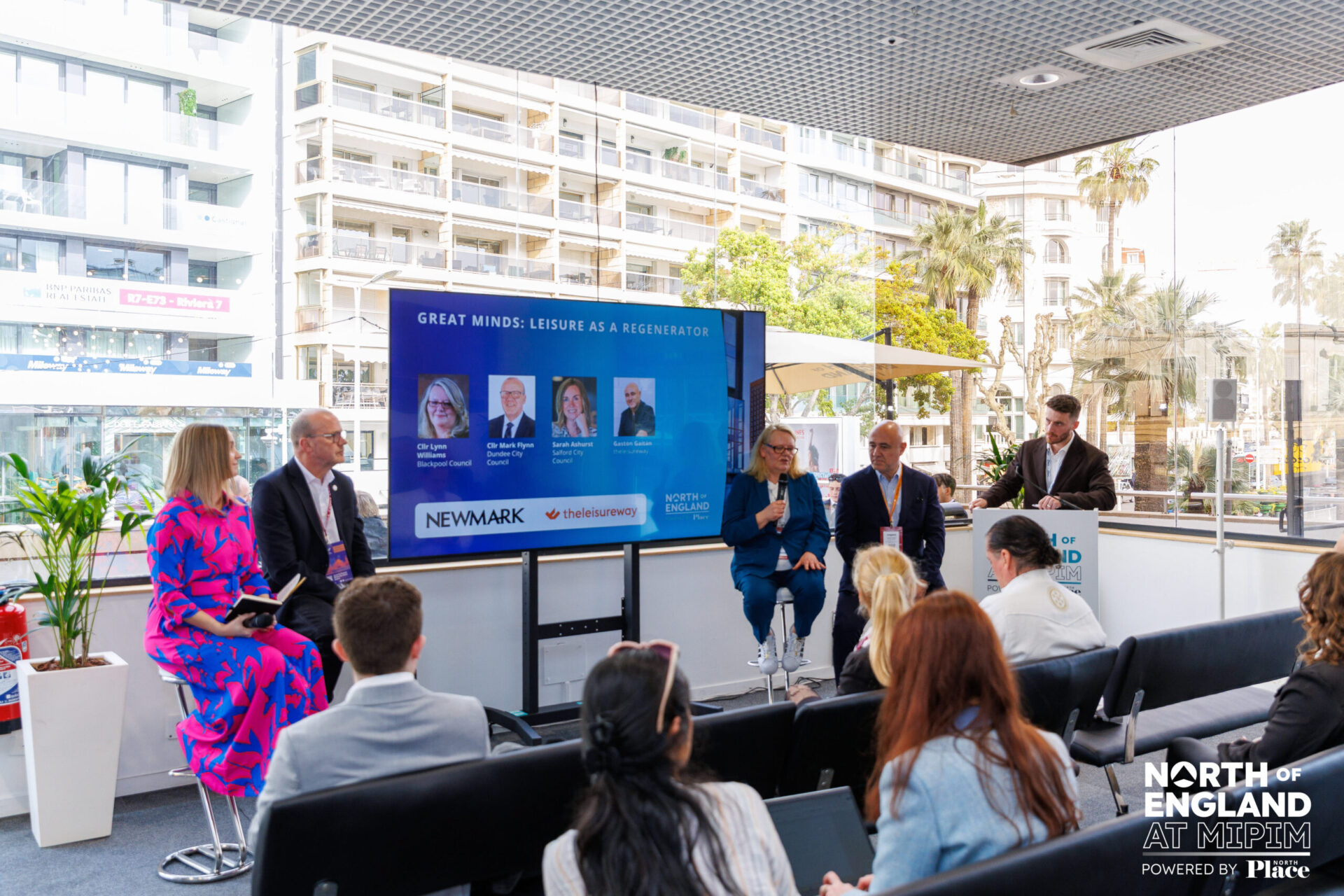
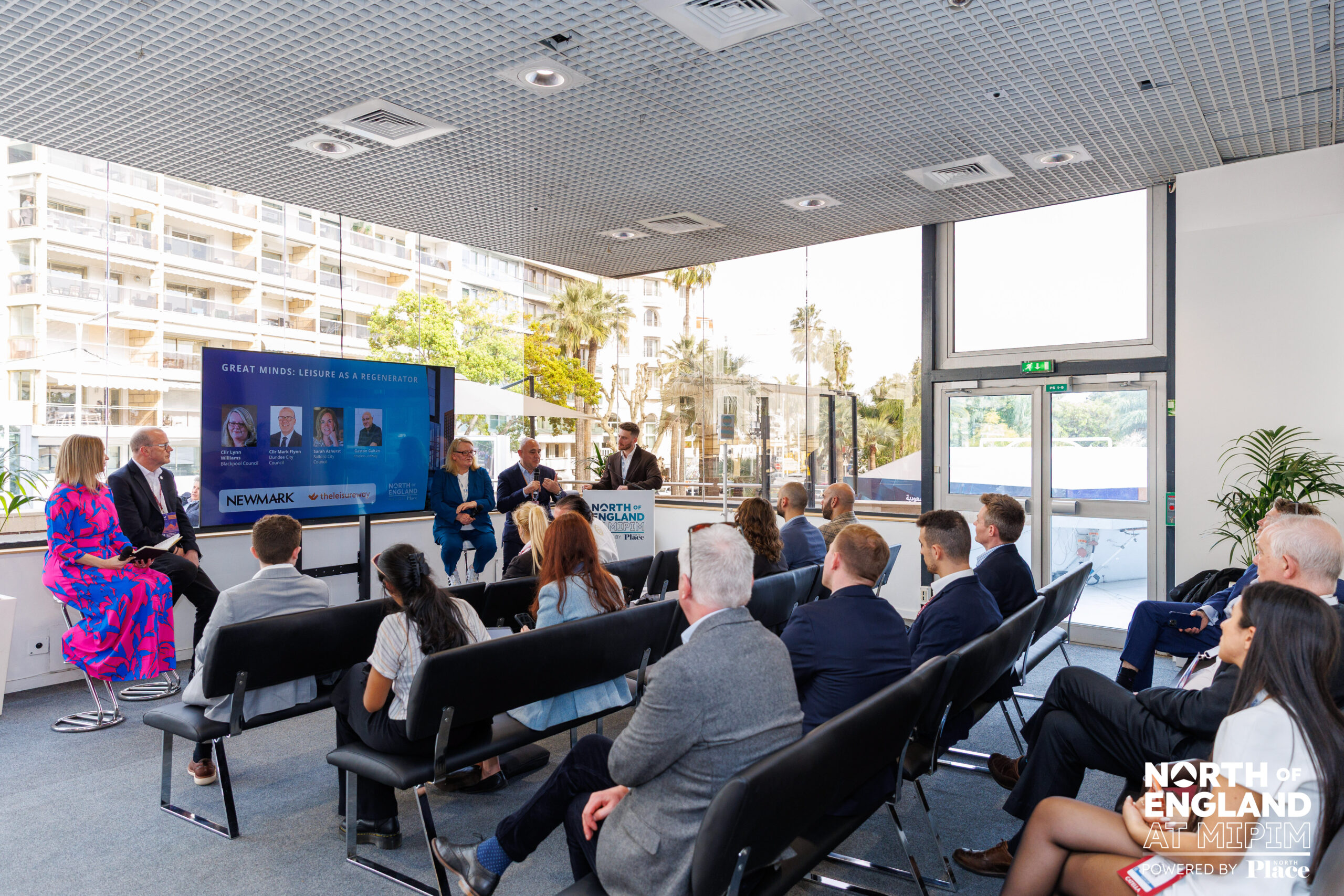
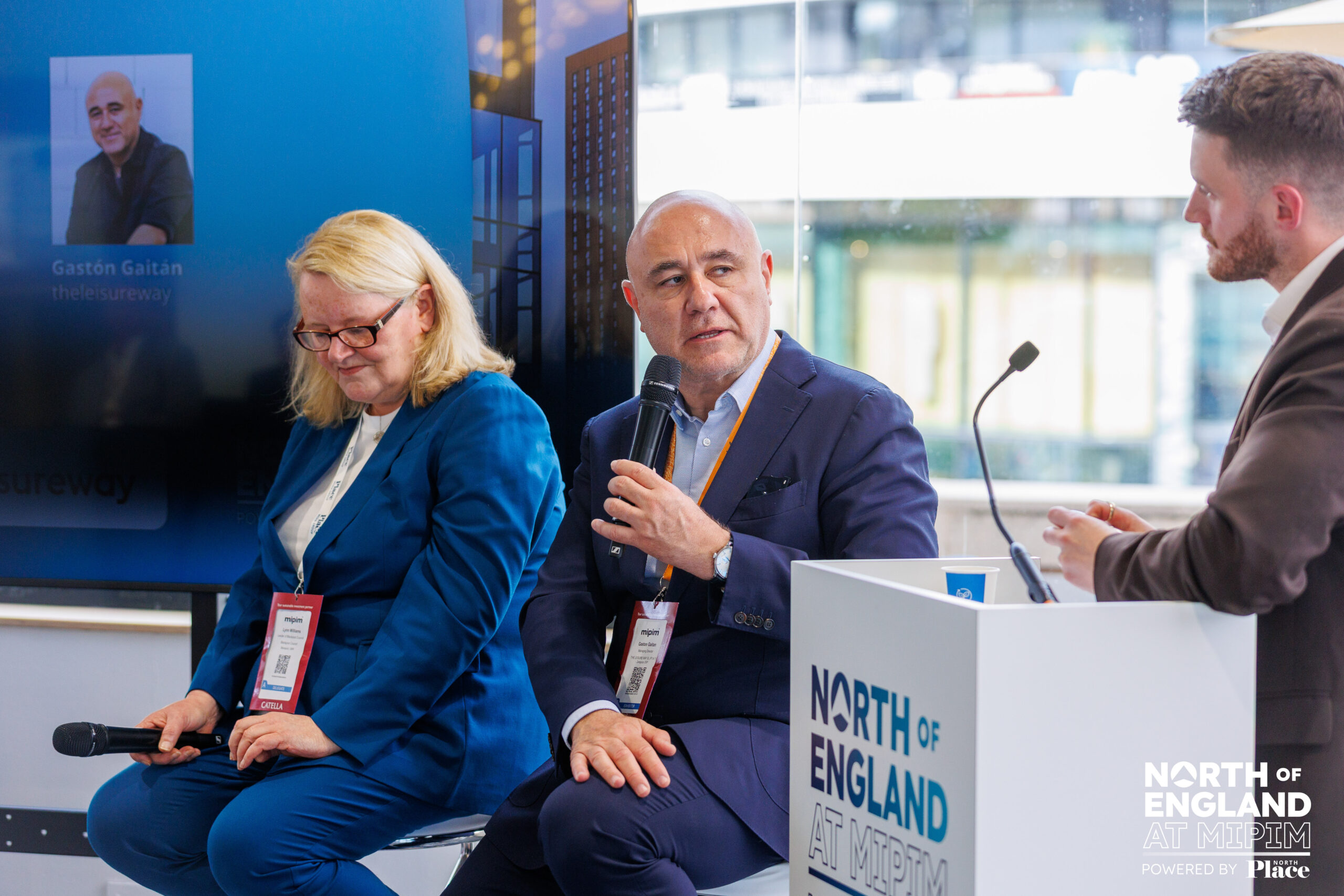
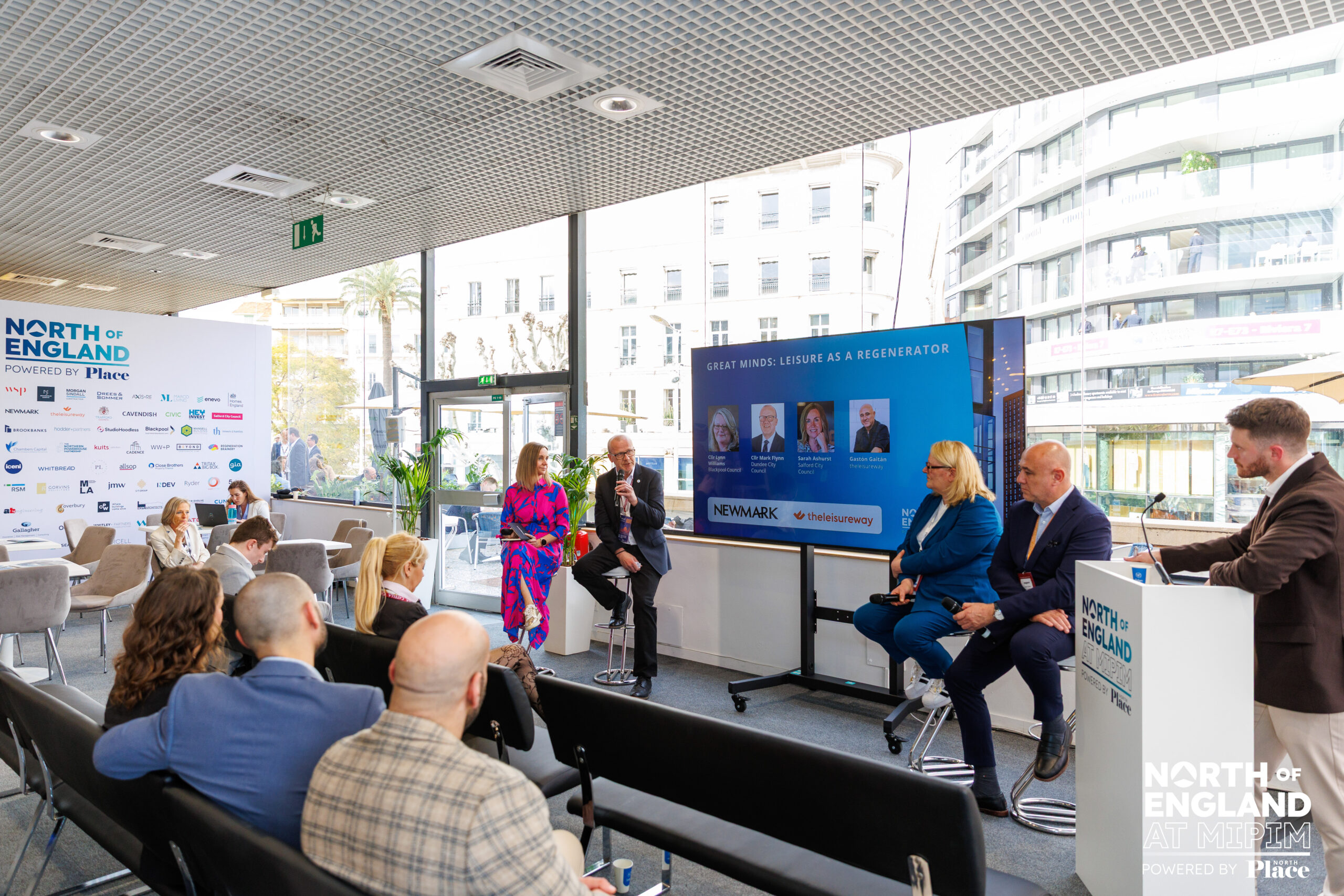
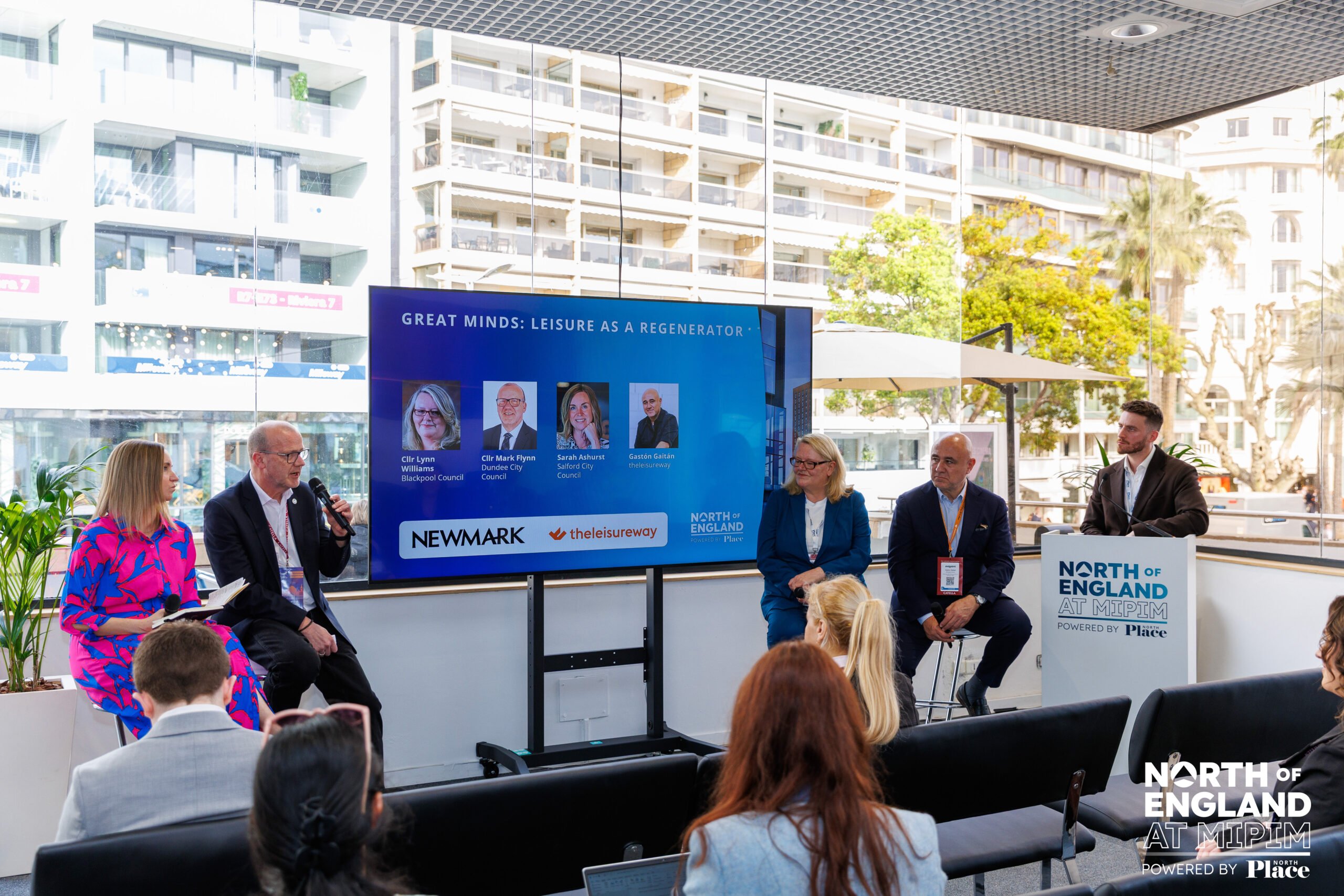
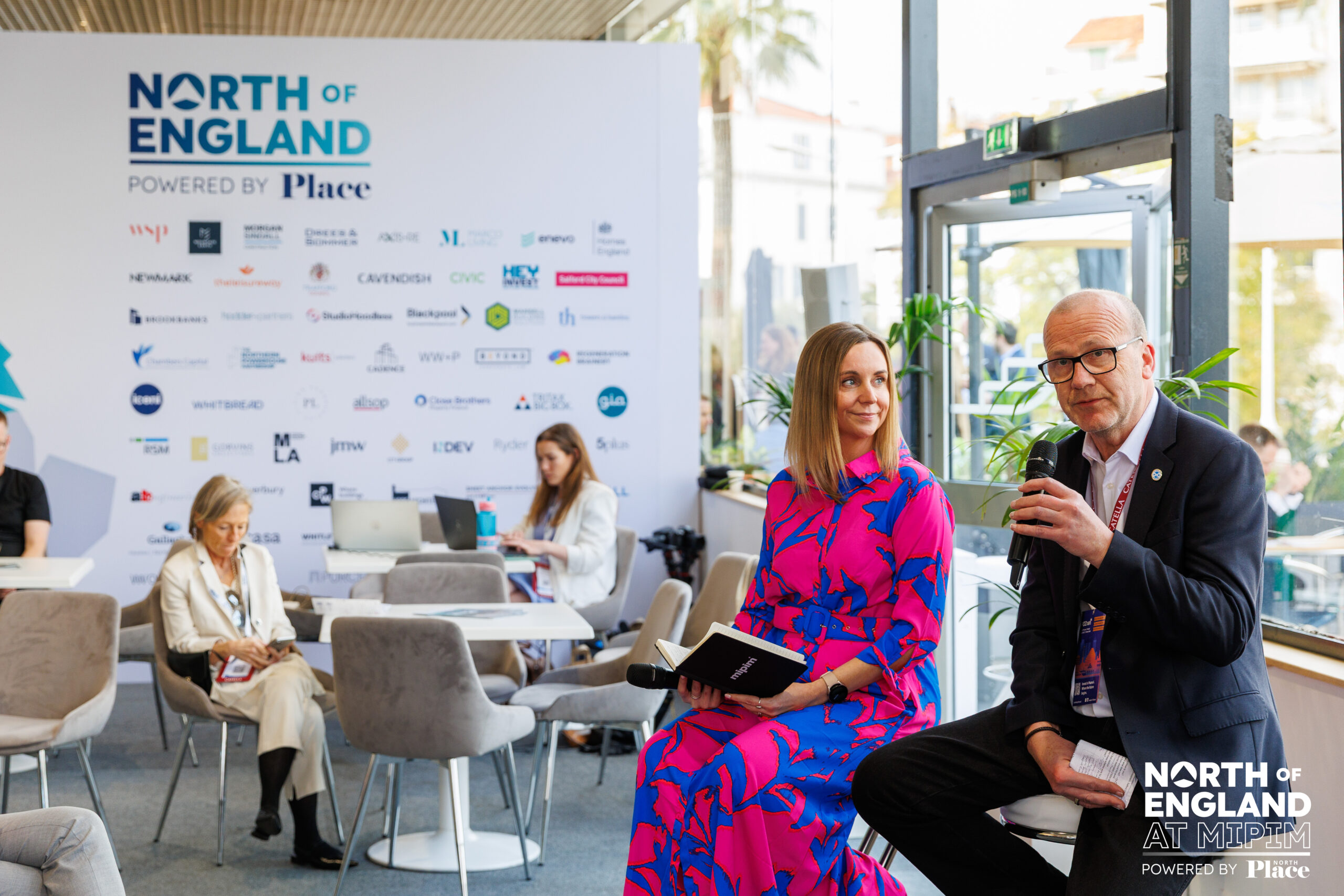
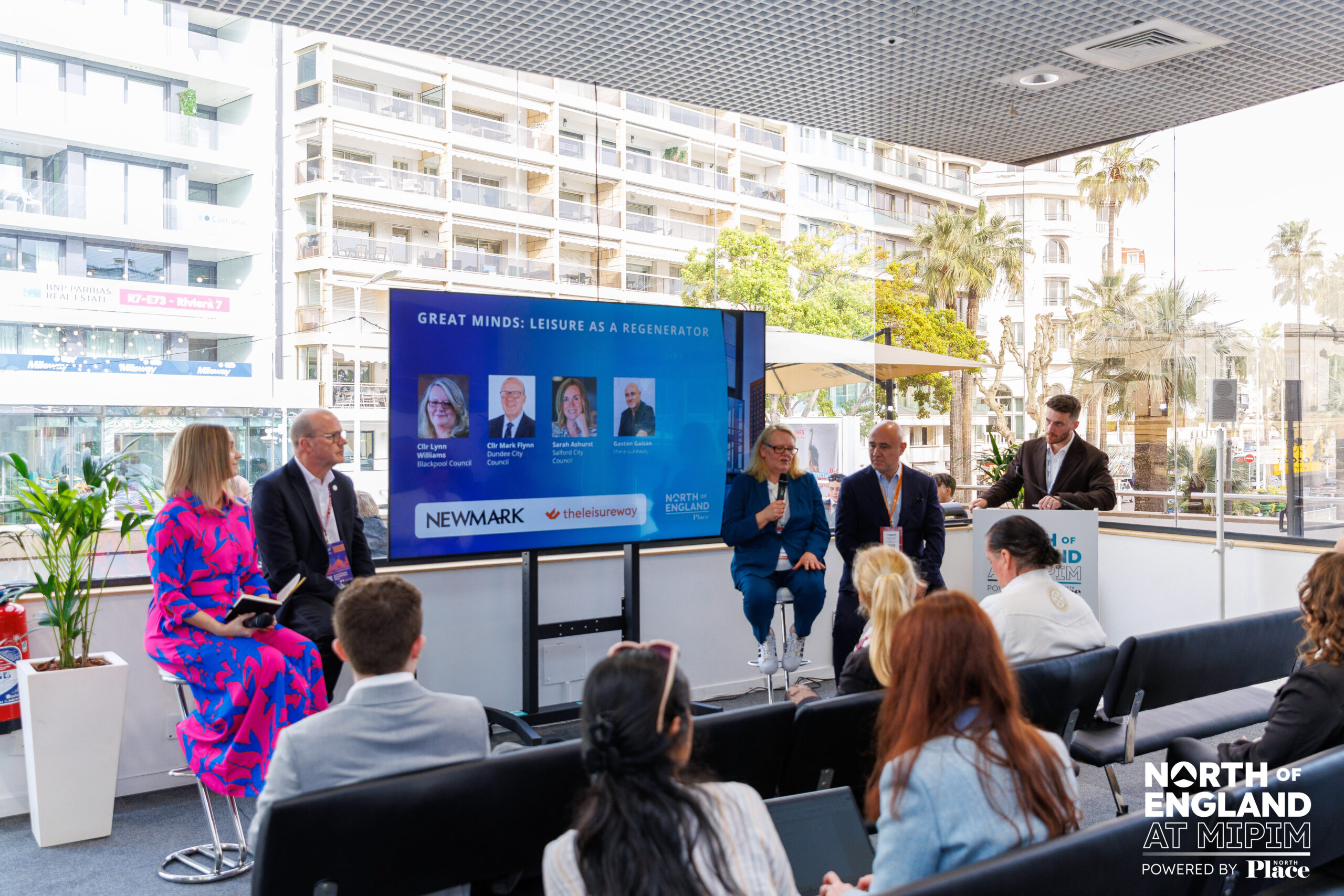
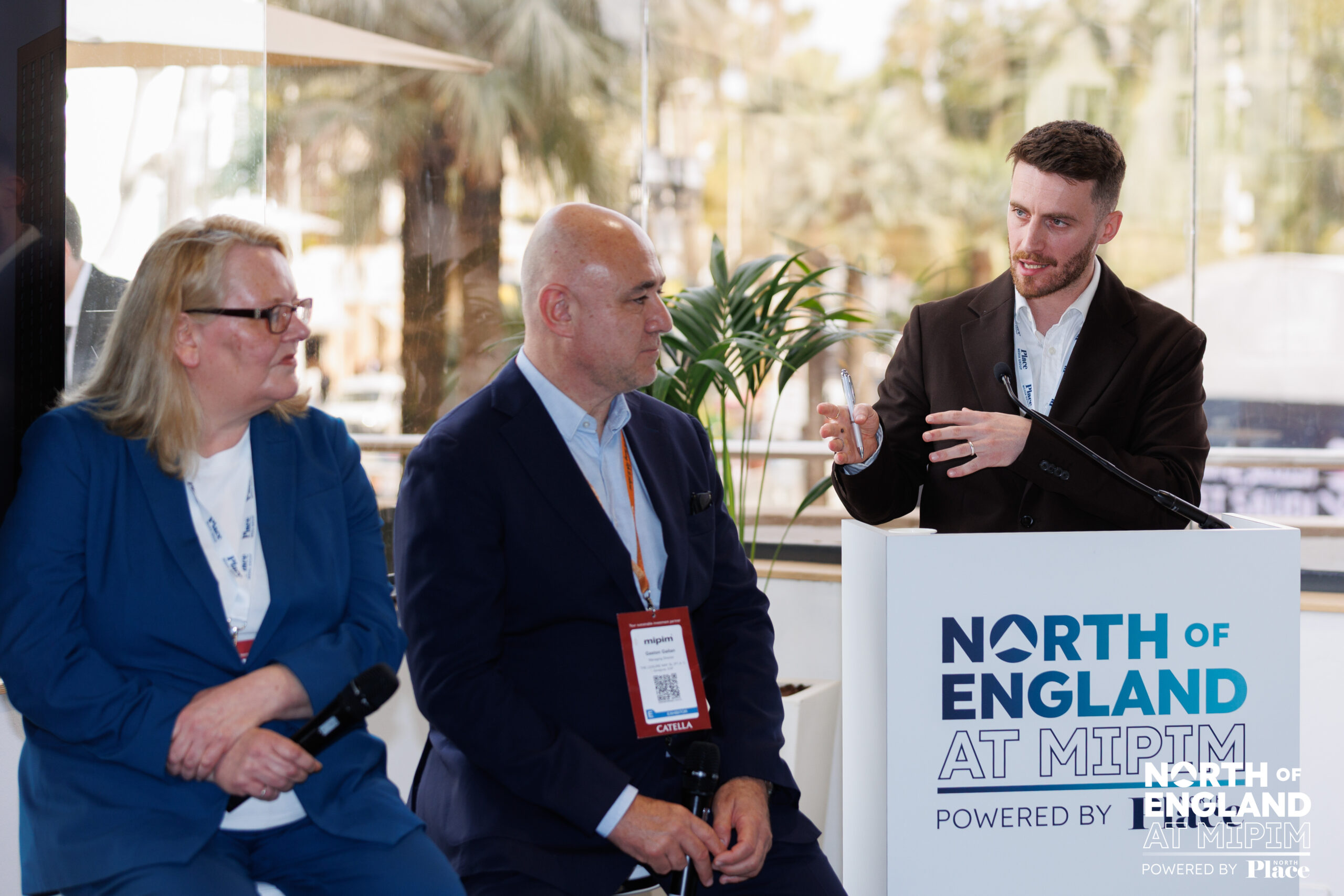
Across the discussion, speakers stressed that leisure-led regeneration has evolved far beyond building a single attraction or tourism venue.
For Gaitán, successful leisure-led regeneration begins with understanding people and place: “Leisure-led regeneration today is about connection,” he said. “If what we build doesn’t connect with the community, it won’t succeed.” He argued that the model of delivering a single visitor attraction and letting the market respond around it is outdated. Instead, projects must support everyday life and create spaces where people naturally gather.
“We have to create places where people are the architects of their own time,” he said. “Places where you can meet family or friends, where life happens.”
Blackpool’s next chapter
That philosophy underpins plans for the £300m Blackpool Central, a 10-acre regeneration scheme being developed on the former railway station site close to the Blackpool Tower.
Williams said the development is the next phase in the town’s long tradition of tourism innovation.
“Tourism is incredibly important to us – it employs around 23,000 people in Blackpool. But it’s also about belonging and pride of place. People here are proud of their town and want something iconic.”
Blackpool’s success, she added, has always been rooted in bold ideas. The Blackpool Illuminations, now world-famous, began with just six electric bulbs along the promenade: “Tourism has always been built on innovation here,” she said. “Someone once thought putting six bulbs on poles was a good idea – and 150 years later you can see it from space.”
The new scheme aims to complement the resort’s existing attractions rather than compete with them. “Blackpool already has more indoor attractions than anywhere outside London,” Williams said. “This is about adding another option and linking together the rest of the town.”
Dundee’s waterfront transformation
Leisure-led regeneration has also reshaped Dundee, where the city’s waterfront redevelopment has been anchored by the V&A Dundee design museum. Flynn said the project was central to redefining the city’s identity and visitor economy.
“We decided to regenerate our waterfront and needed something iconic at its heart. The V&A has now been open for around eight years and welcomed over two million visitors last year.”
However, he stressed that community engagement was critical to the project’s success: “There was a stigma that these kinds of developments weren’t for local people,” he said. “So we went into schools, churches and communities to break down those barriers and make sure people felt part of it.” Having the museum as a free attraction was also important, in terms of the inclusion it provides for the community wishing to enjoy it.
The wider regeneration has helped reposition Dundee internationally while strengthening civic pride. “We’re a ‘Goldilocks’ city – not too big, not too small,” Flynn said. “Our ambition is to give people reasons to stay longer and experience everything the city offers.”
Salford’s cultural catalyst
A similar approach can be seen in Salford, where the development of The Lowry more than two decades ago helped transform the derelict docks at Salford Quays. Sarah Ashurst described the arts venue as the catalyst that enabled the wider growth of MediaCity, now home to major broadcasters including BBC.
“People thought it was completely bonkers to build a cultural venue on derelict docks. But that bold vision is what brought the development to life.” The Lowry now attracts millions of visitors and generates significant economic activity: “It’s the most visited attraction in Greater Manchester and generates around £19m in visitor spend annually,” Ashurst said.
She argued that successful leisure-led regeneration depends on strong leadership and long-term commitment. “It’s about having bold ambition and the perseverance to see a vision through,” she said.
Connecting places and communities
Across all the projects discussed, speakers emphasised the importance of integrating leisure developments into wider urban strategies.
In Greater Manchester, for example, Salford is working with neighbouring authorities on a broader leisure and wellbeing corridor linking major destinations such as RHS Garden Bridgewater with new health and leisure facilities planned around Old Trafford.
“We don’t see these assets as competing,” Ashurst said. “They’re complementary. It’s about creating a joined-up offer for the whole region.” However, she noted that improving connections between these destinations, through walking, cycling and waterways, remains a significant challenge.
“We still need to get the infrastructure right so people can easily move between these places,” she said.
A holistic approach to regeneration
For Gaitán, projects such as those in Blackpool, Dundee, and Salford demonstrate the shift toward a broader approach to regeneration. Leisure developments, he argued, should act as both physical and emotional connectors within cities.
“Leisure-led regeneration connects streets and attractions, but it also connects memories and emotions,” he said. “If we listen to people and understand the place, we can create something that feels natural – something people will wonder why it wasn’t built 20 years earlier.”