Cash-strapped Halton could sell DCBL stadium
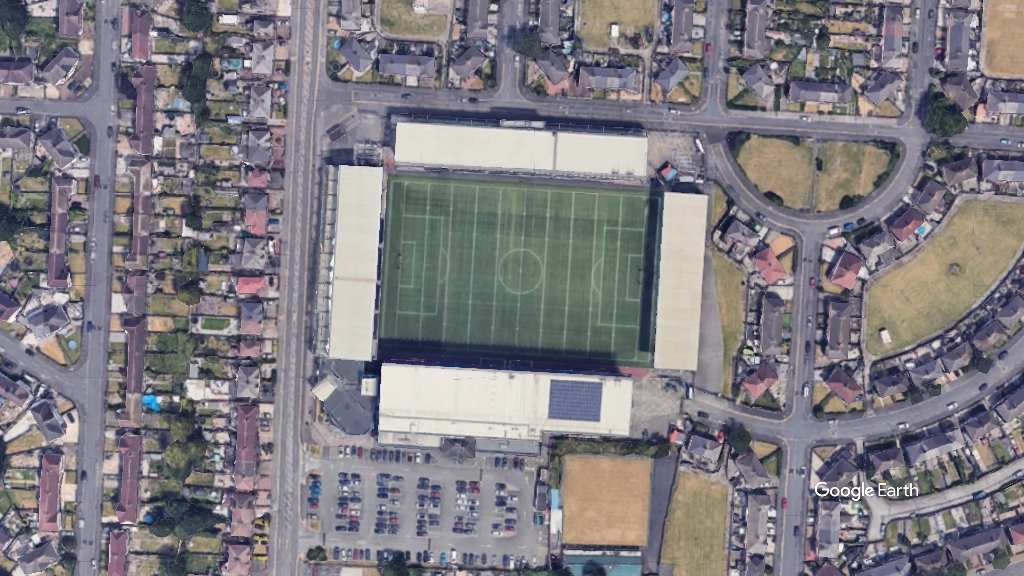
In the face of constrained finances, the council is mulling its options for the 13,200-capacity ground, which is publicly owned and home to Widnes Vikings.
Halton Council wants to commission a feasibility study to better understand its options for the DCBL stadium going forward.
Tender documents for the preliminary market engagement aimed at assessing interest for the opportunity to draft the study outlines the thinking behind the process.
“The council’s financial position requires the council to review its land and property assets, and the stadium is no exception,” the documents state.
“It is the right time to consider whether the current role of the stadium is ‘fit for purpose’ and there is a need to set out a long-term vision for the stadium.”
The council currently manages the Lower House Lane asset in-house and the feasibility study will look into whether this should continue going forward.
Among the possibilities is a disposal of the stadium. This would generate a capital receipt for the council, which was recently given a £35m government loan to balance its books.
Disposal is not the only option being considered.
Other options aside from disposal include appointing a third-party firm to run the stadium or creating a company a tri-partite company between third party tenants including Widnes Vikings, Widnes Town FC, and the council.
The study would help to map out where to channel resources over the coming decade in order to maximise the stadium’s offer if the council were to retain ownership.
The study also wants to get under the skin of how best to use the asset going forward. As well as being a sports venue, the event space is used for conferences and weddings.
Halton Council also occupies office space within the building. One option to be considered is whether the stadium could become the authority’s administrative headquarters. Earlier this year, the council announced plans to relocate many of its functions from the Municipal Building in Widnes, knock it down, and sell the site, in an effort to cut costs and raise revenue.
The stadium study will look at how to broaden the scope of uses for the stadium to increase revenue and answer the following questions:
- Does the stadium or should the stadium contribute to a wider visitor economy offer linked to the Liverpool City Region Events Strategy?
- Does the stadium focus primarily on a local community offer?
- Is it a headquarters for the council’s administrative base?
- Does the stadium form part of a wider town centre/Municipal Building/College regeneration impact area?
- Is it primarily a venue which hosts the Vikings Rugby League Club?
A council spokesperson said: “The stadium is a much-loved and valued asset, but it is worth considering whether it is reaching its full potential, hence the need to set out a long-term plan which plays to its strengths and maximises potential opportunities.”
The council has owned the stadium outright for more than 25 years, having bought the rugby club out of its JV at the turn of the century.