



OPINION | Burnham has his party purring, but sterner tests await
What a difference a year makes. This time 12 months ago, Andy Burnham was lurking in the shadows at the Labour Party Conference, the spectre at Keir Starmer’s feast.
The mood among MPs then was downbeat, and no amount of novelty red caps could mask the dwindling popularity of the government and its hapless leader following a landslide election victory a little over a year earlier.
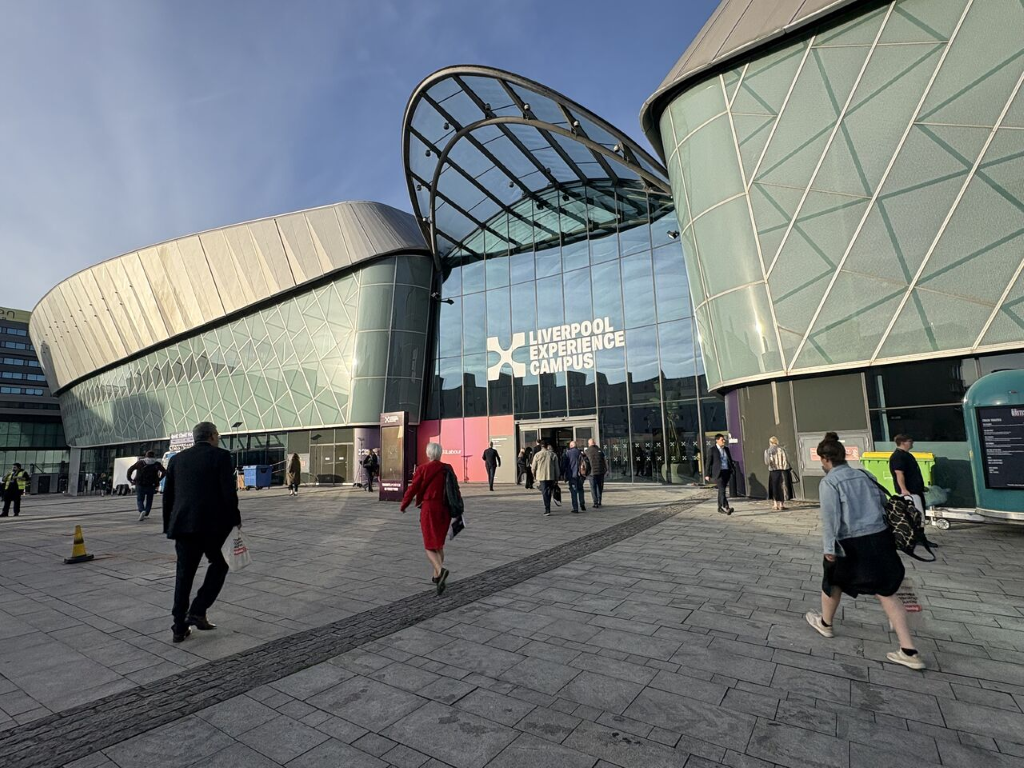
At the 2026 edition of the conference in Liverpool, Burnham emerged from the shadows. He is no longer the sideshow but the main event. Across the conference there was a sense – more than perceptible but not quite palpable – that the party was back on track.
“This is the conference I wanted us to have after we won the election,” said business secretary Jonathan Reynolds, who, when addressing a room full of industry leaders at a reception at EY’s offices on Monday night, described himself as “Britain’s happiest cabinet minister”.
That Burnham’s cabinet is a cheerier bunch than Starmer’s is undoubted. And the positivity and energy the Prime Minister has injected into his party since his assent to power in July was clear for all to see at conference.
AI minister Kanishka Narayan was emblematic of the enthusiasm Burnham has instilled. The nearly 70 speaking engagements he notched up in the space of three days spoke to both the extent to which AI dominated discussion at this year’s conference and Narayan’s indefatigability.
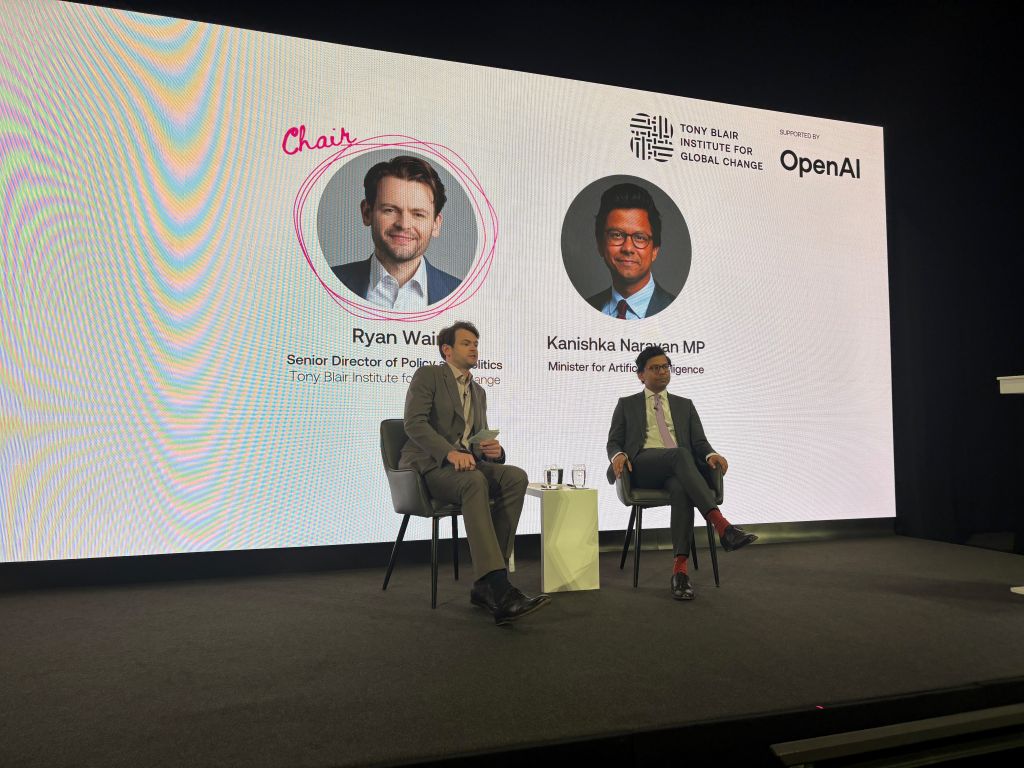
Kanishka Narayan, right, was in high demand this week. Credit: PNW
MPs of all levels of seniority were on message, the word ‘hope’ screaming at them from huge red banners and never far from their lips. And there was plenty of policy meat to be hopeful about. Namely, the plan to bring maligned rail operator Avanti North West under public control, removing VAT from energy bills, creating a new instrument to first-time buyers, and reiterating a vision of the largest council house building programme since the post-war era.
In his speech on Tuesday, Burnham said he is willing to deploy his political capital to “rip the plaster off” and tackle difficult issues head on. In this vein, he has committed to overhauling the country’s electoral system and scrapping the triple lock on pensions to fund a new National Care Service.
It was not just his cabinet who were buoyant in Liverpool this week. Burnham’s former mayoral colleagues, who are primed to become even more influential over the coming years as devolution deepens, were positively cock-a-hoop.
Steve Rotheram, Mayor of the Liverpool City Region, said the experience of dealing with a Burnham government, compared to the one that had gone before it, was “night and day”, a sentiment shared across the board.
While devolution – arguably the key theme of Burnham’s 10-week tenure – is “not a panacea”, Rotheram said he had renewed confidence in his area’s prospects, citing reforms to the Treasury’s Green Book approach could open the door for a long-touted Mersey Tidal barrage and new powers to introduce a tourist tax that would put the rocket boosters under Liverpool’s £7bn visitor economy.
The optimism among the mayors was summed up by Kim McGuinness, Mayor of the North East.
“We want a Northern Olympics, we want every child growing up in the North to have access to opportunities, we want to bring billions of pounds of investment into the regions,” she said.
“Every single one of those things is completely doable.”
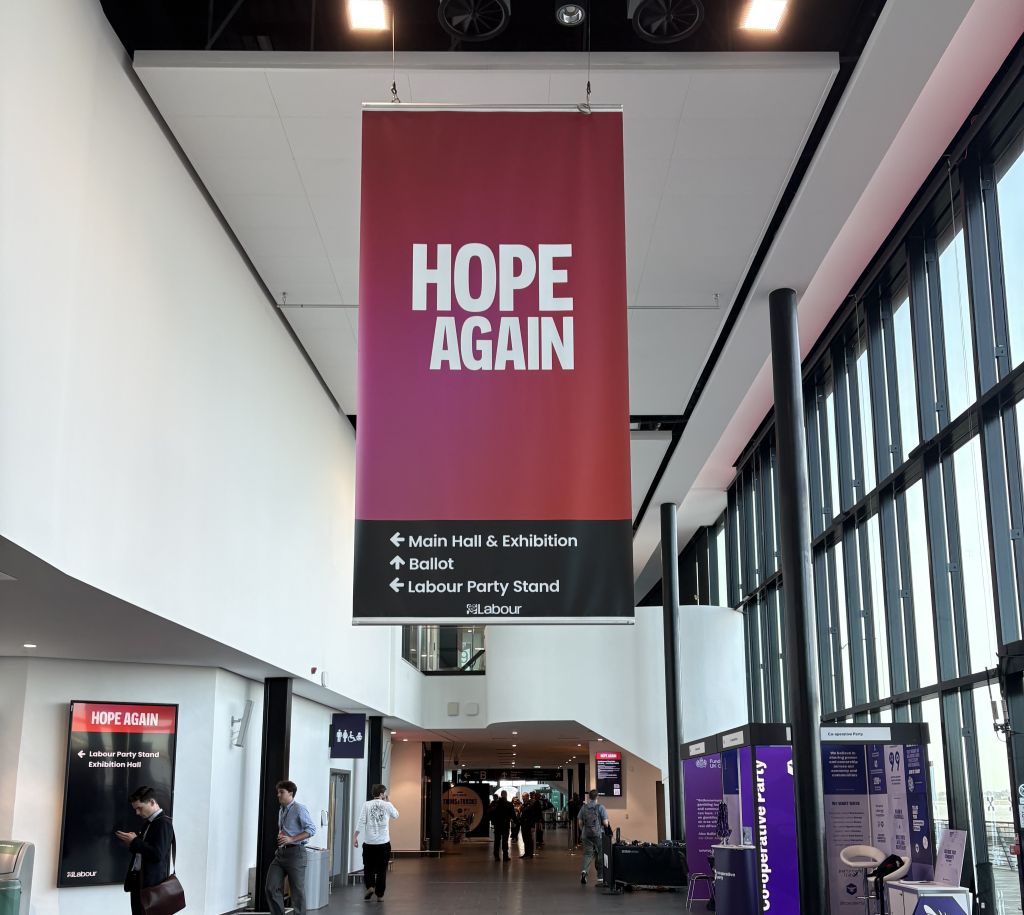
Burnham has instilled a sense of hope. Credit: PNW
For all of the positivity and hope, there was also a sense of unease at the Liverpool Experience Campus that the good vibes generated this week may ultimately only prove to be part of the Burnham bounce.
Outside the conference bubble, reality continues to bite. On Wednesday morning, news that approvals for new homes had dropped to a 14-year low provided a reality check as to the challenges facing this particular market.
Labour had been priming the country for a difficult autumn budget even before Chancellor John Healey rammed home the need for fiscal discipline in his speech on Monday.
Despite warm words for business from both Burnham and Healey, many are predicting tax rises rather than cuts in a few weeks.
Calls at the conference from Ken O’Toole, chief executive of Manchester Airports Group, for reform of business rates – which for his company have risen £40m in the last seven years – look likely to go unanswered.
The Prime Minister has brought his party back on track over the last couple of months and seemingly navigated his first party conference as leader without spooking the markets. But sterner tests – including the budget at the end of October and the local elections in May – await.
Burnham will be acutely aware that, in today’s political maelstrom, any one of them could be his downfall.
For now, the sense of hope he has successfully created, albeit fragile, provides a foundation to build on that few of his predecessors over the last 10 years has enjoyed.