



Grosvenor ready to invest £100m into ‘curated communities’ model
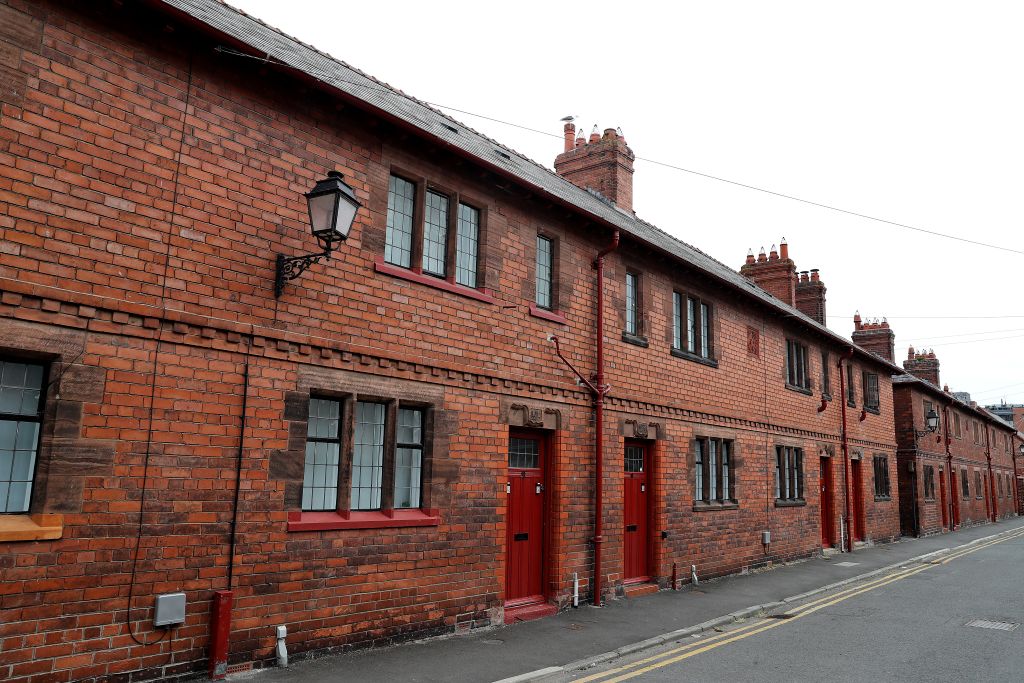
The Duke of Westminster’s social enterprise is aiming to emulate the success of its 29-home Chester pilot with another 750 homes across the North West. The pilot has seen vulnerable people housed within carefully structured communities alongside supportive neighbours in a bid to help them get on in life.
Established in 2023, Grosvenor Hart Homes is a for-profit registered provider whose purpose is to support vulnerable children, young people, and their families by providing safe and stable accommodation and a platform for overcoming financial and health barriers.
For the last two and a half years, Hart Homes has been aiming to prove the concept with a scheme in Chester.
How does it work?
Tenants within the development come from one of three groups: people such as care leavers in need of “transformational support”, people on the housing waiting list, and private market renters.
The individuals from the first group – the priority group – are selected in collaboration with local authorities and other agencies – such as the police and children’s services – with the idea of creating a balanced community.
A third of residents come from each of the three groups.
Private market renters within the scheme are offered a “small discount” on rent in exchange for helping their vulnerable neighbours by providing financial advice, sharing language skills, or putting on cooking classes.
Private market renters are provided with opportunities to make good on what Hart Homes deputy chief executive Karl Dean calls their “community commitments”.
“We want the people we’re trying to deliver the transformative support for to build relationships with people they might not necessarily have come across in their lives,” he explained.
The benefits
The benefits for the priority group are clear and in Chester the system has paid dividends. Six out of seven care leavers housed in the development are now in work having been unemployed when they arrived.
However, Dean admits he did not foresee the benefits flowing the other way as much as they have.
“We probably underestimated the power of community,” he said.
“Our market rent tenants and our general needs tenants are telling us that their wellbeing has been enhanced because they’ve got an opportunity to directly contribute.”
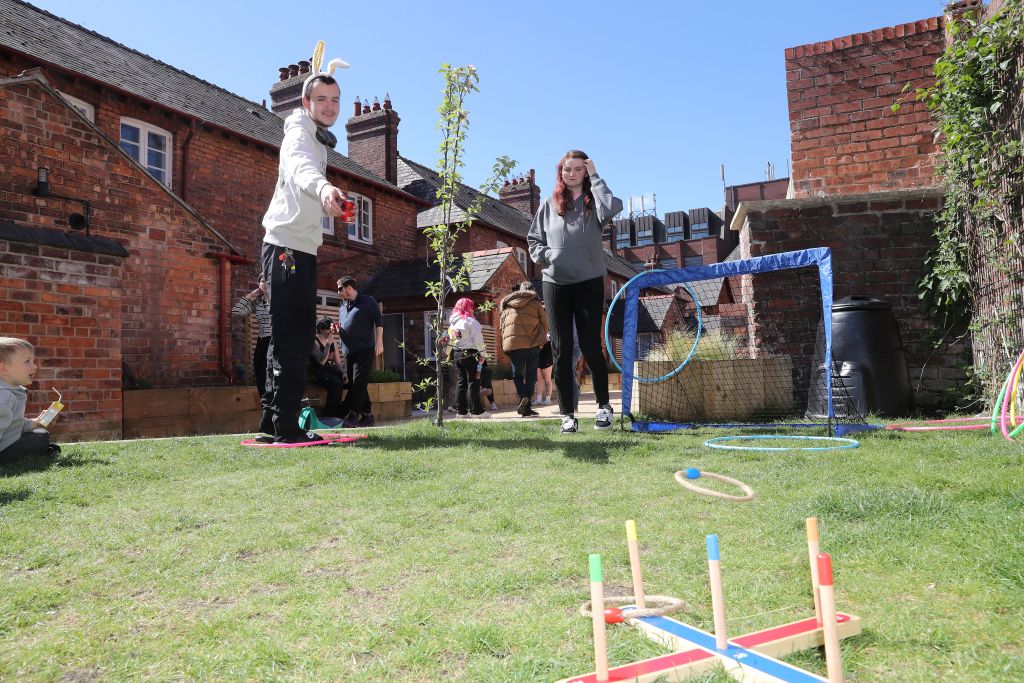
Private market renters are encouraged to support their neighbours. Credit: via Grosvenor
Renting a home next door to people who live with certain difficulties will not be for everyone.
The idea that a landlord could have significant hand in who ends up living next door to you – and that that person may have had a troubled upbringing – may not sit well with some.
Dean claims community balance is at the forefront of Hart Homes decision-making.
“It is different and it is not without its issues. [But] it’s a partnership approach. We have housing, we have children’s services, we have the police, and we collectively make those decisions.”
Saving the taxpayer
By carefully crafting a neighbourhood, working hard to ensure the residents within it gel, giving people a chance to do the right thing, all while providing on-site support staff for people who need it, Hart Homes claims it can improve lives and save the taxpayer millions.
The Chester scheme alone is estimated to have saved £2.3m to date across various public sector departments including £1m for children’s services and more than £100,000 for the police, according to a study on the scheme carried out by consultancy Sonnet.
The report also estimates that £756,000 of productivity gains have been secured as a result of the six care leavers finding jobs.
One resident, George, told Hart Homes that he believes he would have been driven to take his own life if he hadn’t been placed within the community, according to Sonnet’s research.
Scaling up
Hart Homes is now seeking to scale up its model significantly, earmarking £100m to deliver 750 homes across the North West over the coming years.
That investment could support 2,000 children and save the taxpayer £100m, Hart Homes claims.
Hart Homes is looking to partner with local authorities, registered providers, and developers to acquire new-build properties on sites of between 30 and 100 units, with a particular focus on Cheshire and Merseyside.
Any profits – Grosvenor looks for 4% returns on property investments – would be reinvested back into the Hart Homes business, Dean said.
Scaling up what Dean concedes is a more “resource intensive” model than a typical registered provider is not going to be quick or easy.
However, he believes the pay-off is worth it.
“We’ve seen what works, and what works is having these long-term relationships with tenants, taking a trauma-informed approach and just showing people there’s a there’s a great way to contribute.
“We live in very divisive times,” Dean added. “This is about bringing communities together, not dividing them.”

cool. how encouraging to hear of people trying something positive, all the best to them.
By Anonymous
A very noble gesture from an organisation that decimated Chester City centre through the development of Liverpool One.
By Cestrian
Commendable scheme. More like this needed.
By Bob
A very puffy piece I must say. Maybe worth mentioning the £9bn inheritance the Duke of Westminster paid zero tax on. Very easy to be a philanthropist when you have that kind of inherited wealth.
By Almoravid
Why are Grosvenor never active in Greater Manchester ?
By Anonymous
This is an excellent scheme and it’s good to see it publicised – it’s almost the complete opposite of the council approach of “pepper pot HMOs full of junkies” throughout Chester, and it turns out that the active-management approach works. Good for them.
By John Smith