



UK rail going in right direction but needs bigger push
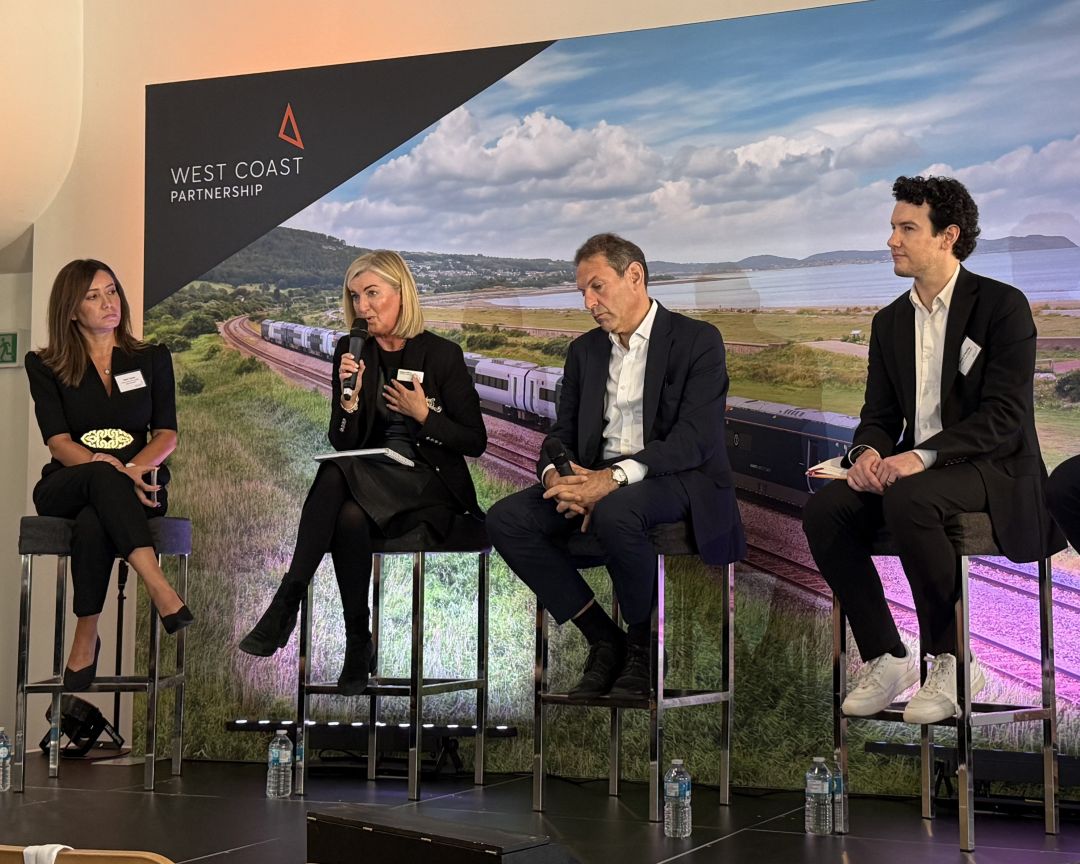
Avanti West Coast managing director Andy Mellors said he was optimistic about improving services but that the West Coast Mainline route remains “characterised by challenges”.
Mellors was speaking at the West Coast Partnership meet-up in Birmingham on Monday, where rail bosses assessed their performance over the past year. Avanti reported that its services had generated more than £41bn GVA to the UK economy each year, creating £14bn in yearly tax revenue.
According to Mellors, revenues are returning, passenger numbers are rising, and freight services are up, but some key hurdles persist.
Punctuality ‘still a challenge’
Avanti’s own statistics show that over the last year, 87% of its services arrived within 15 minutes of schedule.
At least 21% of delays are attributed to Avanti, while Network Rail is responsible for 63%, and other operators are responsible for the remaining 16%.
Delays of even a few minutes can cause connecting trains to be missed and lead to overcrowded services.
Steve Hopkinson, operations director for Network Rail West Coast South, said: “Punctuality is still a challenge.
“We know that one train can bring down the whole line for almost a day, so we need to get on top of that.”
The number of services increased from 285 in December 2024 to 324 in May 2026.
During the same period, the total number of drivers rose 20% to 694.
With a recent £500m investment, the company’s core Pendolino fleet has had a £117m makeover, while 10 fully electric and 13 bi-mode Evero trains were deployed at a cost of £350m.
In the future, Avanti will look to embrace new technologies by employing artificial intelligence for enhanced weather forecasting and improved flood response. This will cut delays further, those attending the conference were told.
Private investment push
To encourage further investment in the network, Vernon Everitt, transport commissioner at the Greater Manchester Combined Authority and Chair of Transport for Wales, said partners need to be “more creative” when presenting business cases to investors.
The benefits of investment should be considered over time rather than as a single multi-billion-pound package.
Everitt stated that by thinking differently about funding, the West Coast Partnership may have more luck getting the cash it needs.
The example of London’s £19bn Elizabeth Line demonstrates that longer-term thinking on investment returns can create more wriggle room for investors, who will reap rewards from their pledges years after construction is completed.
Everitt added: “Rail is just one part of the story.
“So much [investment in rail] is talked down, people in the Treasury don’t want to sign off the cheque, but we need to talk it up”.
With an overarching business case and visionary proposal that considers the wider national socio-economic impact of rail development, funding is likely to flow faster and easier, he argued.
The role of the regions
Craig Wakeman, head of HS2 and strategic partnerships at Transport for West Midlands, insisted that political support for rail projects and surrounding development is “paramount”.
As a result of “hugely important” devolution, mayors can now establish regional political priority, which can then be pitched more effectively to government.
Gareth Snell, MP for Stoke-on-Trent Central, said Stoke could “lose out” on transport investment due to its lack of a combined authority and mayor.
Everitt added: “Mayors establish a single point of political accountability.”
He pointed to the success of the Greater Manchester Combined Authority at integrating rail, tram, and bus networks and winning funding from the government.
Everitt praised Stockport Interchange, the recently developed hub for a range of transport services, as an exemplar project in the North.
“Success looks like a load of Stockports”, Everitt said.
Increased services from London to Liverpool is to be welcomed.
By Carl
While I agree with Mr Everitt on Stockport. Ultimate success, though, is public transport being significantly more affordable and quicker than driving.
At the moment to drive from my house in south GM to a best mates in south London. I would prefer to go via train but:
Driving: cost is about £50, takes about 3.5 hours and I have total freedom to go whenever I want. I can also take another 4 people for the same price.
Trains: costs anywhere between £100-£300,I have to book 3 months in advance so I dont get shafted on price. I dread to think how much a whole family would cost. It takes about 4 hours, there are only specific time I can go. And that’s if there are no strikes/delays/works.
By Anonymous
We need far more investment in local services, such as expanding Merseyrail with new lines and stations, making existing journeys faster, such as the Chester to Manchester train by Northern is about an hour, when this should be no more 35 minutes. Separate freight from passenger trains to free up capacity.
By GetItBuilt!
Success does not look like a load of Stockports – its an already-affluent area and most of what you see has been publicly-funded and won’t ultimately pay for itself
By The model aint working
I tried to book a return ticket from Manchester to London for October, in advance. The cheapest was £175. I booked a ticket from Naples to Rome for 11 Euros return on a recent holiday . On what planet is this service going in the right direction? Could someone tell me where that revenue is going? If it is going into the Treasury, then that is another tax, working people are paying surreptitiously. Privatisation clearly fails at all levels, when it comes to transport.
By Elephant
… get it back on the table!
By Cos we need HS2...