


Commentary
Shaping the future of Cheshire and Warrington
Armed with a £650m commitment from national government, the combined authority is launching an independent economic review to outline the power and potential of the region – and plot out a course for its future.
A £37.7bn economy, a million residents, 41,000 businesses – the evidence of Cheshire and Warrington’s success already is clear. But the combined authority has bigger plans for the region than just being satisfied with the status quo. It wants to grow.
The independent economic review will tap into the region’s existing strengths in manufacturing, tourism, agriculture, life sciences, and energy generation. It will map out opportunities for growth and investment that can make a real difference.
From there, the combined authority and future mayor can make informed decisions about what projects to pursue to maximise impact.
Being grounded in fact is critical to how interim chief executive Nick Walkley sees the Cheshire and Warrington Combined Authority operating.
“I’d like us to be an organisation of substance rather than just statement,” Walkley said.
Walkley has decades of experience in development on both sides of the public and private sector aisle, having previously been the chief executive of Homes England and the UK president of Avison Young. Those experiences have shaped his ambitions for the combined authority.
“What I’ve learned working in the private sector as well as Homes England is the statements in the project briefs are easy, but they do not an investment proposal make,” he said.
“I’d like us to be known for having that detail, that sense of knowing ourselves, and that sense of real purpose about what we do.”
The independent economic review has a double purpose. Not only does it provide the evidence base from which a mayor can set an agenda for growth, but it also starts the dialogue between public and private sector on the region’s future.
“The very act of doing this brings partners and organisations together for a robust conversation about what’s possible,” Walkley said. “That conversation forms the basis for future partnerships and future opportunities in itself.”
A dry economic exercise is not what the independent economic review is about. Walkley wants the study to root itself in place and people. It needs to be something that the combined authority and its partners can engage with. It will fuel the conversations of the region for years to come.
It is exactly the kind of work that a combined authority should do, he said. The independent economic review allows the Cheshire and Warrington Combined Authority to move past just having a seat at the table – a devolution achievement worthy of commendation – to focus on why that seat is so important and how to make the most of the opportunity.
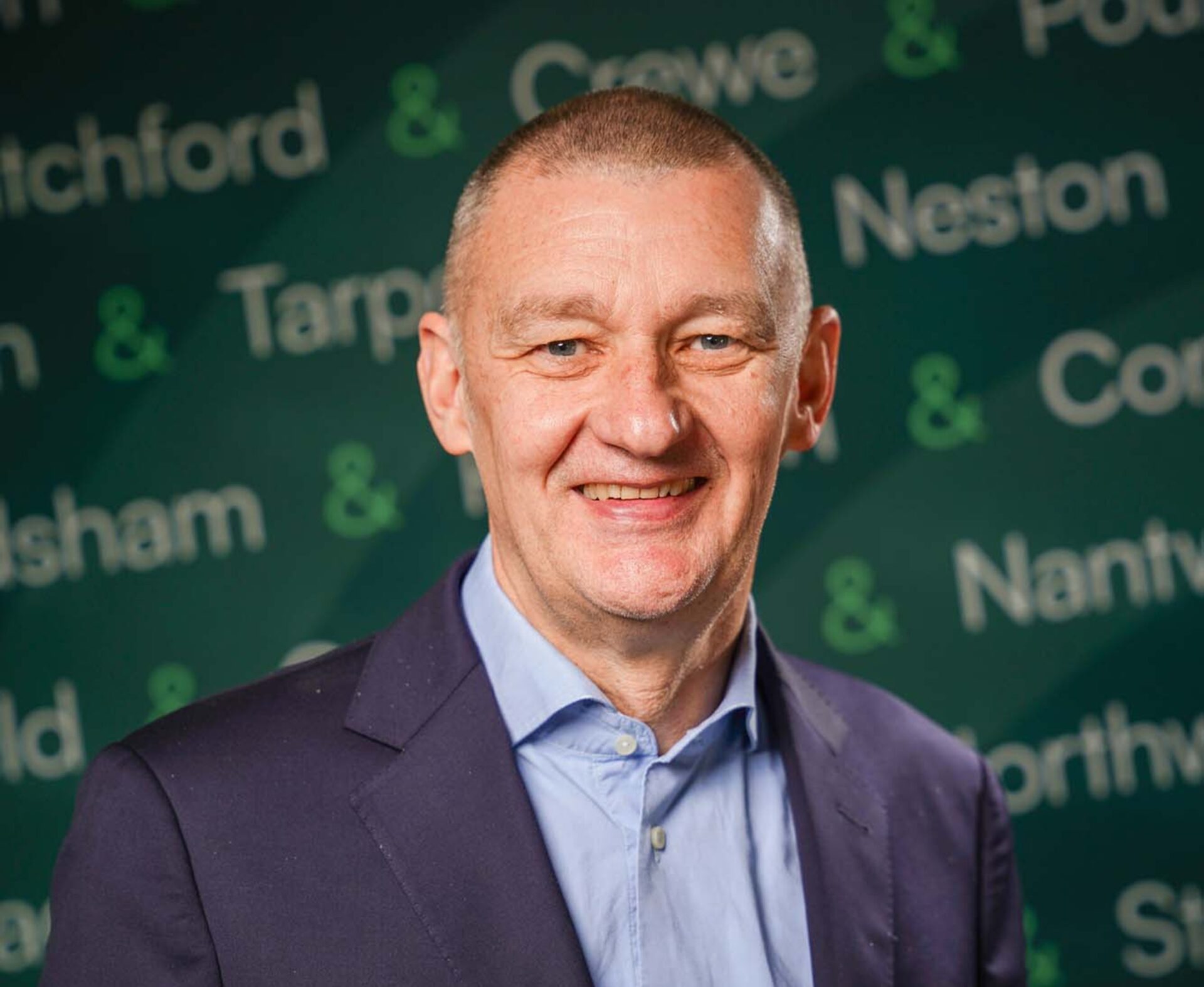
Nick Walkley on Cheshire and Warrington Combined Authority: ‘I’d like us to be an organisation of substance rather than just statement.’ Credit: via Social
Reinventing devolution
Manchester, Birmingham, Liverpool, London – it was cities that defined the first wave of devolution.
Cheshire and Warrington is not trying to replicate what has been done before.
“Part of the attraction of this job is for too long the devolution narrative and economic narrative has been focused on city-based agglomeration,” Walkley said.
“The economic evidence points far more to really successful economies having corridors of growth and multi-nodal points of growth that are well connected rather than just city centres,” he continued.
“If you think about Cheshire in those terms, the amazing connectivity north-south because of the West Coast Main Line and the motorways – and east-west, particularly with the M62 and now Northern Powerhouse Rail – it affords us an enormous opportunity to re-emphasize economic growth.”
With a focus on economic corridors and the rural economy, the combined authority is embracing its many different residents – from the dairy farmers of Malpas to the biopharmaceutical experts of Alderley Edge, the hospitality workers of Chester to the car manufacturers in Ellesmere Port, the nuclear engineers of Warrington to the railway workers of Crewe. The combined authority only works if it represents all of them.
Walkley acknowledges residents’ scepticism that the combined authority will move its focus beyond Crewe, Warrington, and Chester.
“Let’s be absolutely clear, many of those communities have been left behind,” he said.
“That’s not a product of the combined authority, that’s a product of successive policies that have purely thought about agglomeration in cities as well as real challenges around public transport, accessibility to education, broadband – all of those things that we would expect to be the norm are simply not for large parts of the rural community.”
The combined authority provides opportunity to address that, to improve infrastructure and public transport with strategic policies that look at the region, rather than an individual place.
This is part of the mission of the combined authority – and the similar combined authorities in North Yorkshire and York and the North East, according to Walkley.
“It is our responsibility and our job to re-emphasise the importance of rural economics,” he said.
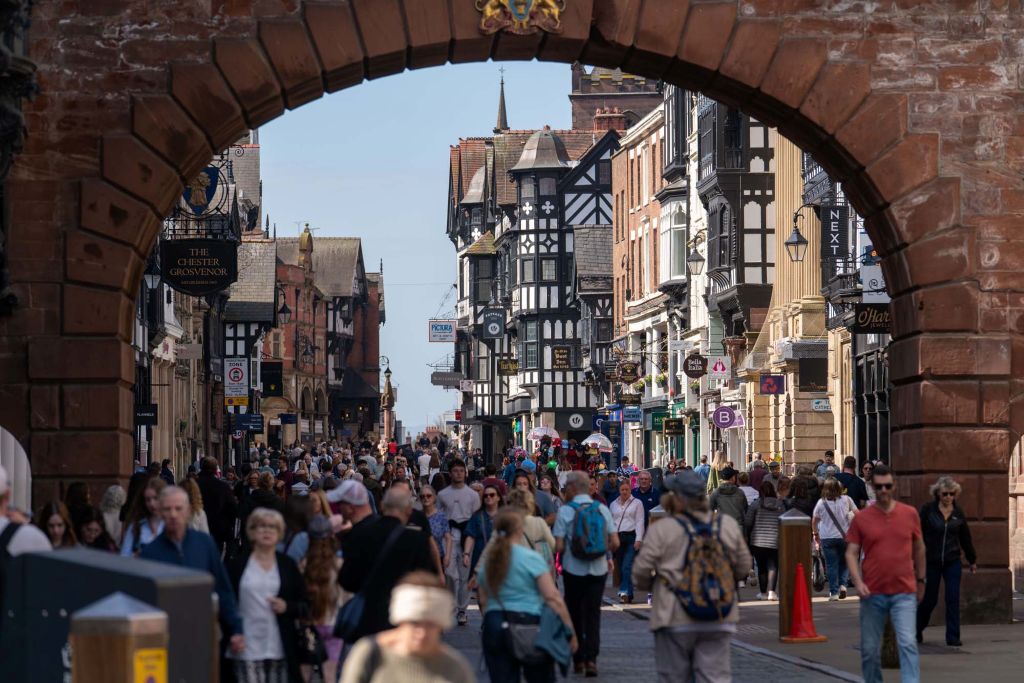
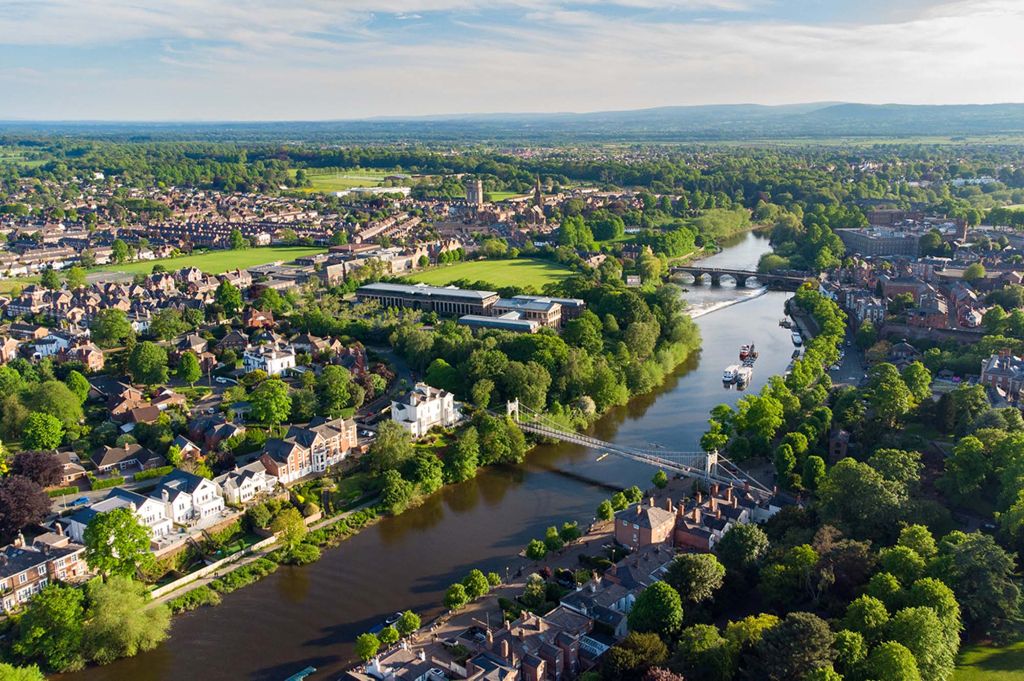
Chester brings in tourists from around the world. Credit: via Cheshire and Warrington Combined Authority
A global player
The independent economic review will paint that varied picture of Cheshire and Warrington – rural and urban, historic and new.
It will also help make the case for Cheshire and Warrington on the national and world stage.
“Ukraine, Iran, and global instability have forced us to think again both nationally and internationally about supply chains, about resilience,” Walkley said. “Many of the things that you need to be a resilient economy are in Cheshire.”
That includes not just food and drink, but fuel, power, and the components that make up the machines that run our everyday life – including cars, laptops, and mobile phones.
It is already the home to global brands. The region just has not shouted about it as much as it could have.
“Every Bentley in the world is made in Crewe,” Walkley said. “There are globally influential designers, engineers, and advanced manufacturing experts sat in an amazingly large site on the outskirts of Crewe manufacturing these iconic vehicles. It’s just an incredible organisation.
“Why are we not celebrating that? Why are we not really understanding the opportunity it affords to, quite literally, generations of people who live in and the North West.”
That is just one example. To make the case for foreign direct investment, all you need to do is point to the calibre of companies already investing in the region: Essar, Tata Chemicals, Stellantis, Astra Zeneca, Siemens, Rolls Royce SMR, Waters Corporation.
And let us not forget the appeal of the historic city of Chester.
“Chester looks like what England is supposed to look like,” Walkley said. “It looks like a picture book of England. We should be celebrating that as a major visitor and tourist destination and also as a really important asset.”
The city also has a vibrant indie scene, with a host of live music and theatrical venues – including Storyhouse, Telford’s Warehouse, and The Live Rooms – as well as unique boutique stores, coffee shops, and restaurants.
For the property world, Walkley points to the brownfield regeneration opportunities in Crewe, Warrington, and many Cheshire towns. These are “incredibly connected places that can deliver across all tenures,” Walkley said.
There is also, of course, considerable opportunities around housing. The combined authority will use the process of crafting its spatial development strategy to have a pro-active and thoughtful conversation about development, who it is for, and where it needs to be, according to Walkley.
What is more, game-changing investment is coming. Warrington Bank Quay and Origin in Ellesmere Port are just two projects in play that will leverage the unique connectivity the region offers – including easy access to the freeports at Holyhead and Liverpool, Manchester International Airport, and beyond.
Development and investment opportunities will dominate discussions at the Cheshire and Warrington Combined Authority Launch Conference on 26 June. It is an event for those curious about what the combined authority can offer, those committed to the region’s success, and those eager to help shape the region’s future. Join the waitlist.