New Lancashire government structure unveiled
The county will go from having 15 councils to four unitary authorities, pending Parliamentary approval.
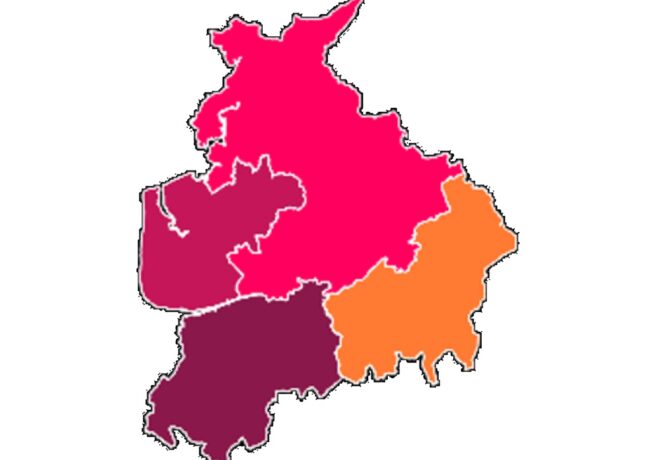
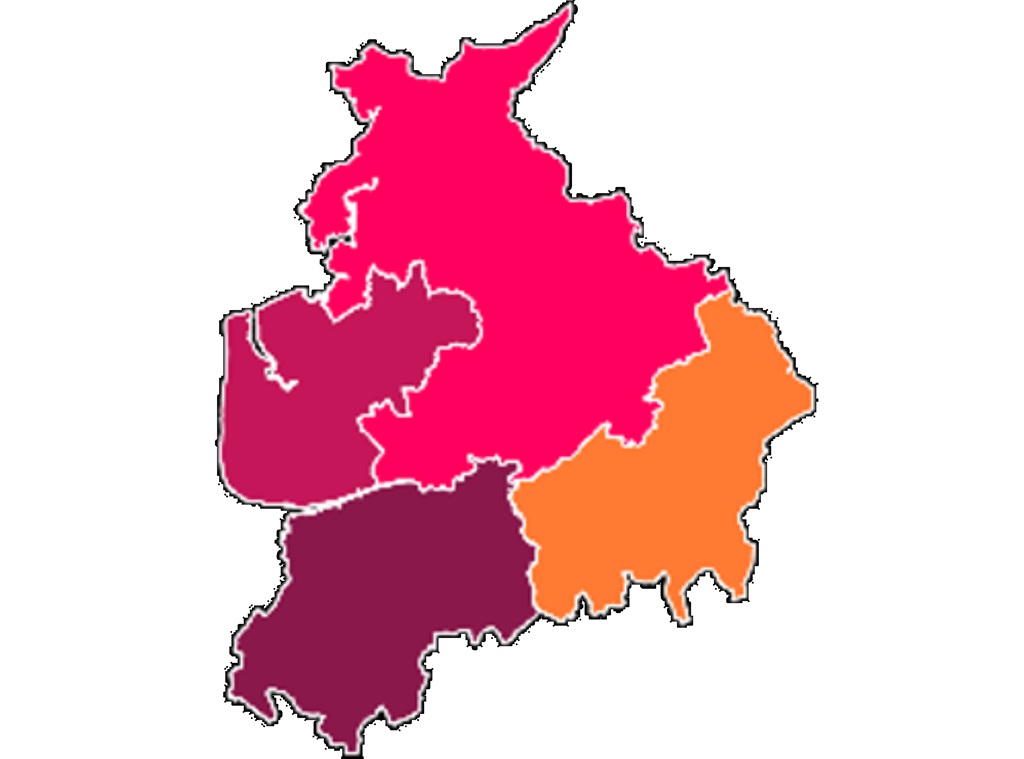
Under the Ministry for Housing, Communities, and Local Government’s proposals announced today, the county will be divided into North, West, East, and South authorities.
- North Lancashire will include the area currently controlled by Lancaster City, Preston City, and Ribble Valley councils.
- West Lancashire will replace Fylde, Wyre, and Blackpool councils.
- East Lancashire will be made up of the area under the authority of Blackburn with Darwen, Burnley, Hyndburn, Pendle, and Rossendale councils.
- South Lancashire will replace Chorley, South Ribble, and West Lancashire councils.
Elections for these shadow authorities would take place in May 2027 with the new councils going live on 1 April 2028. Until then, all 15 councils in Lancashire will continue to operate as usual.
The reorganisation option chosen by MHCLG was favoured by the most Lancashire authorities, with Chorley, Lancaster, Preston, Ribble Valley, South Ribble, and West Lancashire backing it.
A spokesperson for the county’s local government reorganisation board of chief executives called the announcement an “important milestone for Lancashire”.
“No matter how we are reshaped, our priority remains unchanged – to continue delivering high-quality services while we work together across Lancashire to plan the next steps,” they said.
“There is strong collaboration already in place. By working together, we have a real opportunity to create something positive for our residents, communities and workforce. This is a long-term change, and there is time to ensure the transition is carefully managed.”
The local government reorganisation is part of a national initiative to streamline council services, with 134 councils being reduced to 38 unitary authorities.
Secretary of state Steve Reed said: “These reforms create stronger, more efficient councils that lay the foundations for real devolution and the economic growth that will bring new jobs and opportunities to communities right across England.”
‘Amazing new opportunities’
Preston City Council Leader Cllr Matthew Brown welcomed the news.
“We look forward to working with our new unitary partners, sharing more services and ambitions, and particularly in progressing the work that Preston has undertaken on Community Wealth Building, ensuring that this becomes a core design principle in the new authority,” he said.
“We will be advocating for a formal community wealth building strategy linked explicitly to child poverty reduction as well as shared anti-poverty and inclusive economy objectives across economic development, housing and public health,” Brown continued.
“The new unitary council will boast excellent transport connectivity across a network of vibrant communities, including two economically thriving pioneering cities, stunning coastlines and countryside, internationally renowned universities and educational institutions, and an abundance of areas of outstanding natural beauty and historical significance.
“We cannot underestimate how big this change is for us all, and it will take time and careful management, but it will bring with it some amazing new opportunities for growth and prosperity across the county.”
‘Serious concerns’
Lancashire County Council Leader Cllr Stephen Atkinson maintained his opposition to the reorganisation.
“This is not a small administrative change,” he said. “It involves abolishing existing councils, creating new organisations, restructuring services and asking staff to deliver major reform while continuing to provide the services residents rely on every day.”
Atkinson added later: “I also have serious concerns about the scale and complexity of delivering such a significant reorganisation. Bringing together 15 councils and creating four new authorities will be an unprecedented undertaking, requiring major changes to systems, services and staffing while maintaining day-to-day operations.
“There are important questions around affordability, delivery and the ability to make such extensive changes within the proposed timescales,” he continued.
“However, the government has now made its decision and we alongside our fellow councils must deal with the reality in front of us.
“Lancashire County Council will work constructively with partners to ensure any transition is managed responsibly and in the best interests of residents.”
What do you make of the future Lancashire? Let us know in the comments and be sure to attend our Lancashire Development Update in 2027.