



Treasury announces £1.7bn for Northern cities
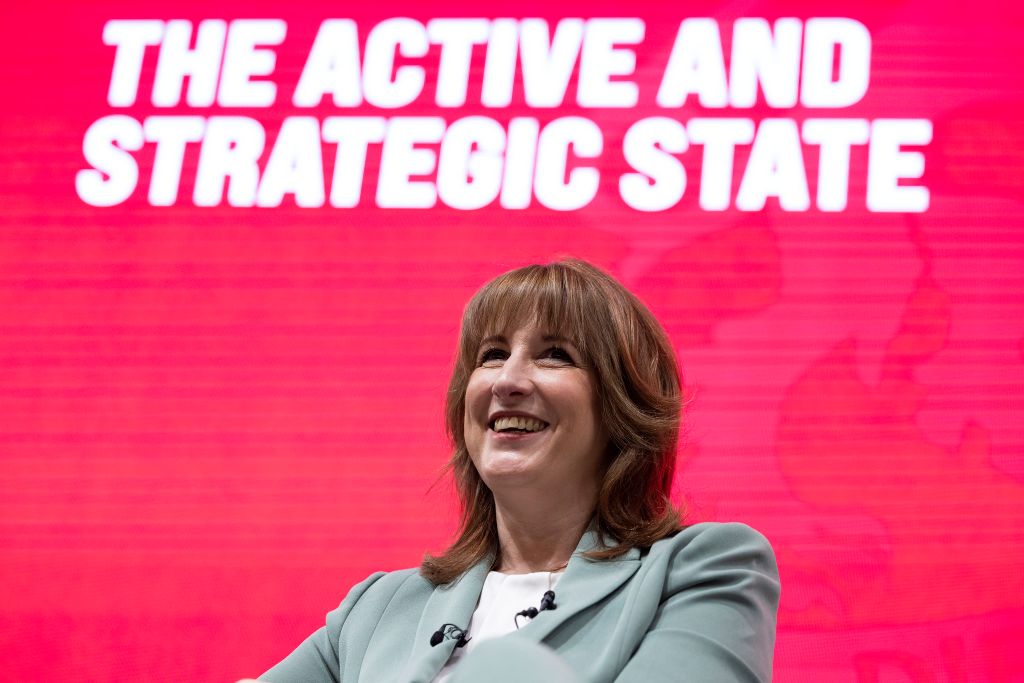
City Investment Funds were just the start of chancellor Rachel Reeves’ announcements on Tuesday for reshaping the Northern economy – she also teased additional fiscal devolution measures that would provide mayors with control of some of the national tax income.
“The North of England has waited for far too long, for a government that matches warm words with concerted ambition,” Reeves said during her annual Mais lecture at Bayes Business School.
City Investment Funds
A mixture of grant, loan, and patient capital funding, the £2.3bn City Investment Funds will be given out to the mayors of Liverpool City Region, Greater Manchester, West Yorkshire, South Yorkshire, the North East, and West Midlands.
The money is geared towards addressing viability challenges surrounding regeneration, housing, and transport-linked projects.
City Investment Funds are in addition to the £500m Mayoral Revolving Growth Funds announced last year.
Northern mayors will have access to £1.7bn of the £2.3bn CIF pot.
The CIF programme breaks down to £1.5bn through a new Housing Acceleration Fund – which all mayoral strategic authorities, including East Midlands Combined Authority, will be able to bid for cash from. Funds from the HAF will come via financial transactions. Exact allocations from HAF are still be decided.
The remaining £800m is the City Densification Fund, which seeks to do exactly what its name says, backing projects for housing, offices, and transport.
West Midlands secured the most CDF cash, with £180m going to the combined authority.
GMCA earned the second most, with £175m allocated. West Yorkshire was awarded £145m. The North East claimed £120m. Liverpool City Region won £95m and South Yorkshire has received £120m.
More details are due to be announced in the Autumn Budget.
Keeping taxes in the North
The national tax changes will be detailed in the Autumn Budget. However, Reeves did reveal that income tax would be among those explored for deployment to mayors. She clarified that this would not mean higher taxes, but simply reshaping who controls the funds.
“Reforms will be fiscally neutral, focused on sharing and retaining a portion of existing revenues, with the proceeds of growth benefiting the places that generated that growth, while managing volatile receipts both for local areas and for the Exchequer,” she said.
“These reforms will represent a permanent transfer of power and resources – not another exercise in local ambition frustrated by central government control – with taxpayers able to see what is being delivered with their money, and to hold local leaders to account for the results.”
Reeves added: “What I am describing is a genuine break with the past.
“A generational opportunity for Britain’s regions to make their own future.”
Mayoral reactions
“Where you grow up shouldn’t determine how far you can go in life,” said Liverpool City Region Mayor Steve Rotheram.
“For too long, brilliant young people across the North have felt they had to leave home to find the opportunities they deserve. That’s never been about a lack of talent – but a lack of opportunity and investment.”
The CIF announcement and commitment towards a Northern Growth Corridor supporting the entire North, Rotheram continued, sees national government looking to change that.
“The Chancellor’s support for the Northern Growth Corridor recognises what many of us have known for a long time – the North already has the talent, the ideas and the drive to succeed. With the right backing, we’re ready to turn that potential into jobs, growth and opportunity for millions of people.”
Greater Manchester Mayor Andy Burnham said: “We have long made the case for the North as the UK’s biggest growth opportunity and it is great to see the chancellor giving it such strong backing.
“Over the past decade, Greater Manchester has become the UK’s fastest growing city-region and in the next we are ready to go even further and faster. We have a plan to re-industrialise the birthplace of the Industrial Revolution and now have the necessary investment to deliver it.”
West Yorkshire Mayor Tracy Brabin said she shared Reeve’s “ambition to build on the emerging successes being driven by devolution in places like Leeds and Manchester”.
“This funding to help drive growth in the city centres of Leeds and Bradford, linked to the ongoing investment in Northern Powerhouse rail and TransPennine Rail Upgrade, is a vote of confidence in our ambitious plans for the region,” Brabin continued.
Oliver Coppard, Mayor of South Yorkshire, emphasised that the tide was turning for his region.
“For too long, South Yorkshire and the wider North have been failed, not only a by a lack of investment in our people, our businesses, our ideas and our infrastructure, but by a lack of ambition itself,” he said.
“But slowly, surely we’re beginning to see the South Yorkshire of the future taking shape – with world leading companies in industries of the future investing here, real income growth, and huge plans for the future, we’re starting to see the full potential of every part of Barnsley, Rotherham, Doncaster and Sheffield,” Coppard went on.
“The UK cannot realise its own economic renewal without places like South Yorkshire playing our full part, but together with this government we are now making that happen.”
North East Mayor Kim McGuinness said her combined authority was “investing record amounts” already to support new homes and jobs in the region.
“Today’s news of £120m more from the Government for the North East’s cities is a huge boost to our ambition as we deliver some of the country’s most exciting urban development projects,” she said.
Related Articles
Analysis - Commentary
VIDEO | Wigan is being built on delivery, not promises
Wigan Council has an ambitious vision for its borough and is actively working to turn these plans into reality. Director of place Aidan Thatcher walked Place North West through the local authority’s approach.