Event Summary
Life Sciences Update | Summary + gallery
Prime Minister Andy Burnham has made a promise to turn the UK into the world’s innovation nation – what roles does the North have to play in making that vision come true?
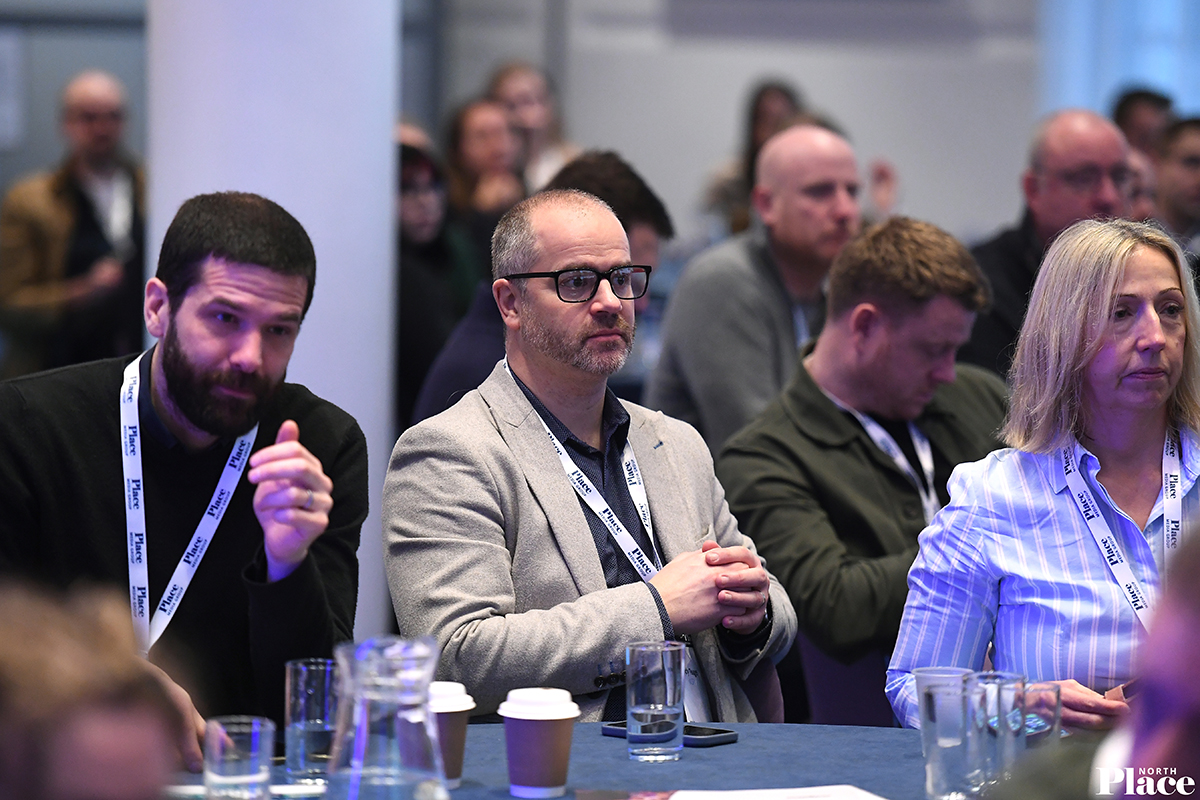
Universities, a cost-competitive life sciences ecosystem, quality of life, and sheer talent were highlighted as the North’s selling points for attracting innovation businesses, according to those attending Place North’s Life Sciences Update on 19 November.
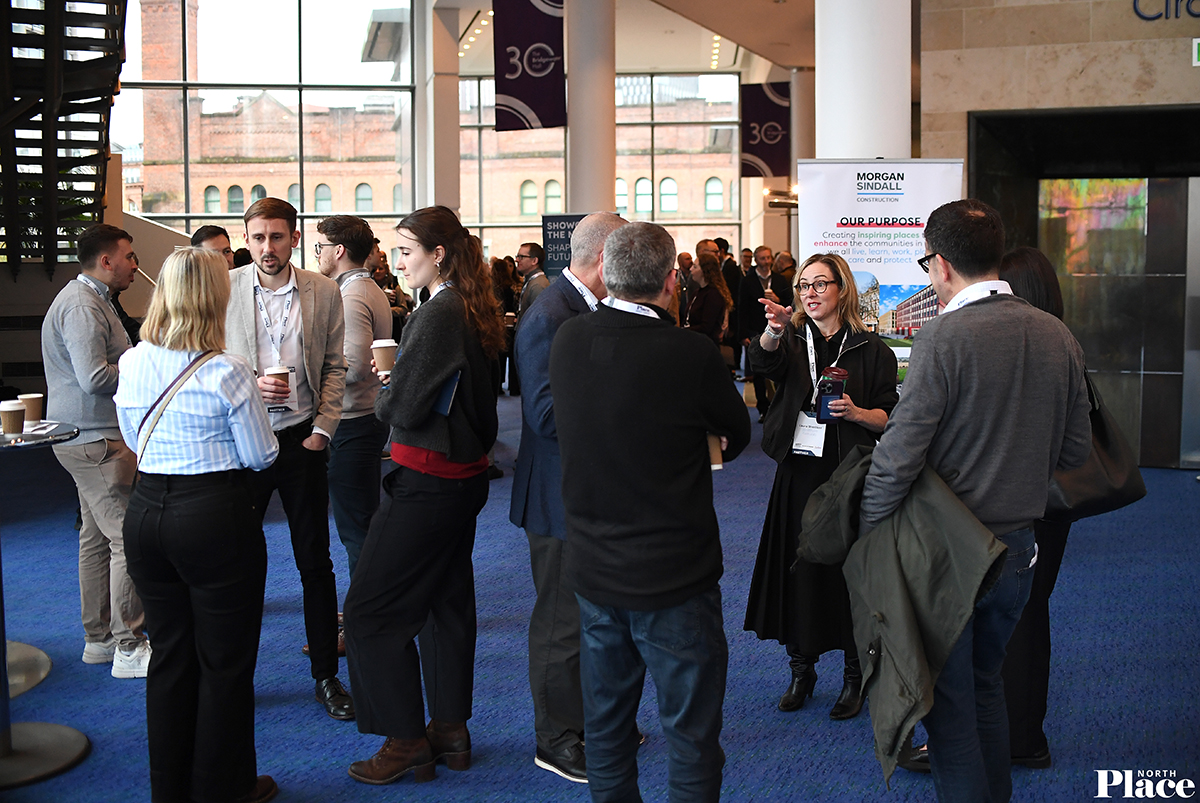
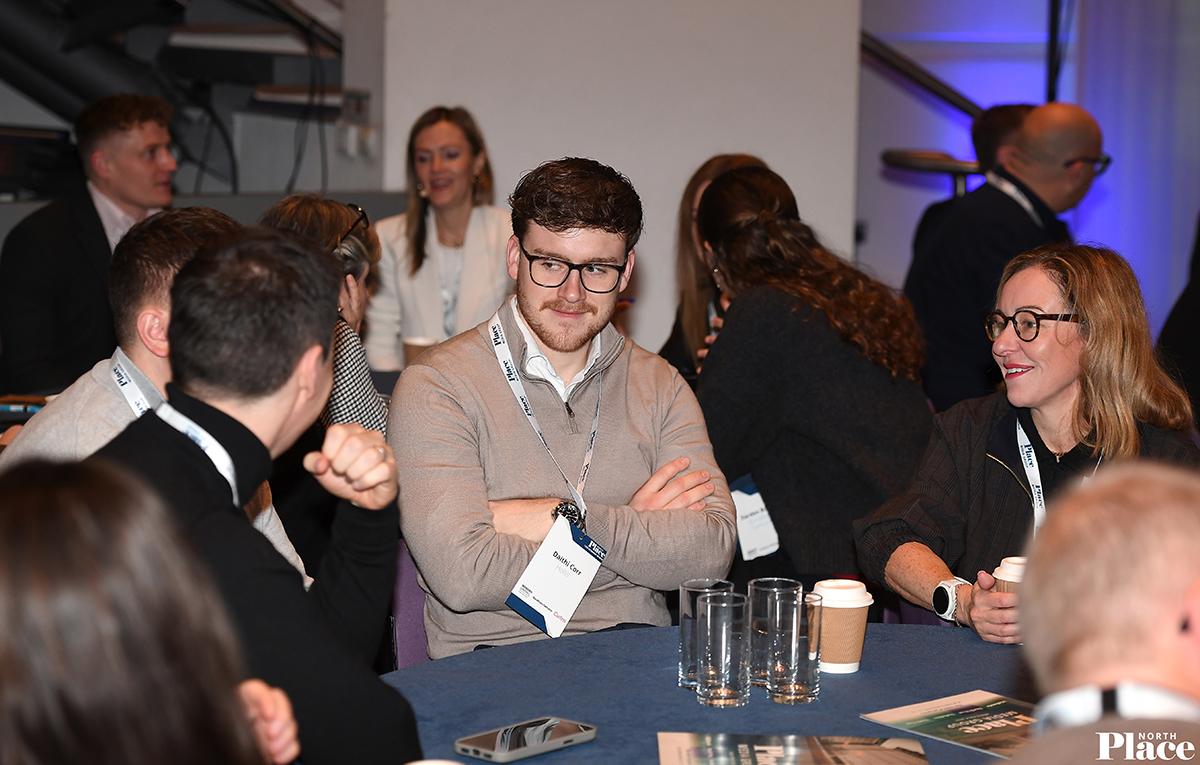
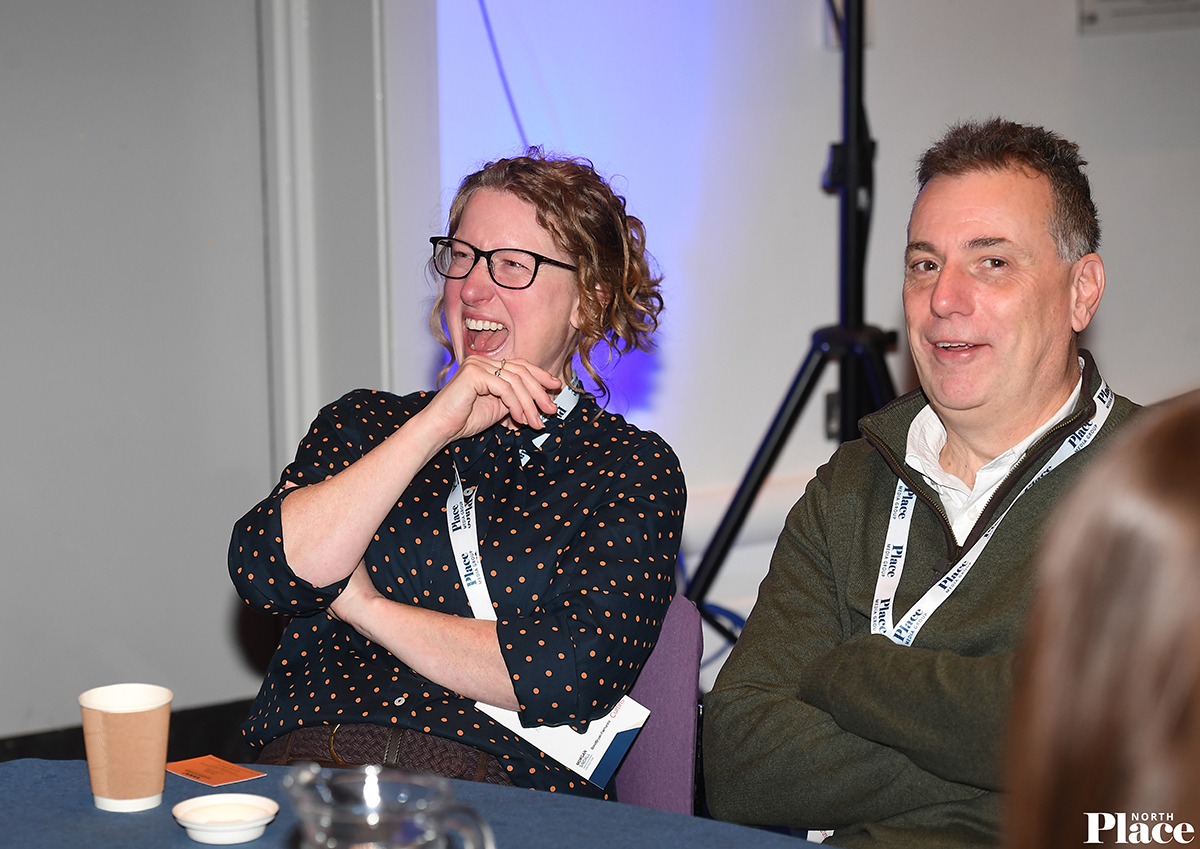
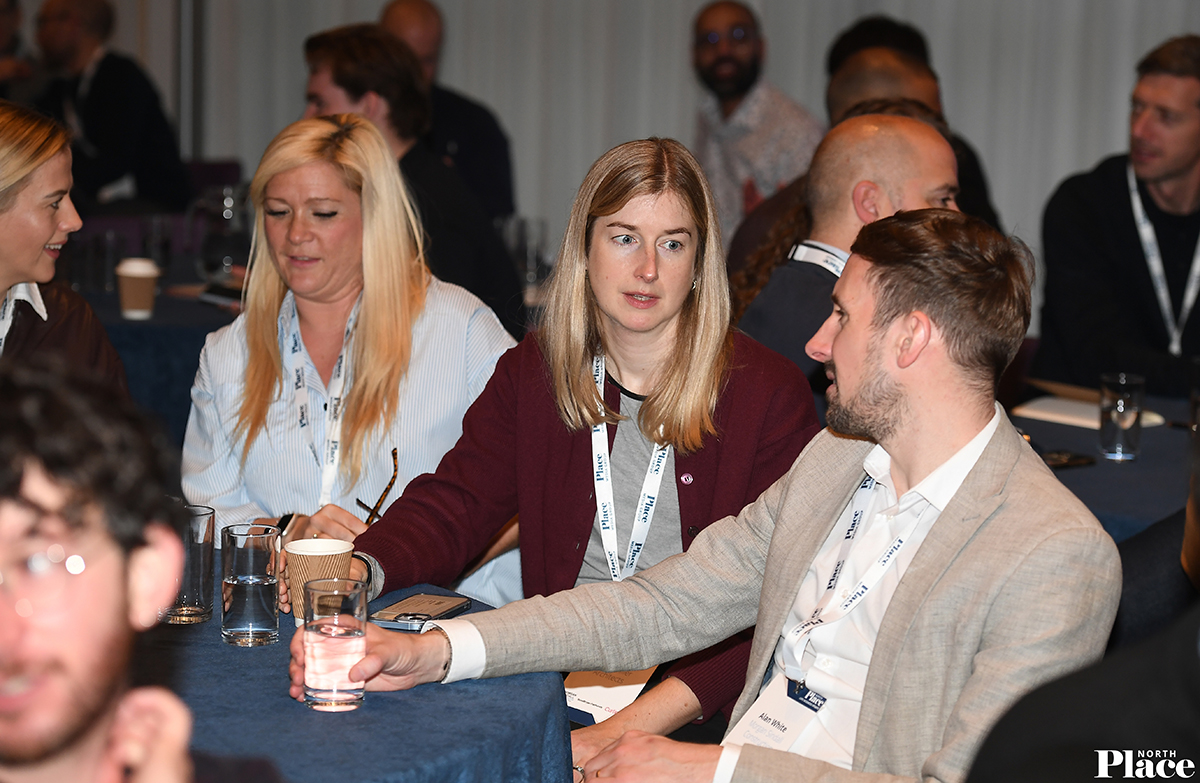
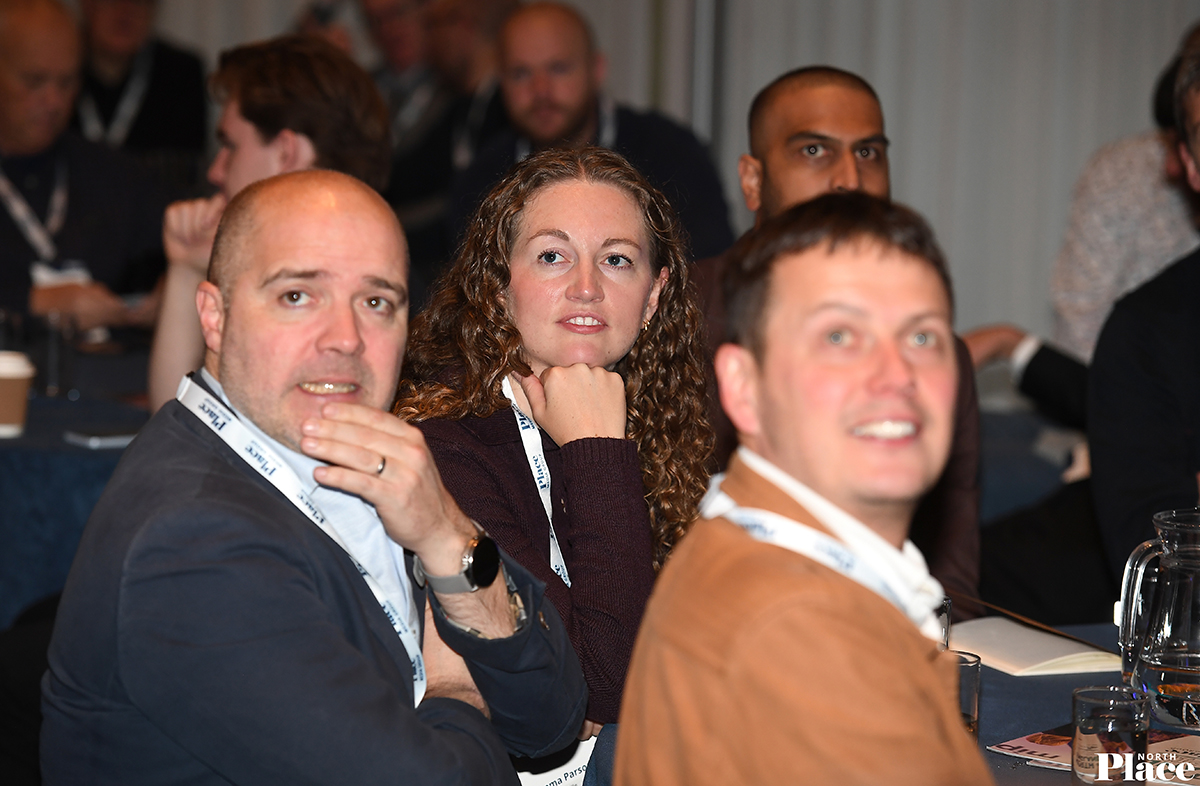
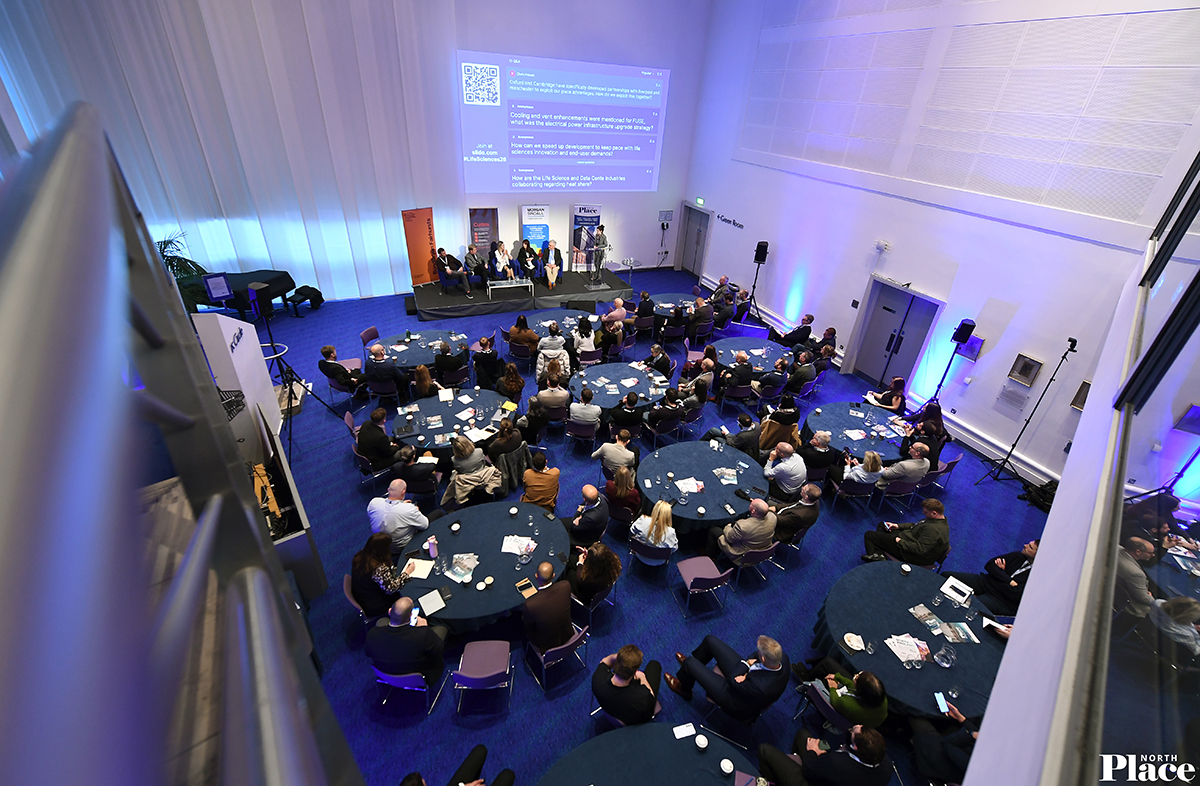
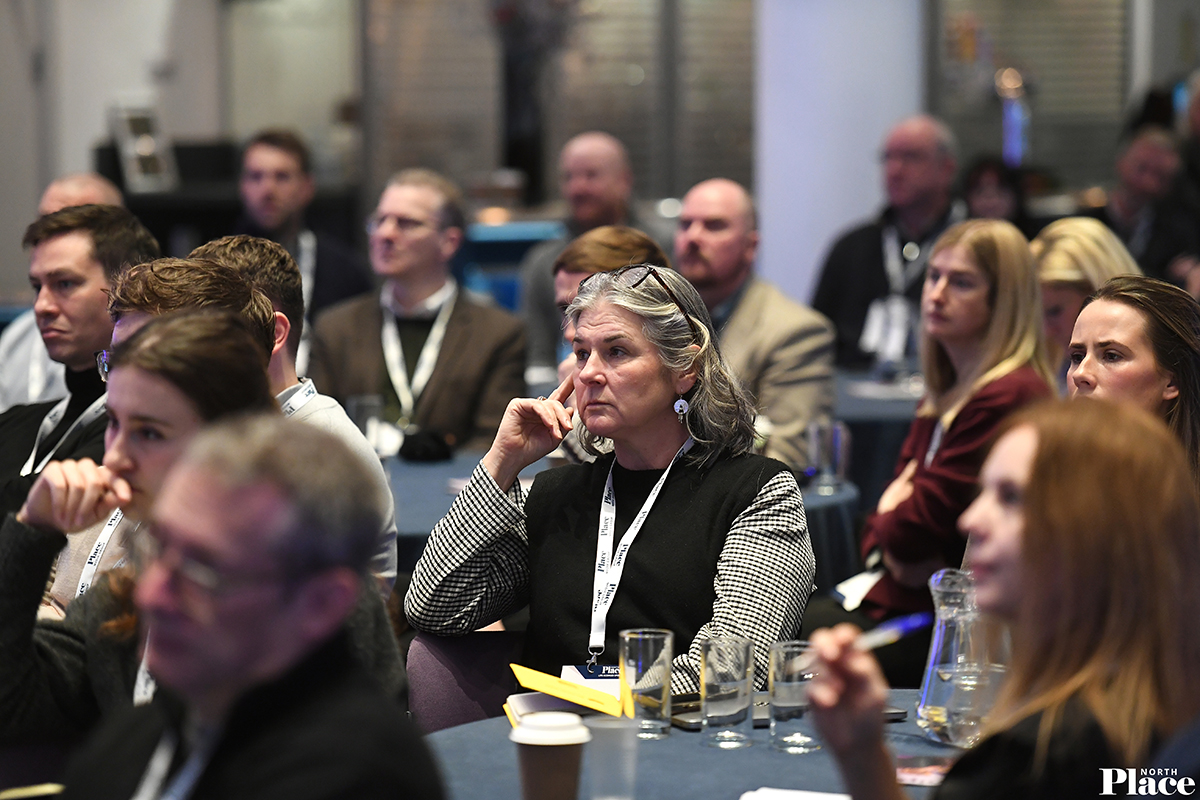
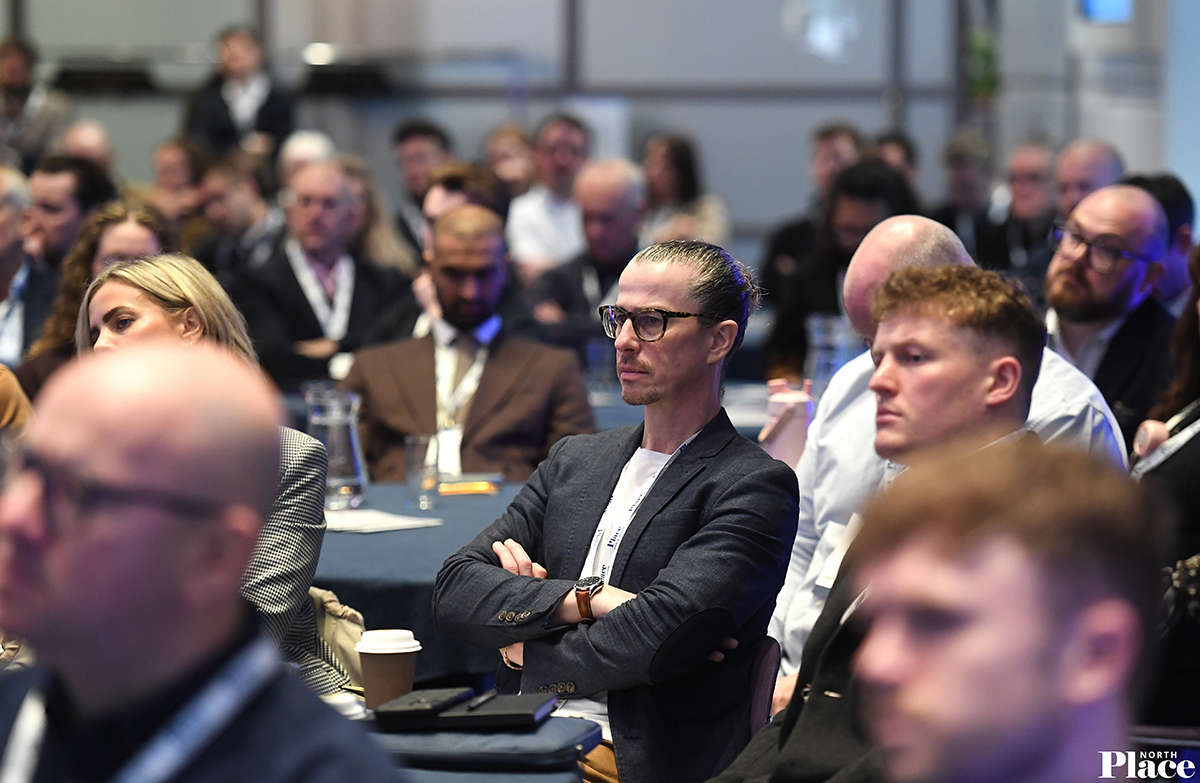
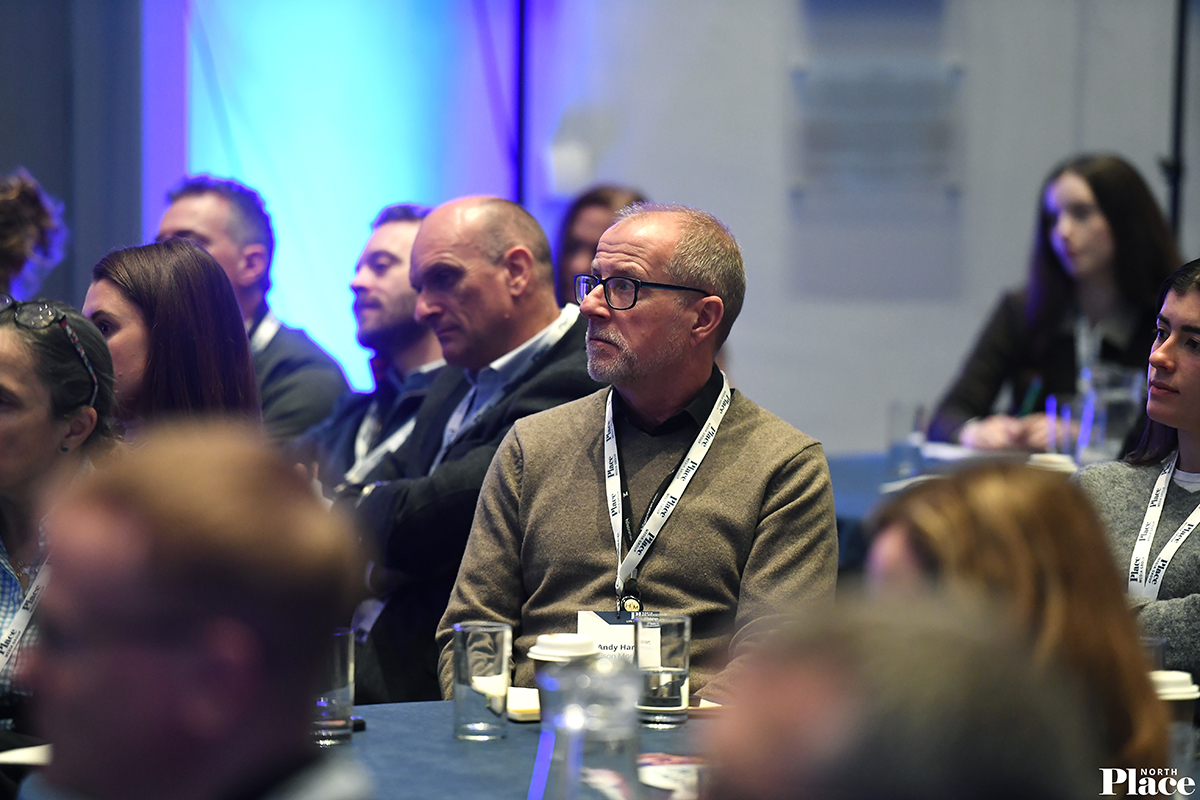
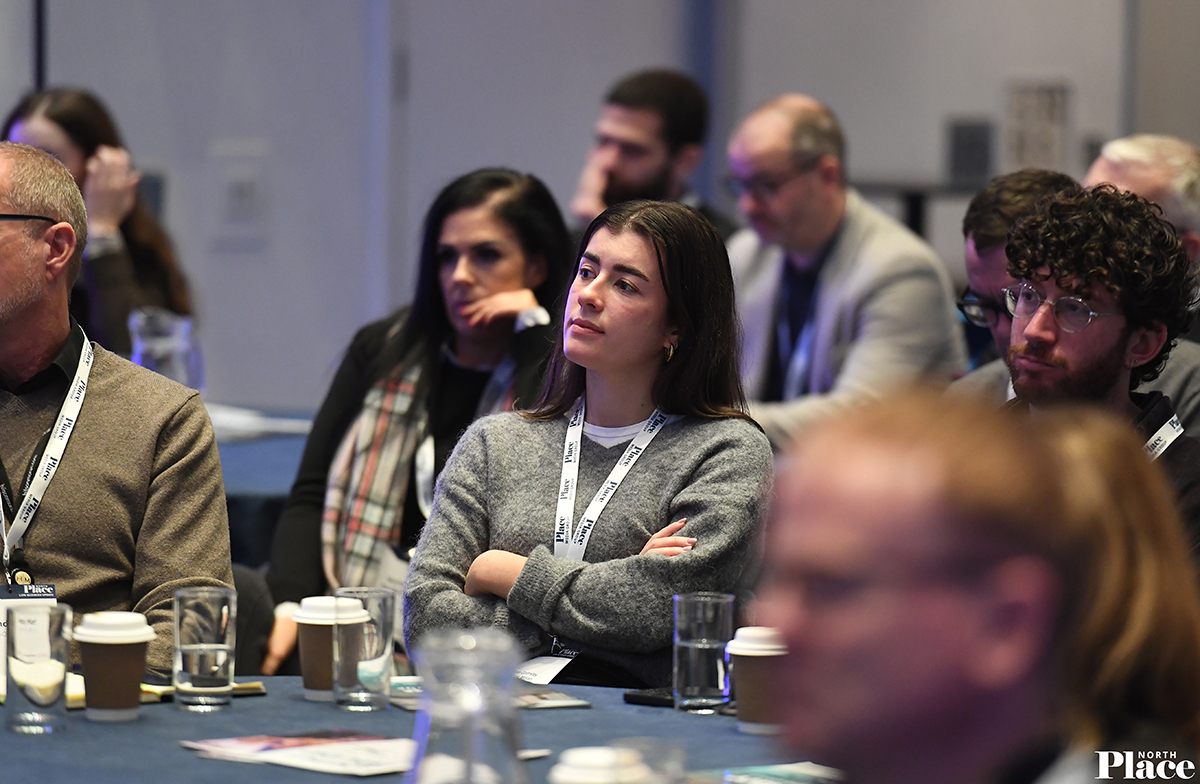
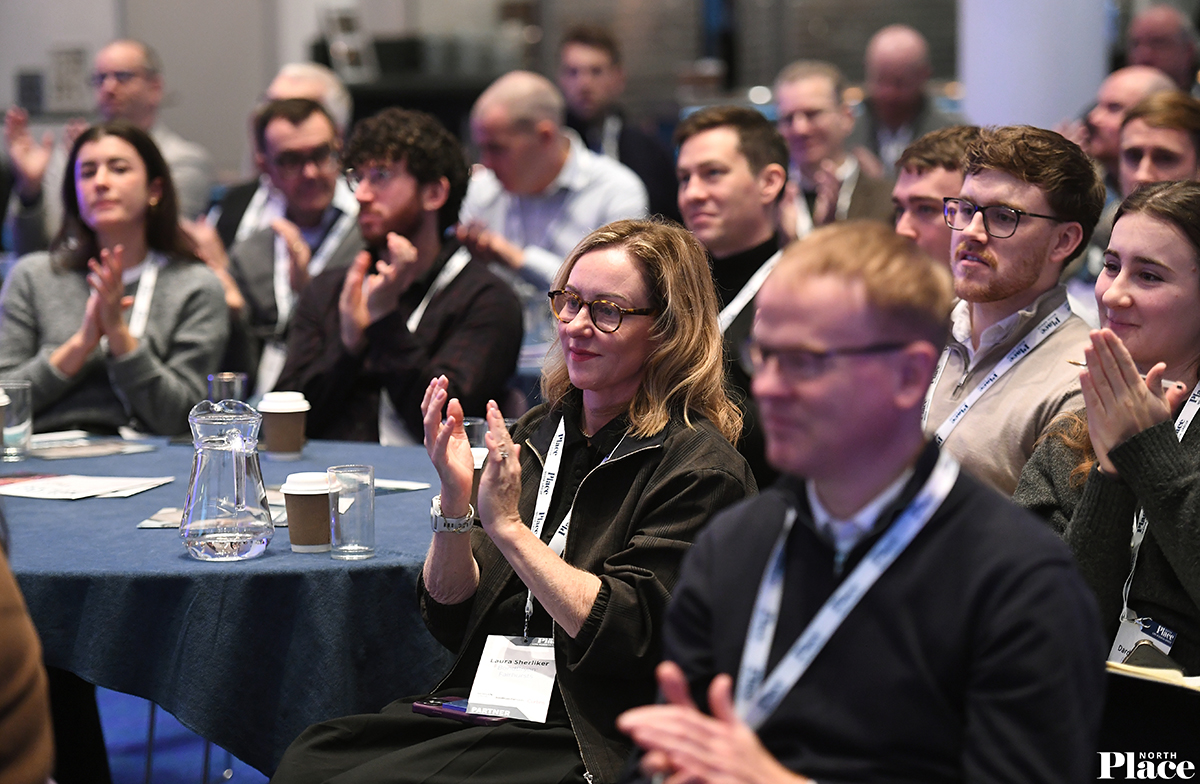
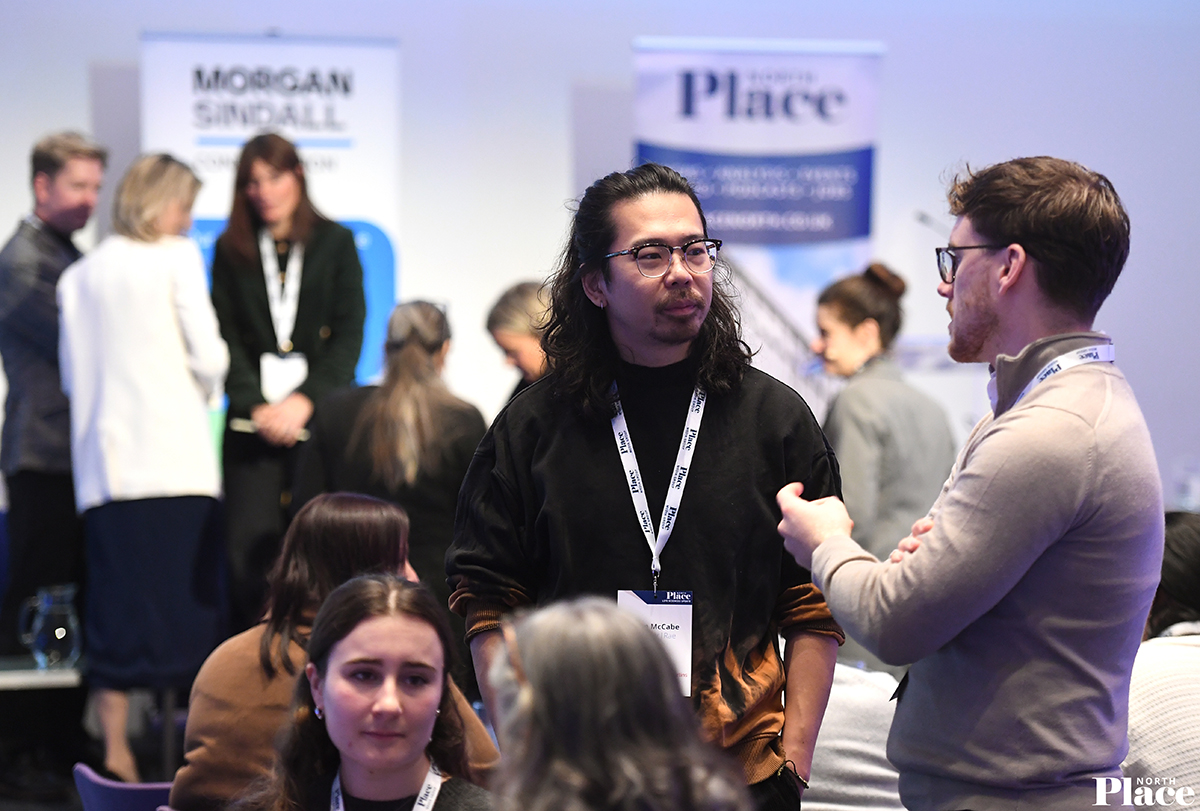
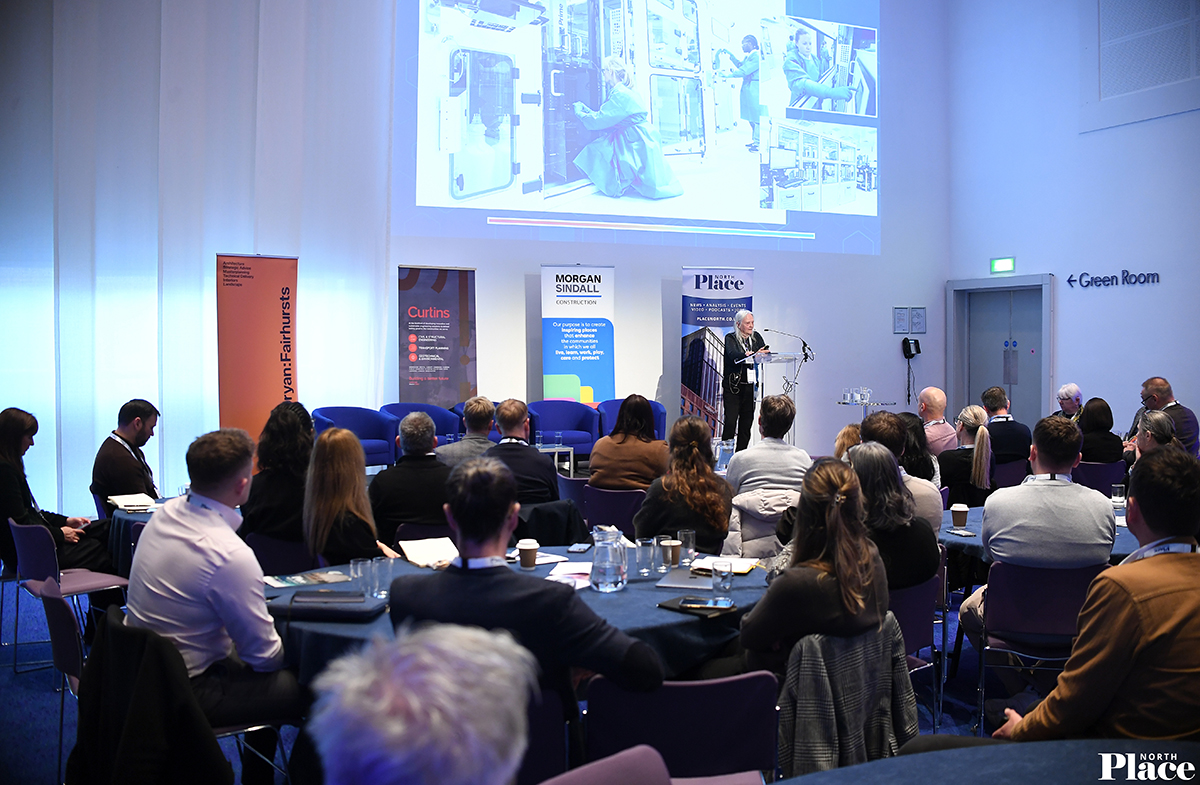
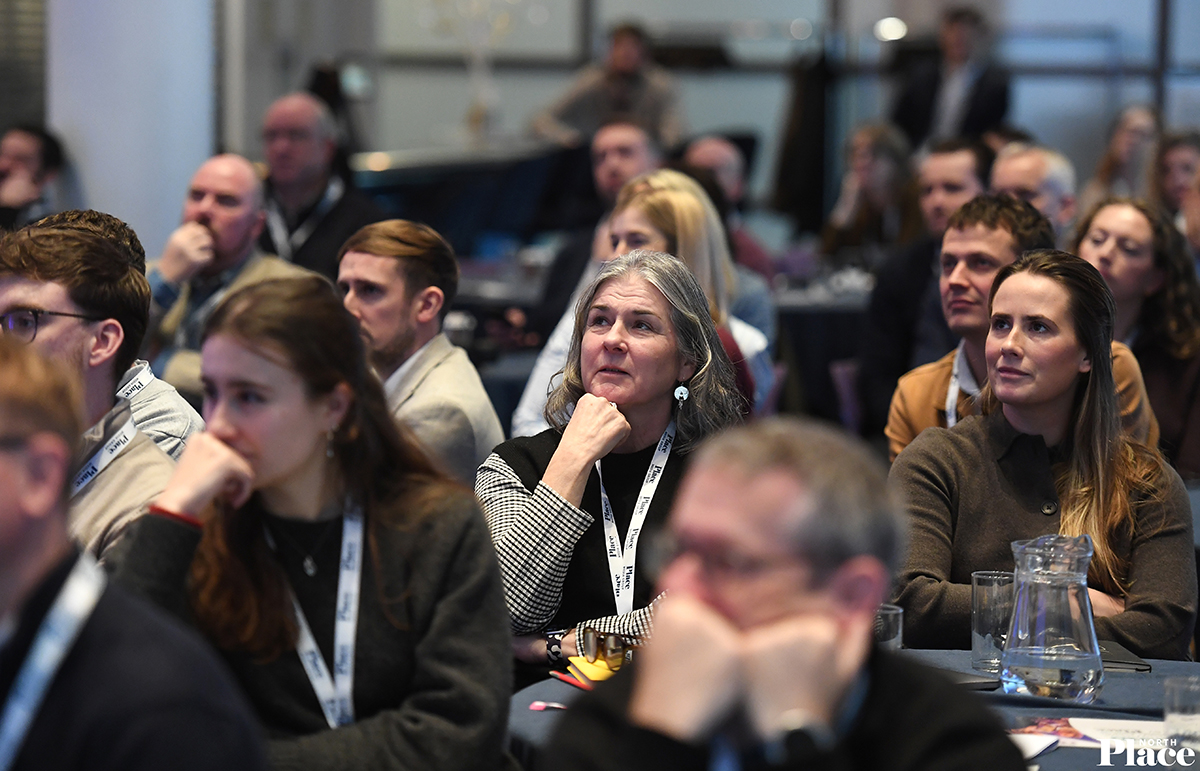
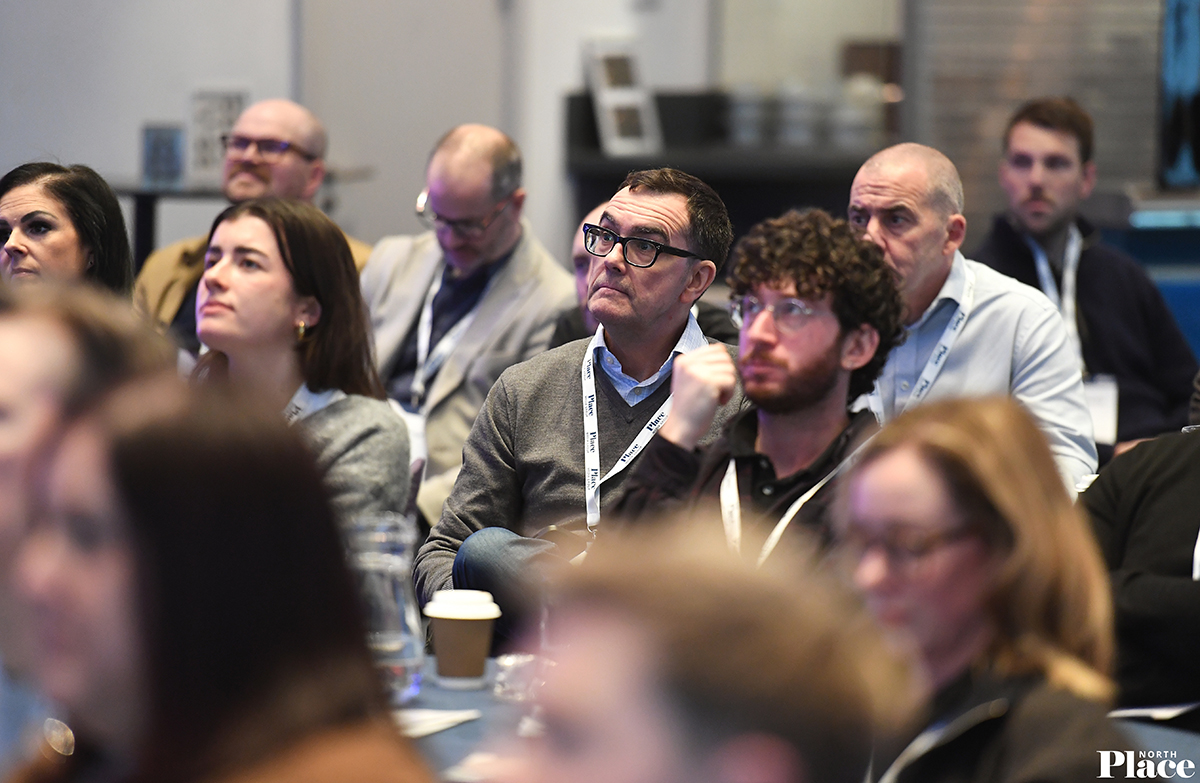
Held at Bridgewater Hall in Manchester, the half-day event saw people come together from across the region to learn about the state of the market, where opportunities lie, and what needs to be done to help them be realised.
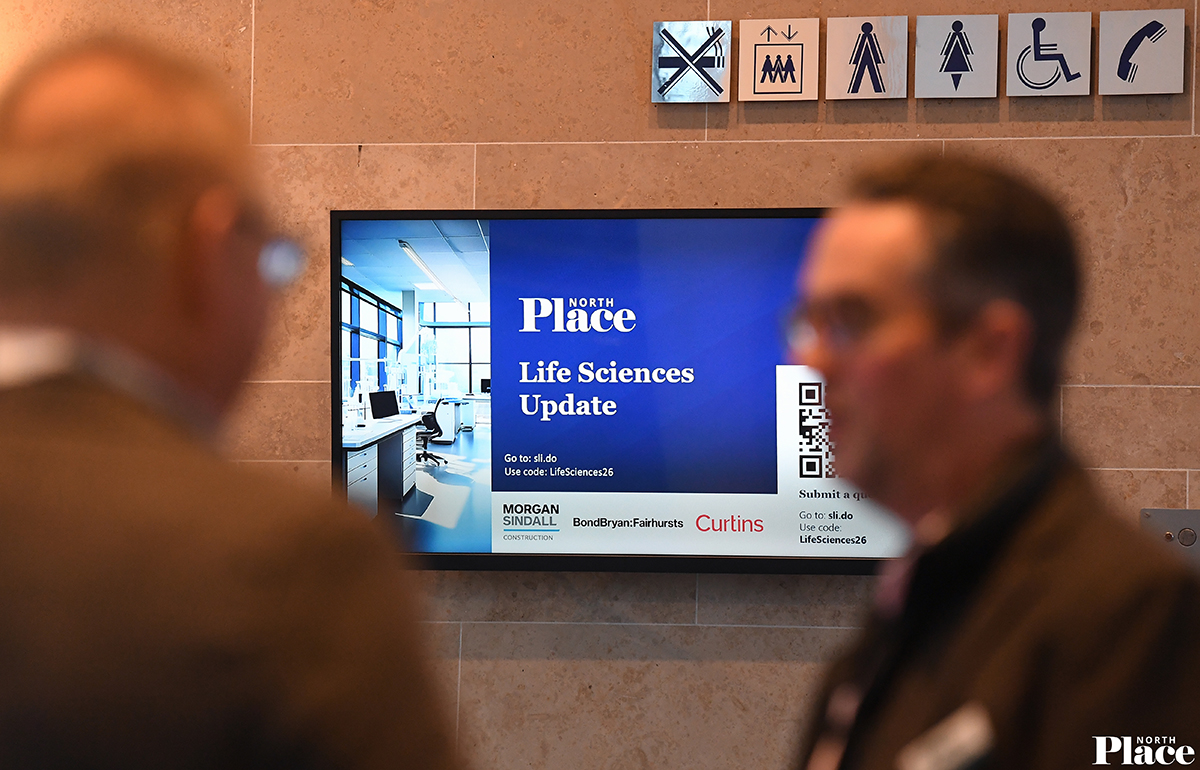
The event was delivered in partnership with BondBryan:Fairhursts, Curtins, and Morgan Sindall Construction. It was hosted by Place North West editor Julia Hatmaker.
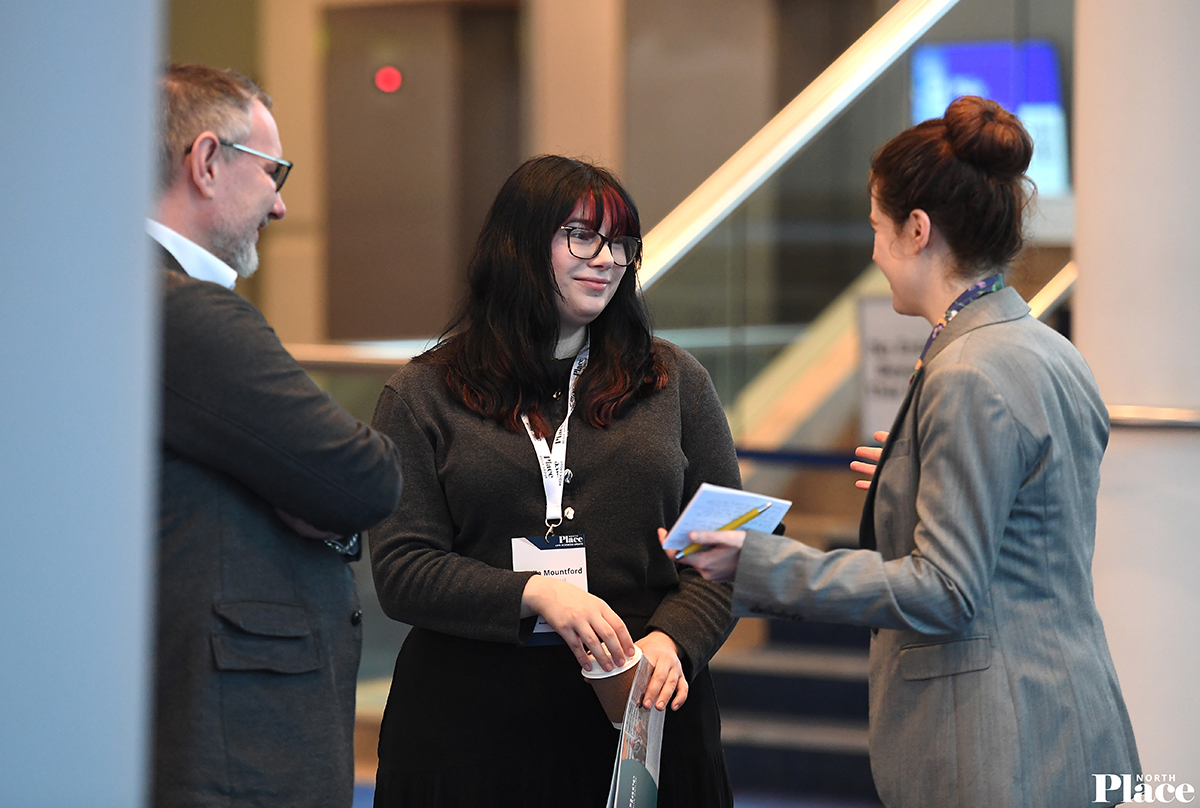
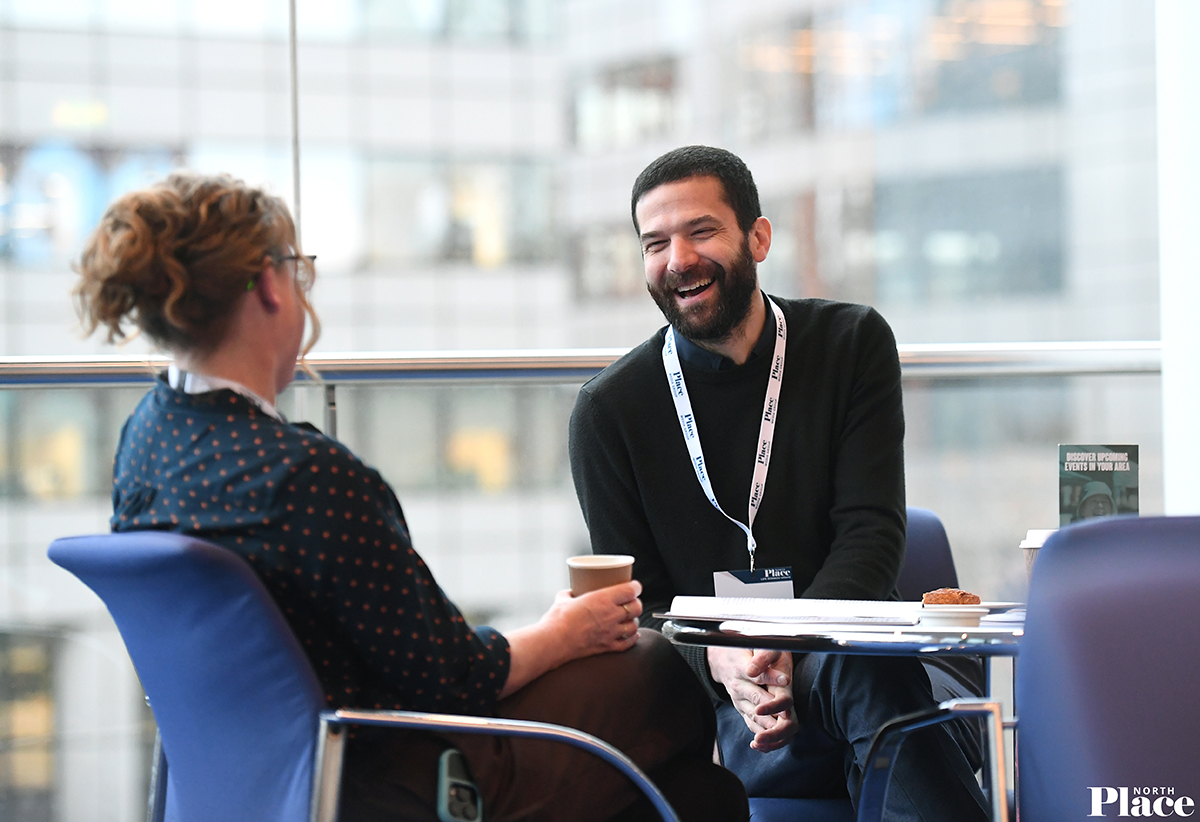
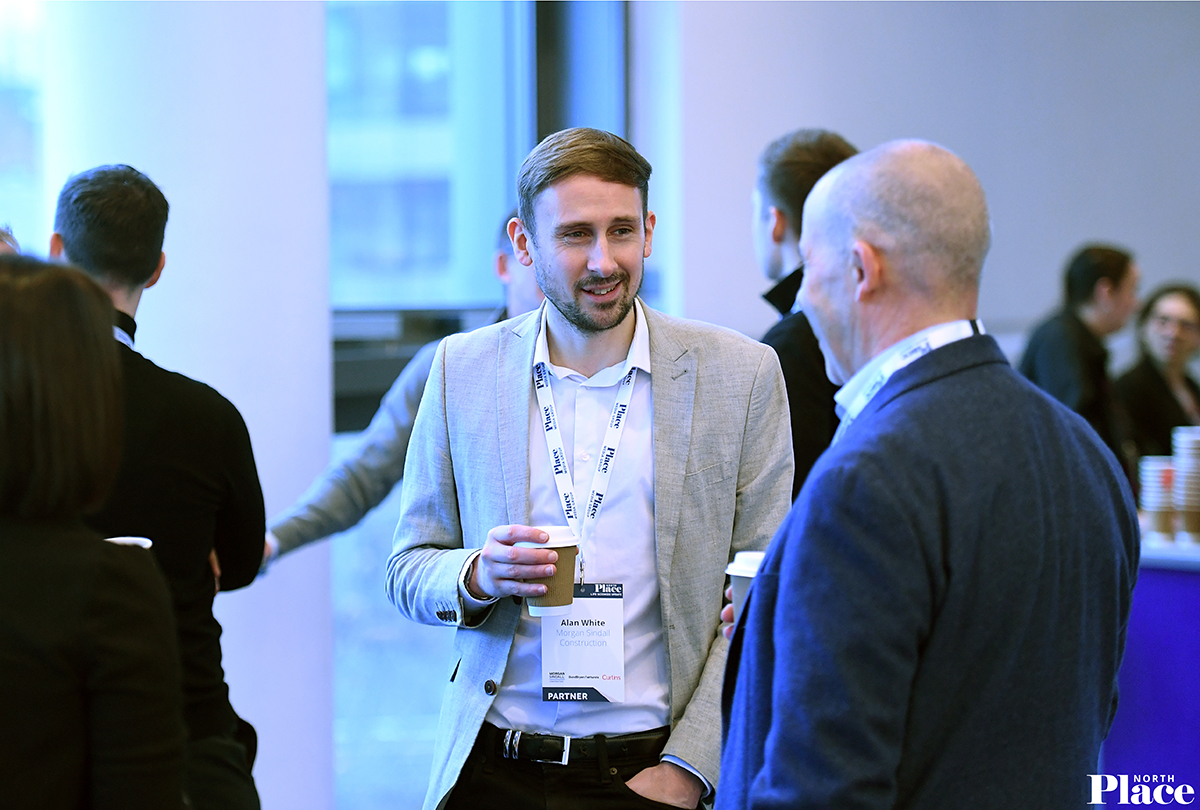
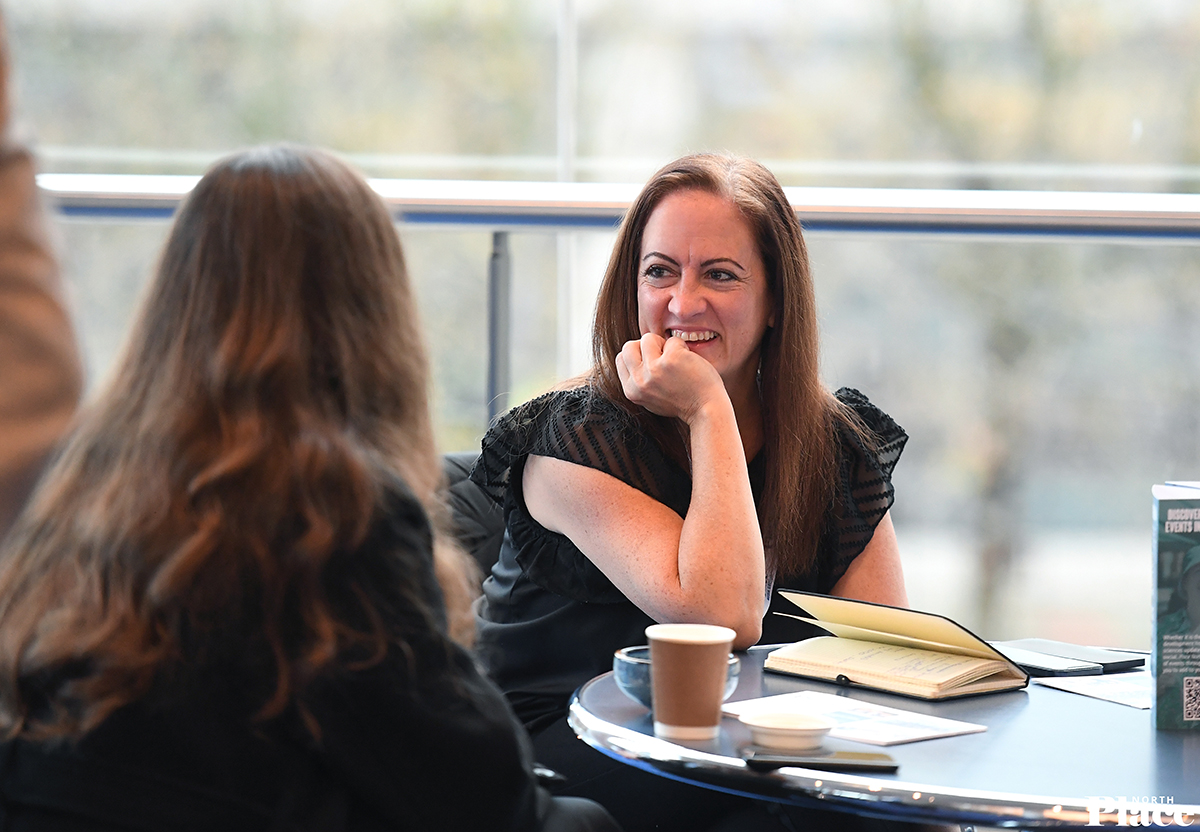
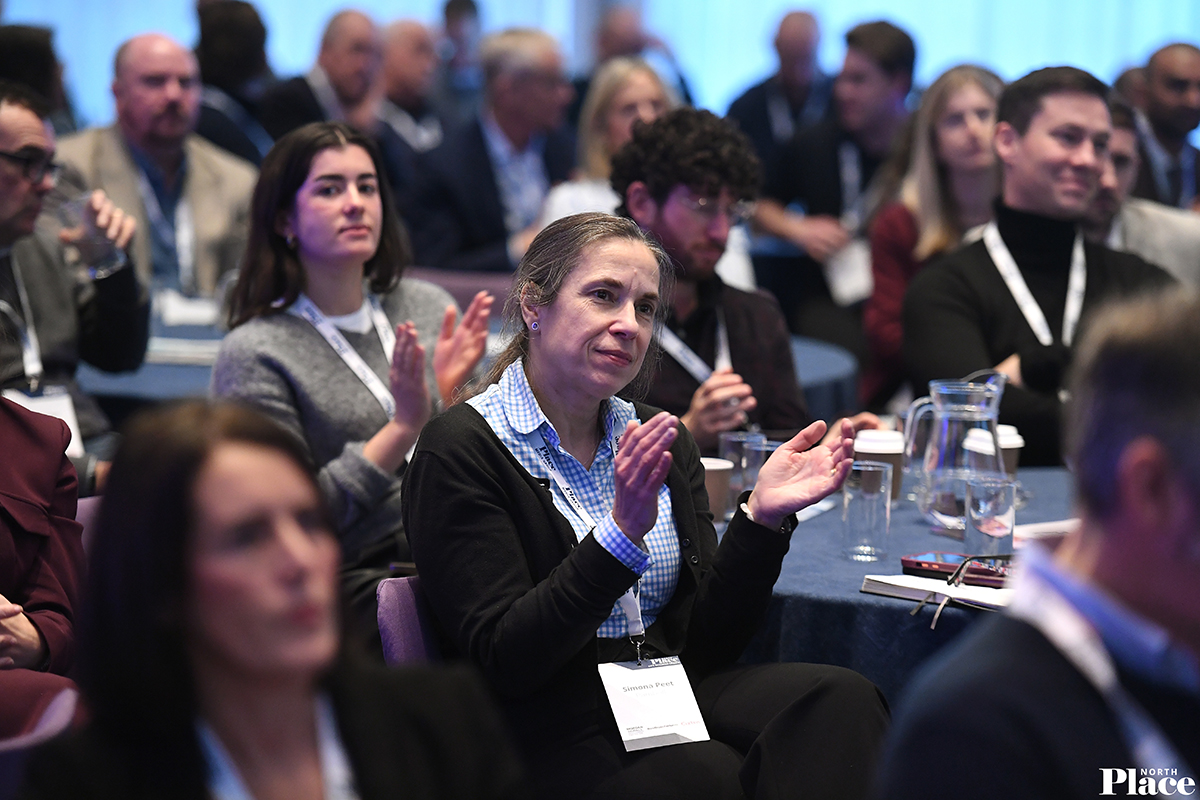
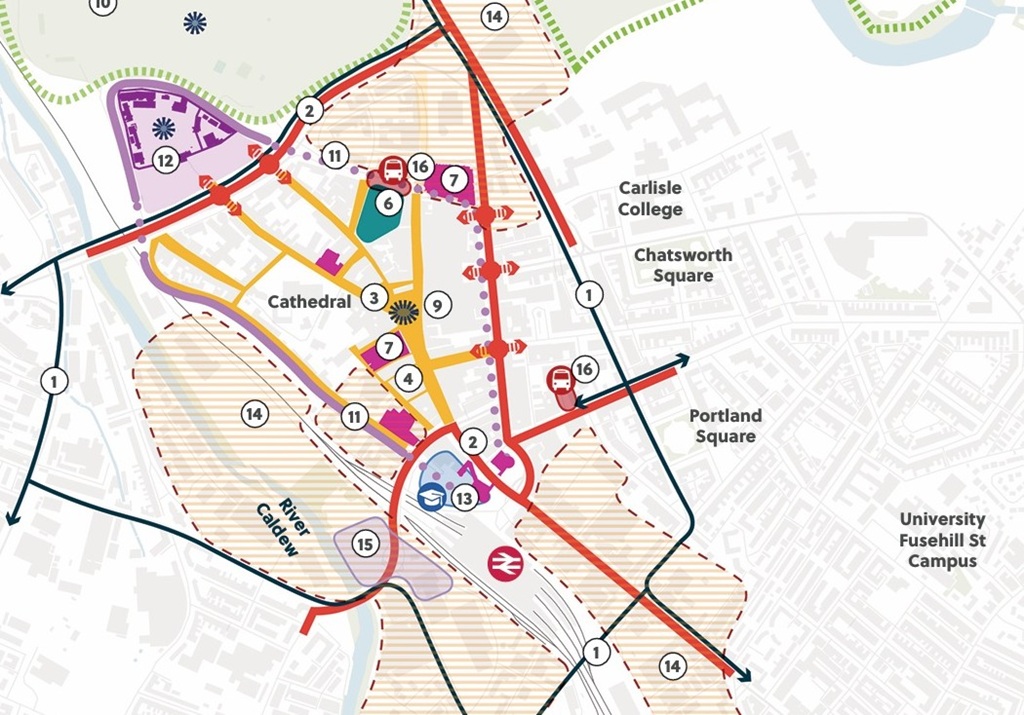
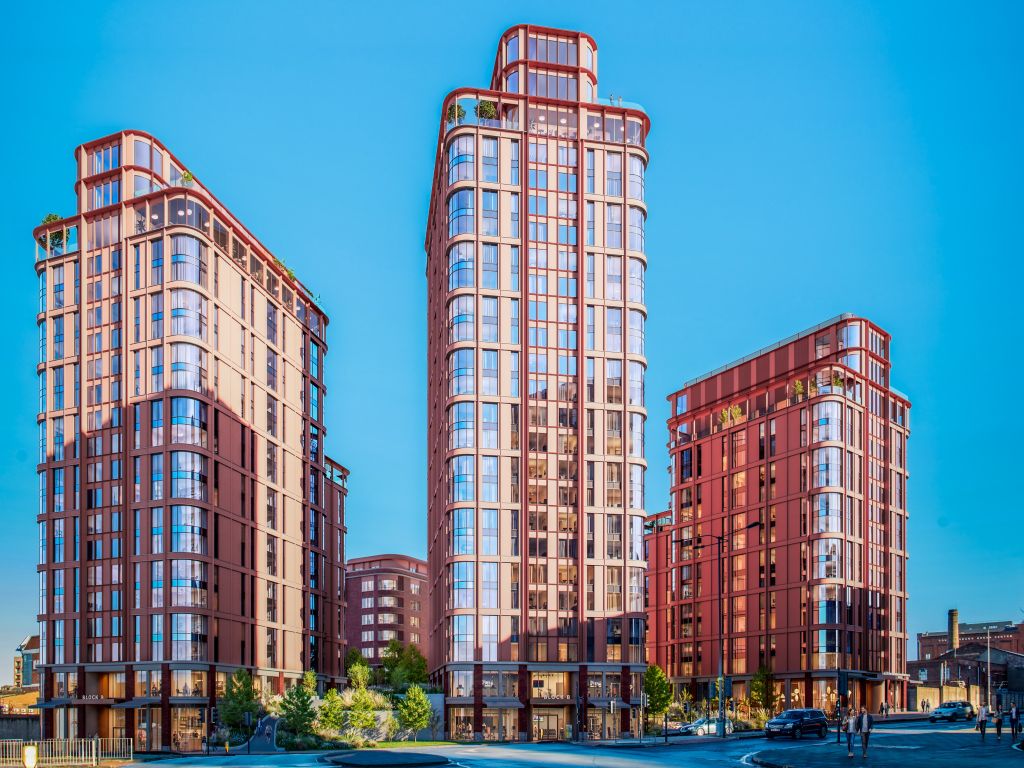
Scroll down to the bottom of this story for a gallery from the event.
Expert speakers
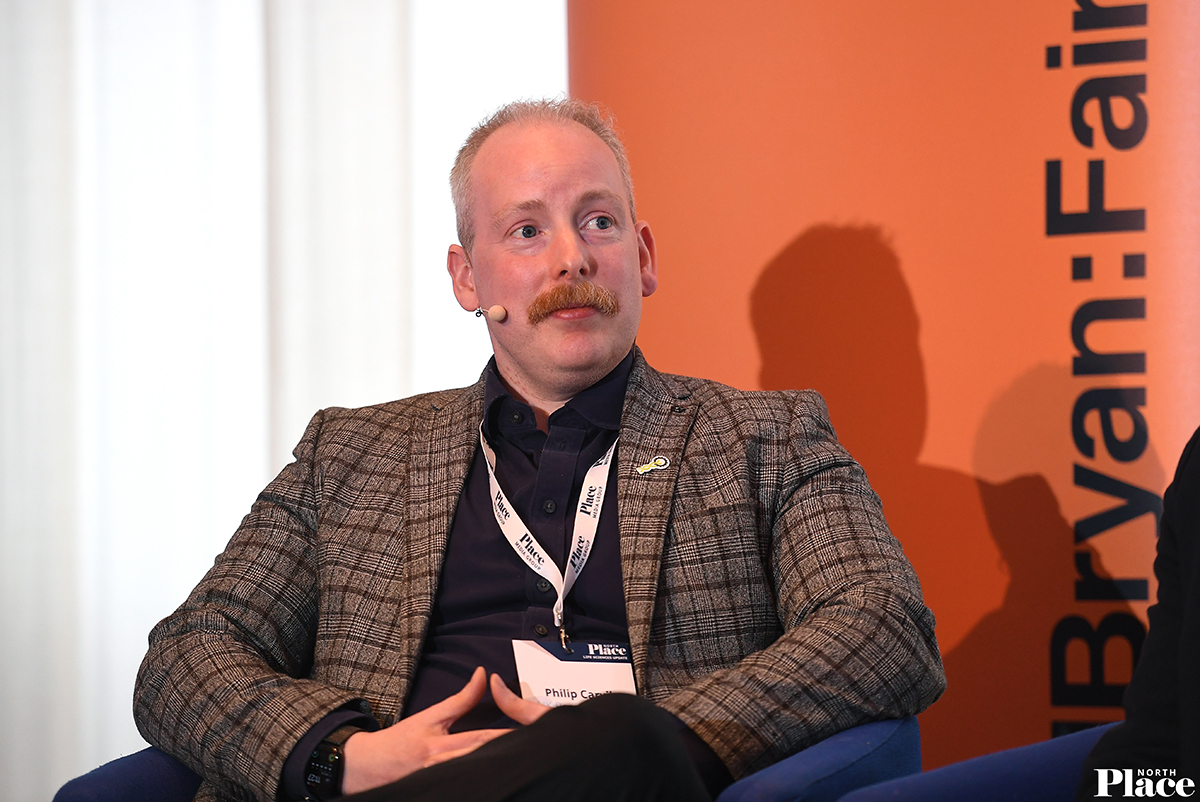
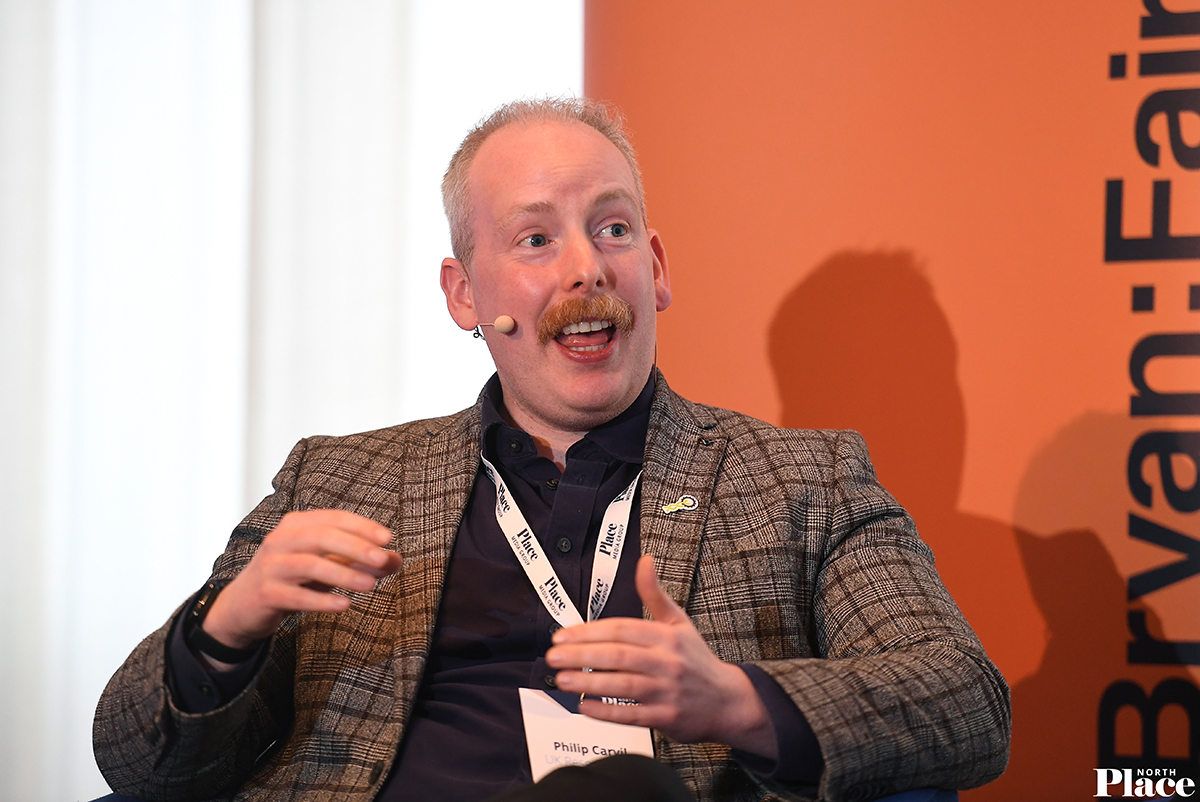
- Phillip Carvil, head of clusters in the North West for the Science and Technology Facilities Council and UK Research and Innovation
- Dace Dimza-Jones, dealmaker at the Department for Business, Innovation, Science, and Trade and life sciences sector development lead for the Greater Manchester Business Growth Hub
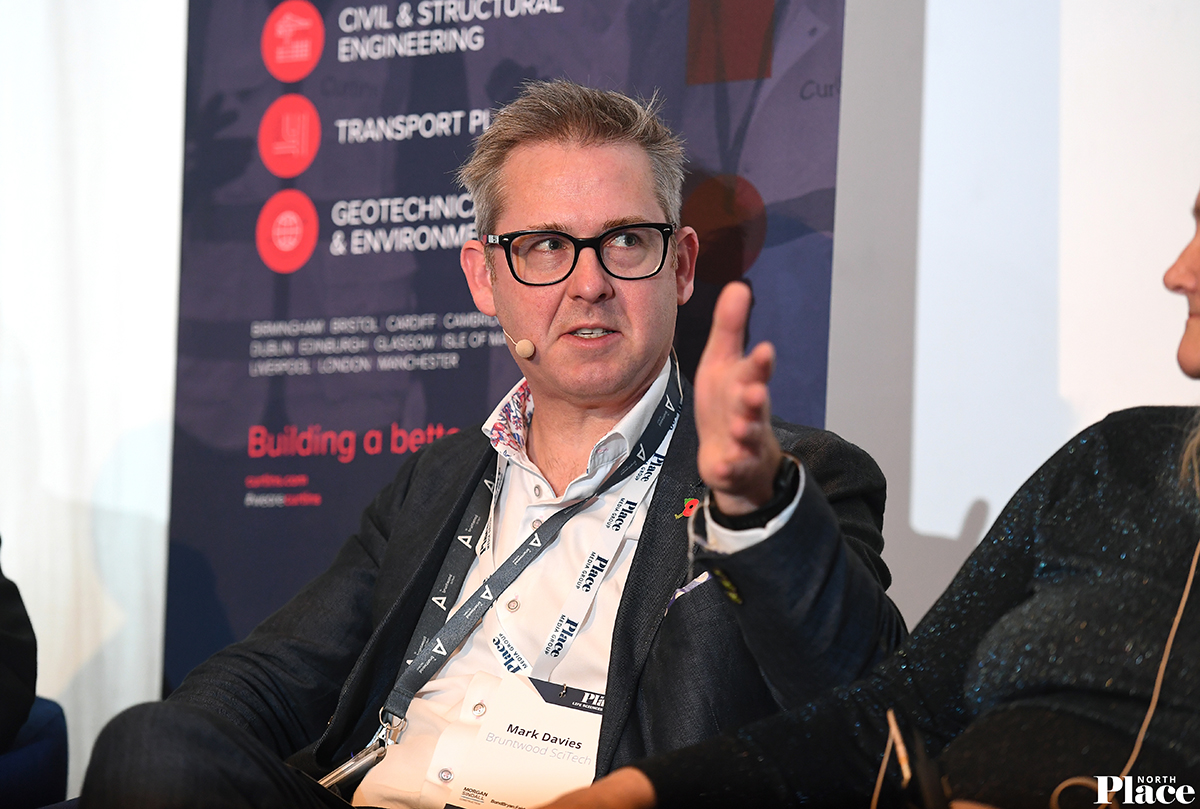
- Mark Davies, head of innovation at Bruntwood SciTech
- Richard Knight, director of planning and strategy at Peel Land
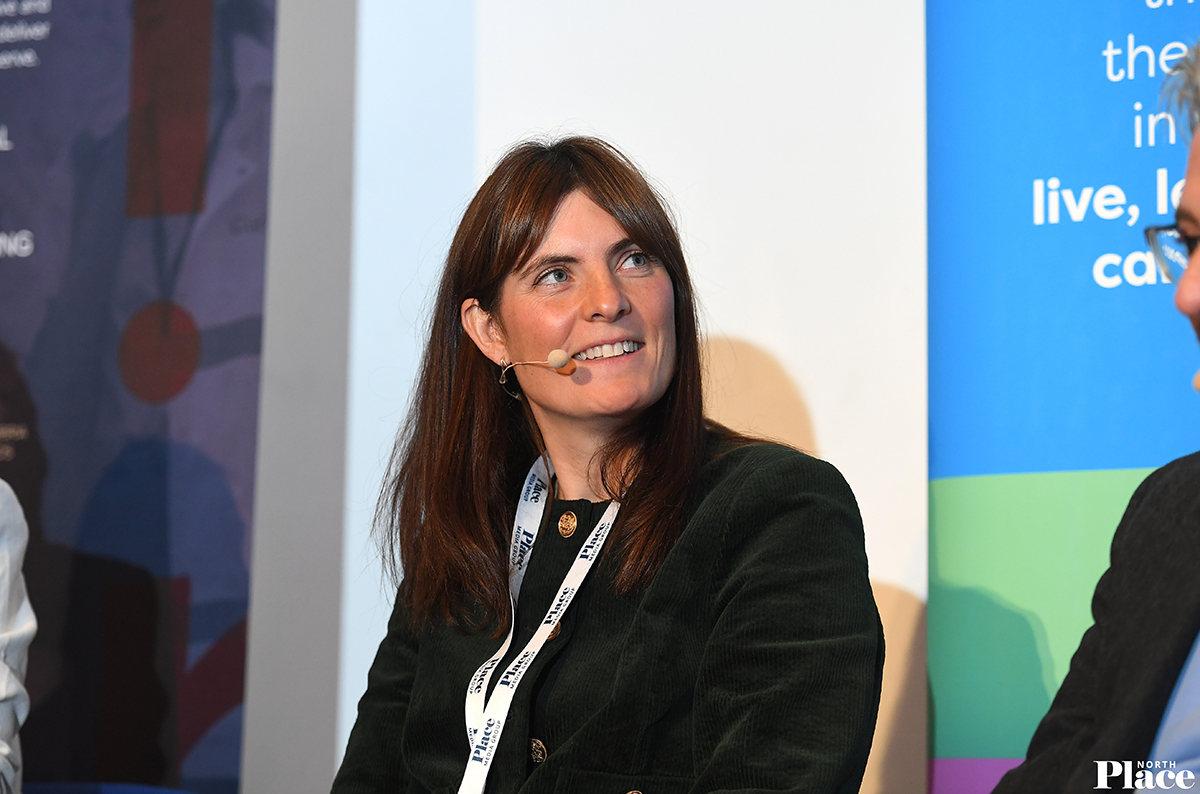
- Helen Ratcliffe, head of agency and development at MIX MANCHESTER
- Mark Adey, director at BondBryan:Fairhursts
- Steven Gregory, area director for the North West at Morgan Sindall Construction
- Janet Hemingway, founding director of the Infection Innovation Consortium and professor at the Liverpool School of Tropical Medicine
- Jonny Lowe, head of science and technology for the North at CBRE
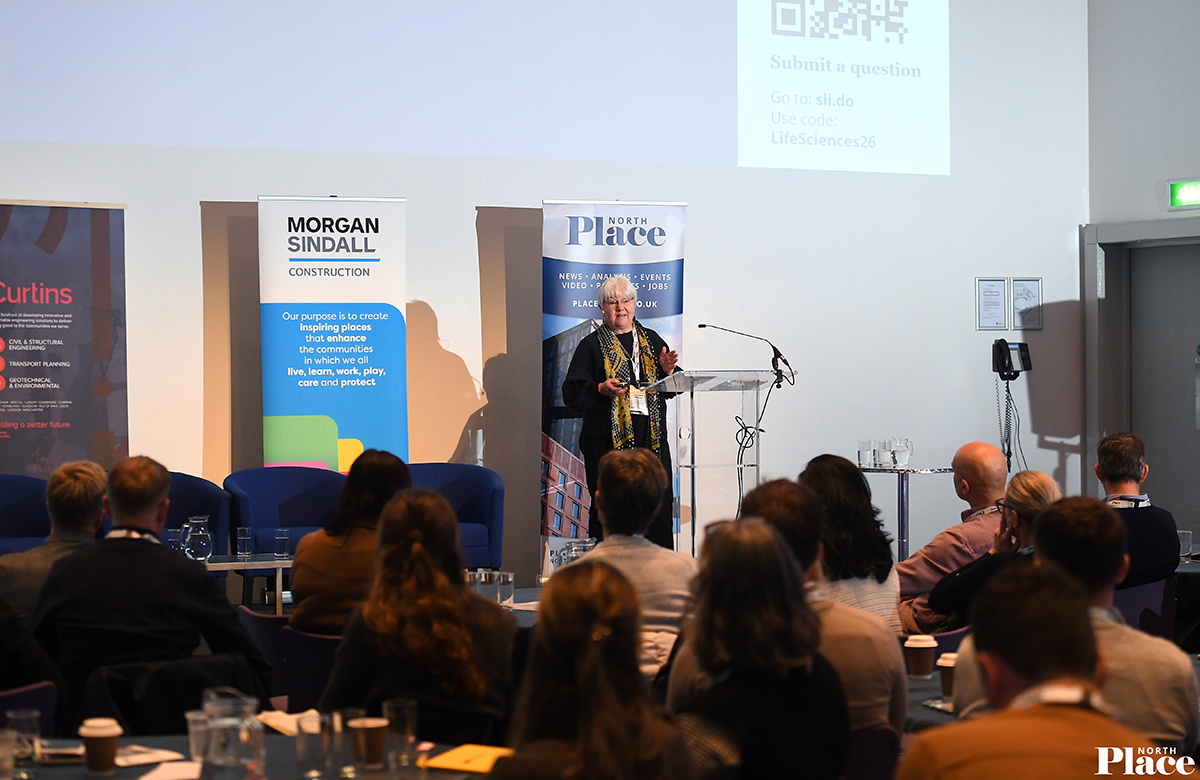
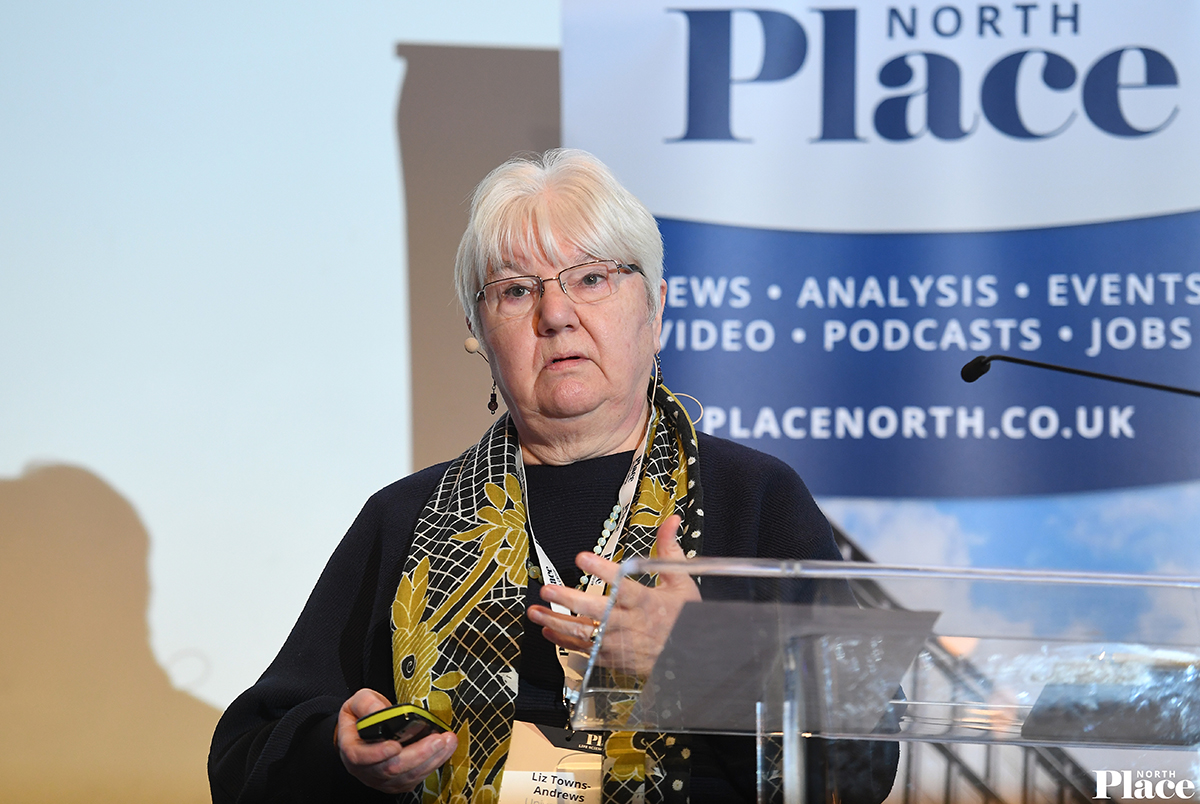
- Liz Towns-Andrews, regional and business lead at University of Huddersfield’s National Health Innovation Campus
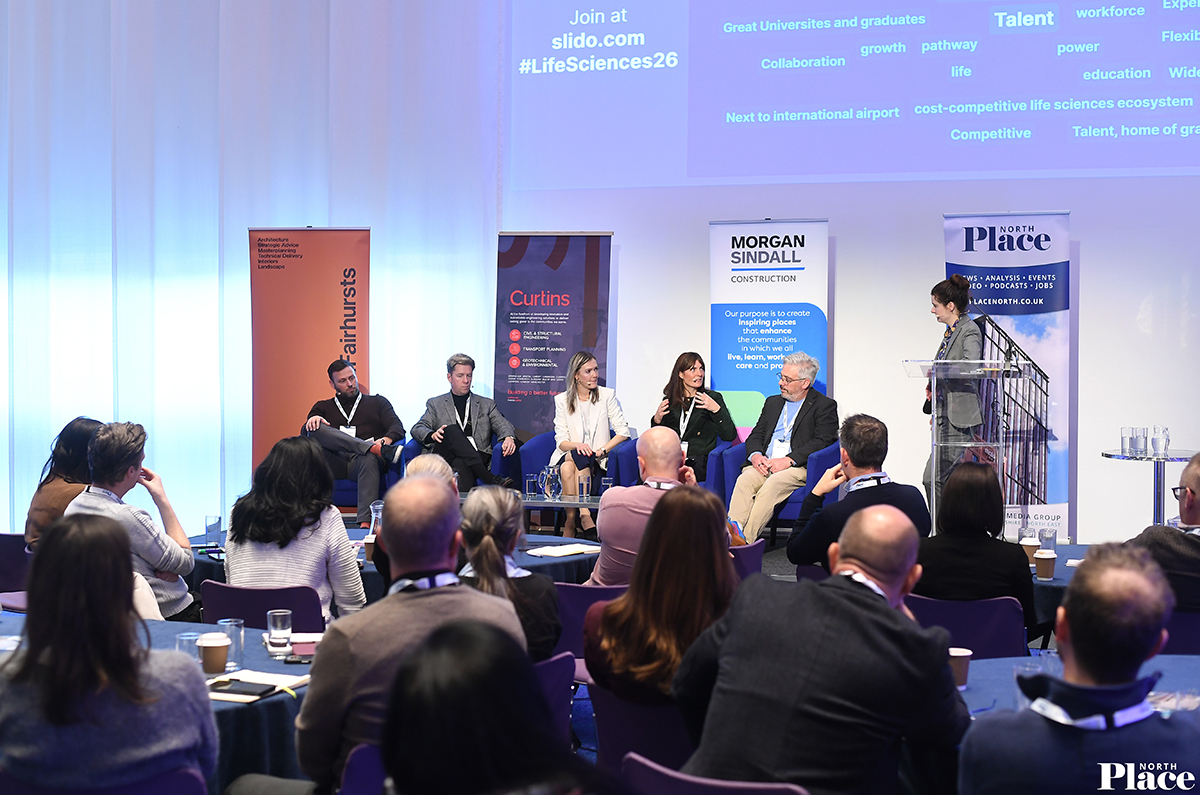
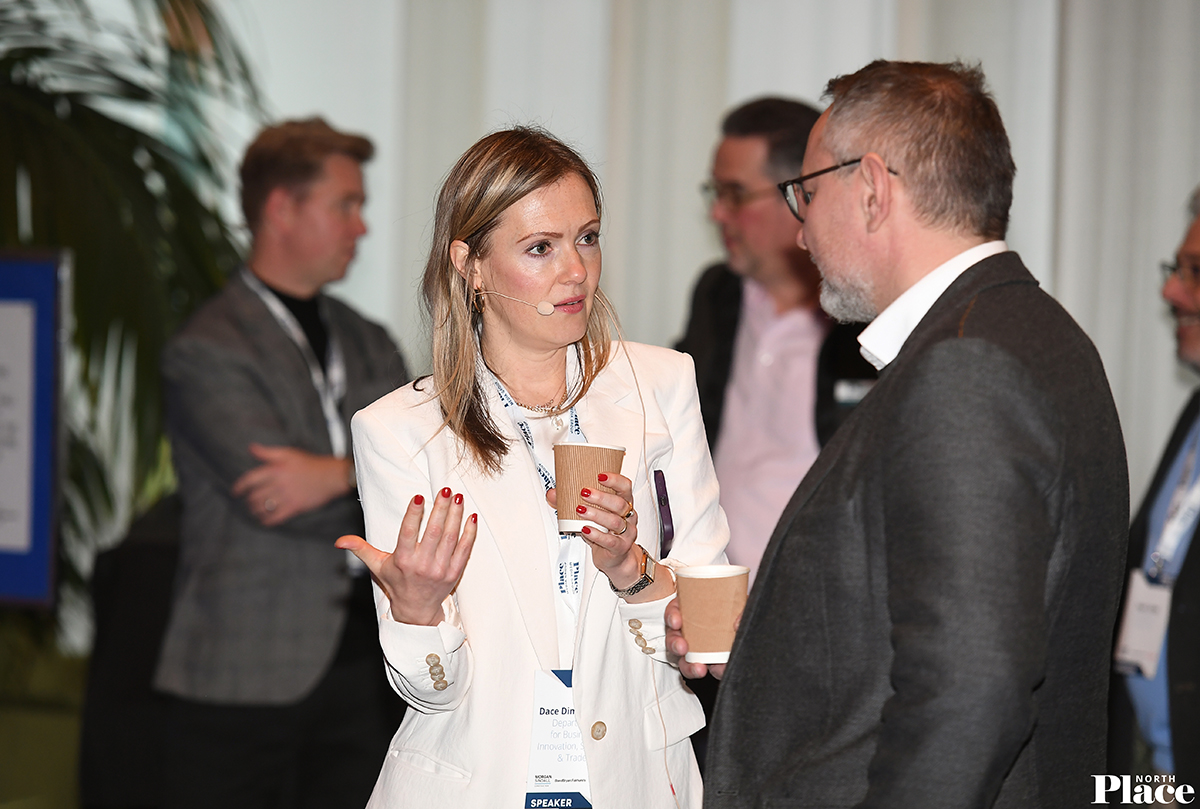
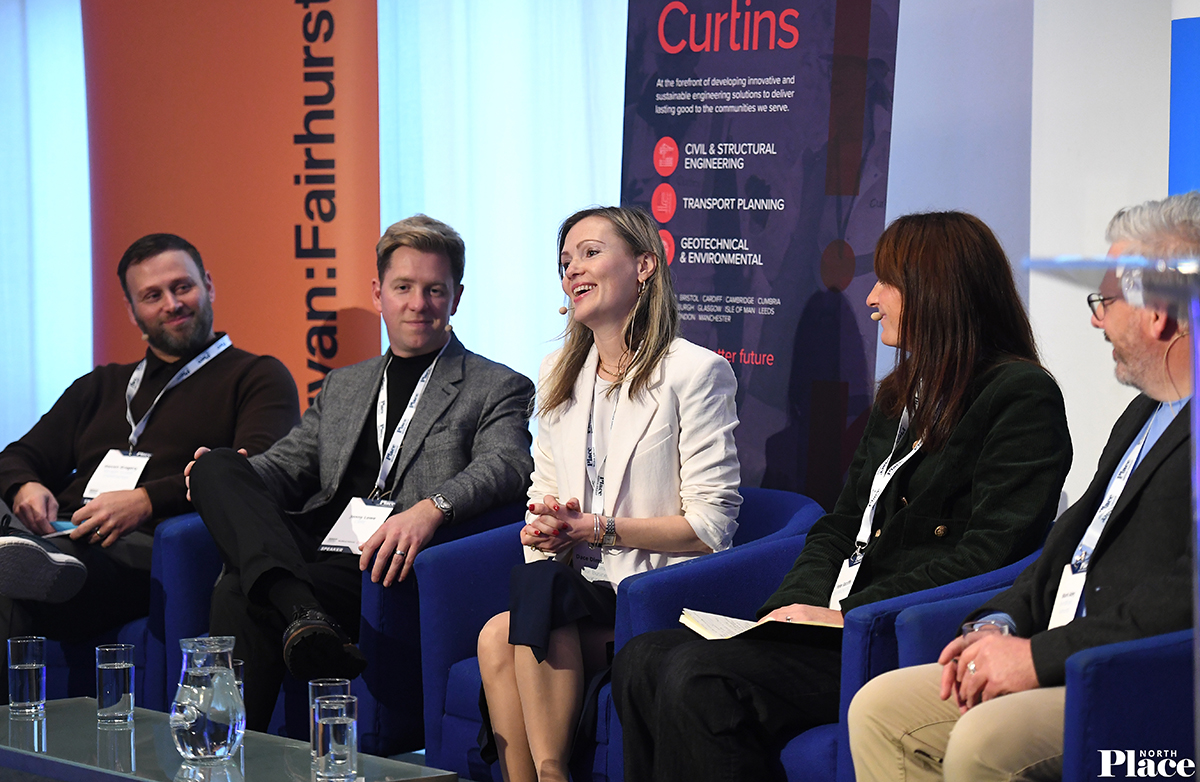
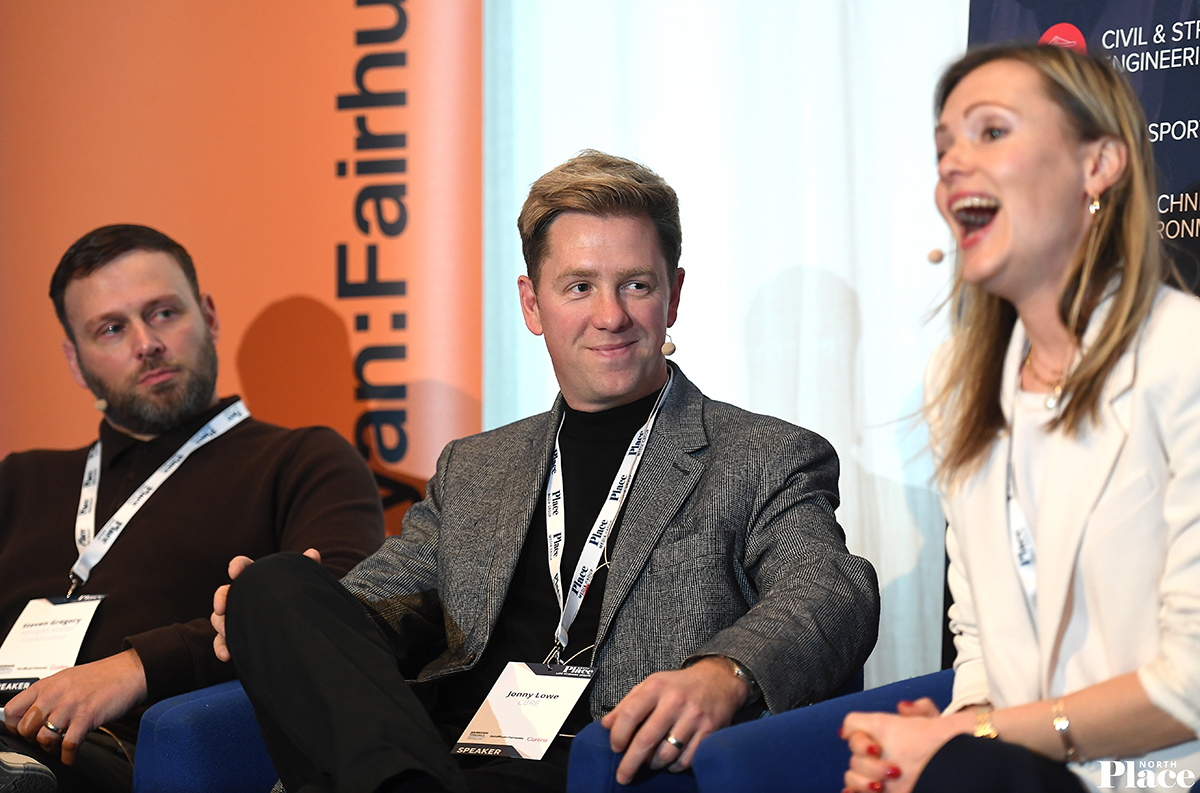
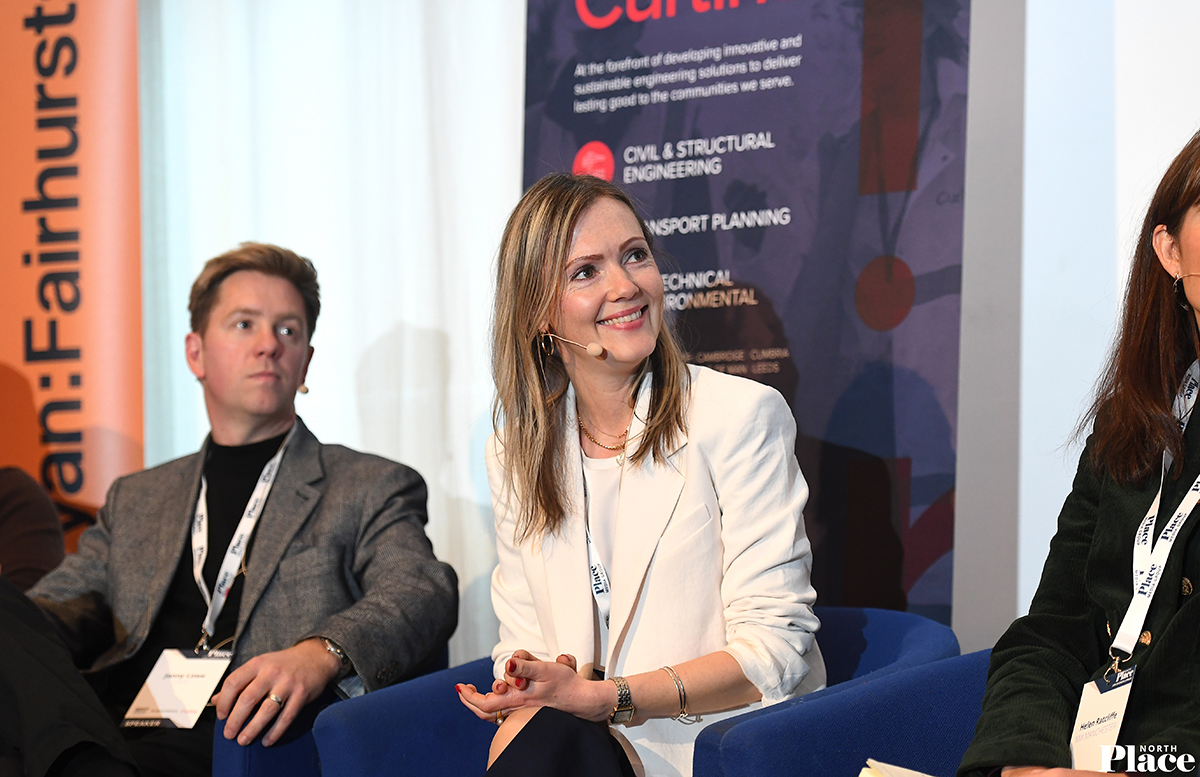
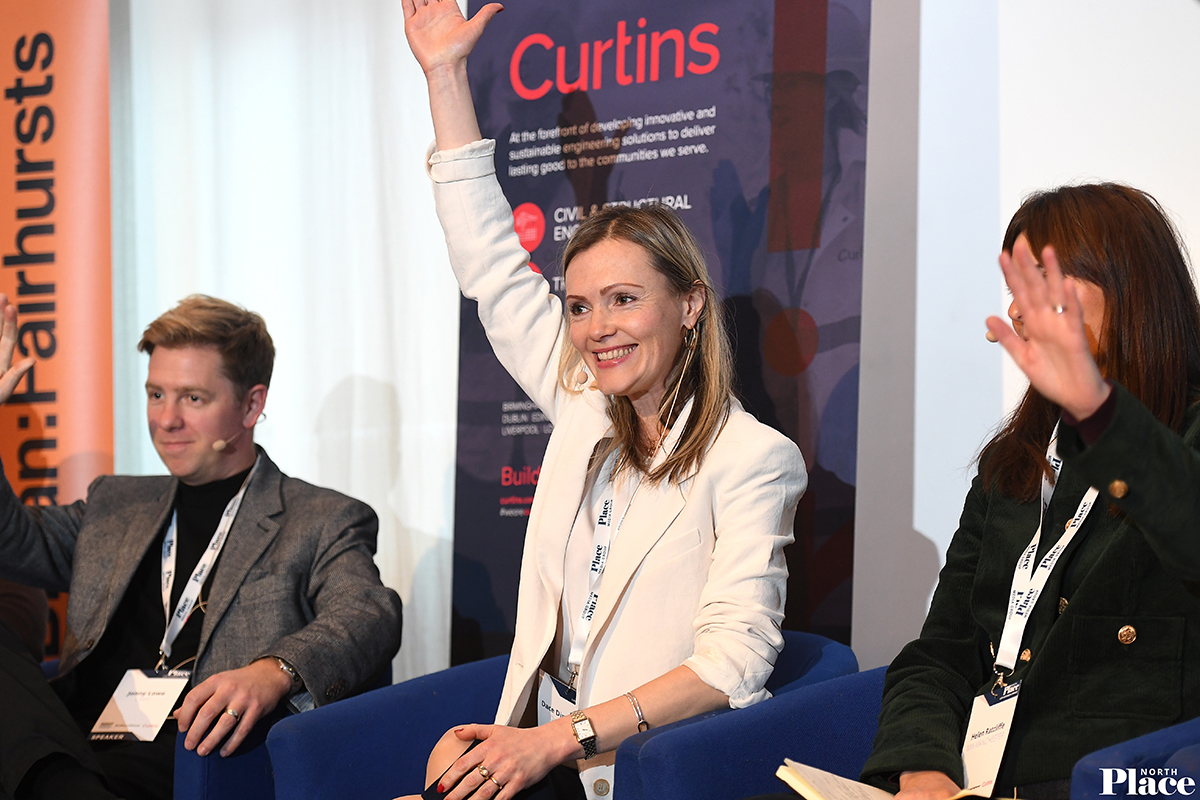
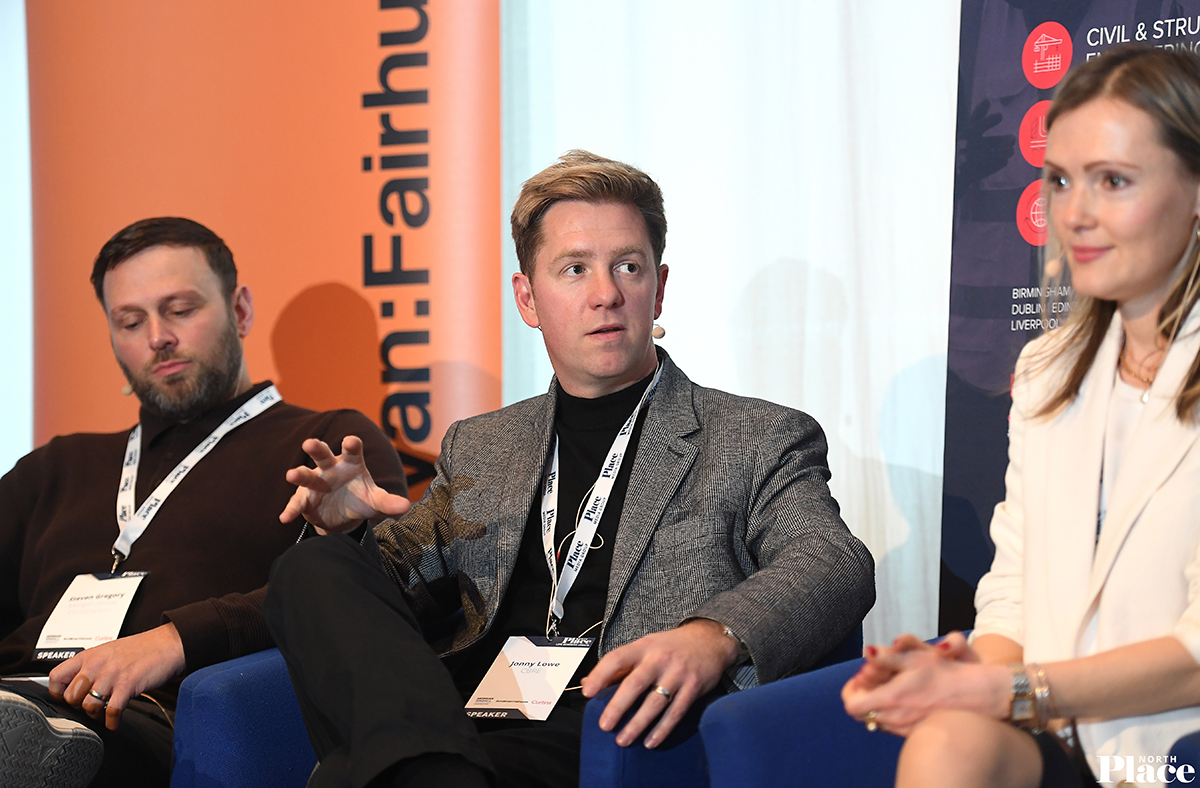
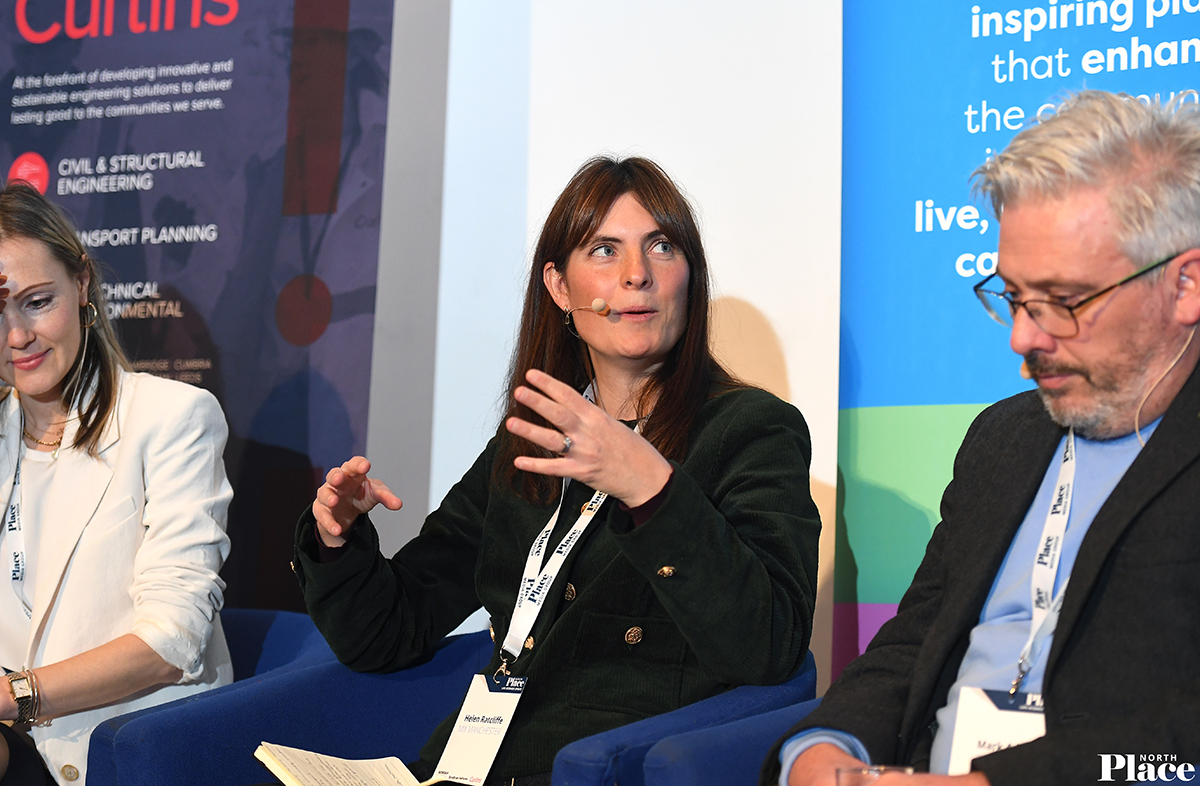
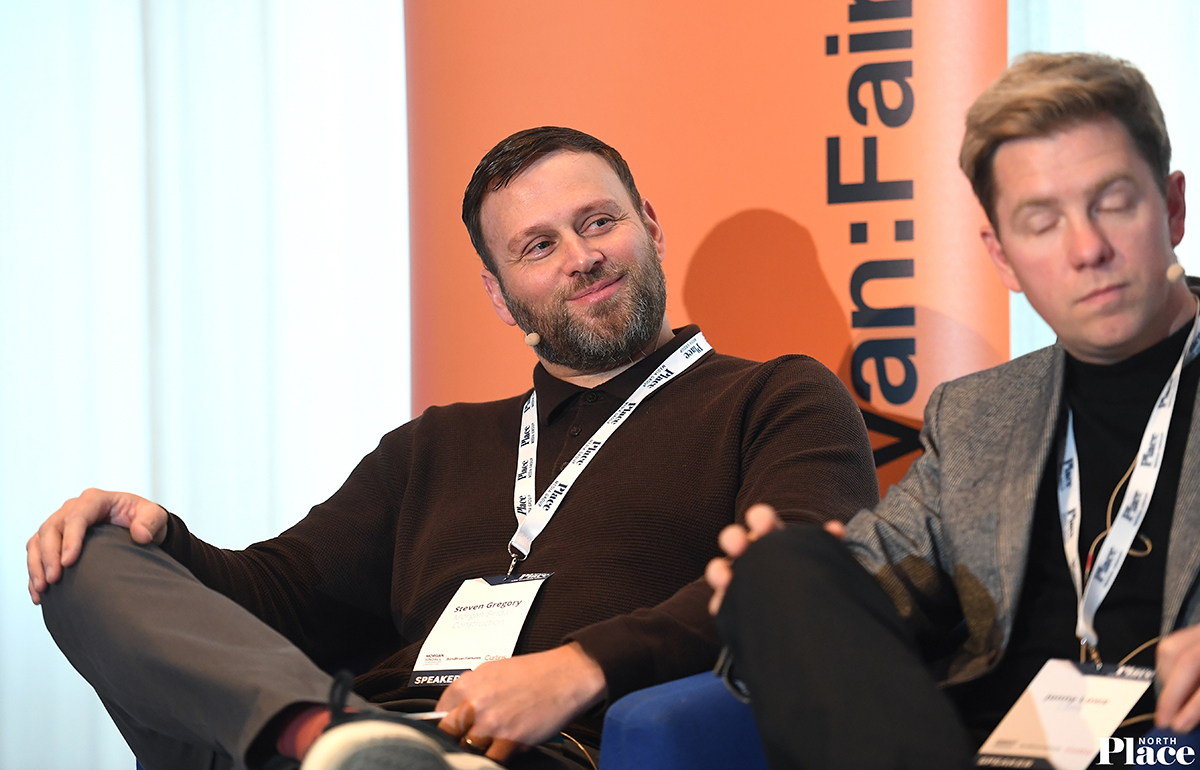
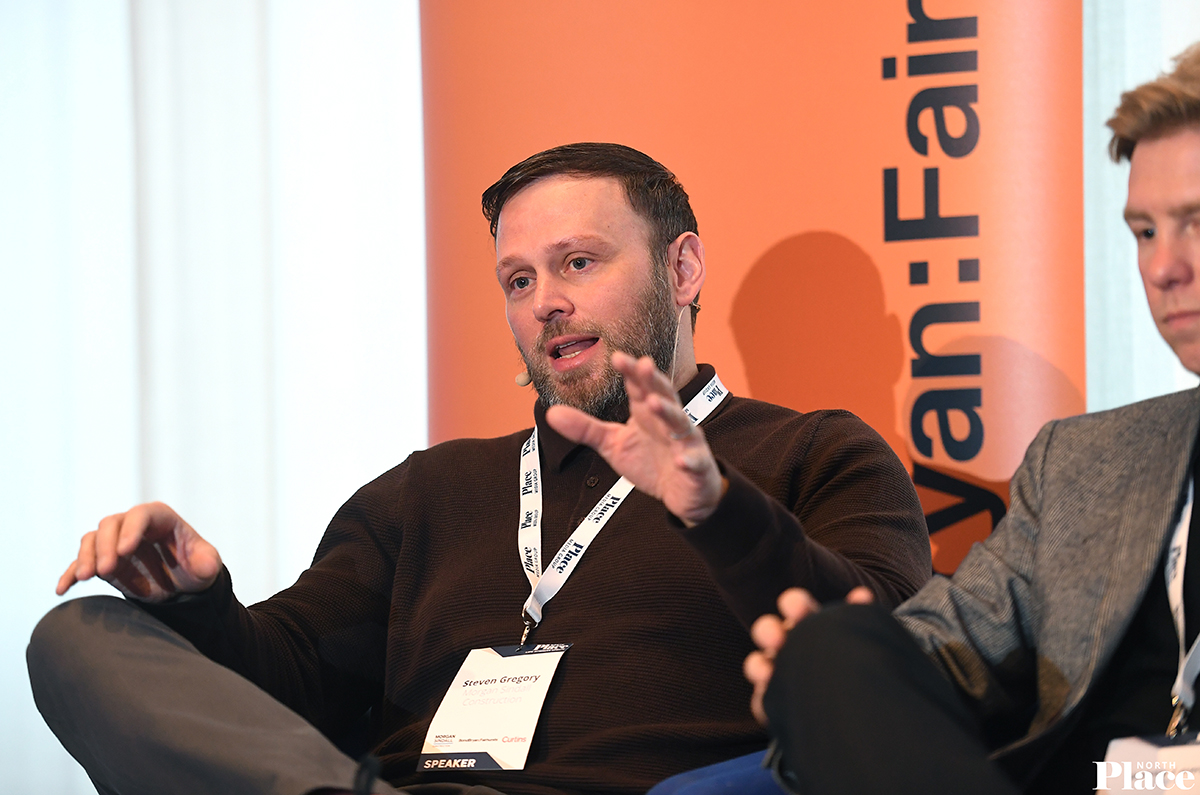
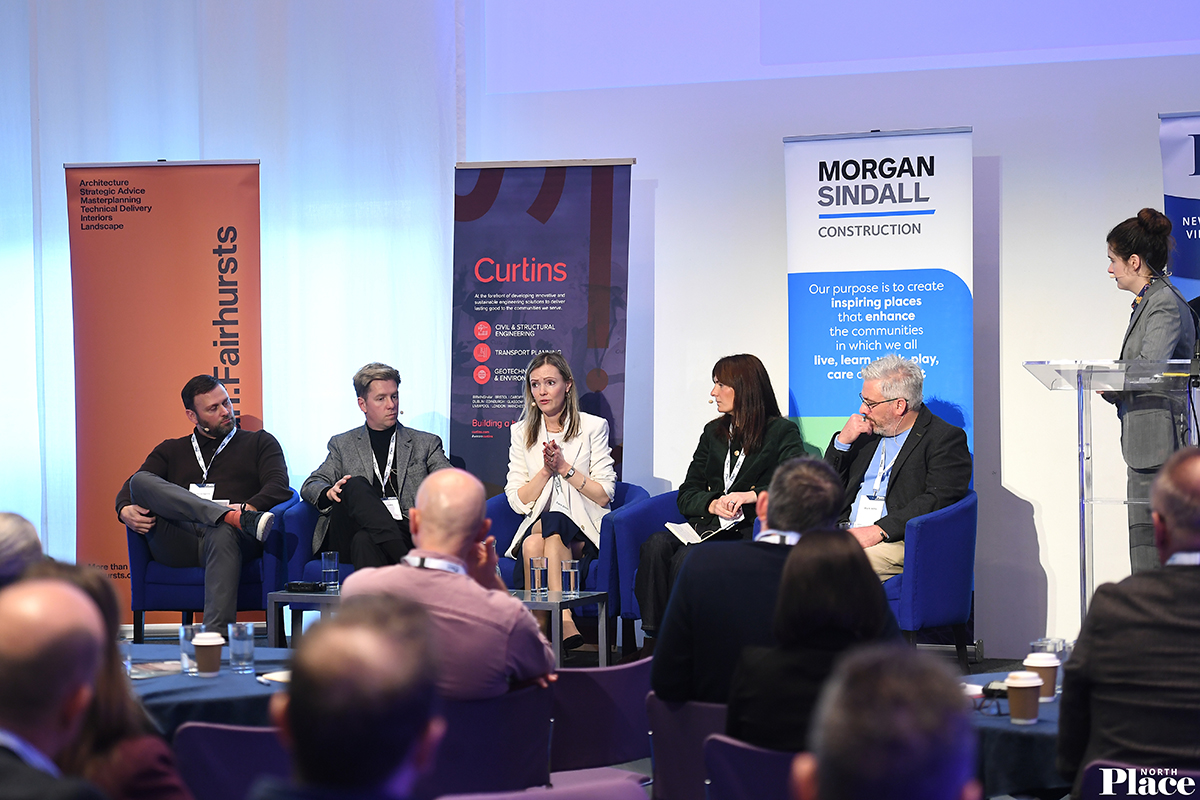
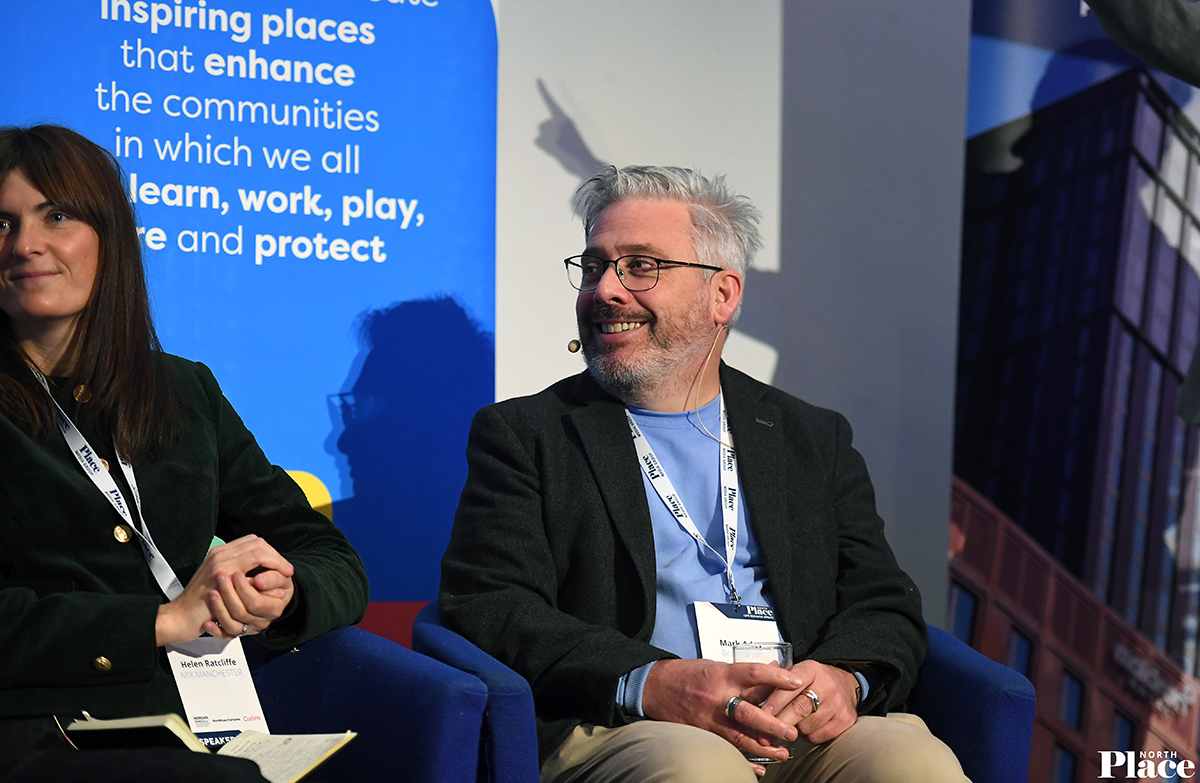
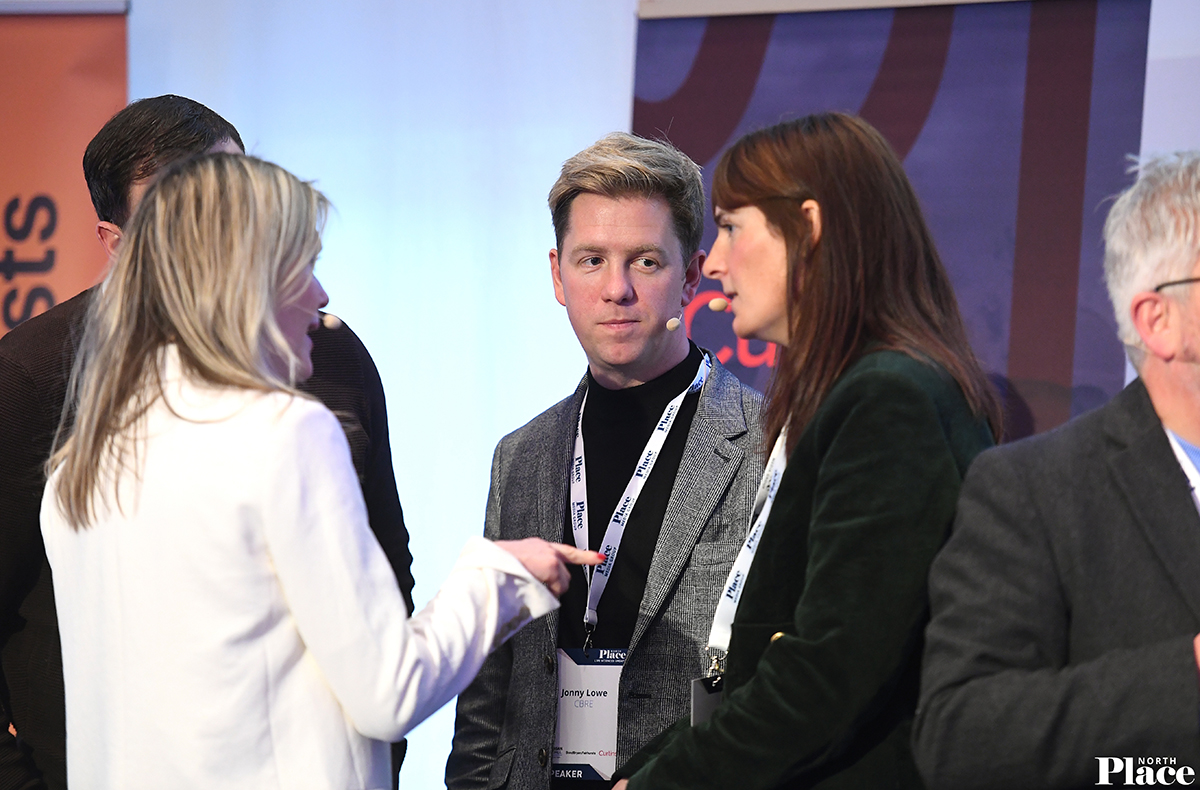
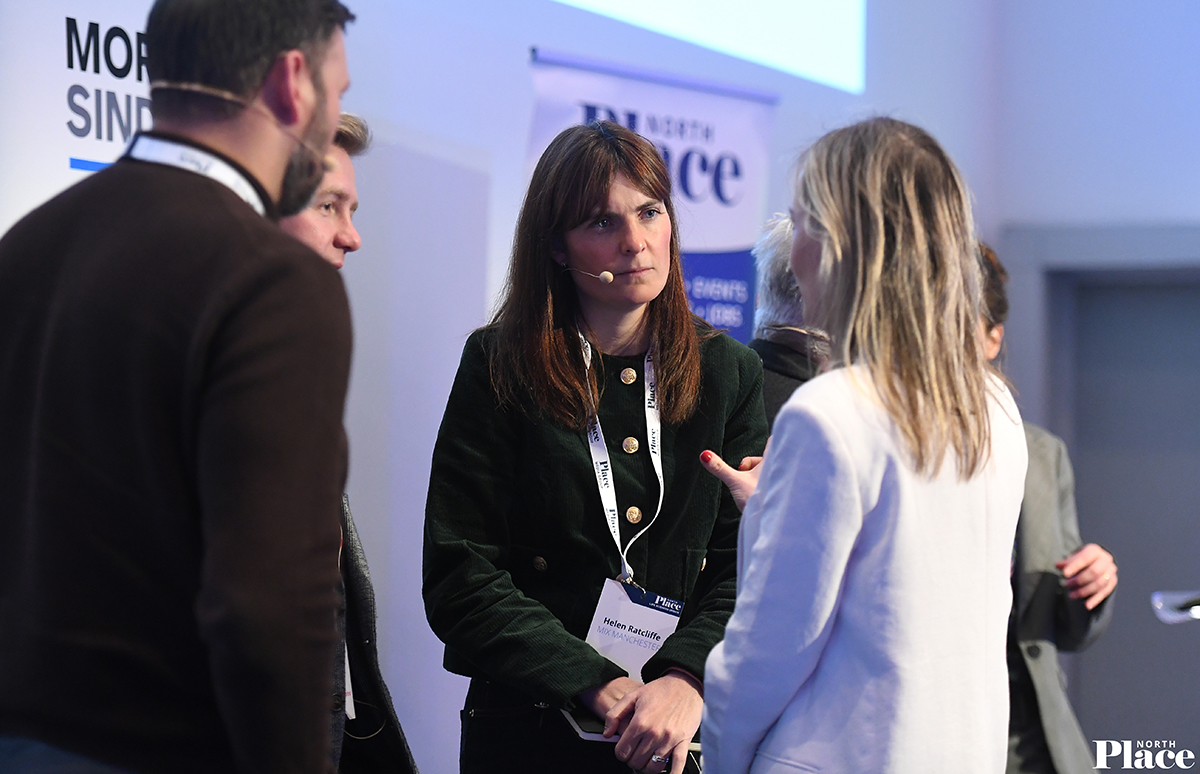
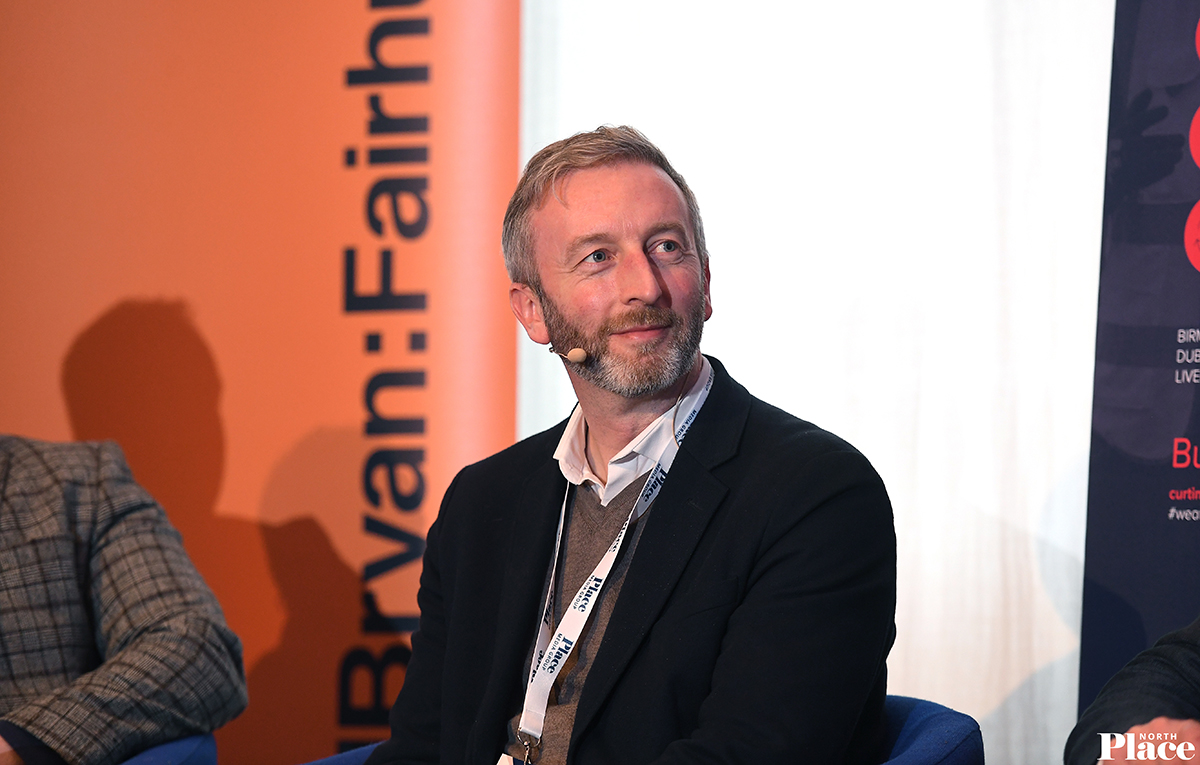
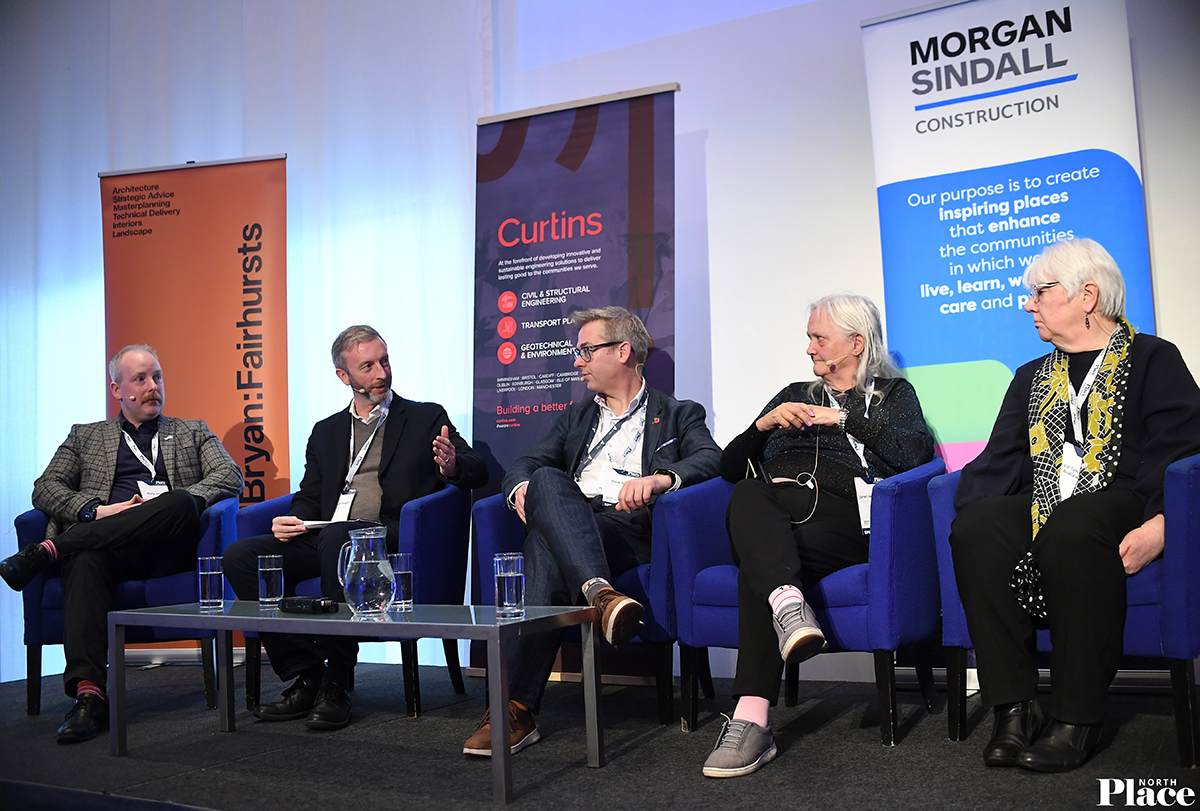
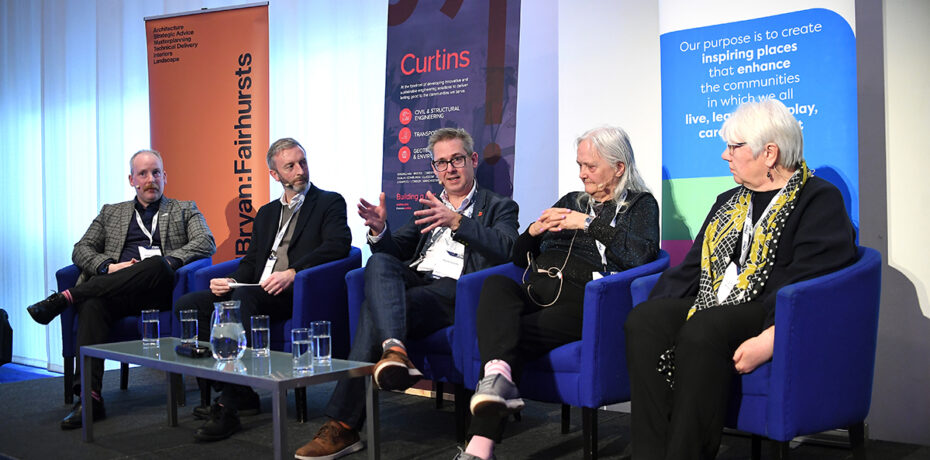
The first panel included Morgan Sindall Construction’s Steven Gregory, CBRE’s Jonny Lowe, Department for Business, Science, Innovation, and Trade’s Dace Dimza-Jones, MIX Manchester’s Helen Ratcliffe, and BondBryan:Fairhursts’ Mark Adey. Credit: Place North
Changing requirements
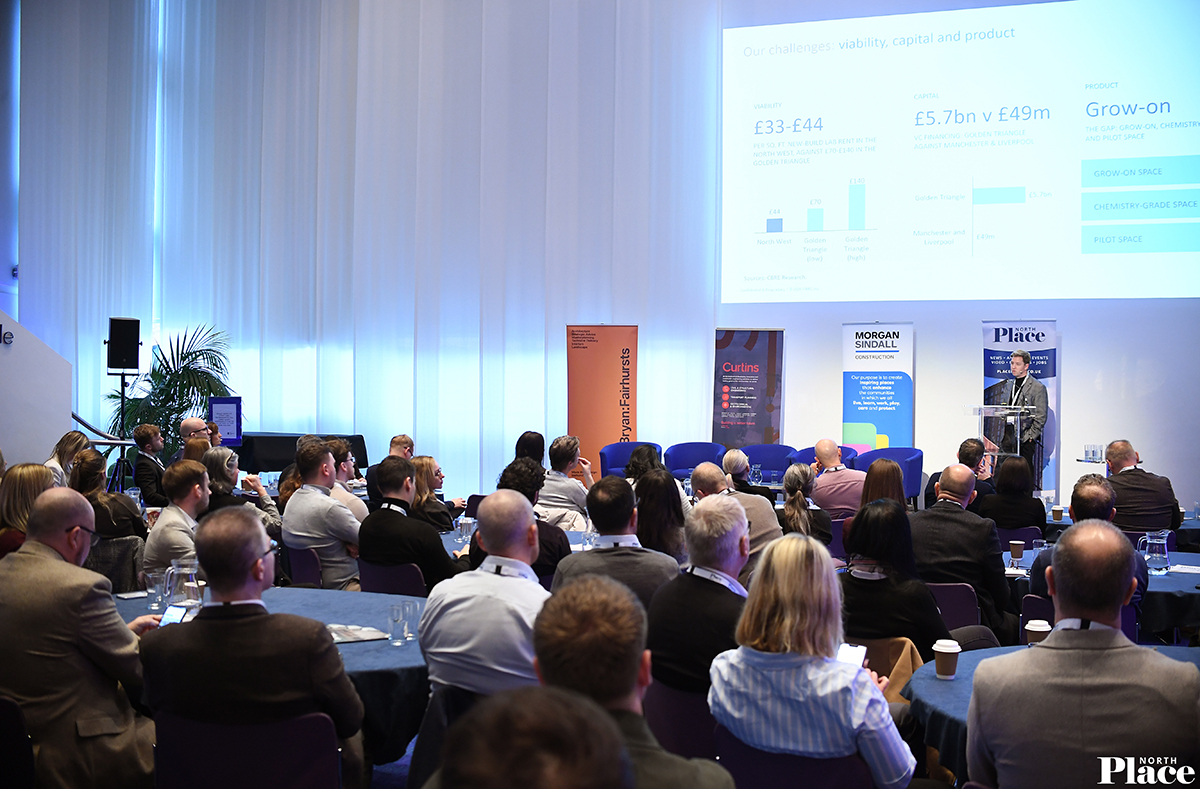
A presentation from CBRE’s Jonny Lowe showed that occupiers are not flocking to the same types of labs they gravitated towards five years ago. The demand for wet space is down, while offices and analysis areas are in demand. While the ratio was previously 80:20 in favour of wet labs, it’s now more 20:80.
Increasing security requirements for Containment Level 3 labs, which work on high-risk microbes, is also due to make a series of existing CL3 labs absolute, according to IICON’s Janet Hemingway.
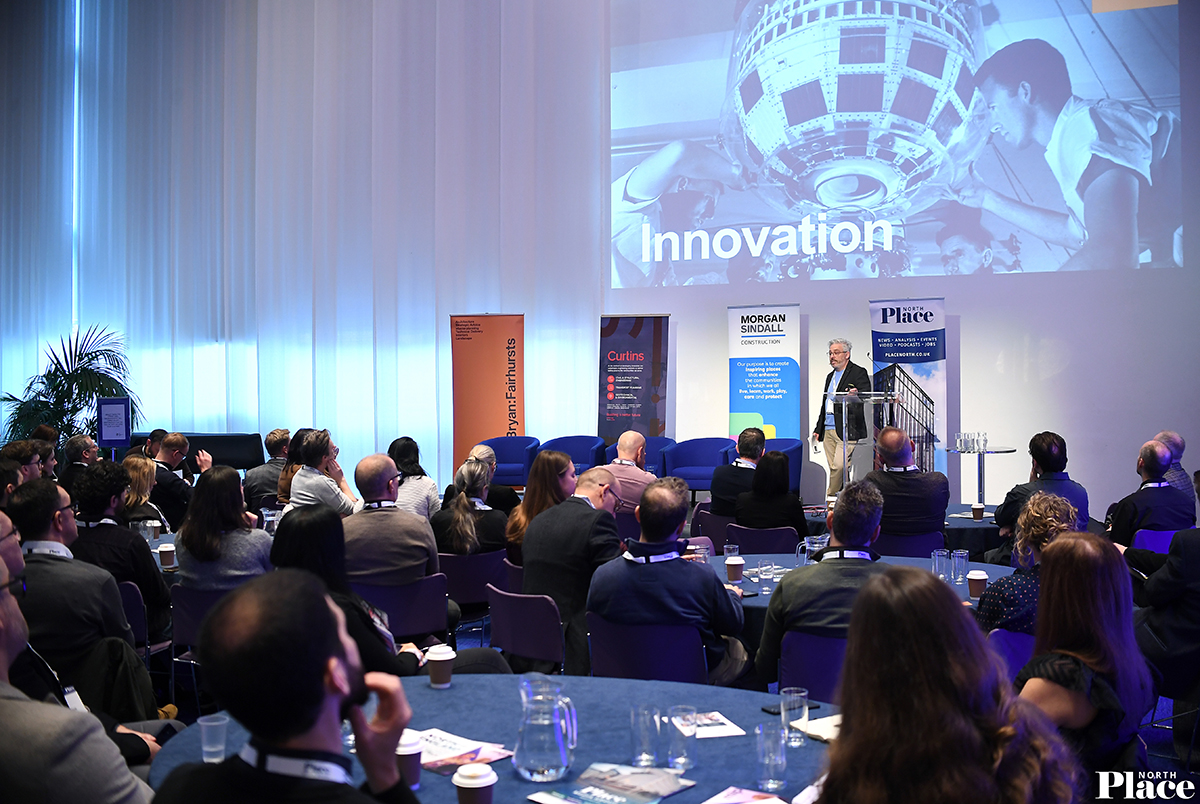
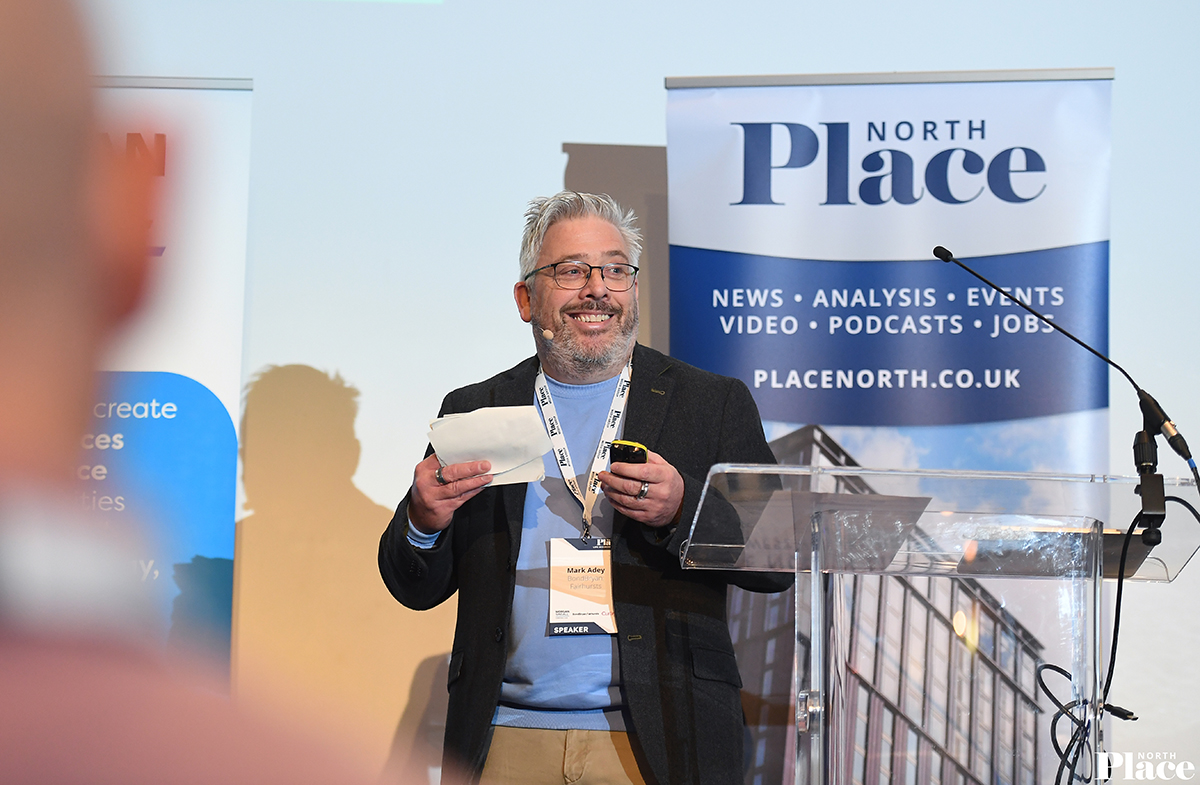
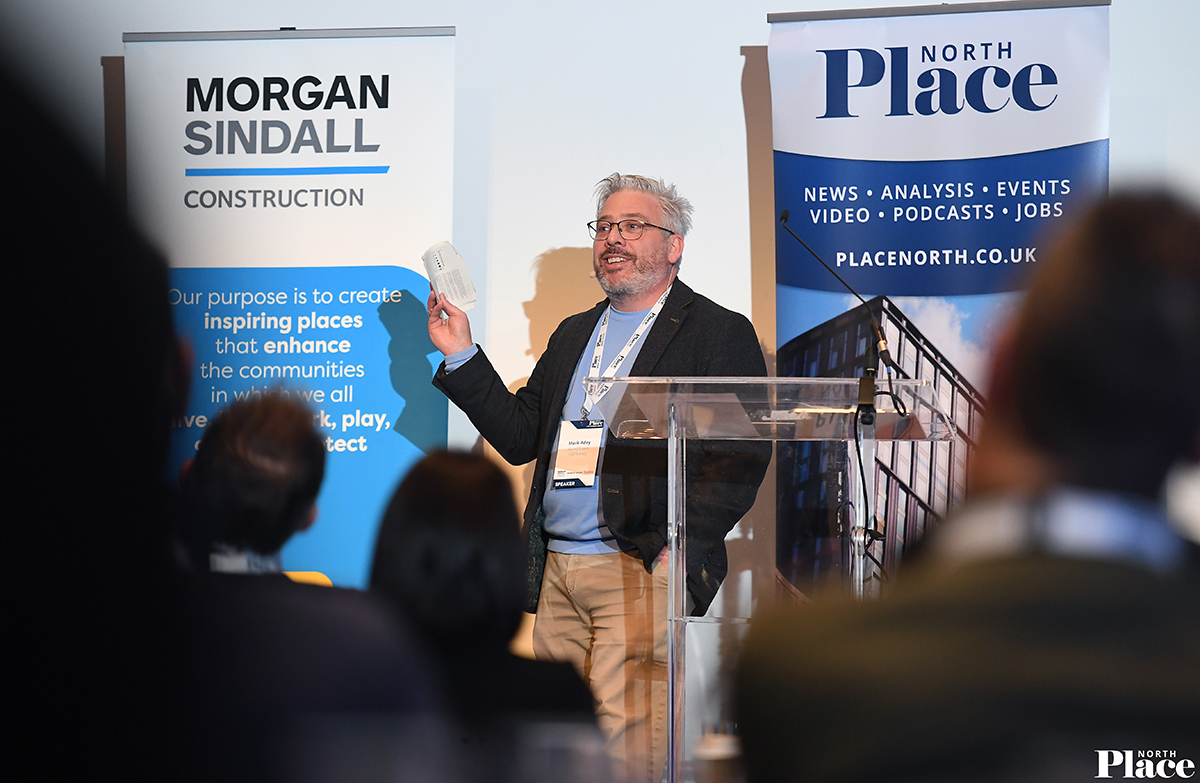
Overarching themes were the need for more flexible space. A presentation from BondBryan:Fairhursts’ Mark Adey showed off the firm’s FUSE initiative, which presents more generic floorplates that can be adjusted as required, making for buildings that are more sustainable but also have more longevity baked into them.
While much of previous years’ conversations around labs had focussed on start-up spaces, this year the discussion was about scale-up. This is where the North can really shine, according to the Department for Business, Science, Innovation, and Trade’s Dace Dimza-Jones.
The North can offer an opportunity for start-ups from more expensive areas, such as Cambridge and London, to secure high-quality space for less than they’d pay elsewhere – and without sacrificing on an ecosystem.
That ecosystem is so incredibly important,
Liz Towns-Andrews of the National Health Innovation Campus also made the case for bringing people into the design phase early doors, something that she and her team at the University of Huddersfield are working on when it comes to their seven-building masterplan.
While health and life sciences as a tool for regeneration was not discussed at length, it was evident that it has real job-creating power by conversations around NHIC, MIX Manchester, and Health Innovation Bolton.
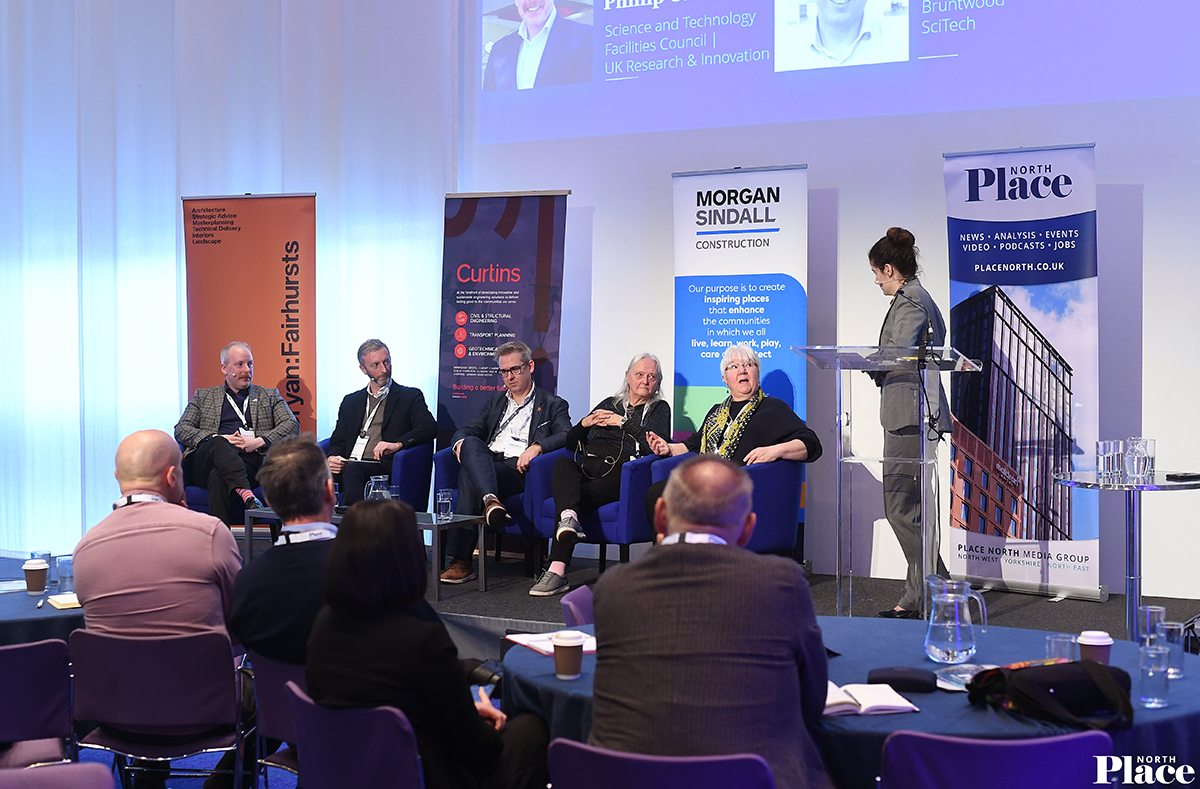
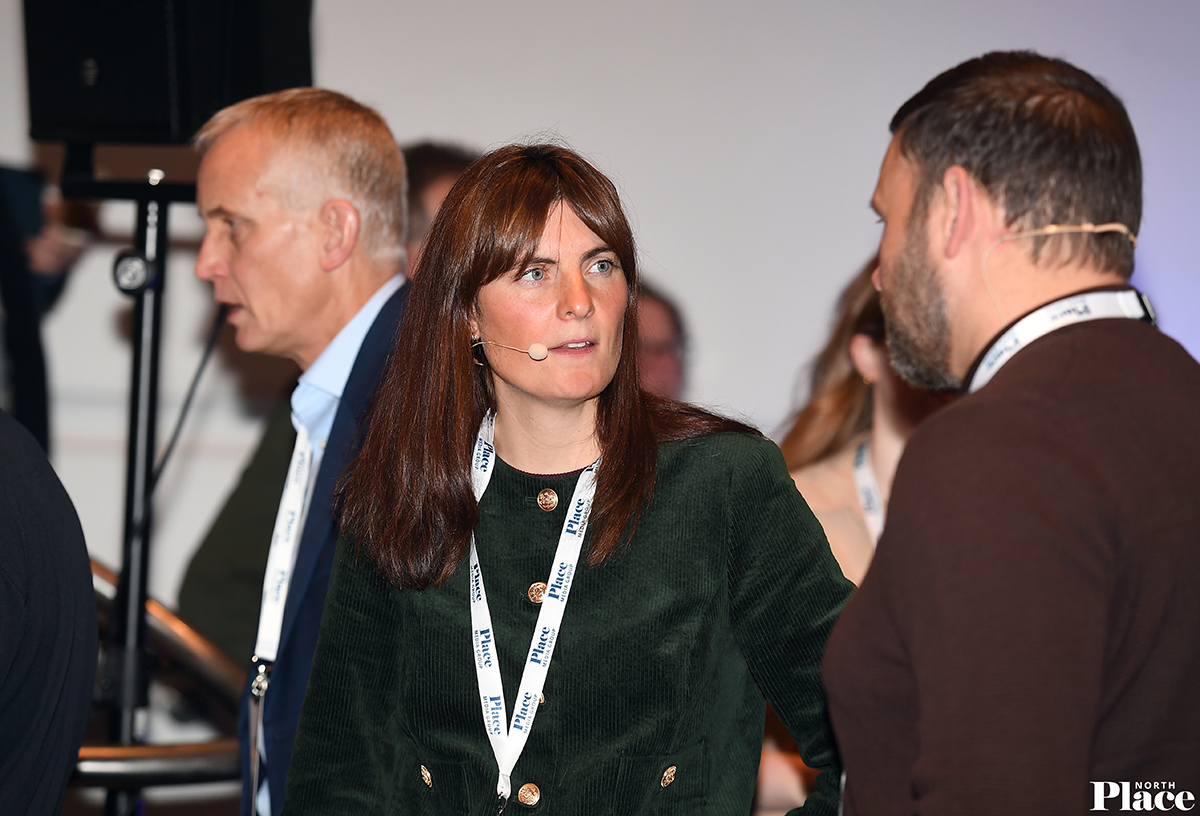
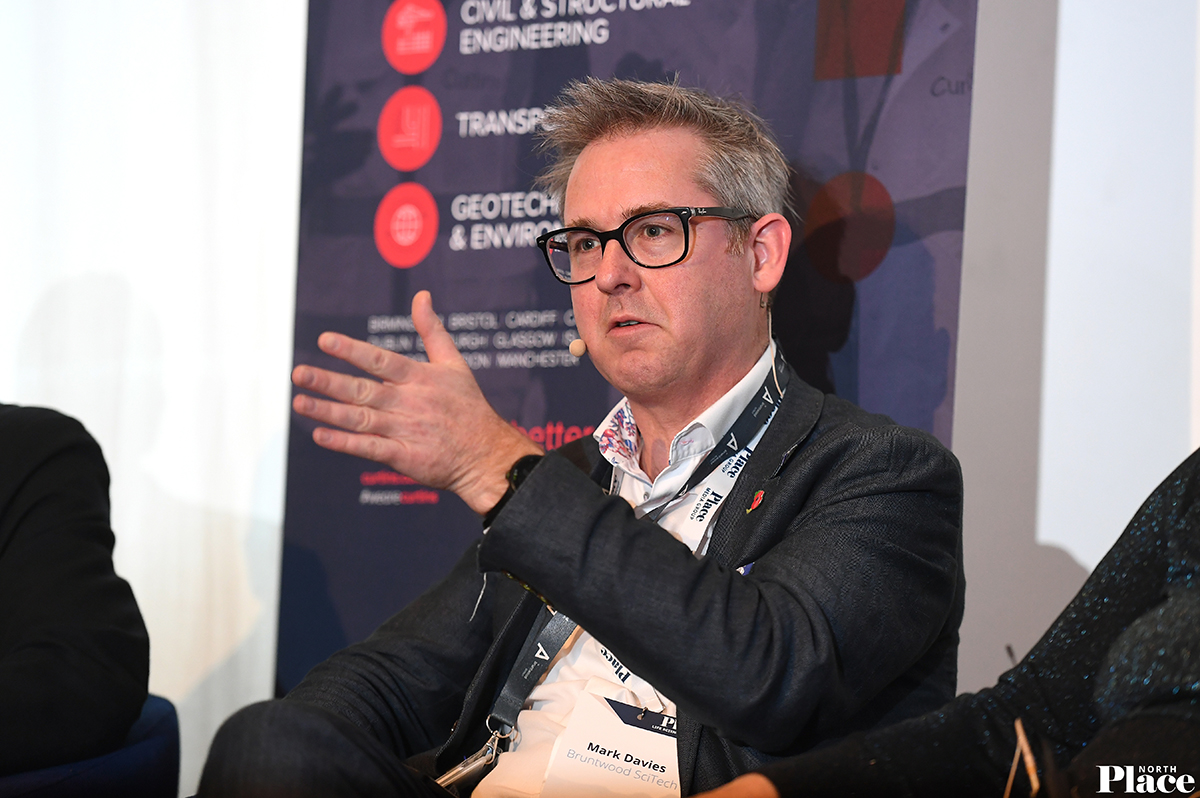
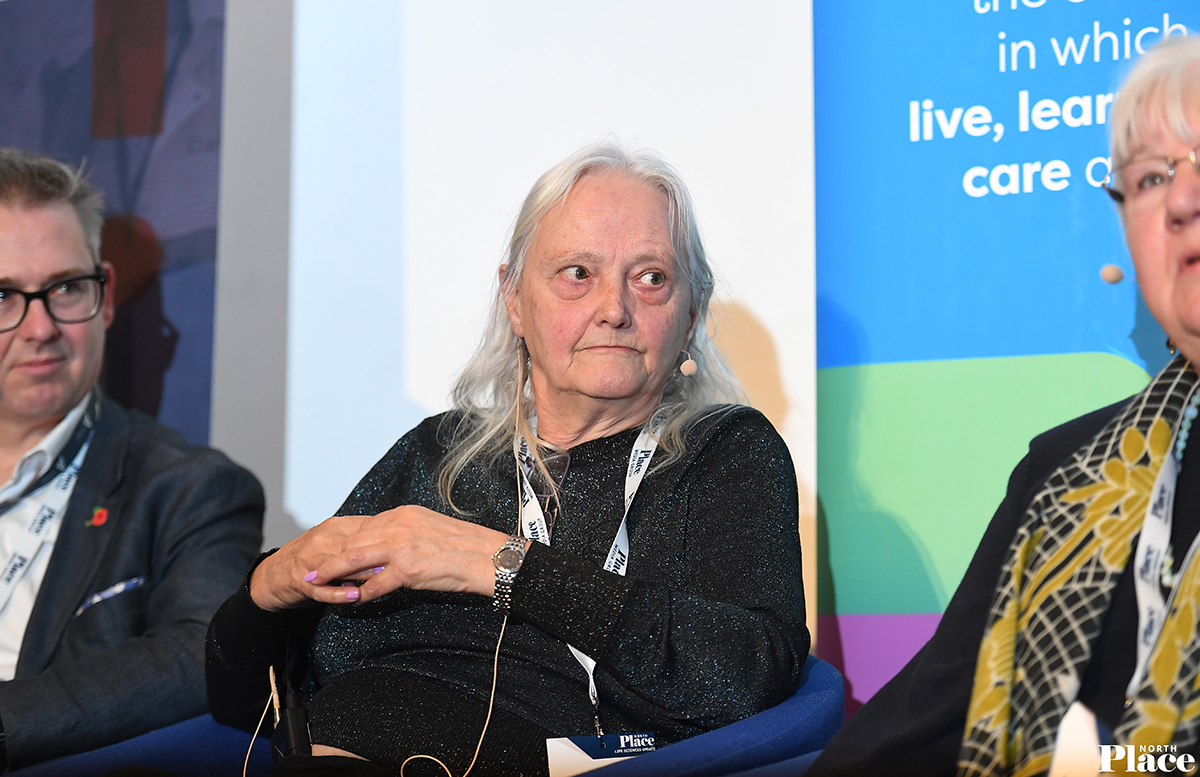
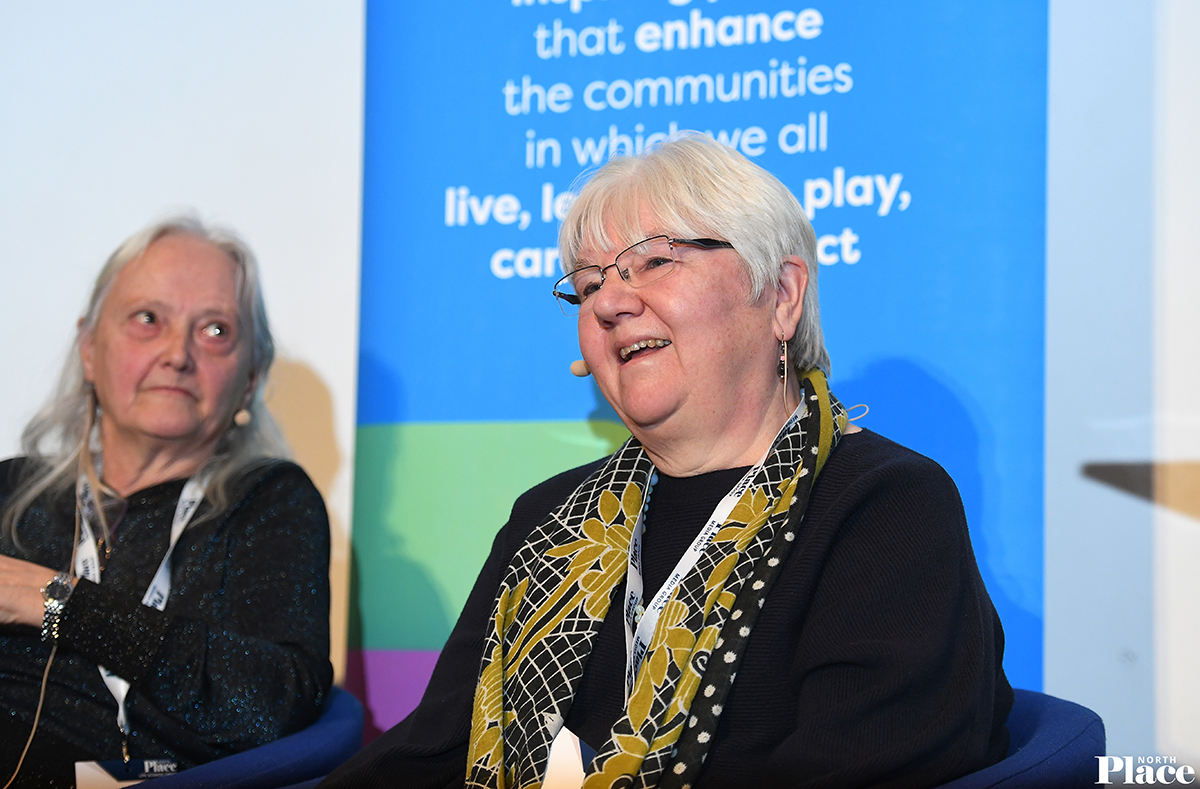
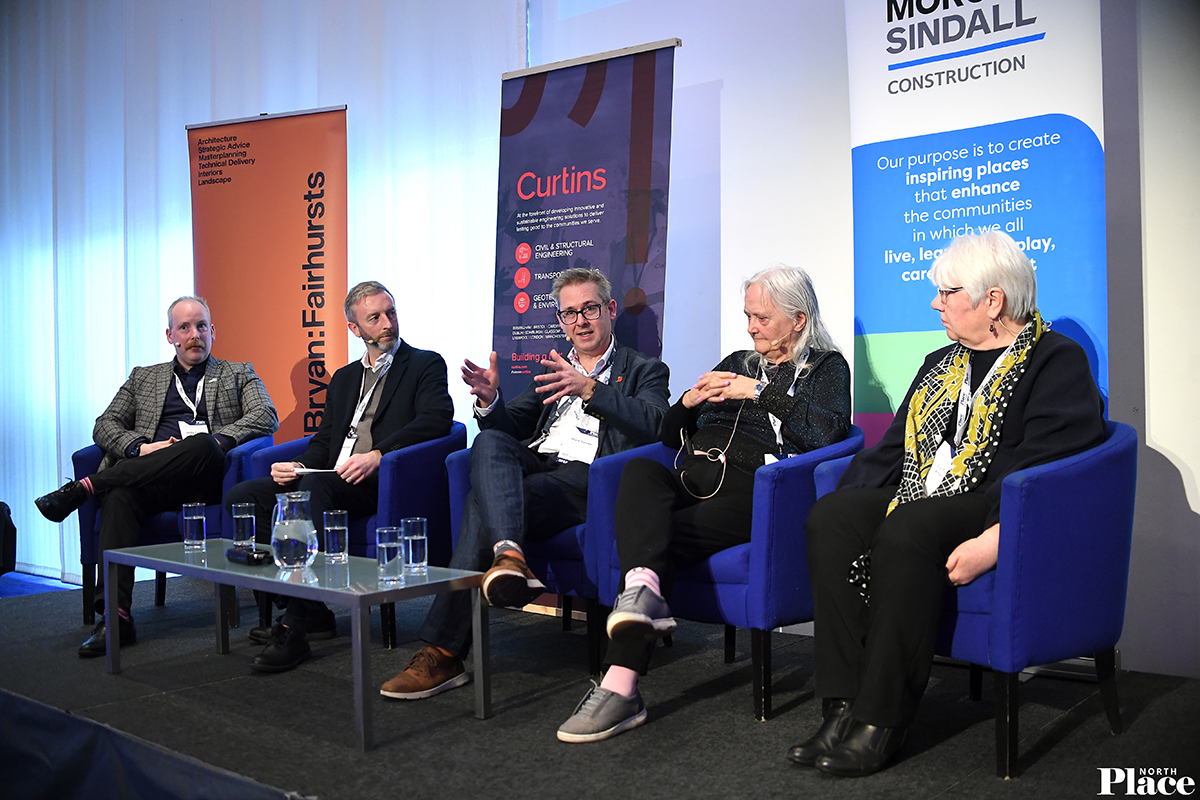
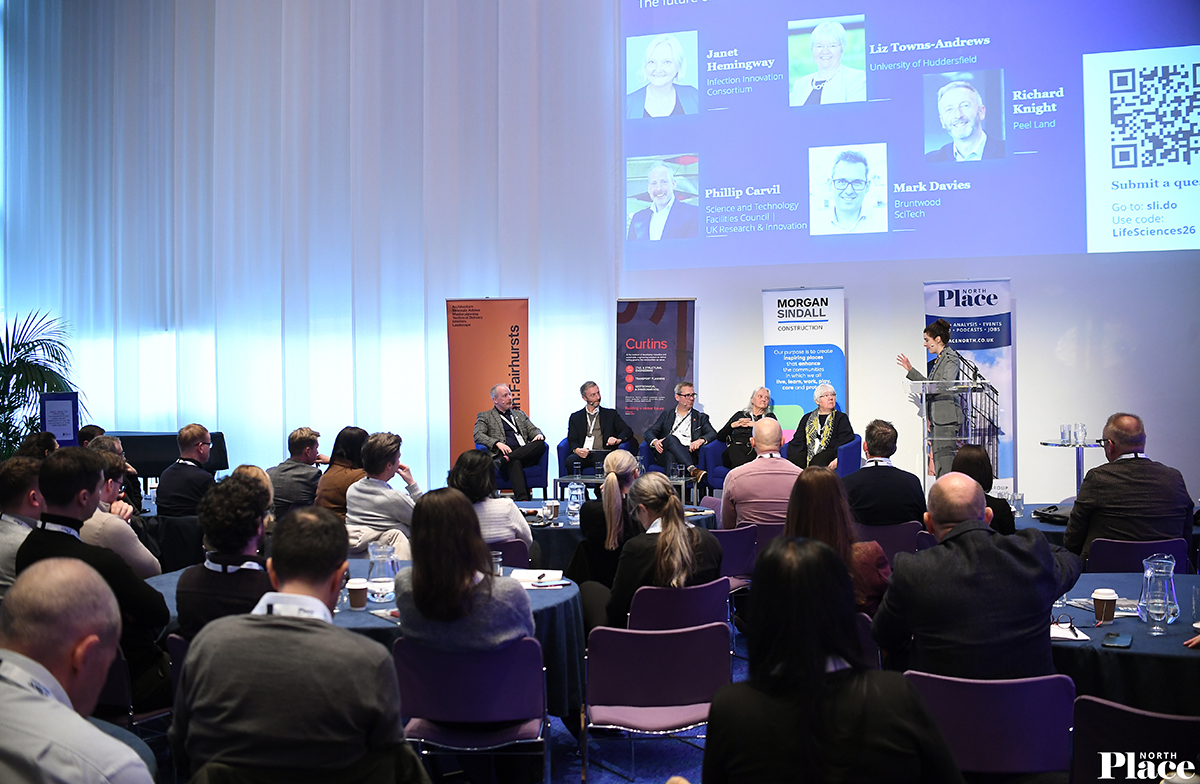
The second panel of the day included UKRI’s Phillip Carvil, Peel Land’s Richard Knight, Bruntwood SciTech’s Mark Davies, IICON’S Janet Hemingway, and National Health Innovation Campus’s Liz Towns-Andrews. Credit: Place North
Moving from globally competitive to globally renowned
It was agreed that the North should not be trying to compete with the high-profile Golden Triangle, instead it should find ways to complement it in order to bolster UK plc.
Janet Hemmingway put it well: “I think we are in a period of huge opportunity but also huge threat.” She pointed to the funds coming into the sector and the fact that many areas in the UK are competing against each other. Instead, we should push to differentiate ourselves, embrace technology, and do so at scale.
Part of that comes down to each and every single person in the room, said UKRI’s Phillip Carvil. People need to talk their area up more wherever they are – particularly if they’re going on holiday. “The amount of impact you make from those indirect conversations and from championing where you live, work, and breathe makes a huge difference,” he said.
Other comments revolved around the need to get “the pitch”, so to speak, right – but also to have the public sector really invest in the sector and give that confidence to the industry.
What’s next?
2 December – Economic Forecast Lunch: The North in 2027
10 December – Sheffield | Delivering Growth, Defining Opportunity
28 January – Lancashire Development Update
4 February – The Yorkshire Real Estate Summit
11 February – Midlands Property Lunch
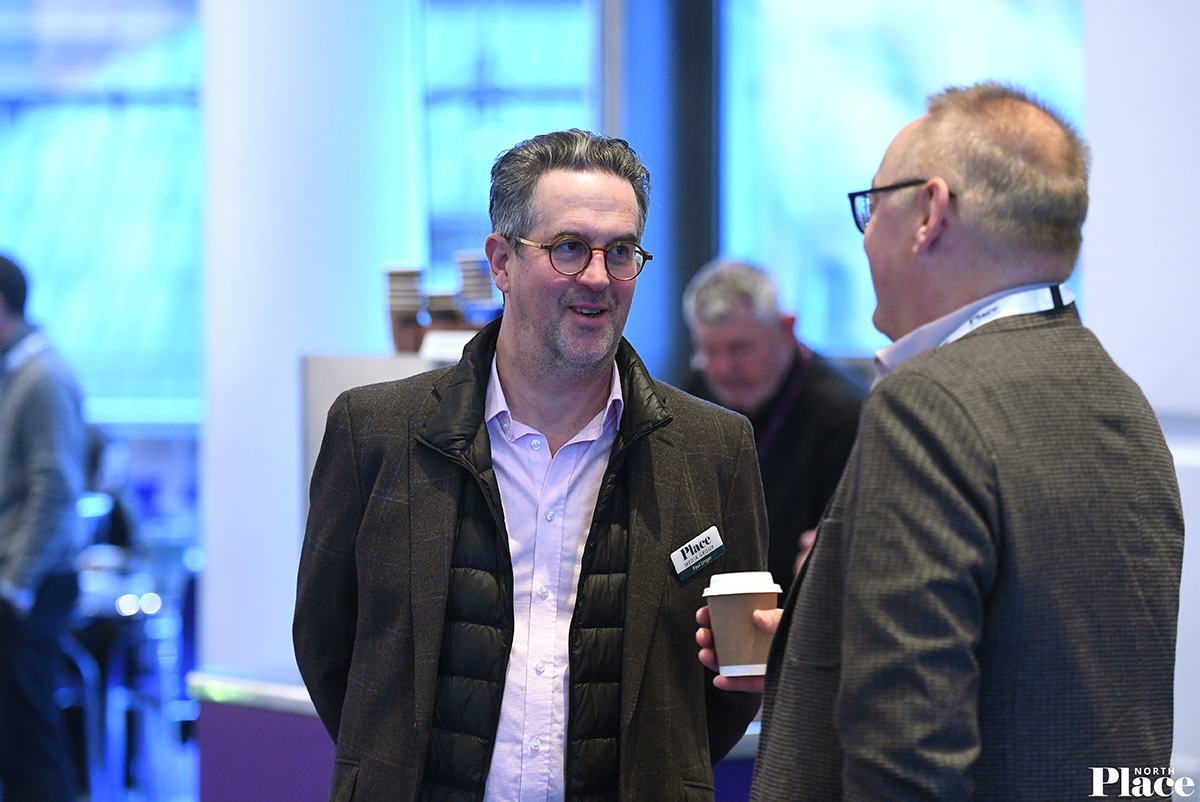
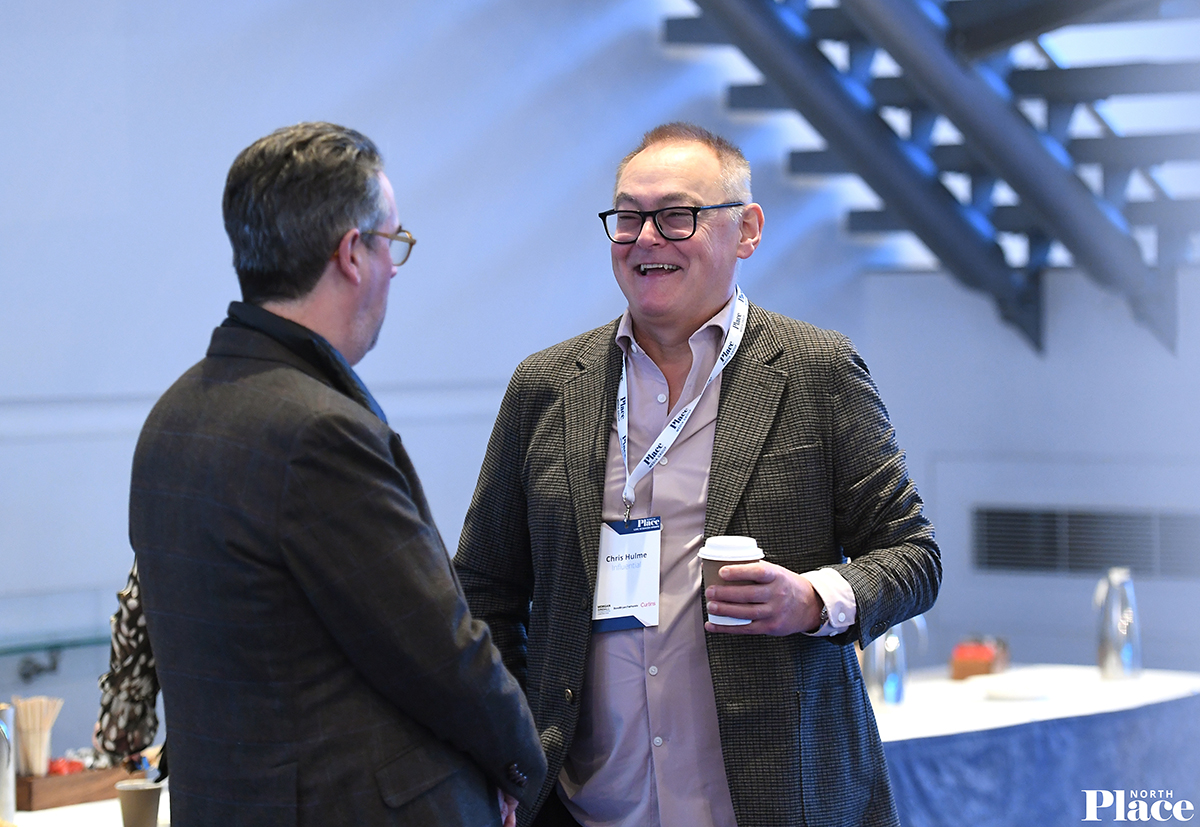
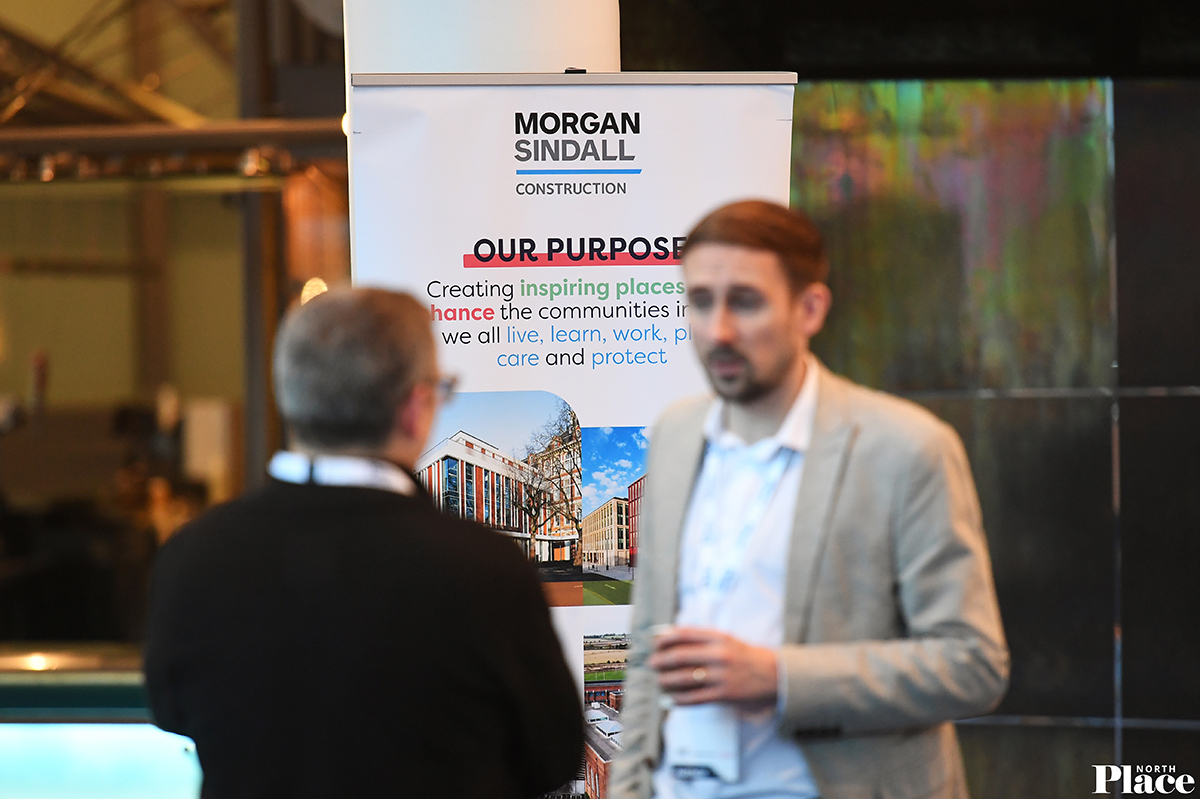
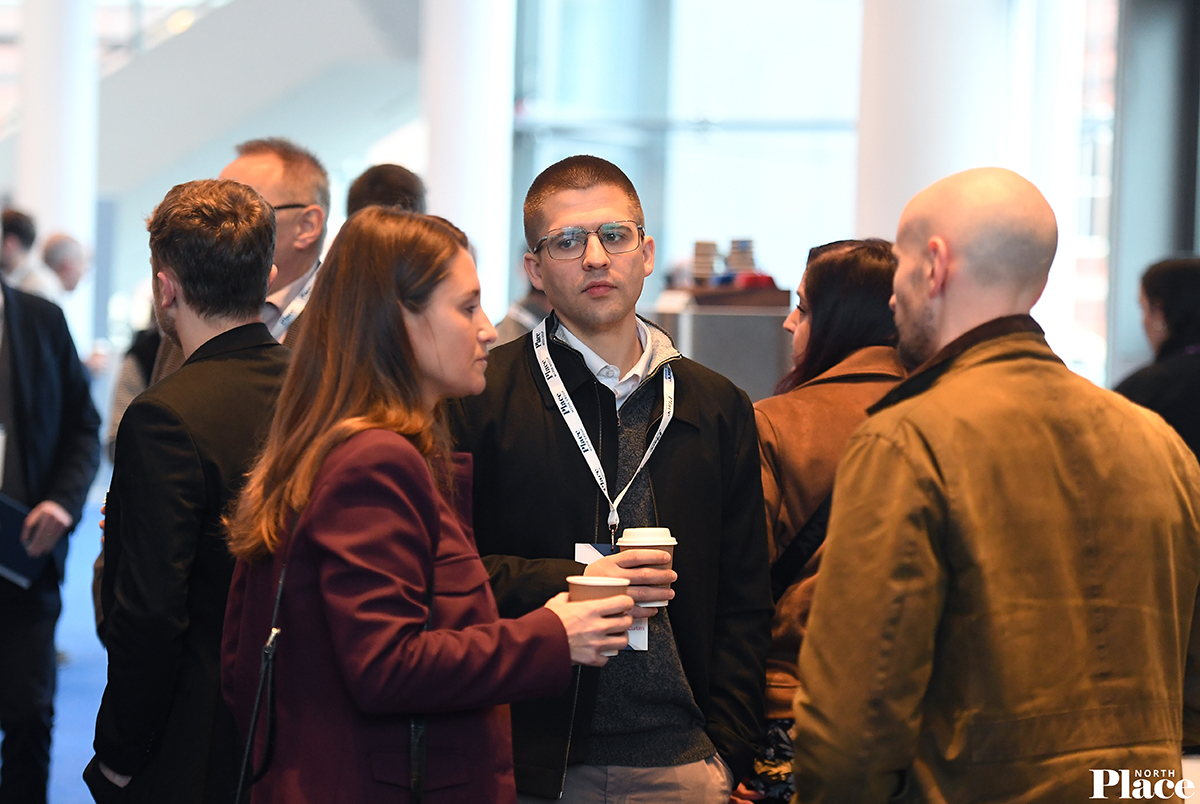
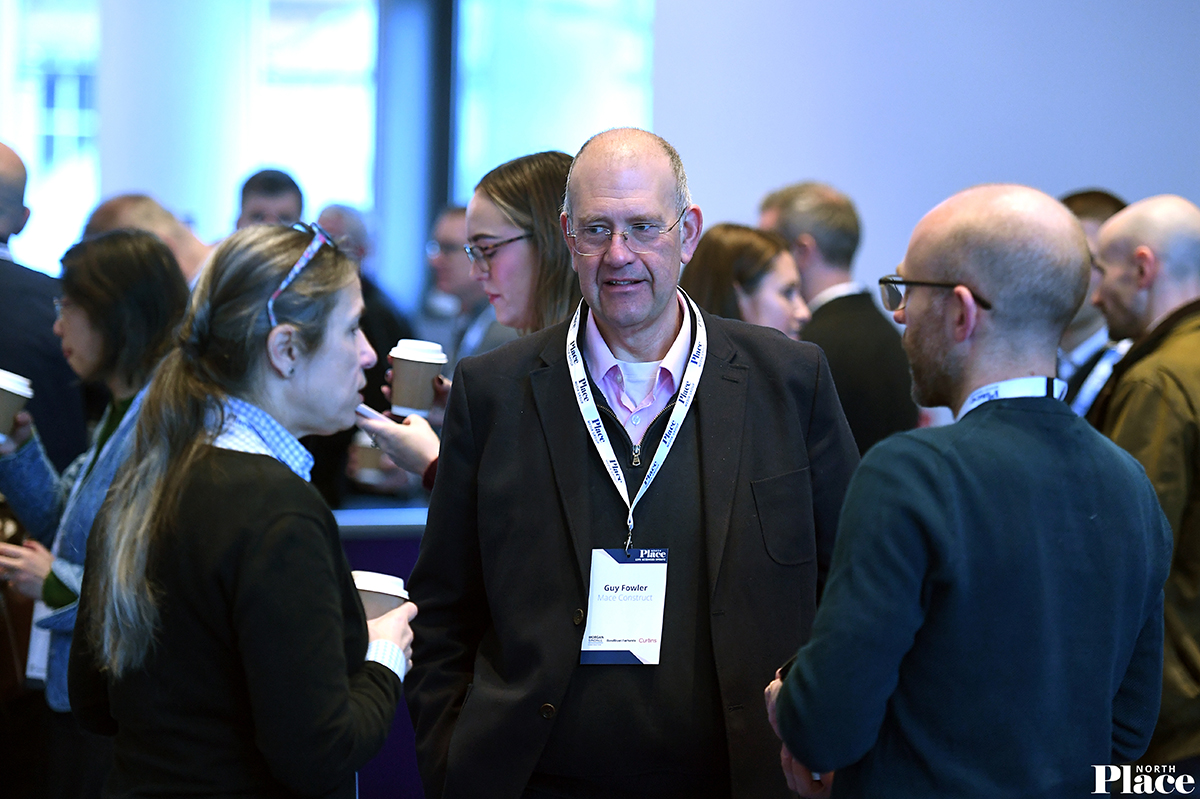
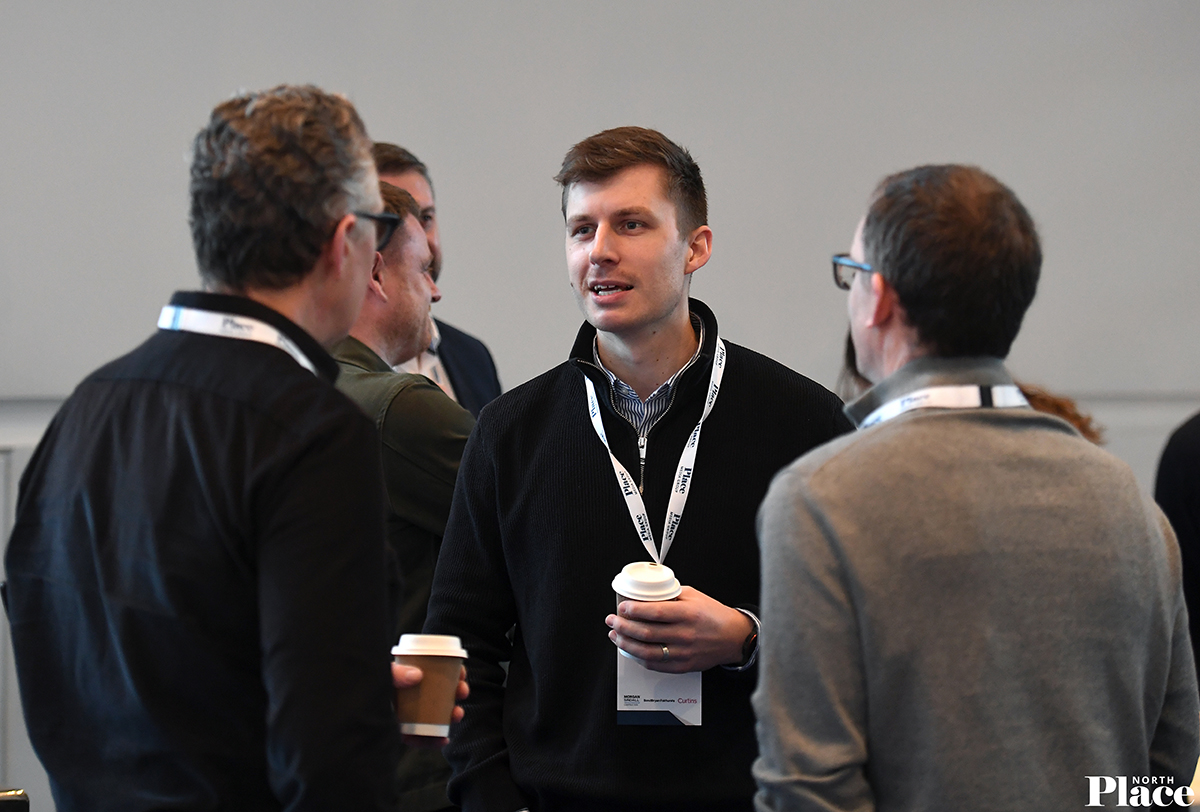
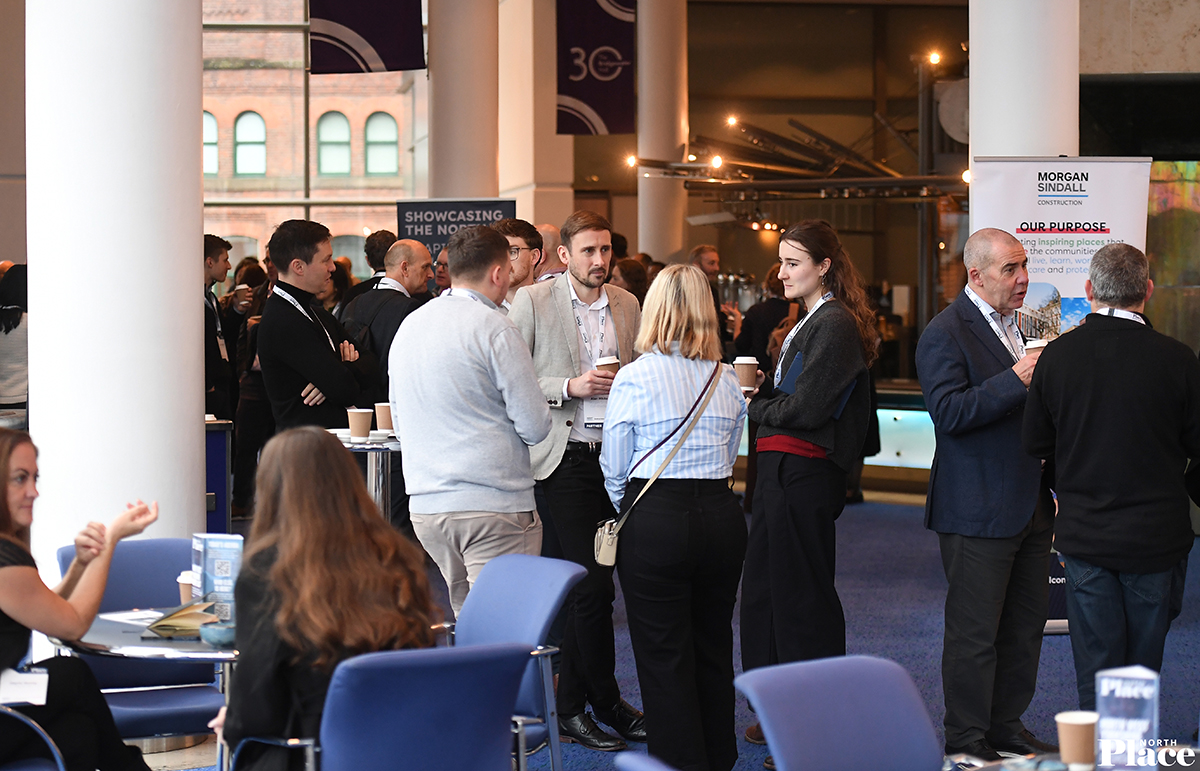
Gallery
Click any image to launch gallery