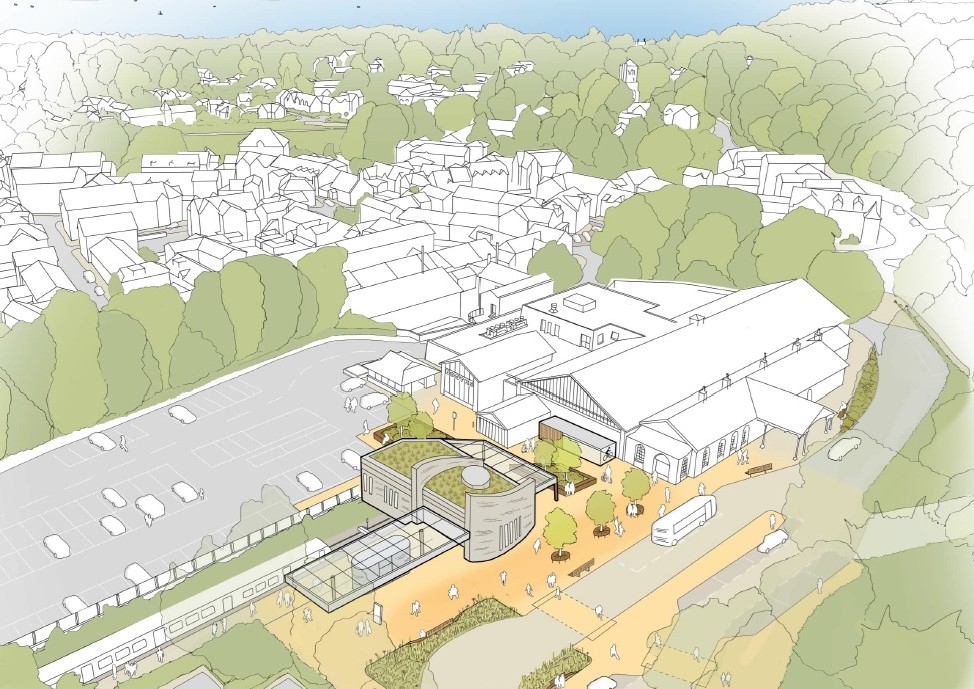
Lake District unveils design code
New developments should “enhance local distinctiveness, sense of place, and respond to the climate emergency and biodiversity challenges of today,” according to a draft guide drawn up by the national park authority.
The local authority is seeking public feedback on the draft design code, with a consultation running until the 15 May.
Environmental consultant LUC is working with Lake District National Park on the regulatory document.
The design code seeks to reinforce the area’s unique heritage by providing direction for building, conversions, and alterations.

Local grey slatestone is a dominant building material. Credit: via Lake District National Park Authority
Proposals focus on more than just appearance. Future projects should also aim to reduce carbon emissions and enhance biodiversity.
The guide focuses on four development types to guide decision-making on planning applications:
- New homes: Must be constructed of local building materials, with slatestone being the most dominant. Each town has its own distinct character, but common characteristics include slate roofs and water-tabling
- Conversions: Must consider the impact on heritage assets. When converting a traditional building, the original plan and massing must be maintained
- Extensions or alterations: Existing green features such as hedgerows and ponds must be retained
- Shopfronts: Frames and signs must be made from a selection of materials, including timber and terracotta. Avoid thick and bulky window frames.
All design and access statements must also include a context study of the site. This includes natural features such as local habitats, common architectural details, and the function of the site within its wider context.
- READ MORE: Lake District Design Code