


Commentary
How Bury’s town centres are building for tomorrow
Greater Manchester faces a long‑standing north–south economic divide but Bury is showing what strong local leadership and coordinated investment can achieve, writes Paul Lakin of Bury Council.
Bury town centre is outperforming national trends, anchored by its nationally renowned market, which continues to draw thousands of visitors each week. The Rock remains the leading retail destination for north Greater Manchester, and the council is working with Bruntwood on the redevelopment of the adjoining 15‑acre Millgate site.
Transport for Greater Manchester will soon begin construction of a new £90m transport interchange, creating a high‑quality gateway into the town. Bury Interchange is already the busiest Metrolink station outside central Manchester.
A major addition to the town centre offer will be Casewell’s, a £25m hall opening in autumn 2026. Positioned between the new interchange and the market, Casewell’s will include 12 food and retail units, a central bar, and a dedicated performance space. It will strengthen the market’s role as a visitor attraction and create a new focal point for events and community activity.
Residential development is also moving forward. The council has launched the Pyramid Park opportunity, seeking a development partner for the 7.4‑acre brownfield site next to the interchange. With capacity for up to 150 mixed‑tenure homes and £1.7m in brownfield funding secured for remediation, the site is well placed to support sustainable town centre living. Its proximity to Metrolink and wider plans for an £80m upgrade to the interchange, including a new pedestrian link, make it a key location for future growth.
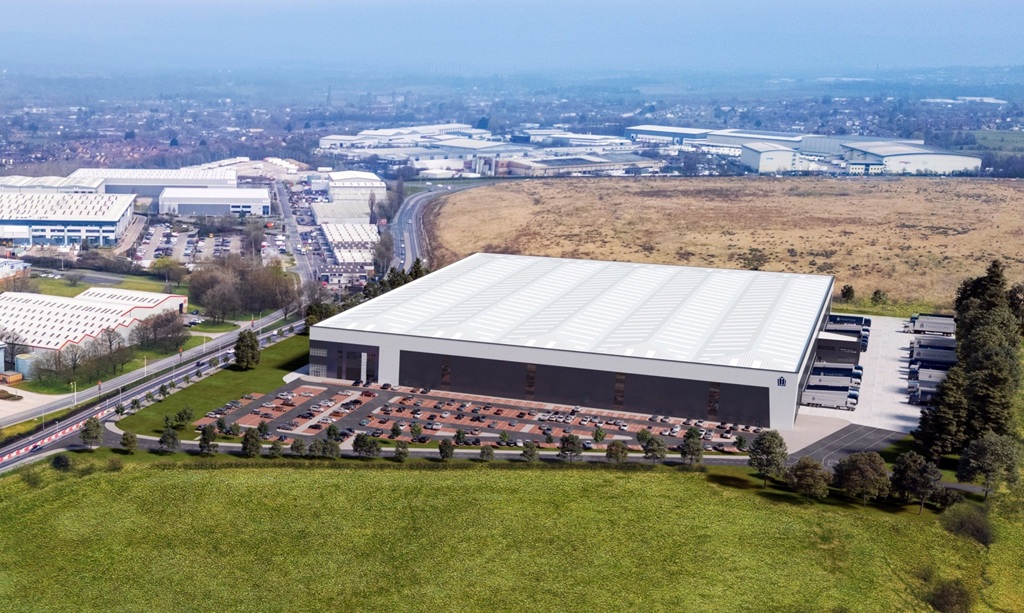
Business investment is strengthening the local economy too. Crown Oil has agreed terms with the council to deliver a 50,000 sq ft office development at Chamberhall, north of the town centre. Once complete, it will support around 200 new jobs and contribute to a more diverse economic base.
But regeneration is not confined to Bury town centre. Across the borough, investment is now translating into visible, on‑site progress that is reshaping local centres, improving connectivity, and unlocking new housing and employment opportunities. From Prestwich to Radcliffe, projects are advancing in a coordinated way, with a clear emphasis on place quality, sustainability, and putting people at the heart of development.
Prestwich Village is one of the clearest examples of this momentum. The £100m regeneration of the Longfield Centre is moving from vision to delivery. The £14m multi‑storey travel hub on Fairfax Road is under construction and due to complete in summer 2026. It will provide more than 300 parking spaces, electric vehicle charging, and cycle storage, while removing traffic pressure from the village core and enabling a more pedestrian‑friendly centre.
Detailed plans for phases 1b and 2 have now been submitted, marking a major milestone. These phases will deliver 248 new homes, including 25% affordable housing, alongside a new market hall for independent traders, expanded public realm, a larger library and community hub, and modern leisure and health facilities. Backing from the Greater Manchester Combined Authority provides funding certainty and keeps the scheme firmly on track.
Prestwich’s regeneration is shaped by extensive community engagement and is designed to strengthen independent retail, walkability, and a vibrant evening economy.
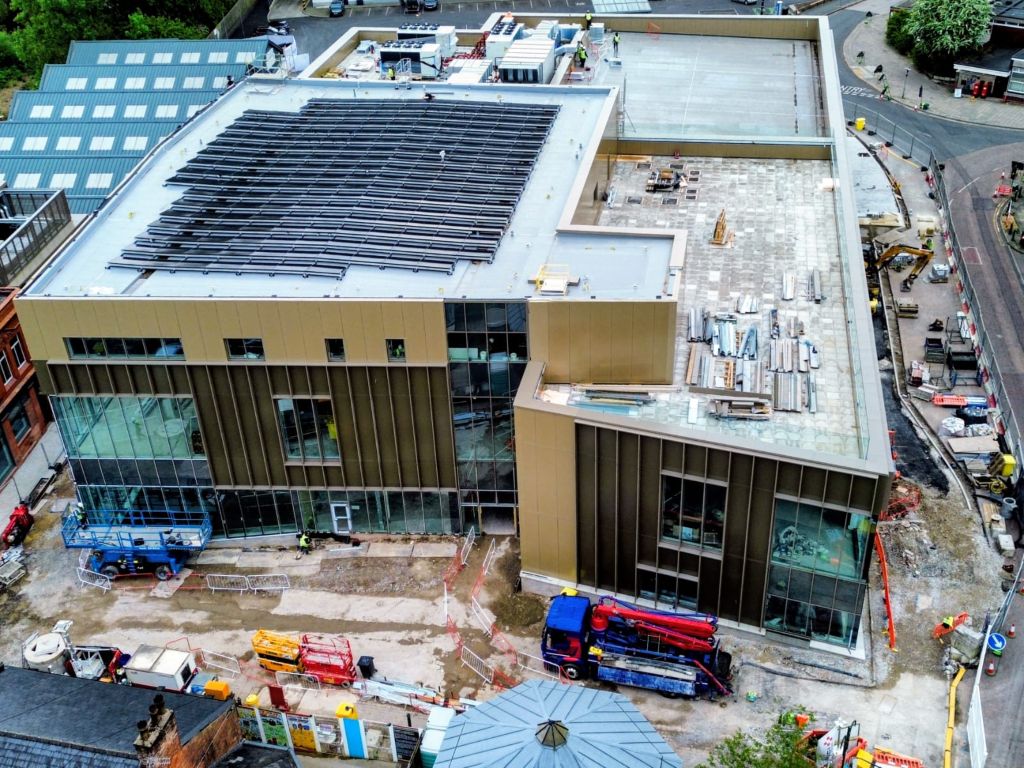
Radcliffe is also seeing significant progress. The £40m Radcliffe Hub is well advanced, with structural works complete and internal fit‑out under way. When it opens, the Hub will bring together a new six‑lane 25m swimming pool, gym and fitness facilities, a modern library, learning and community spaces, and health and wellbeing services. It will also reconnect Radcliffe Market through the refurbishment of the Market Chambers and basement, creating new space for enterprise and events.
Alongside the hub, work is progressing on the Chambers Enterprise Centre, a £2.7m project that will provide managed workspace within the existing Radcliffe Library building. The centre will offer coworking space, offices, and meeting rooms, supporting local entrepreneurs and small businesses.
Housing delivery remains a priority across the borough, with a strong brownfield‑first approach. Sites including Seedfield, Fletcher Fold, William Kemp Heaton, and Willow Street in Bury; School Street in Radcliffe, and Wheatfields in Whitefield are progressing through development, remediation, or disposal stages.
Collectively, these sites will deliver hundreds of new homes, including a significant proportion of affordable and specialist housing. At Fletcher Fold, for example, 26 carbon‑neutral homes are being delivered on a former school site, featuring solar panels and energy‑efficient heating systems.
Taken together, these projects demonstrate how regeneration in Bury is being delivered at pace and scale. Improved transport connections, revitalised town centres, new homes on previously developed land and better space for businesses are all contributing to a stronger economic future. As this next phase gathers momentum, Bury is well positioned to continue attracting investment, supporting growth and creating places with lasting appeal.
- Paul Lakin is executive director of place at Bury Council