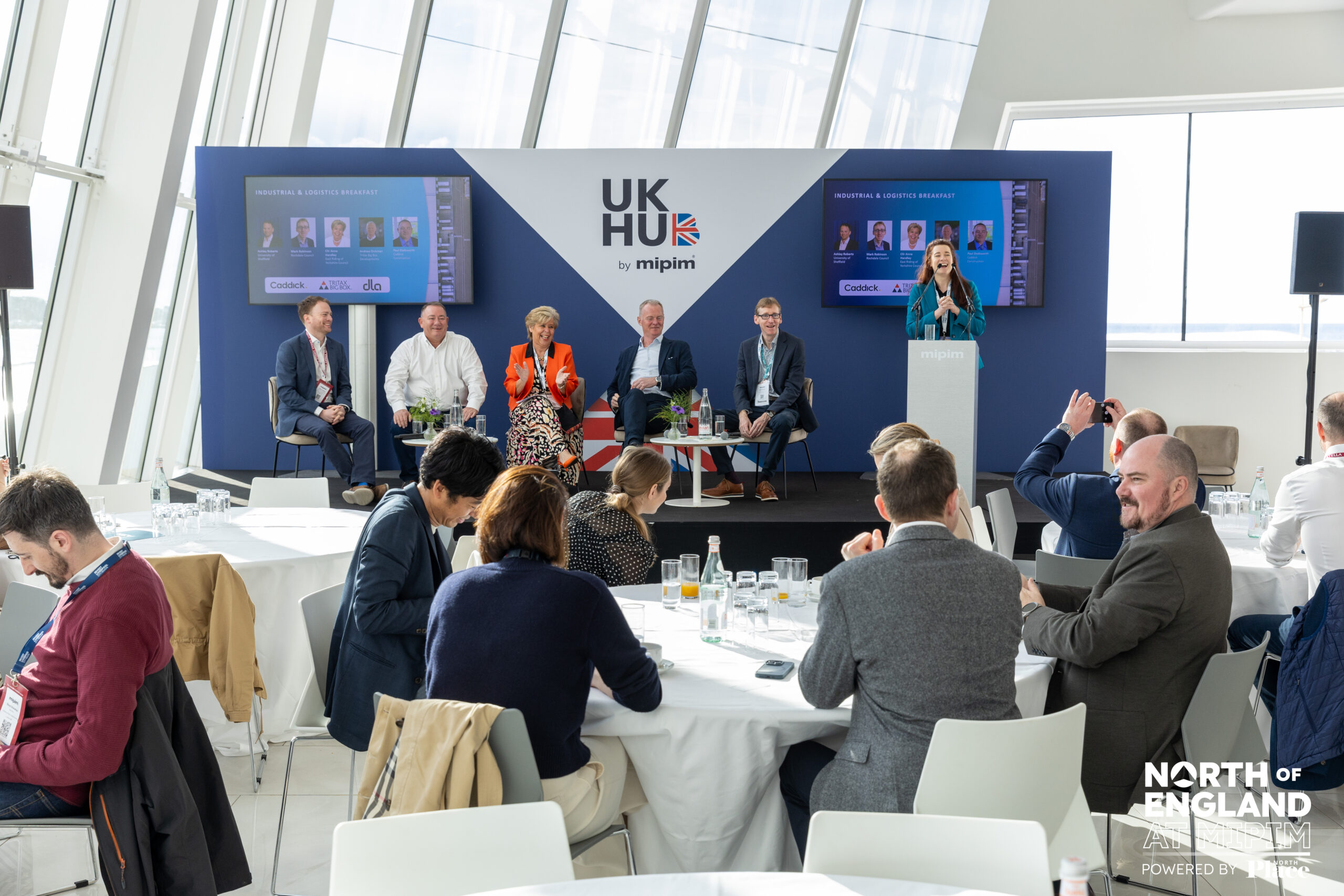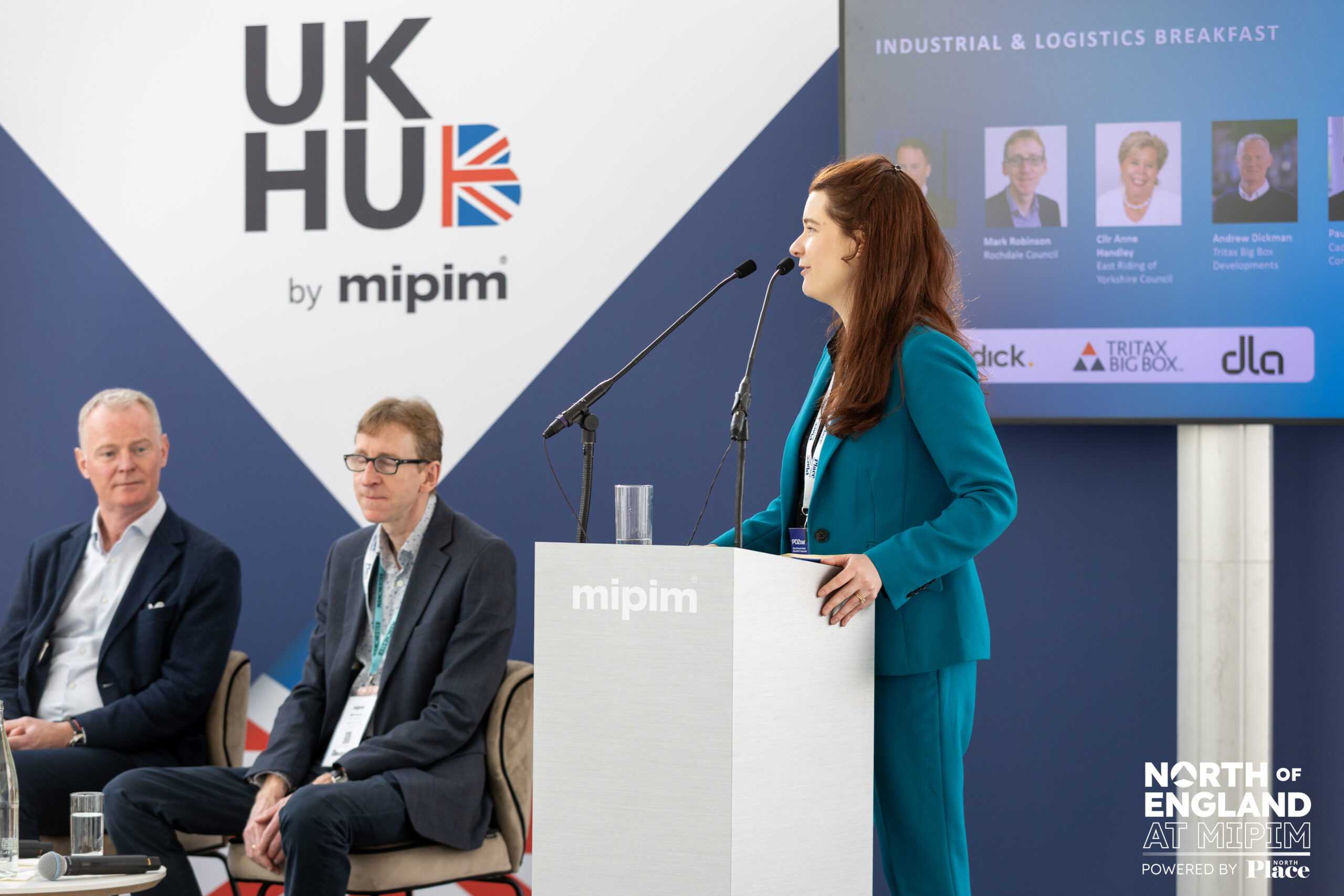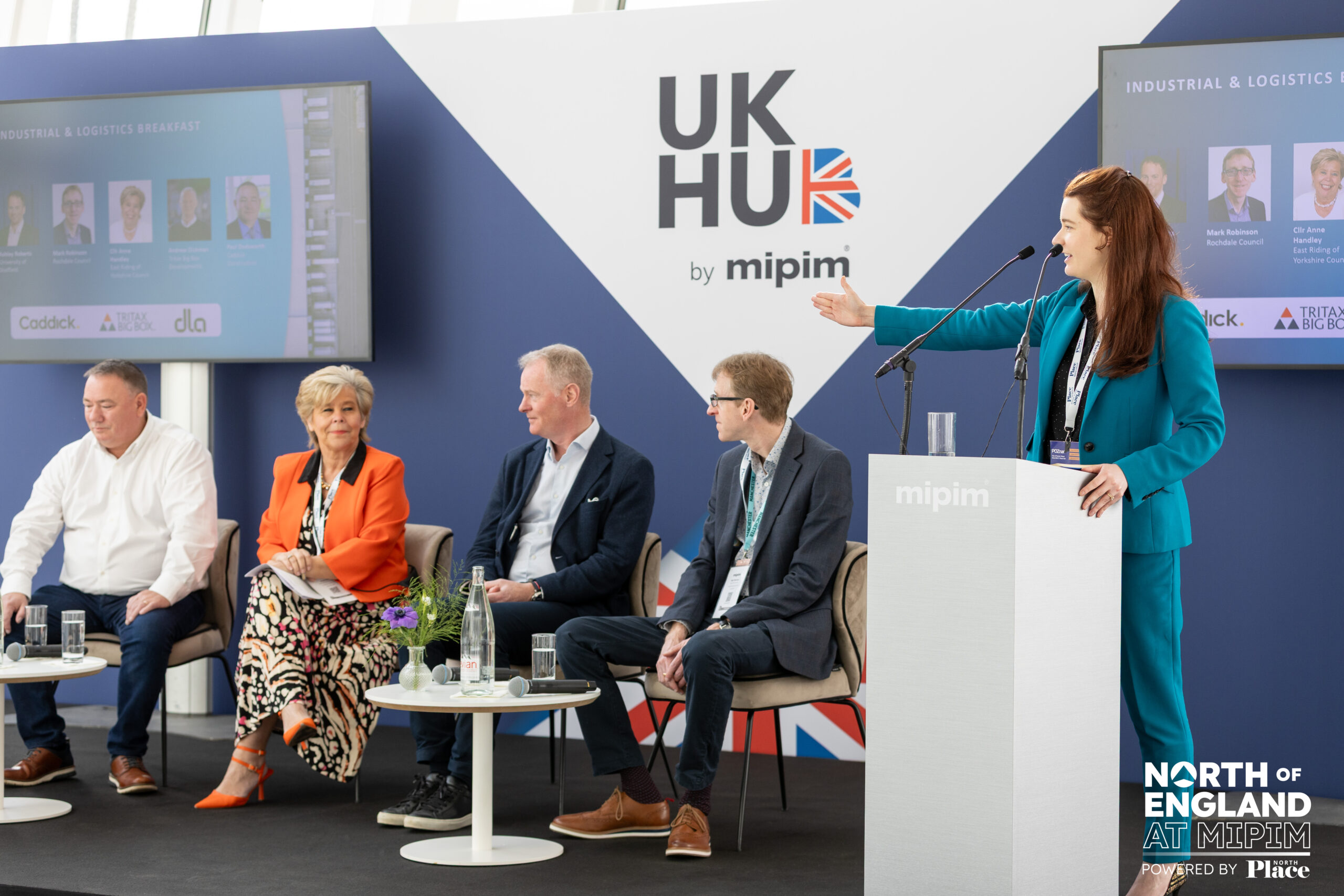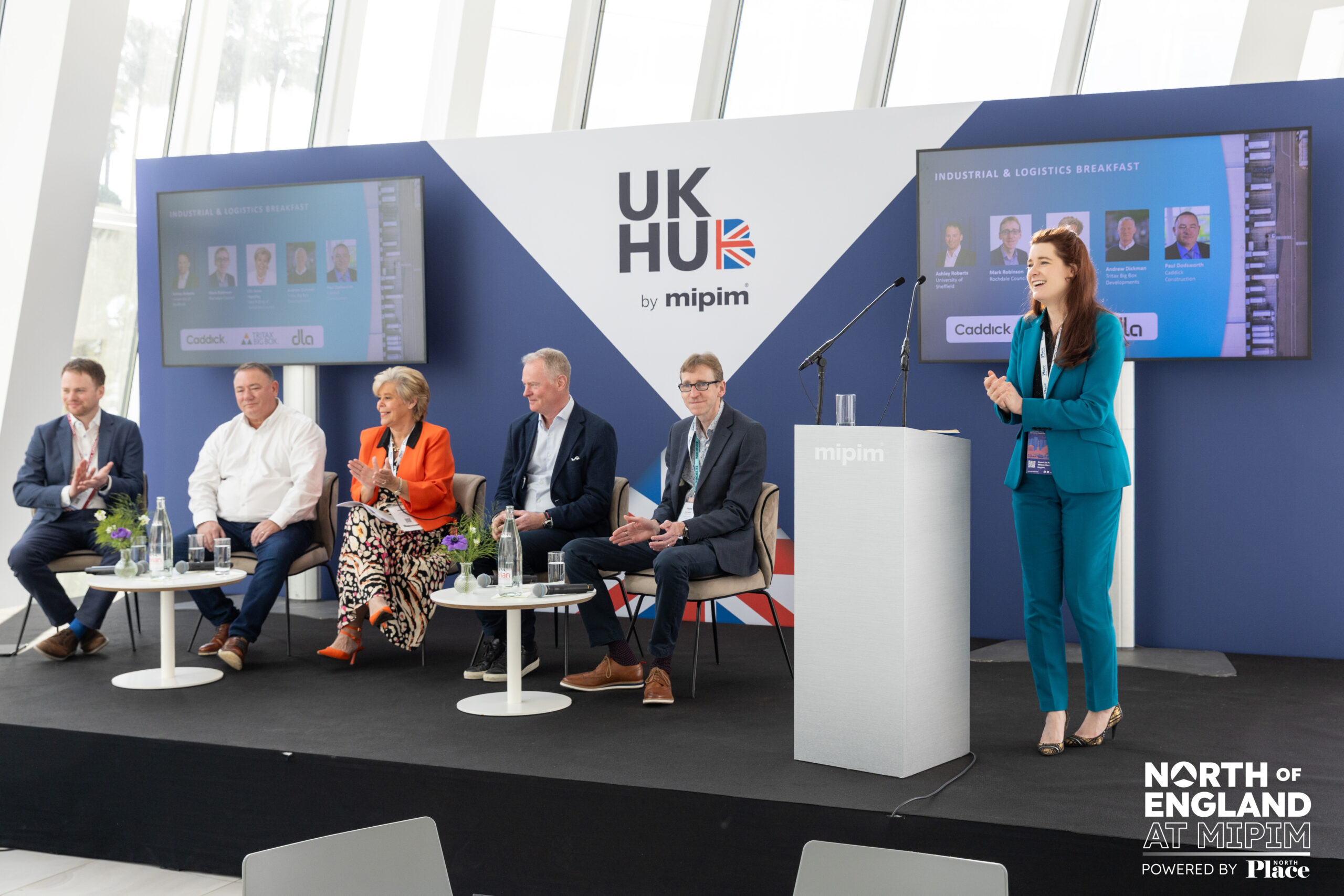



Event Summary
MIPIM VIDEO | Industrial & Logistics: powerful opportunities
The North’s combination of land, skills, and collaboration gives it a compelling edge in the I&L sector, despite persistent challenges.

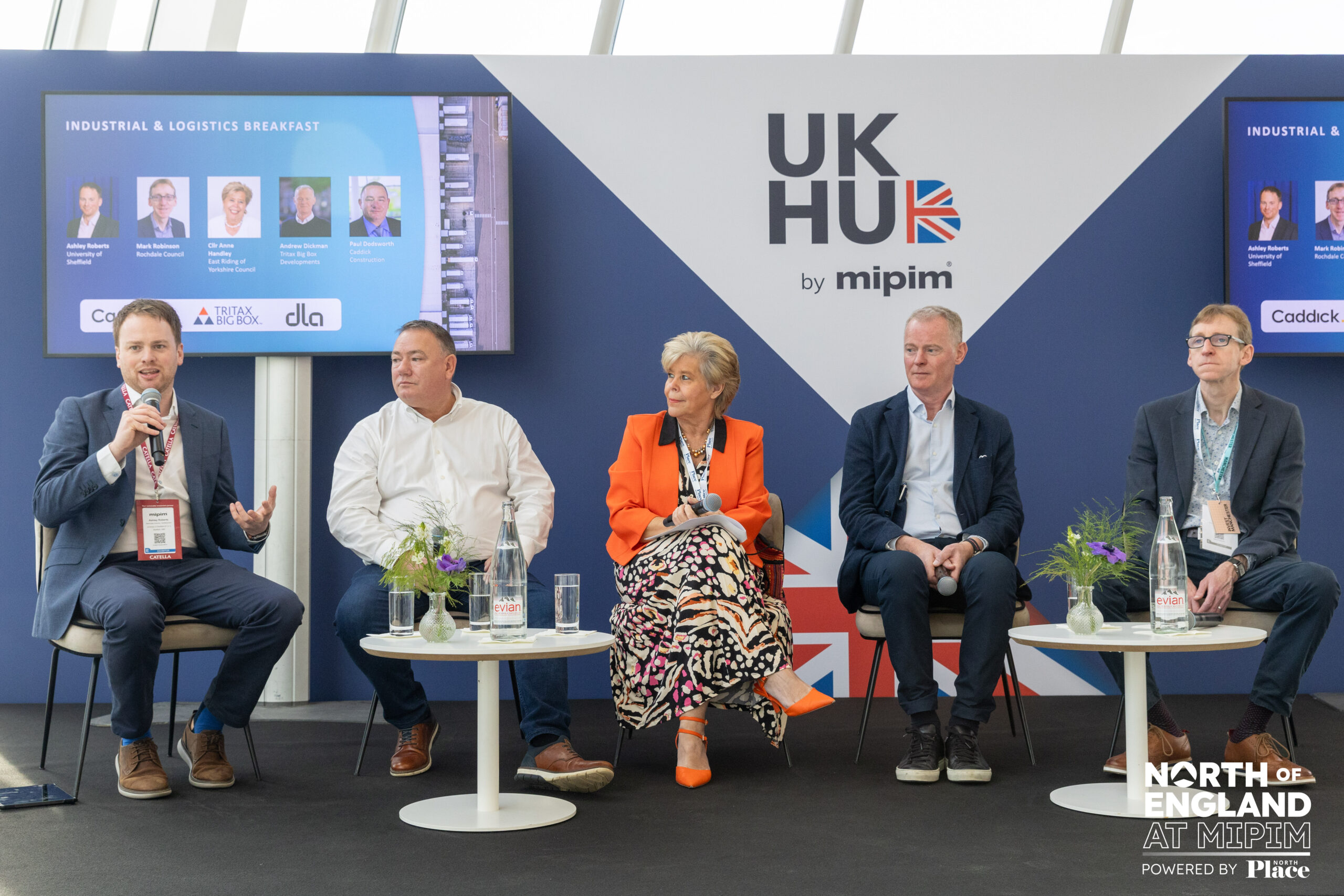
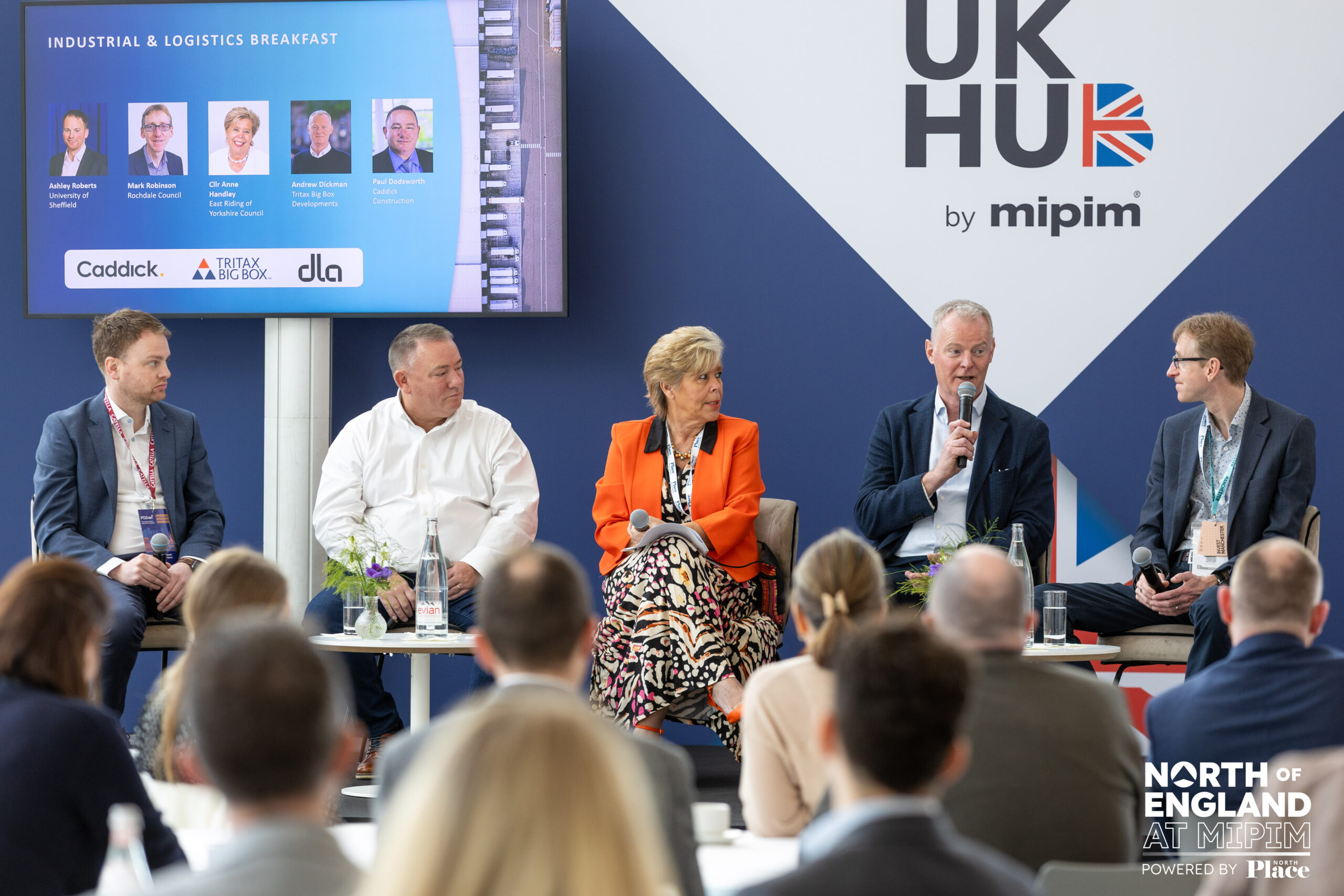
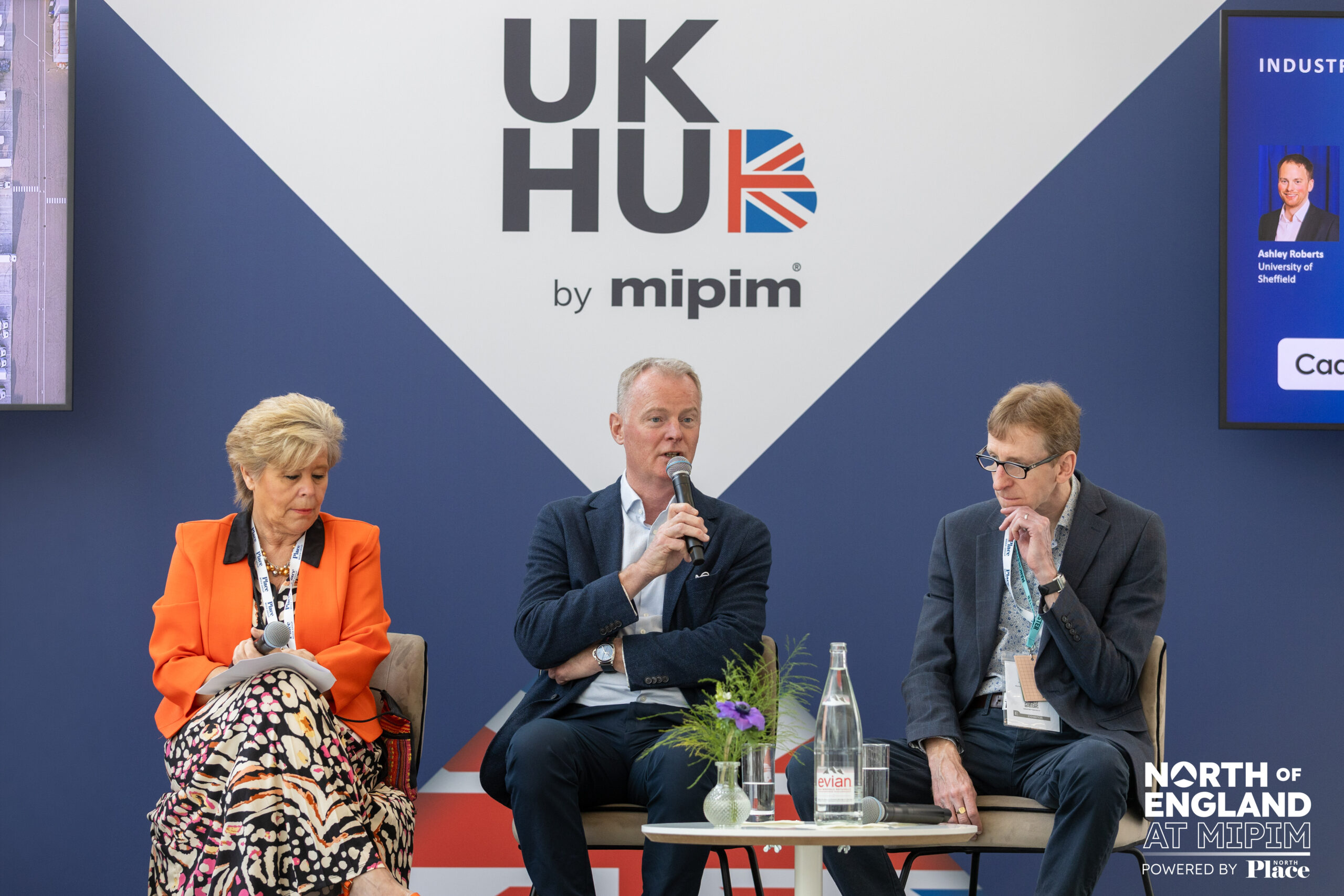
Expert speakers
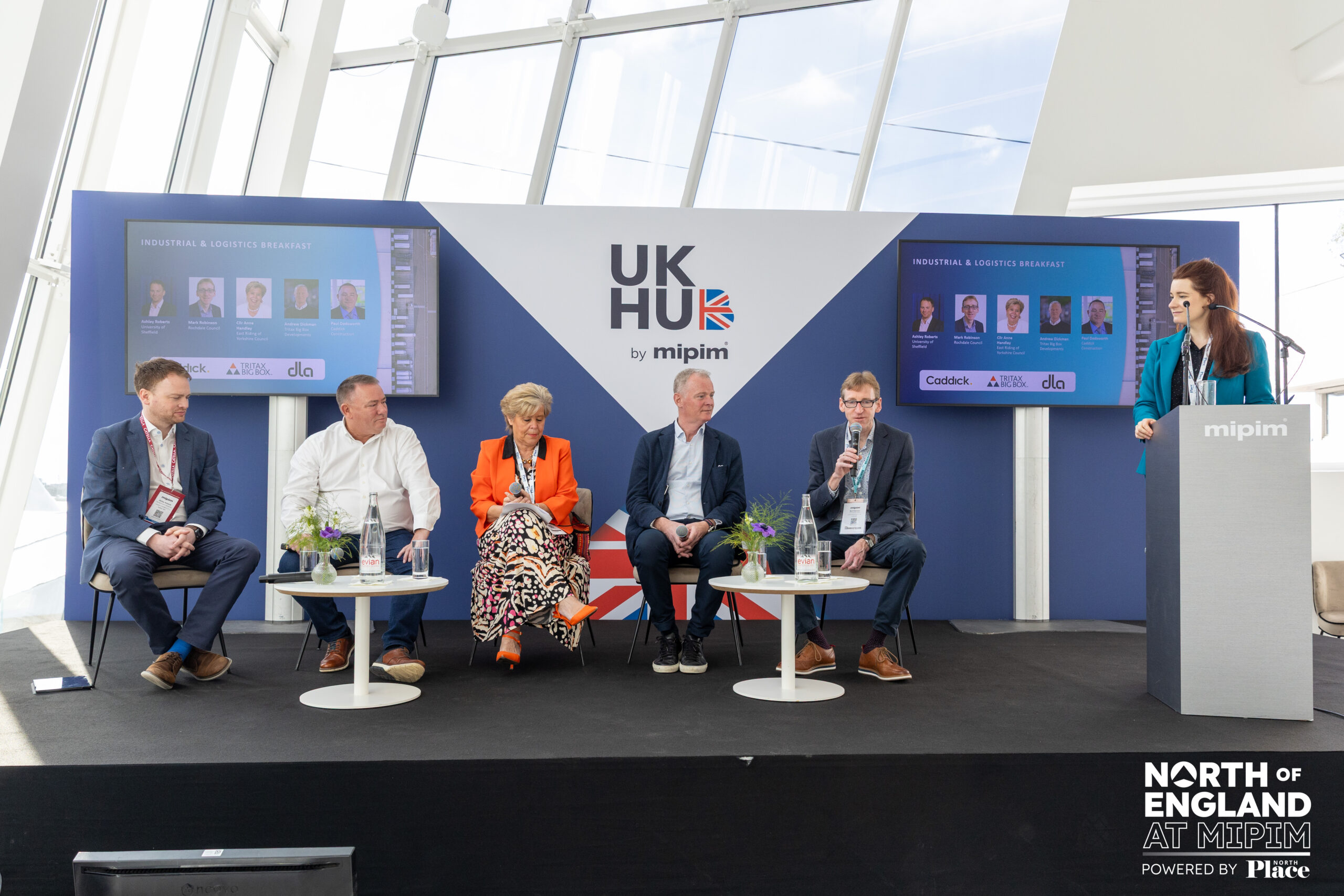
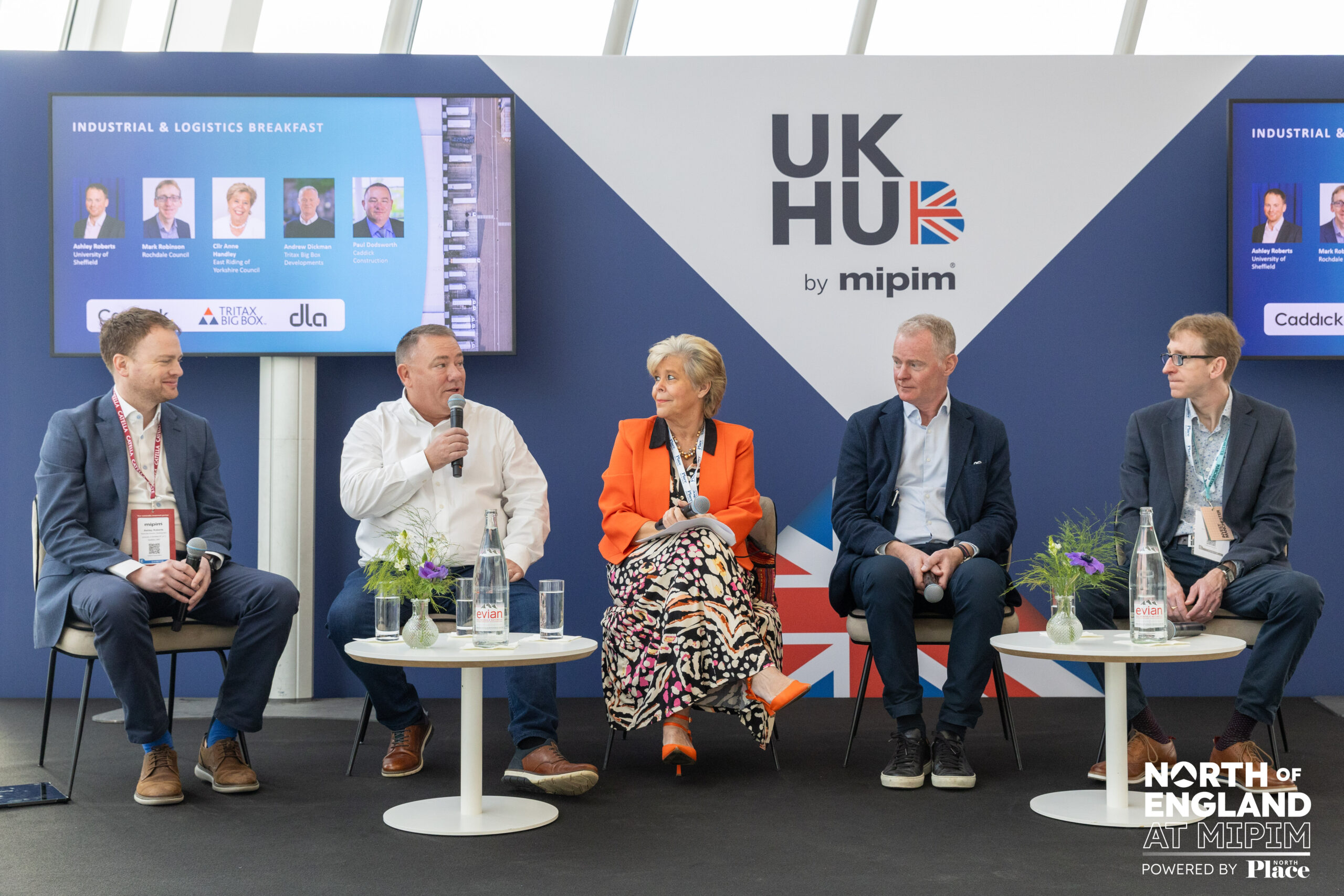
- Cllr Anne Handley, leader of East Riding of Yorkshire Council
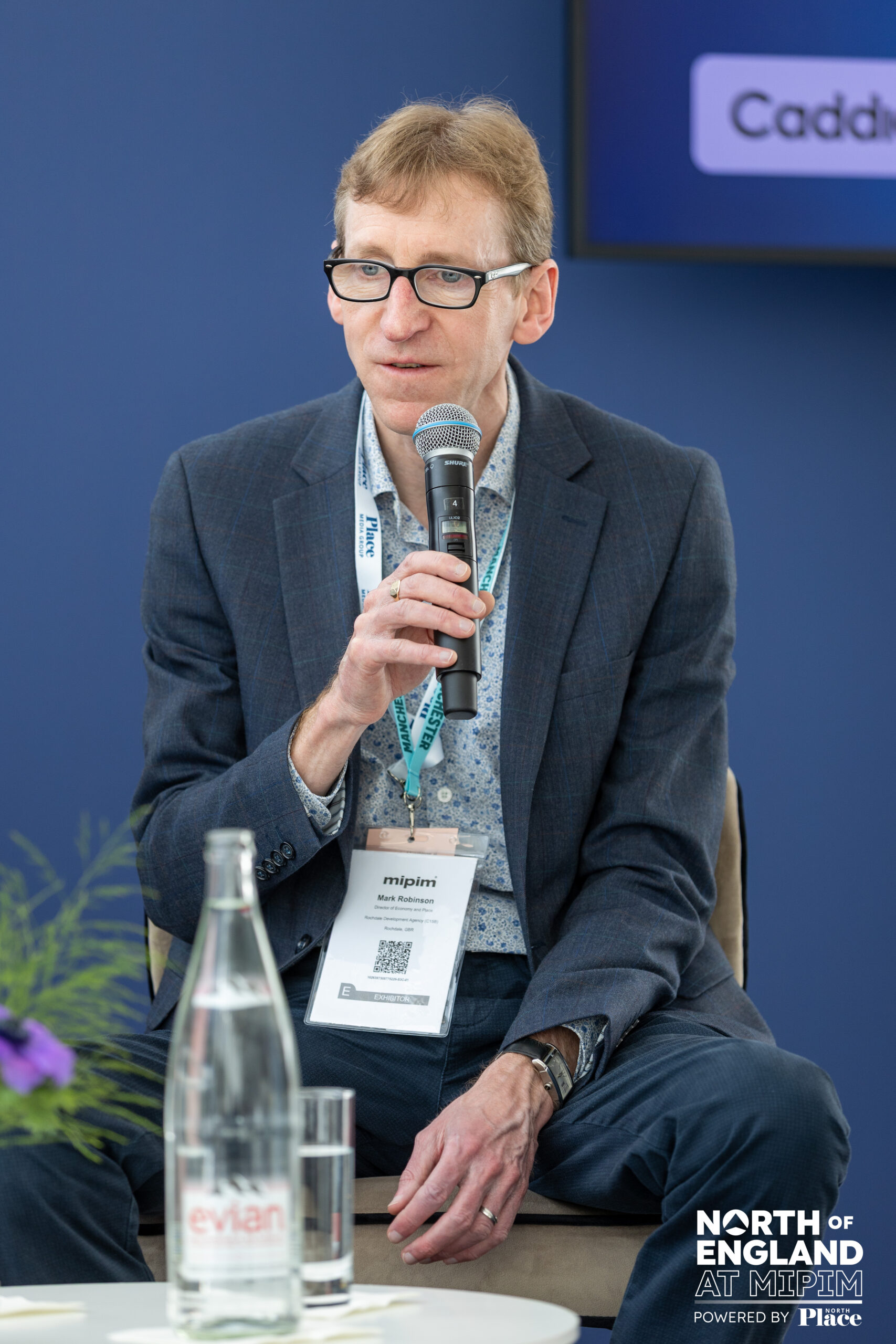
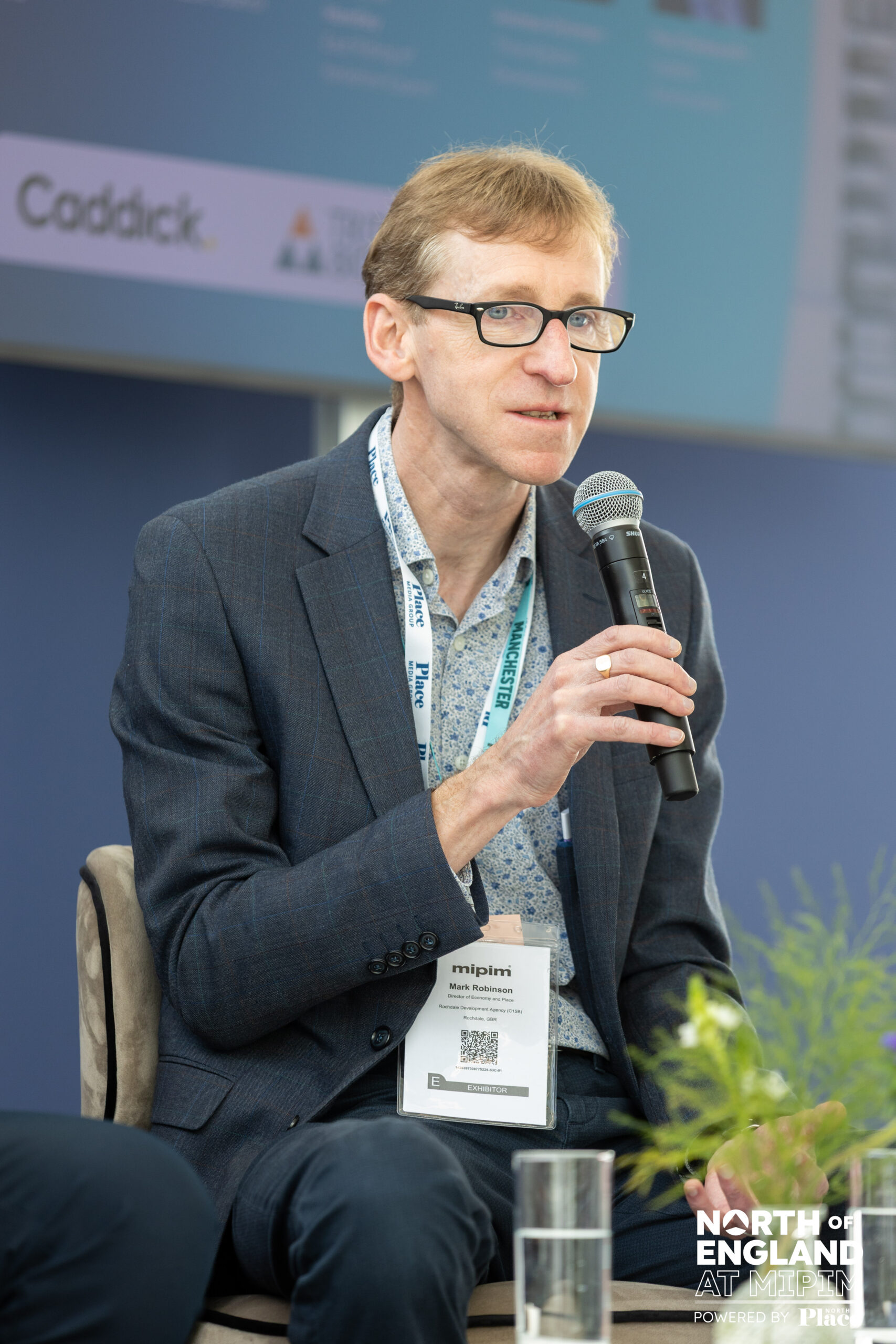
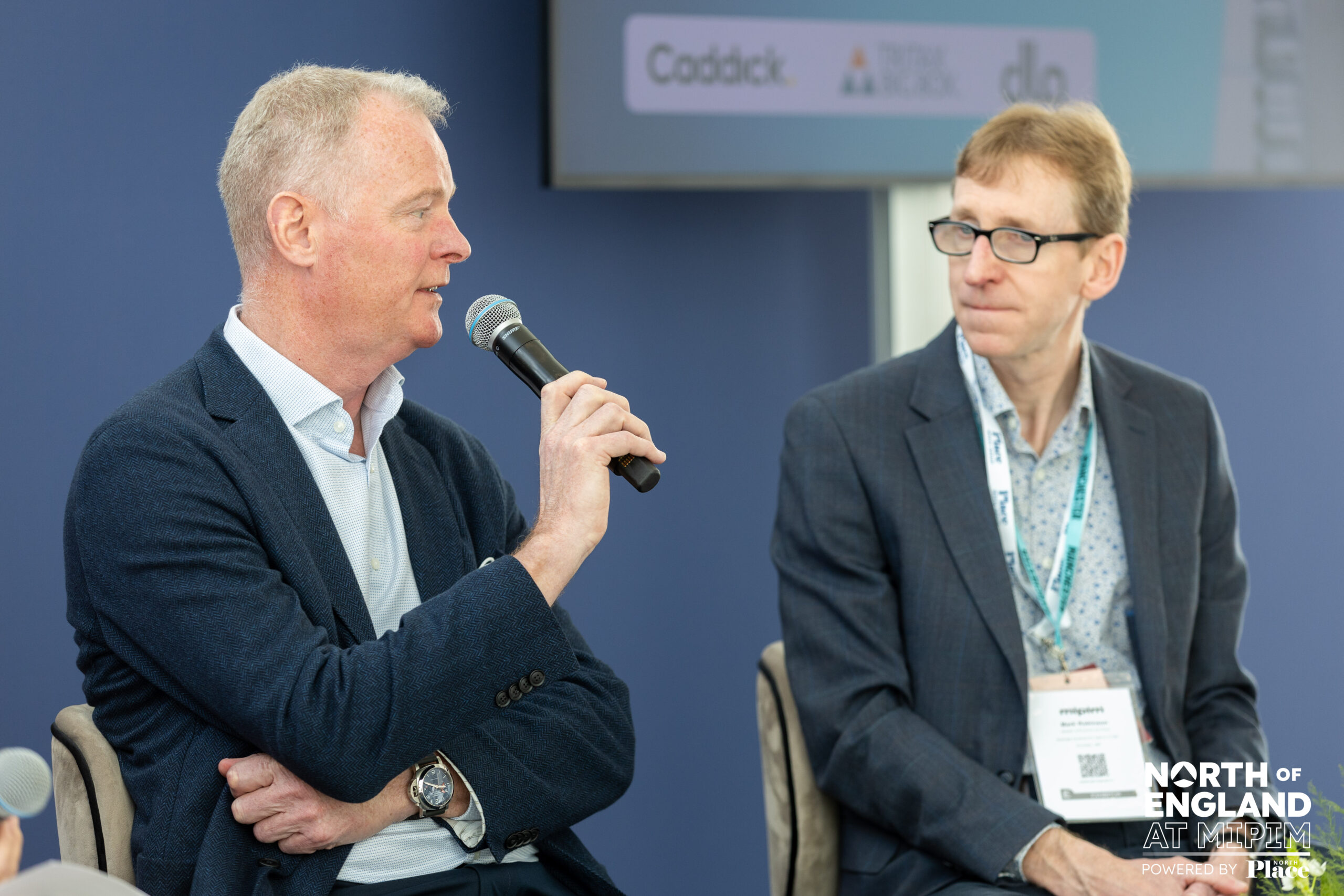
- Mark Robinson, director of economy and place, Rochdale Council
- Andrew Dickman, chairman, Tritax Big Box Developments
- Paul Dodsworth, managing director, Caddick Construction
- Ashley Roberts, associate director of EFM, University of Sheffield
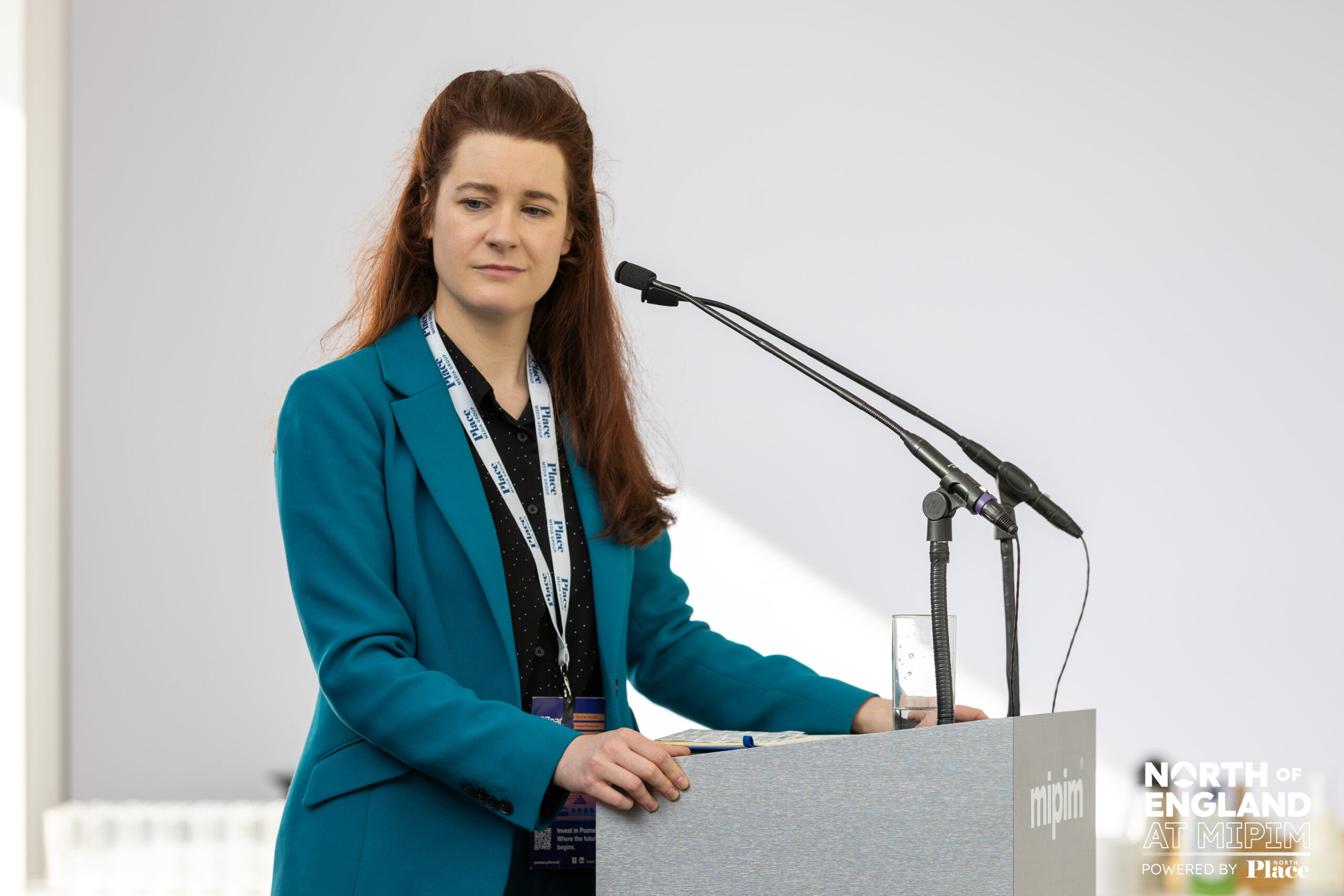
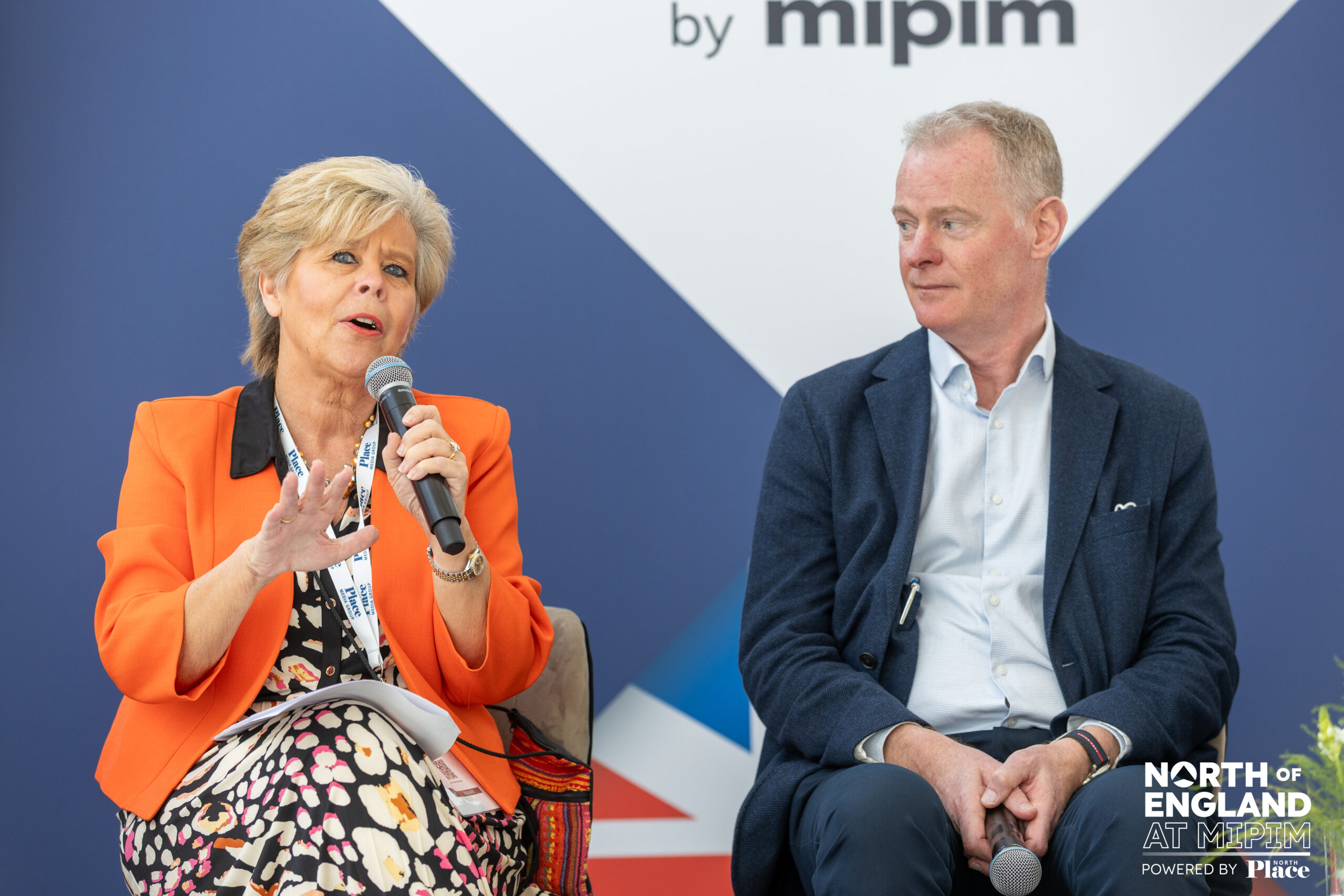
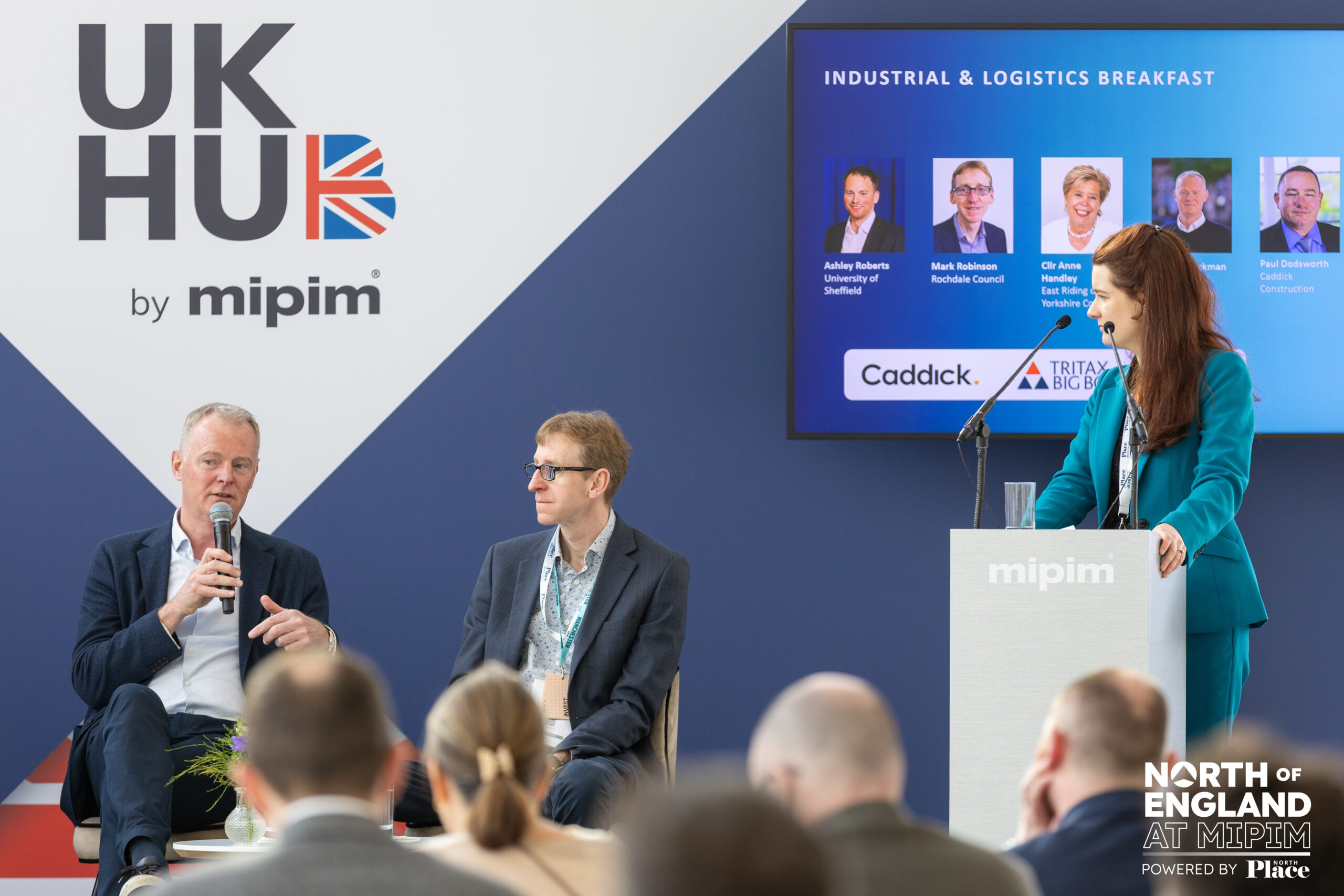
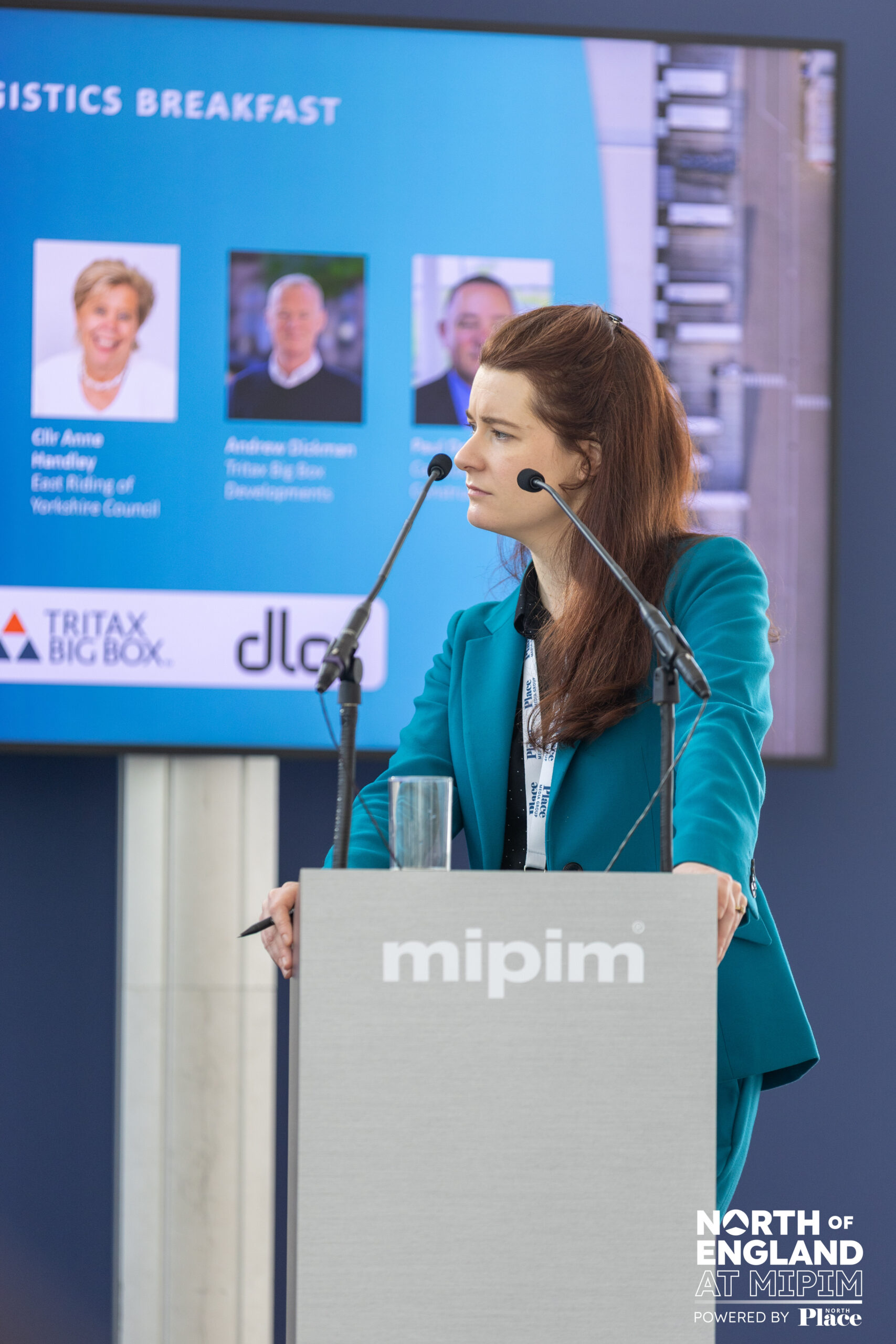
- Chaired by: Julia Hatmaker, Place North
The industrial and logistics sector continues to gather momentum across the North of England, with strong occupier demand, major infrastructure proposals and a growing emphasis on advanced manufacturing and innovation ecosystems.
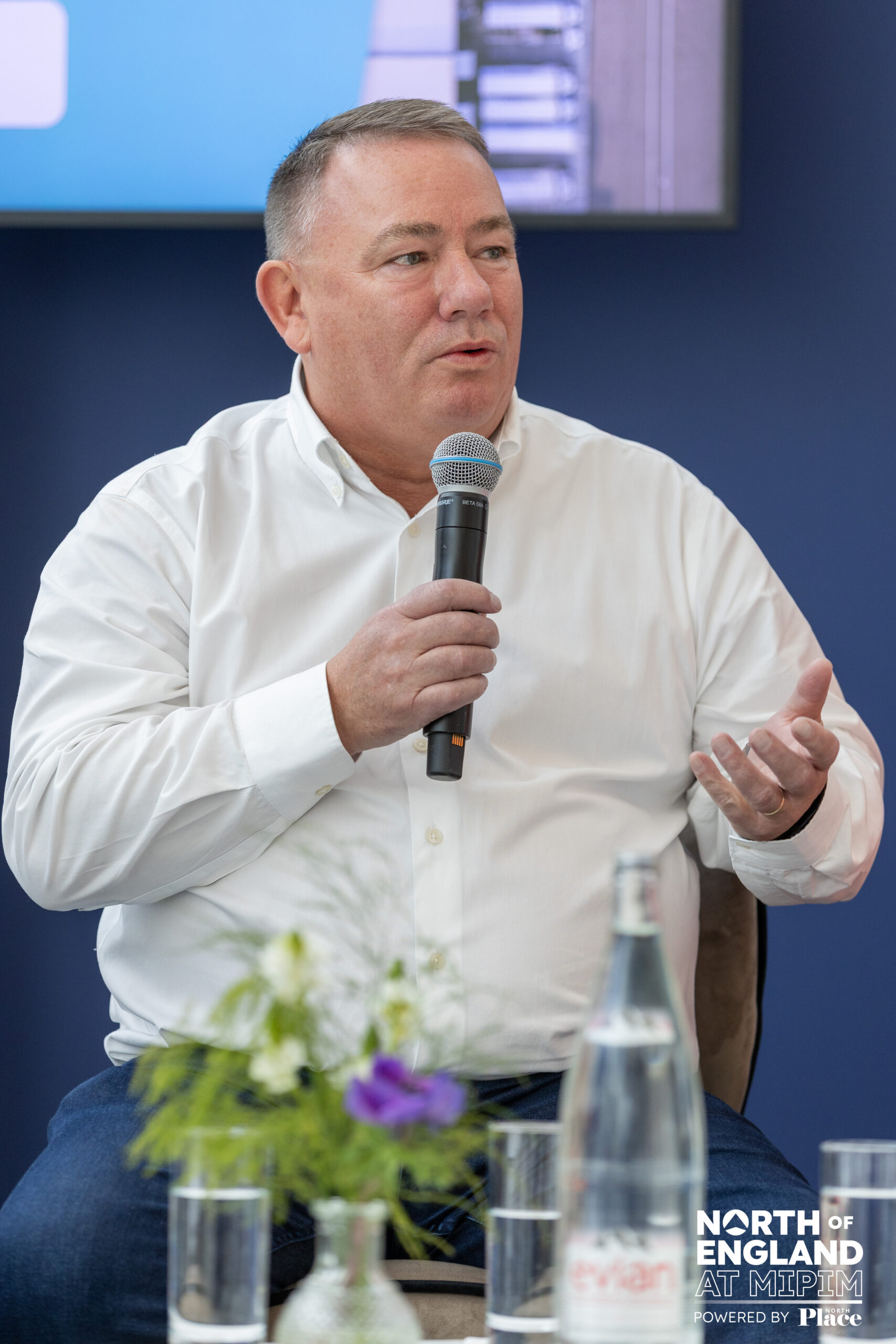
Panel chair Julia Hatmaker opened the discussion by highlighting the scale of recent activity. “The industrial logistics sector is growing quite quickly,” she said. “In the last year alone, the North West saw around 3.9m sq ft of take-up, while Yorkshire reached roughly 4.6m sq ft. In the North West alone, there was around £1.2bn of investment decisions made. So things are moving at pace.”
Across the North, panellists pointed to a pipeline of large-scale employment sites capable of accommodating the next generation of logistics and manufacturing.
Mark Robinson highlighted one of the most significant projects in Greater Manchester: “The biggest opportunity I’m seeing is Atom Valley, one of the Mayoral Development Zones on the M62 corridor,” he said. “Around a million square metres of employment floor space is being released for development.”
He added that several major sites are being brought forward across the zone. “Kingsway is planned to complete within the next five years, and there are plans to expand Stakehill into Oldham. Then there’s what we currently call the Northern Gateway – a huge employment opportunity not just for Greater Manchester but the whole North of England.”
To illustrate the scale, Robinson compared it with existing logistics hubs. “You could accommodate Trafford Park within the Northern Gateway. That’s the scale of the opportunity.”
From the development perspective, Andrew Dickman said the challenge is increasingly about supply rather than demand: “We’re seeing a supply-side challenge. Last year was one of the best years ever for take-up across Manchester and the North West, and Yorkshire was very similar. There’s very little new stock available.”
Occupiers, he said, are also becoming more ambitious about the buildings they want. “Our customers are aspirational about large-scale buildings and better large-scale buildings. Our challenge and opportunity is to supply what they need, and the North of the UK has all the right demand-side dynamics.”
The North’s geographic and economic strengths
While much of the focus tends to fall on Manchester, Liverpool, and Leeds, Anne Handley emphasised the importance of the Humber and East Yorkshire within the logistics ecosystem.
“Hull doesn’t get mentioned enough,” she said. “But we are the gateway to Europe, with 17 million people just across a very short stretch of water.”
She pointed to the region’s port infrastructure as a major competitive advantage. “We are also the largest port complex by tonnage in the entire UK. Nobody brings more into or out of the country than what we do through Hull.”
For investors and occupiers, she argued, the region offers a compelling cost proposition: “We have extremely good land values and excellent house prices. Why on earth would you not want to come to the North?”
Paul Dodsworth agreed that demand for industrial development remains strong but said viability can still be challenging in some locations. “As a developer and contractor we see a lot of opportunities. Process manufacturing in particular seems to present itself to us regularly.”
He pointed to projects such as the £200m train manufacturing facility for Siemens Mobility as examples of the scale of industrial investment happening in the region.
Universities driving advanced manufacturing
The North’s universities are playing an increasingly central role in attracting high-value manufacturing and research-led investment.
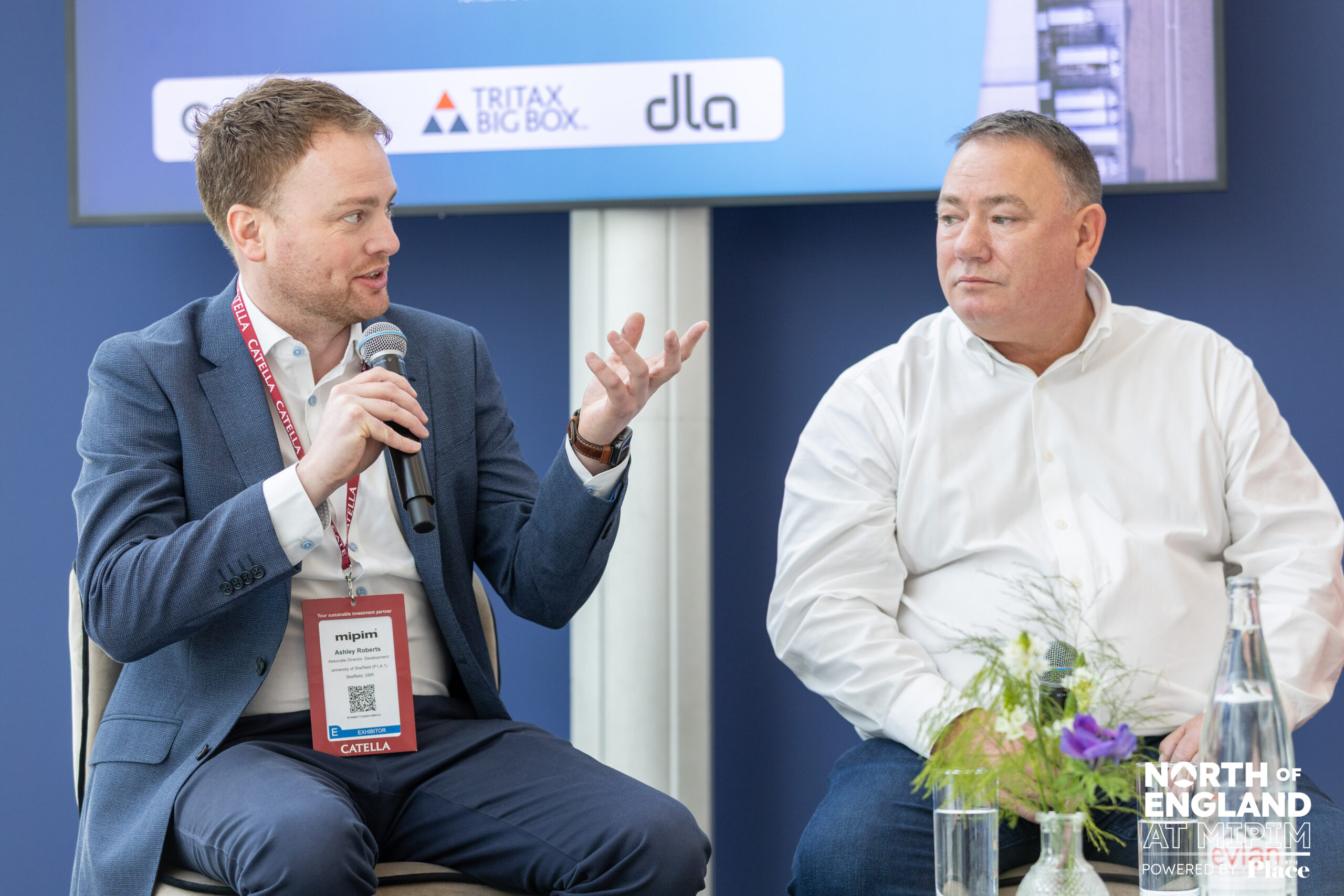
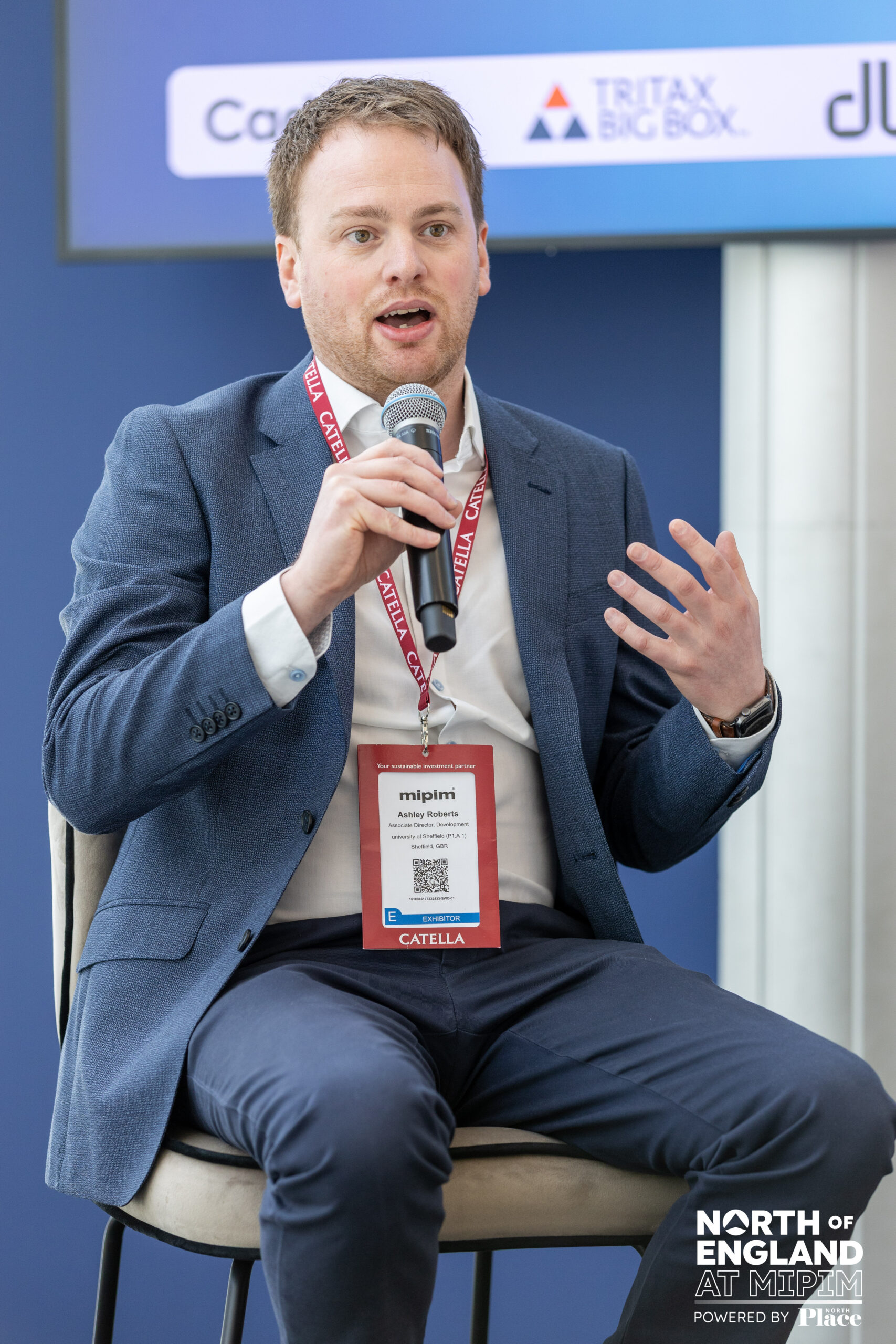
Ashley Roberts highlighted the impact of the advanced manufacturing ecosystem around Sheffield.
“In Sheffield we’ve got real strength in advanced manufacturing, particularly through the Advanced Manufacturing Research Centre,” he said.
The university is also bringing forward new development sites to support commercial growth. “We’ve launched Runway Park, a large brownfield site alongside our existing advanced manufacturing facilities.”
Global companies are already embedded within that ecosystem, Roberts said. “We have organisations like McLaren and Rolls-Royce there. They want to do their advanced manufacturing in the North.”
Access to talent is another key advantage. “Within 30 minutes of Runway Park there are three-quarters of a million working-age people who could work there. We also have training centres on site so people can develop the skills these companies need.”
External pressures and economic uncertainty
The panel also discussed how global events, from geopolitical conflict to rising energy costs, could influence the sector.
Dickman argued that the industry has become accustomed to navigating uncertainty.
“If you look at the last seven years, our economy has been battered by a flock of black swans,” he said. “But we’ve kept going and we’ve adapted.”
Supply chains have already had to adjust several times in recent years, he added. “When the war in Ukraine started, steel prices went through the roof because so much steel was supplied from Ukraine. We had to pivot to different supply lines.”
Rising finance costs remain a concern. “Gilt yields going up immediately impacts the cost of money. If you’re a property developer and you haven’t hedged your funding, your profitability comes under scrutiny.”
Nonetheless, he believes resilience is key. “We have to stay calm, look at what it means for our businesses and deploy the right strategies to remain relevant.”
Power constraints emerging as a major barrier
One of the most pressing challenges facing industrial development is access to electricity.
Robinson described grid capacity as a critical issue. “Power is a huge challenge. It’s great that we have demand and we have sites, but what’s holding schemes back is the ability to get power delivered within the timeframe we need.”
In some cases, developers are being given extremely long connection times. “We’re being told power can’t be guaranteed until the late 2030s,” he said. “If a developer wants to start building this year, that’s a real problem.”
Developers are increasingly looking at alternative solutions. Dickman said large-scale logistics parks can deploy private energy networks.
“We talk to occupiers carefully about what capacity they actually need,” he explained. “Often they ask for much more than they require.”
Large developments can also create internal energy systems. “Because our schemes are multi-phase, we can install private wire networks and move power between buildings. That flexibility really helps.”
Planning, infrastructure and skills
Handley argued that policy and regulation can also slow investment.
“We need to go faster,” she said. “Businesses want to invest but they get caught up in processes that take years.”
Planning and environmental requirements can delay projects, she added. “We’ve had a £1bn investment proposal that’s taken two years to work through environmental issues.”
Despite these challenges, the panel agreed that the North’s workforce remains a huge competitive advantage.
Dodsworth said skills must remain a priority. “Whatever strategy we produce, we have to focus on the skills needed to deliver it.”
Handley echoed the importance of apprenticeships and vocational training. “Not every young person needs to go to university,” she said. “Advanced apprenticeships can deliver the same qualifications while people are earning and gaining experience.”
Roberts added that universities and apprenticeships should be seen as complementary rather than competing routes. “We need both,” he said. “Universities drive innovation and research, while training centres and apprenticeships build the workforce.”
A united message for investors
Despite the challenges, the panel ended on a strong note of optimism about the North’s future.
Dickman emphasised the need for stronger collaboration across the region. “The North has incredible educational institutions, talented people, and huge potential,” he said. “We need to help businesses realise that opportunity, so young people don’t feel they have to move to London to build a career.”
Robinson also pointed to the growing impact of regional governance. “Devolution gives us the opportunity to join the North together and harness that huge population and skills base.”
For Handley, the message to investors was simple.
“We have the land, the skills, the energy sector and the transport links,” she said. “The North is open for business – and, don’t forget – we’re also the friendliest.”
Click on any image to enlarge