Liverpool City Region moves to franchise buses
In the same week that Greater Manchester launched its Bee Network, the city region has announced that it could become the second area outside of London to run a publicly operated network.
Liverpool City Region Combined Authority is set to sign off on proposals next Friday to launch a franchised bus network and regain control of its buses 40 years after the abolition of road service licensing outside of Greater London. This abolition removed the public sector’s role in fare-setting, routes, and bus frequencies.
A franchised bus system means that the public sector would take back the power to set bus fares and routes, enabling the combined authority to coordinate the bus network based on what passengers need with the added power to reinvest any profit made back into improving services.
Bus operators would be commissioned by Liverpool City Region Combined Authority to run the services across Halton, Knowsley, Liverpool, Sefton, St Helens, and Wirral. This is currently the case in London and is being implemented in Greater Manchester.
Furthermore, a publicly run network would allow buses to better integrate with other modes of transport.
More than 6,000 recently took part in a consultation on the proposals, with almost 70% of the public supporting a franchising model.
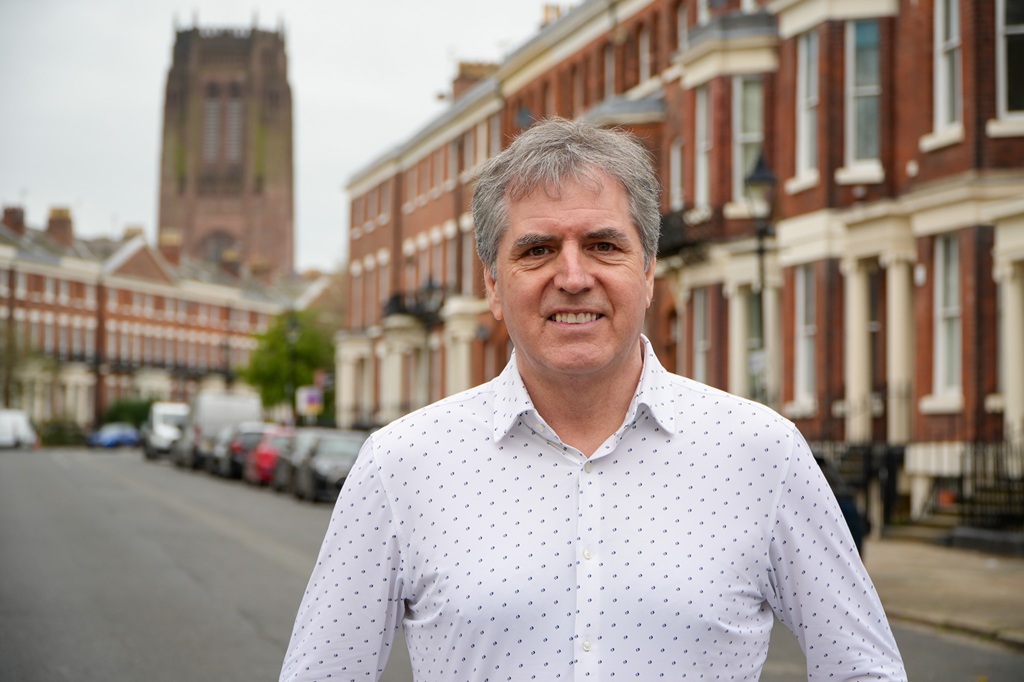
Liverpool City Region Mayor Steve Rotheram highlighted that around 82% of all public transport journeys are taken by bus in the city region, stating that it is a “vital” public service.
“For far too long, passengers in our area have been forced to contend with a second-class service that’s too confusing, too expensive, and too unreliable.
“Our bus network is broken and residents want it to be fixed. I won’t accept a public transport system that leaves behind the very people who need it most.”
If approved, there would be a three year transition period to allow network improvement measures such as the reintroduction of bus lanes in Liverpool. The franchised services would be phased across the city region, with the first expected to arrive in St Helens by 2026.