


How Oldham will function without a Leader
The council has been without a primary political figure since May 2026. With no end in sight to the current stalemate, the local authority has outlined how best to move forward.
Oldham councillors will vote tomorrow on a constitutional change and an interim governance strategy designed to provide clarity and transparency on how it will operate until a Leader is appointed.
The changes and plans do not mean the council will stop seeking a Leader, which has been the subject of five failed meetings due to political infighting. On the contrary, the council is still obligated to appoint a Leader at its earlier opportunity, according to local authority reports.
The strategy before councillors was draft with the assistance of the Ministry of Housing, Communities, and Local Government, which got involved in August to help resolve the issue.
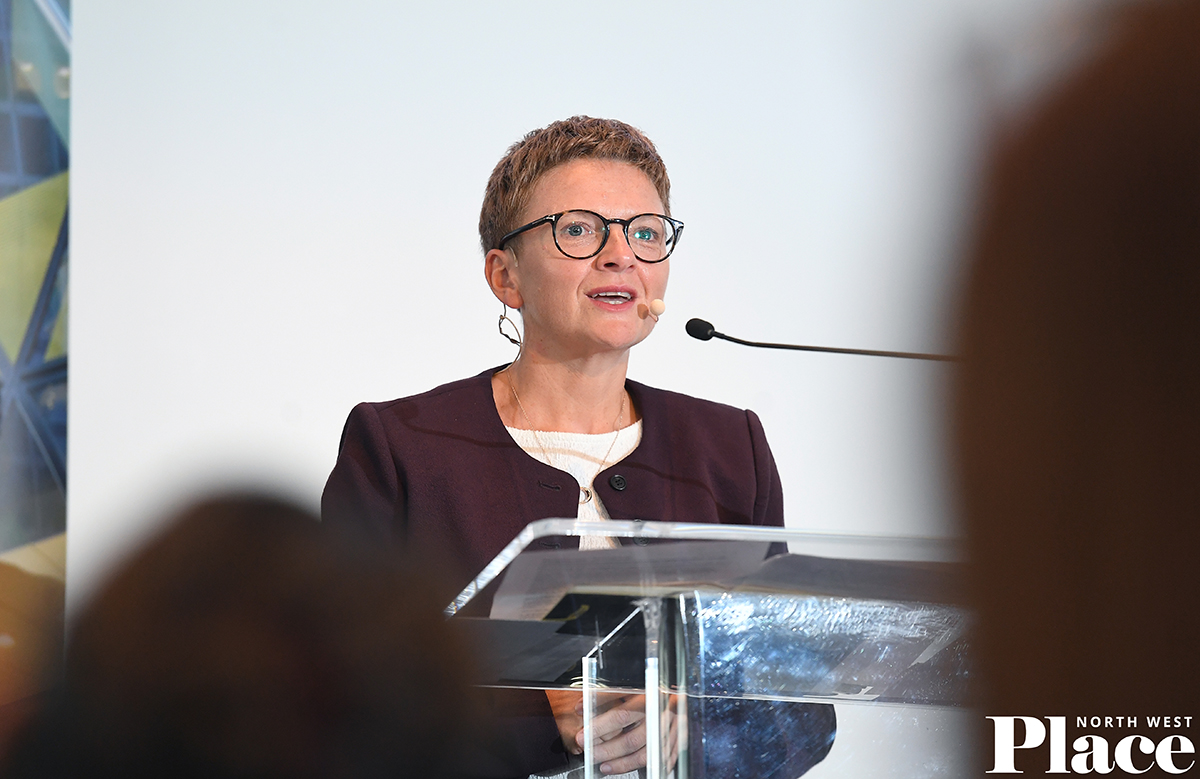
Under the proposals, Oldham chief executive Shelley Kipling will continue using her delegated powers to keep the everyday business of the council running. She will also continue regularly meeting with leaders of all the political groups to discuss major decisions and other key issues impacting the council.
Leaders of the four largest political groups (Labour, Reform UK, The Oldham Group, and the Liberal Democrats) will become “lead members” for certain directorates. Lead members will not have any decision-making powers but will instead provide officers with political oversight. They will also be charged with reporting back to other council members.
Labour will lead the Place directorate, with Liberal Democrats charged with resources, Reform UK tackling children and young people, and Oldham Group dedicated to health and adult care.
Regarding committees, Labour will have a member become the chair of the planning committee and the highway regulation one.
Reform UK will have a member be chair of the licensing committee and the place, economic growth, and environment scrutiny board.
Other groups will chair committees unrelated to property development.
The interim governance report also provides guidance for how to fill the 16 vacant positions on Greater Manchester Combined Authority committees. These have been divvyed out based on size of the group, with Labour taking five seats – including the main GMCA board – and Reform taking four. Among those four seats will be one on the Bee Network Committee and one on the Greater Manchester Pension Fund management panel.
Liberal Democrats will take two seats, including one on the housing first, planning, and infrastructure committee.
Oldham Group will take three seats and Conservatives and Royton Independents will have one each.
Kipling said that the proposals represent “a strengthening” of the current governing plans at the local authority.
“They provide greater transparency, stronger democratic oversight and clear political engagement, while ensuring decisions can continue to be taken effectively and in the best interests of Oldham,” she said.
“This has been a result of significant work and co-operation between the group leaders, who I would like to thank for their efforts to get us to this place. Whilst no replacement for the leadership model we are intended to have, this is a step in the right direction.”
Oldham Council will next meet on 16 September. The appointment of a Leader is not an item on the agenda.