Event Summary
Liverpool City Region Development Update 2026 | Summary + gallery
Is Liverpool on the cusp of a regeneration wave or about to see its grand plans fall flat? There was plenty of optimism in a packed room at Place North West’s exploration of the city region’s development landscape, but there was also sense of nervousness about whether its pipeline of exciting projects can become reality.
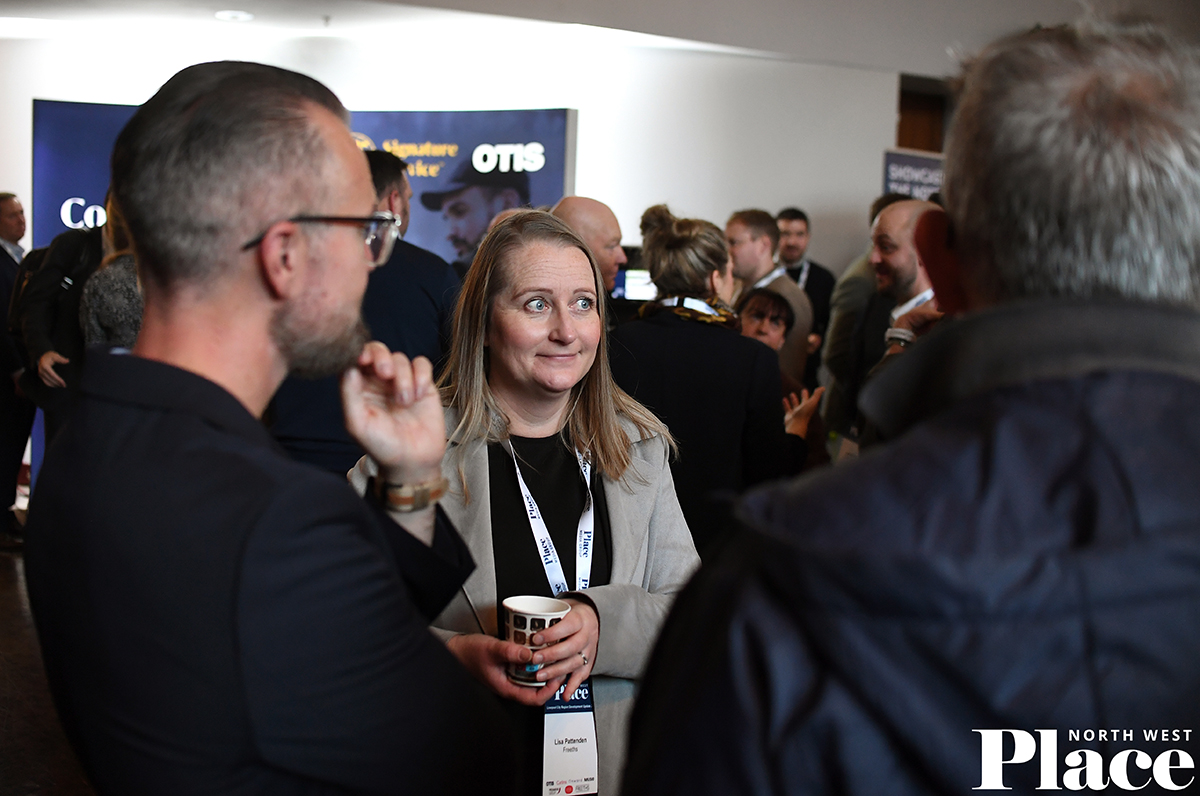
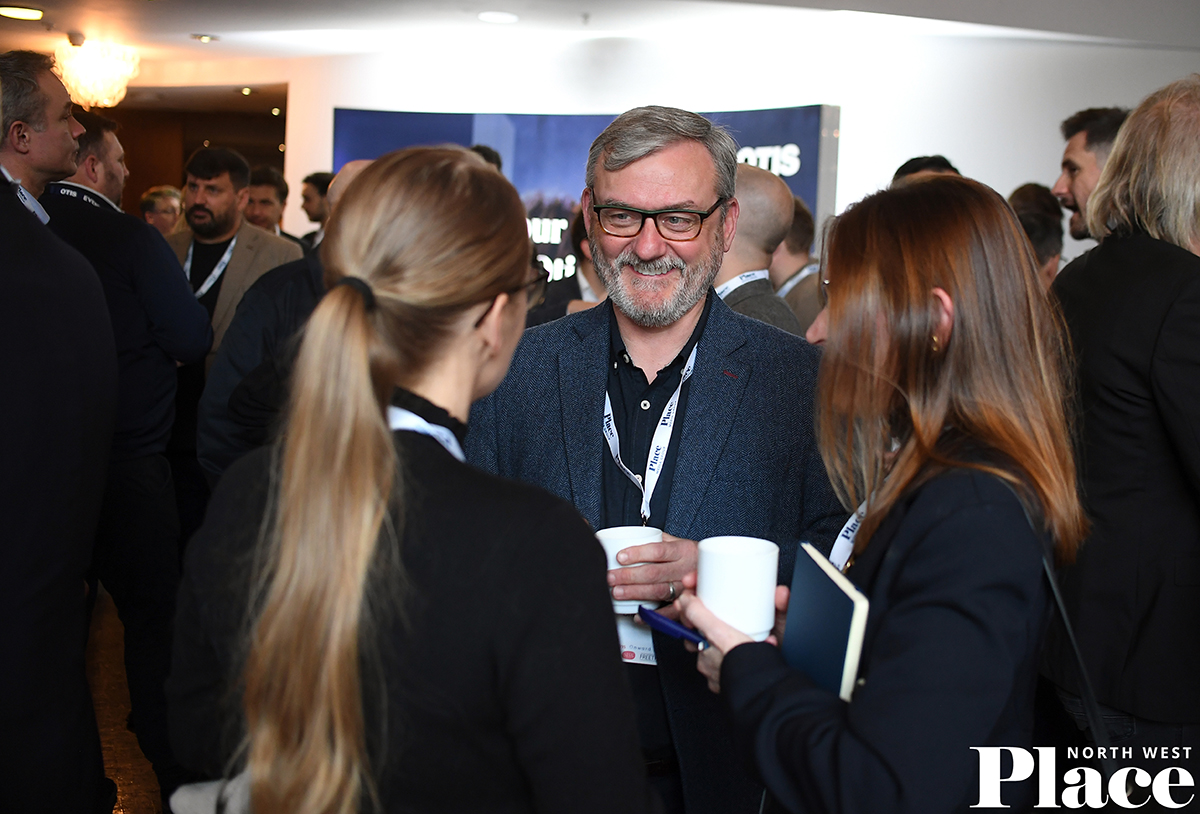
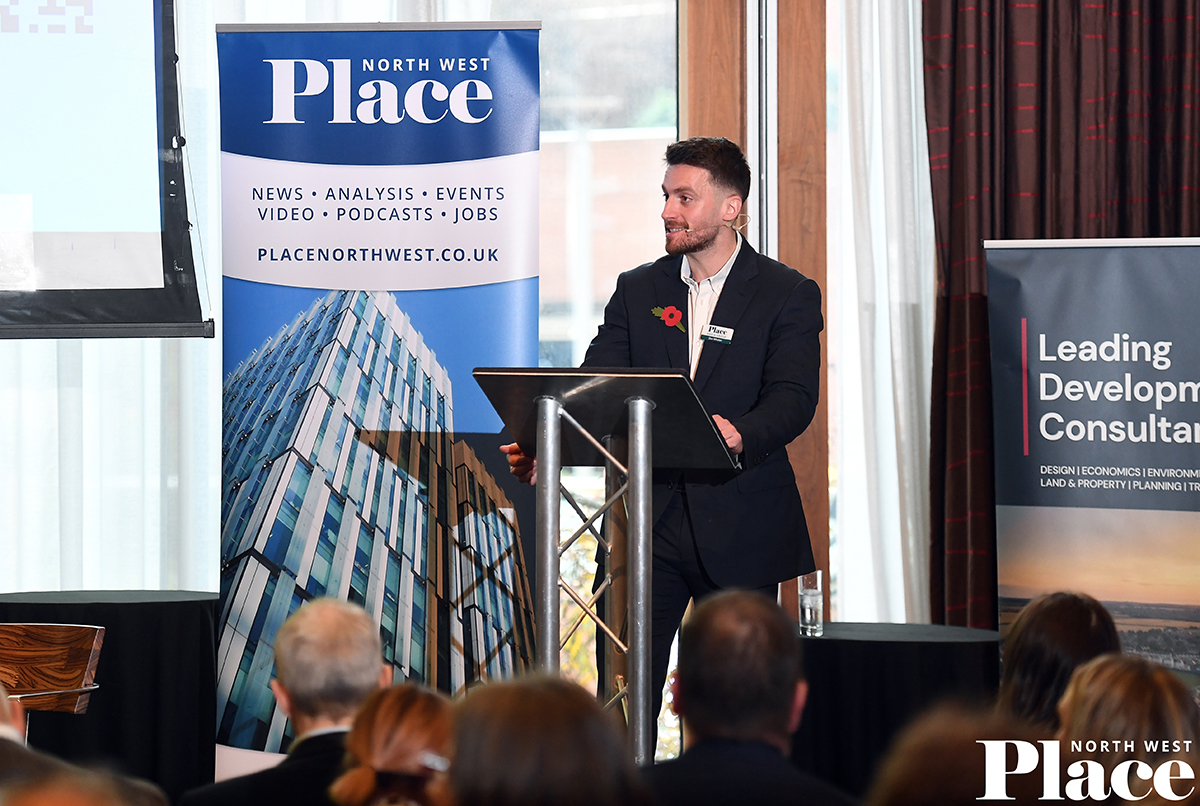
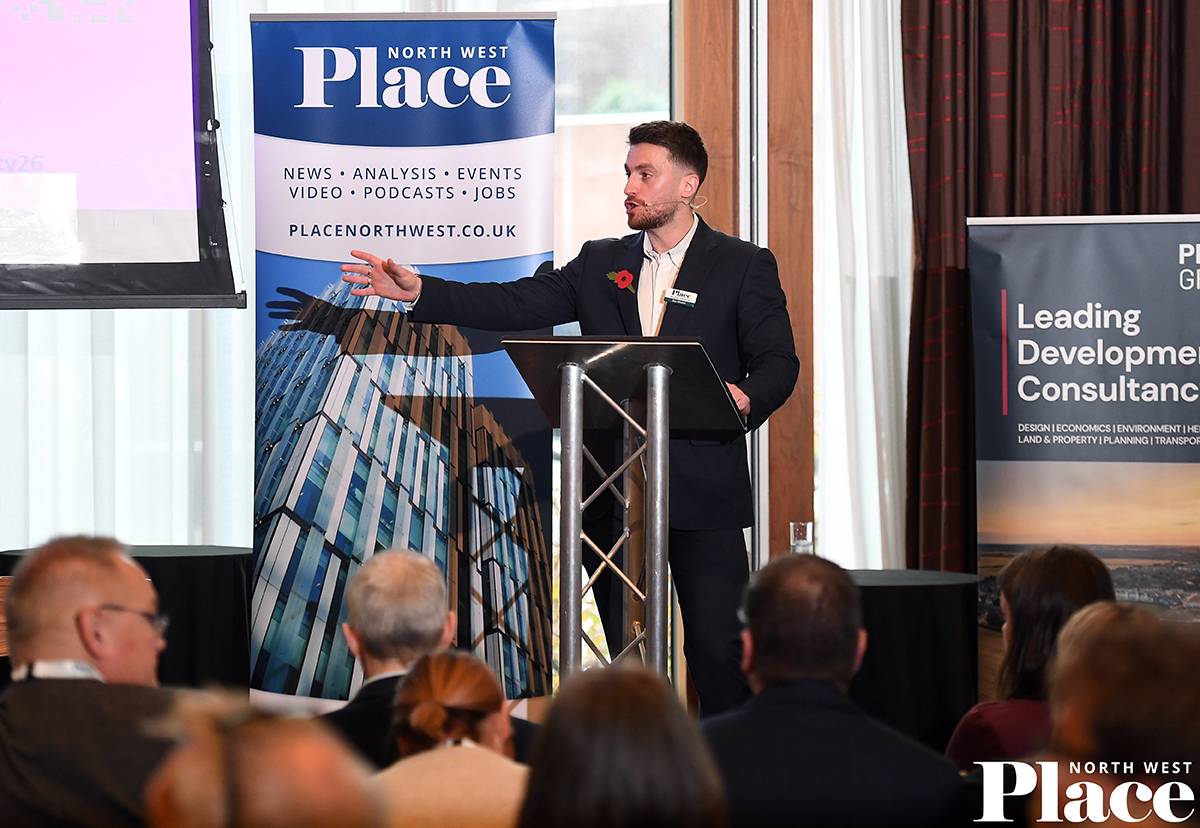
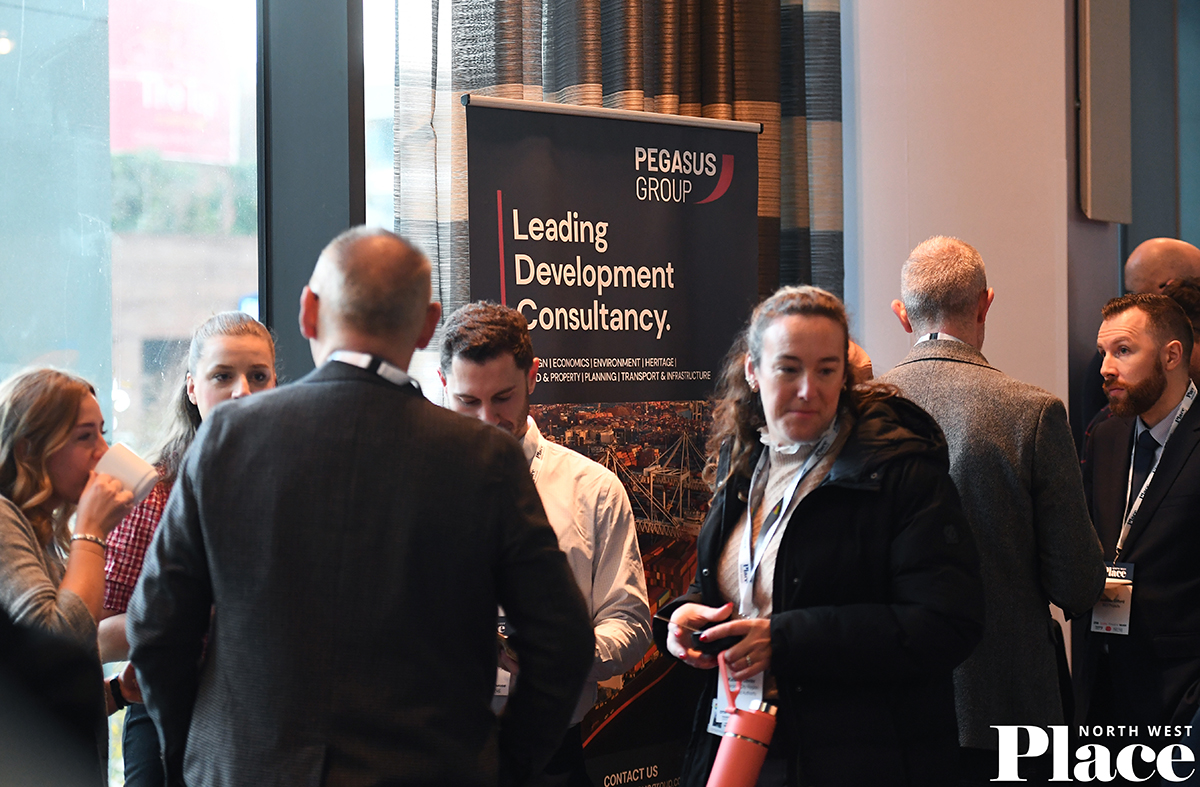
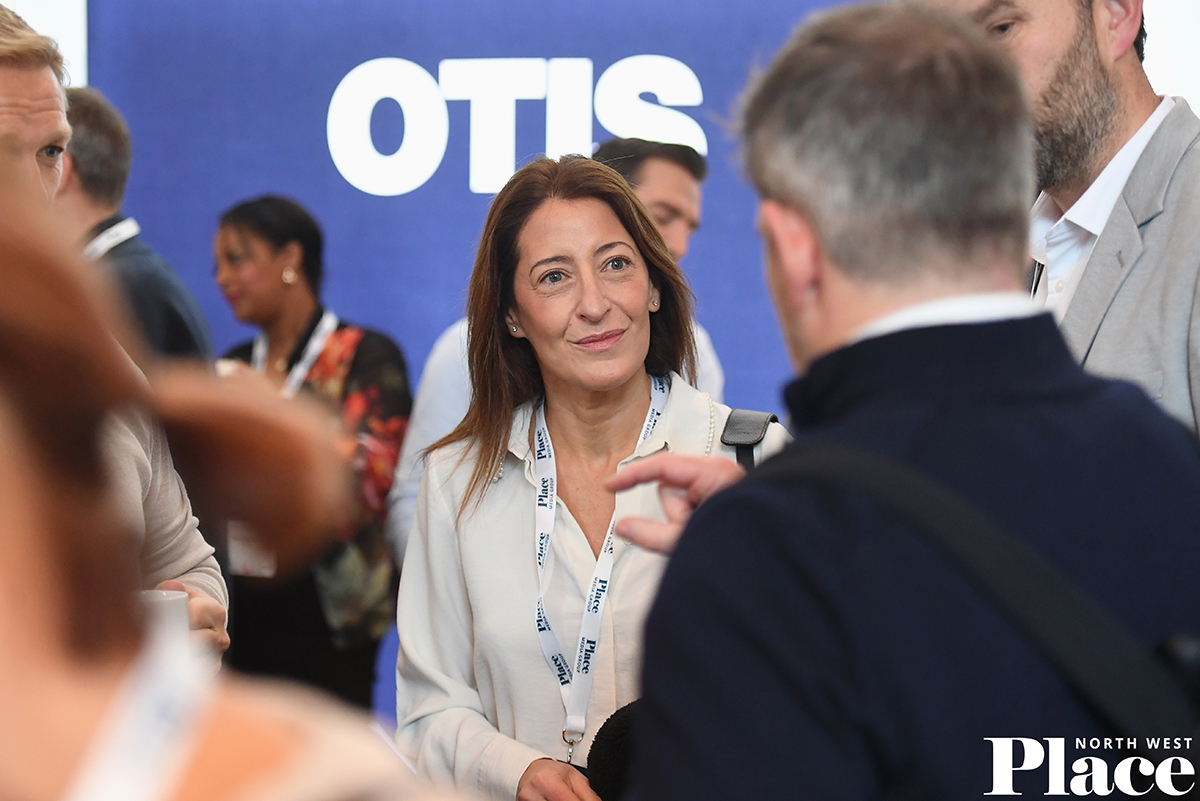
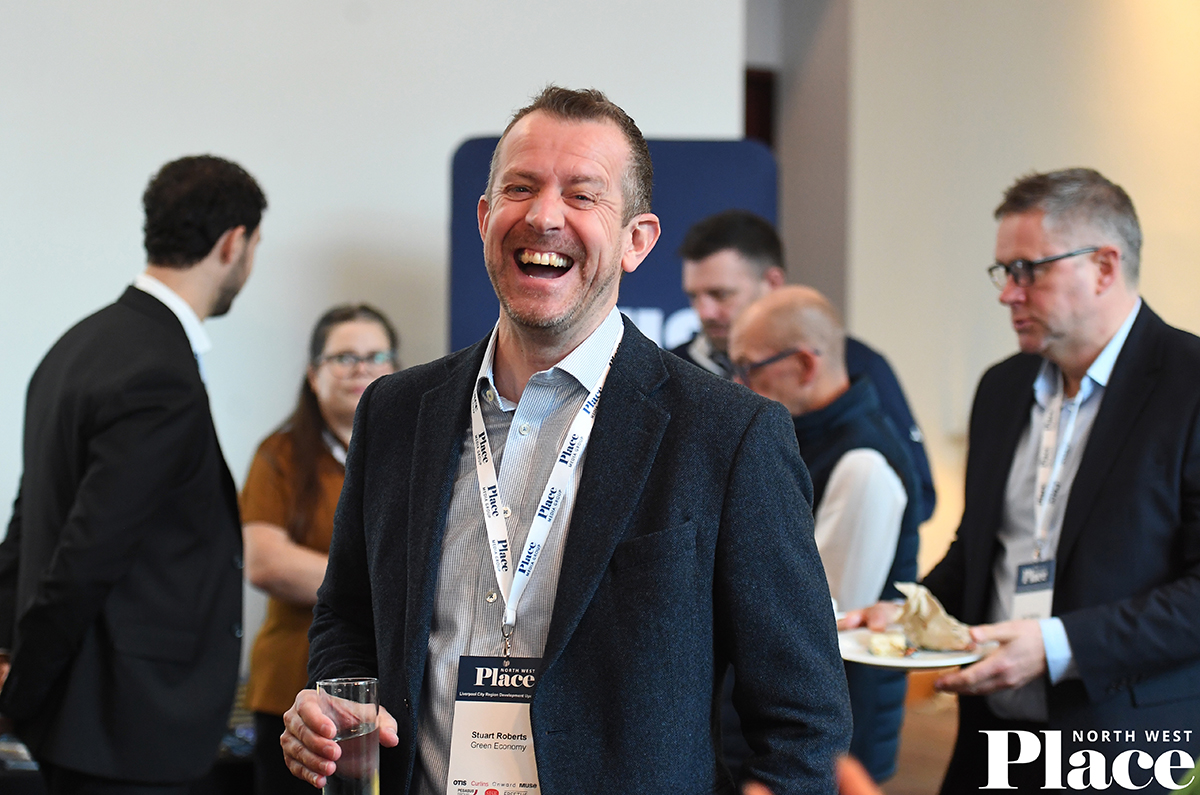
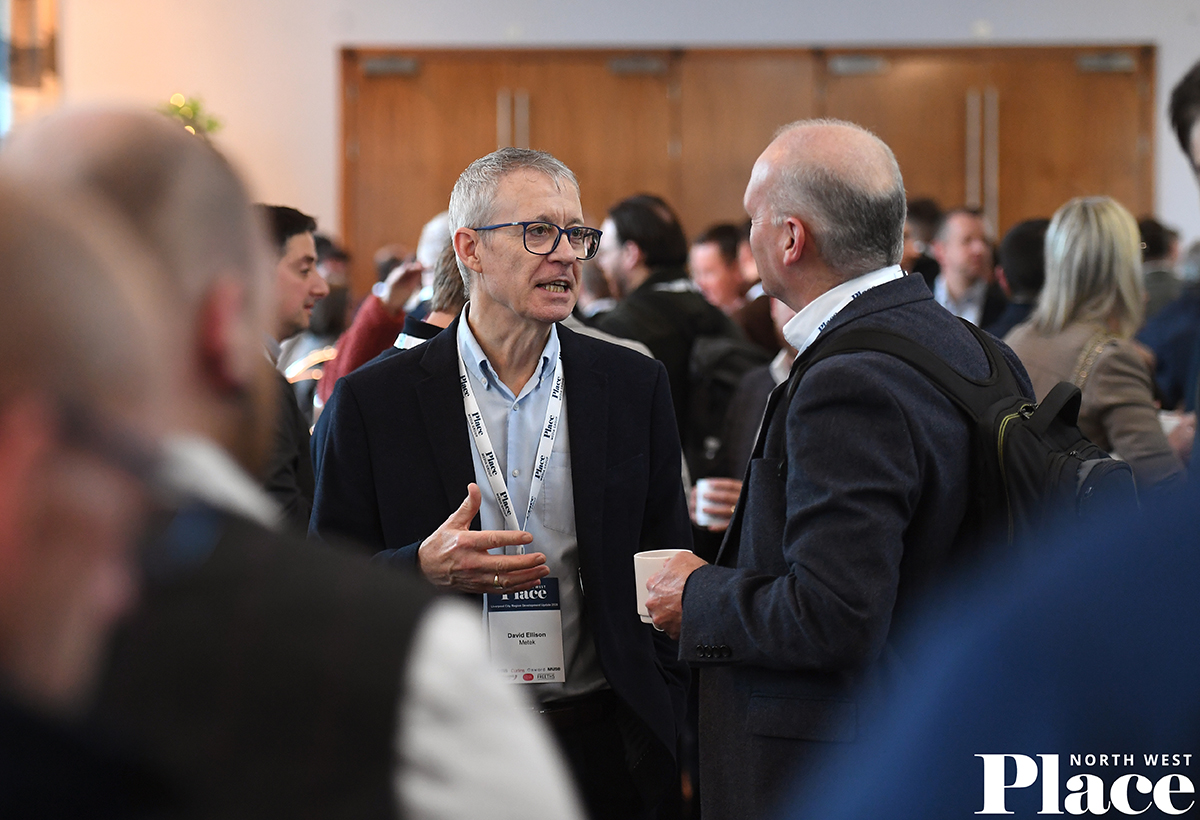
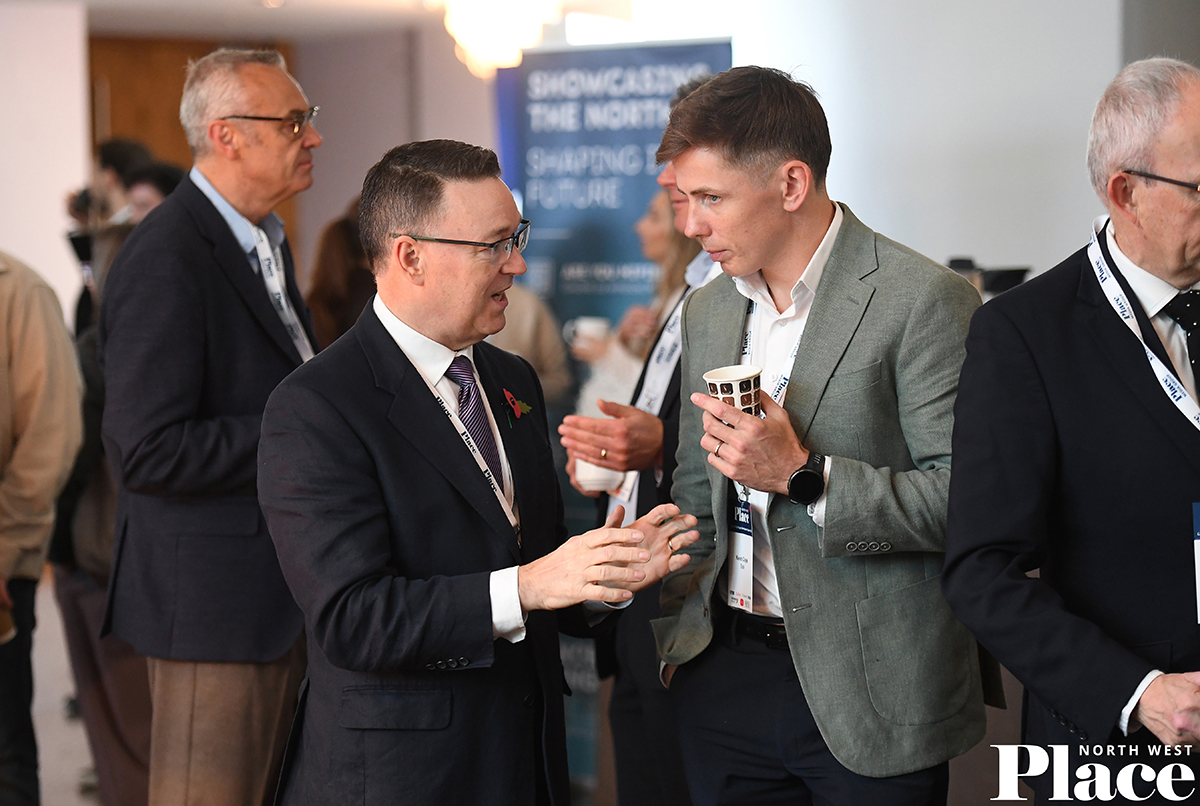
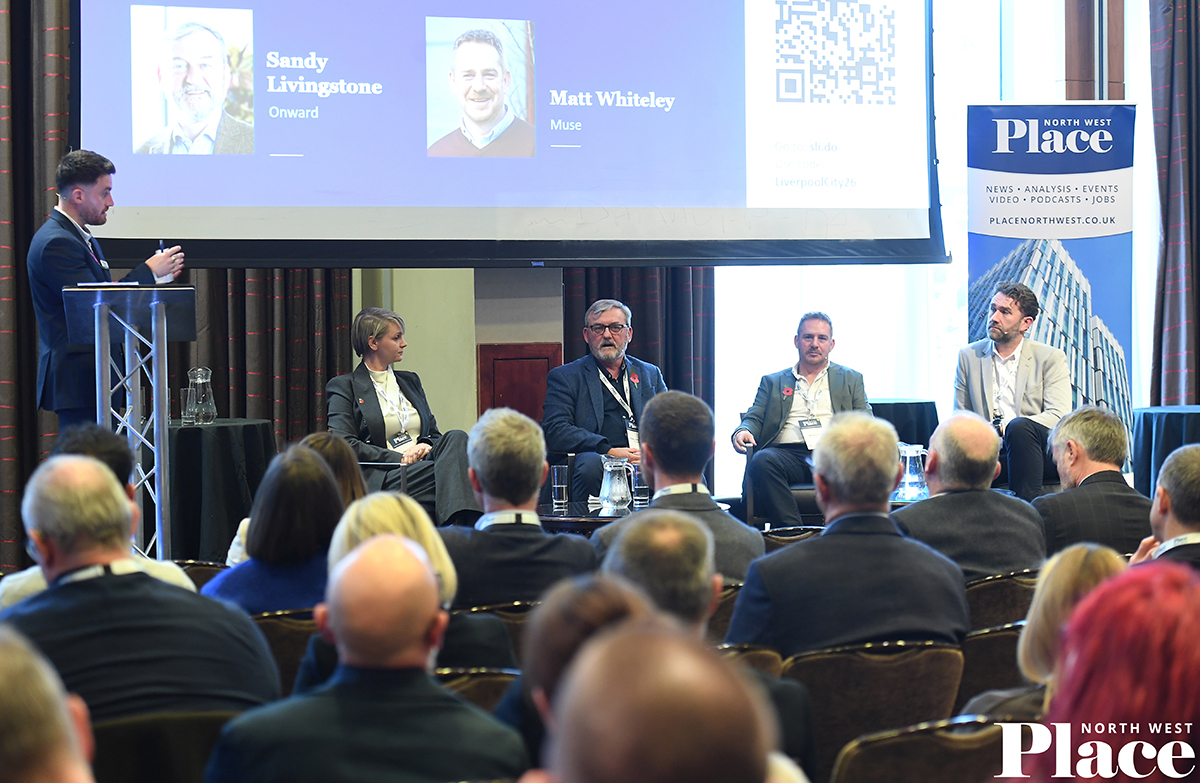
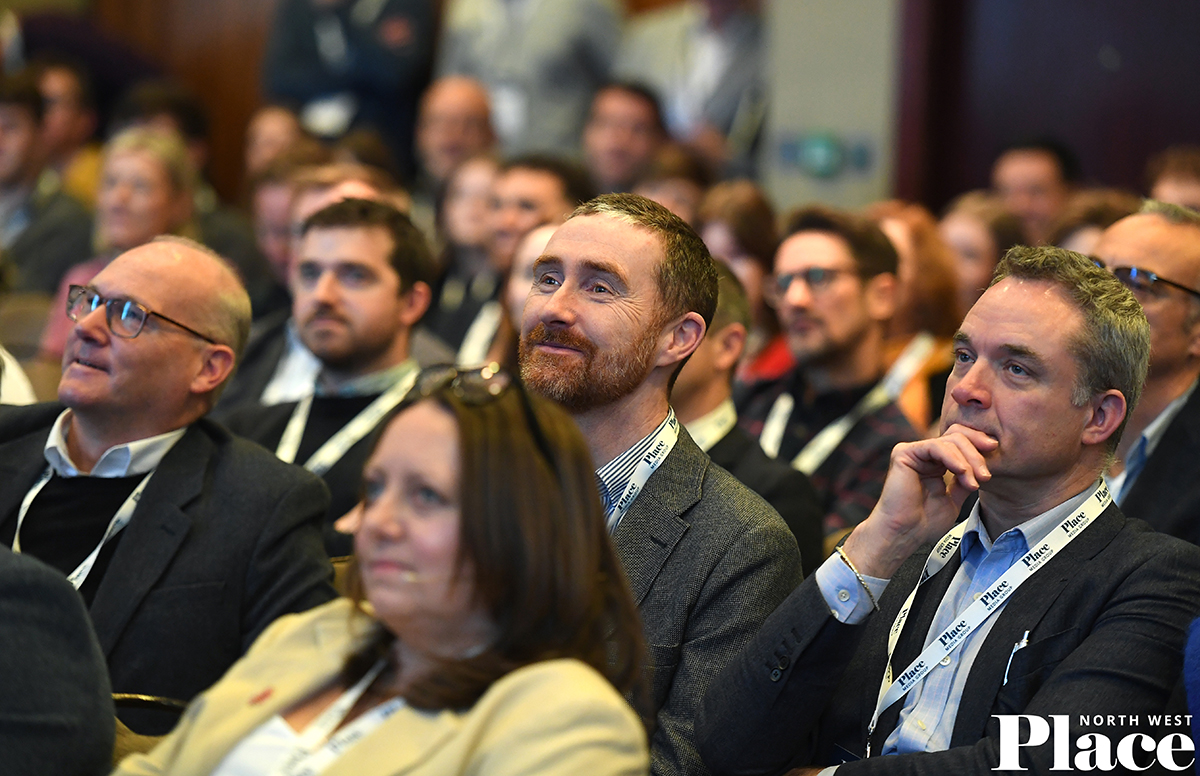
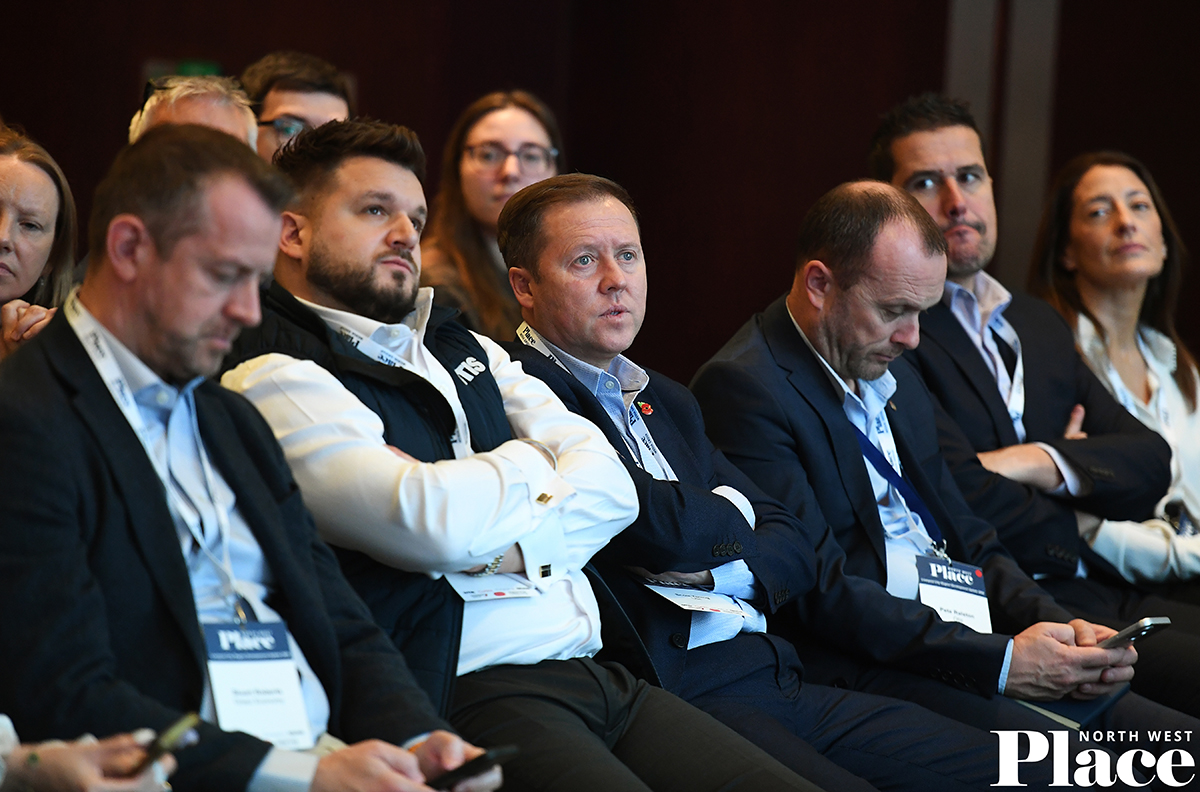
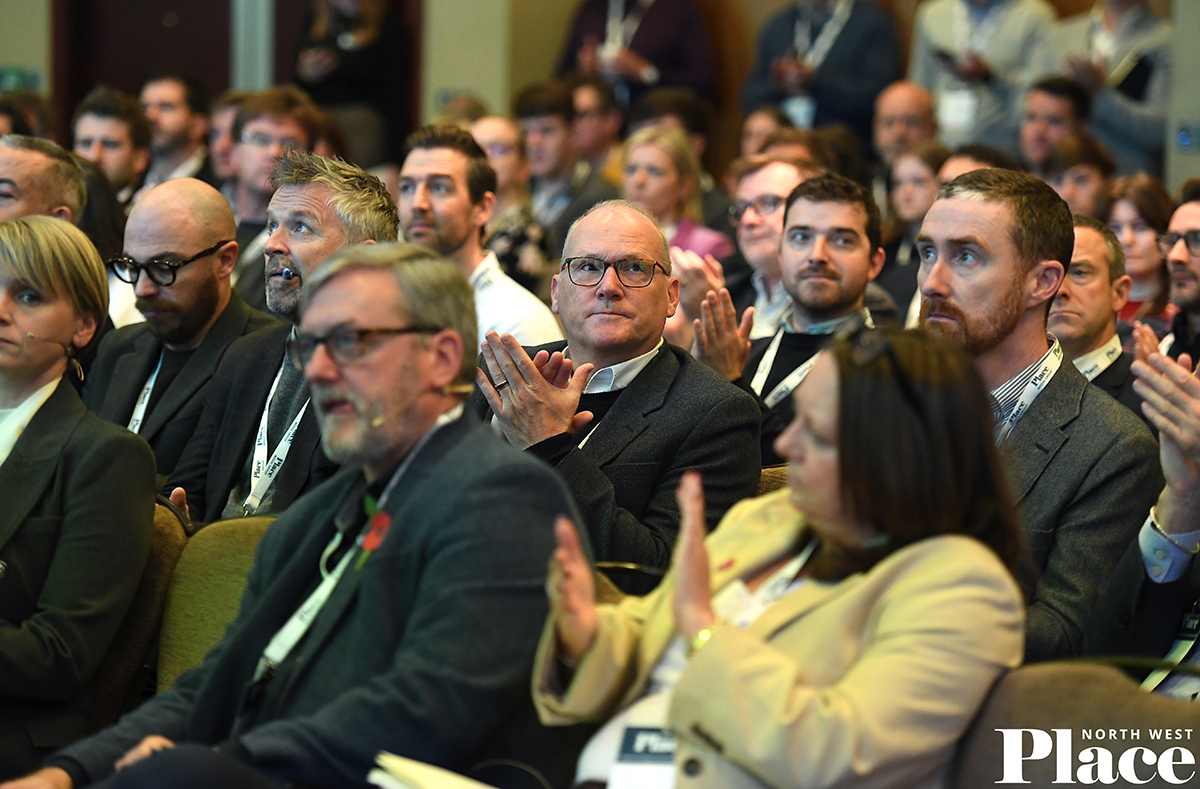
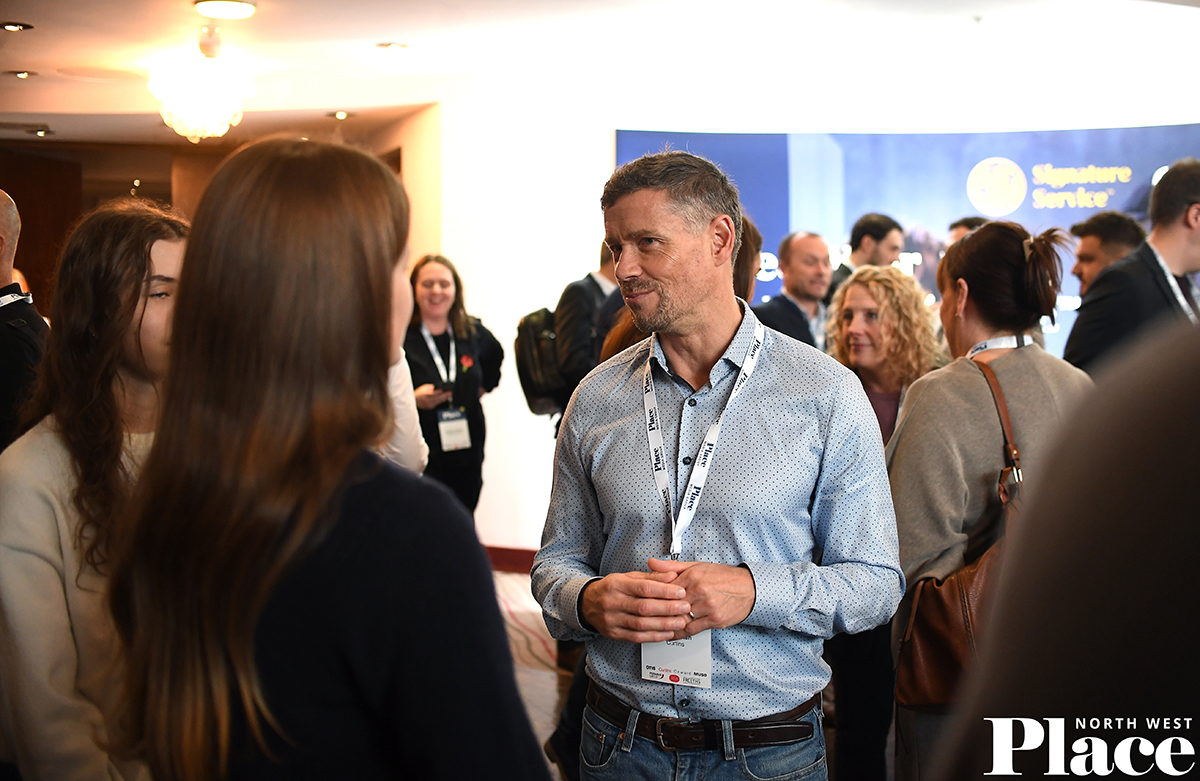
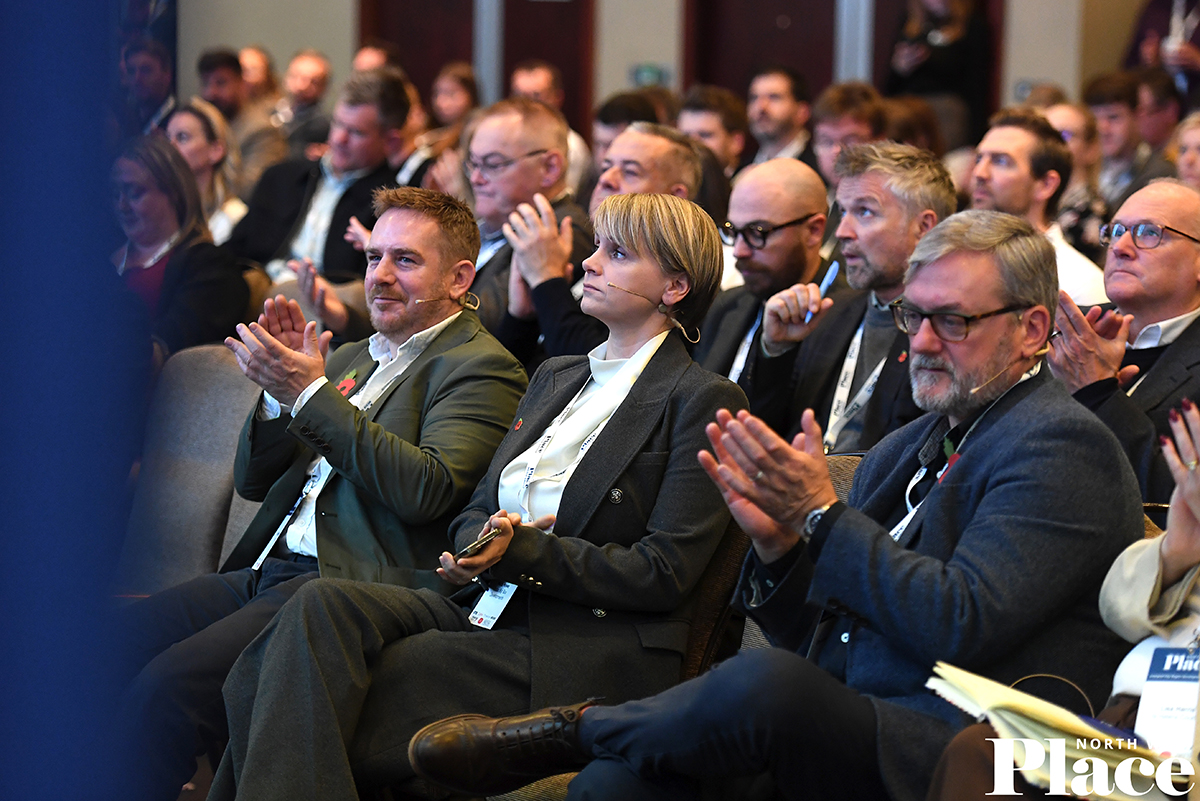
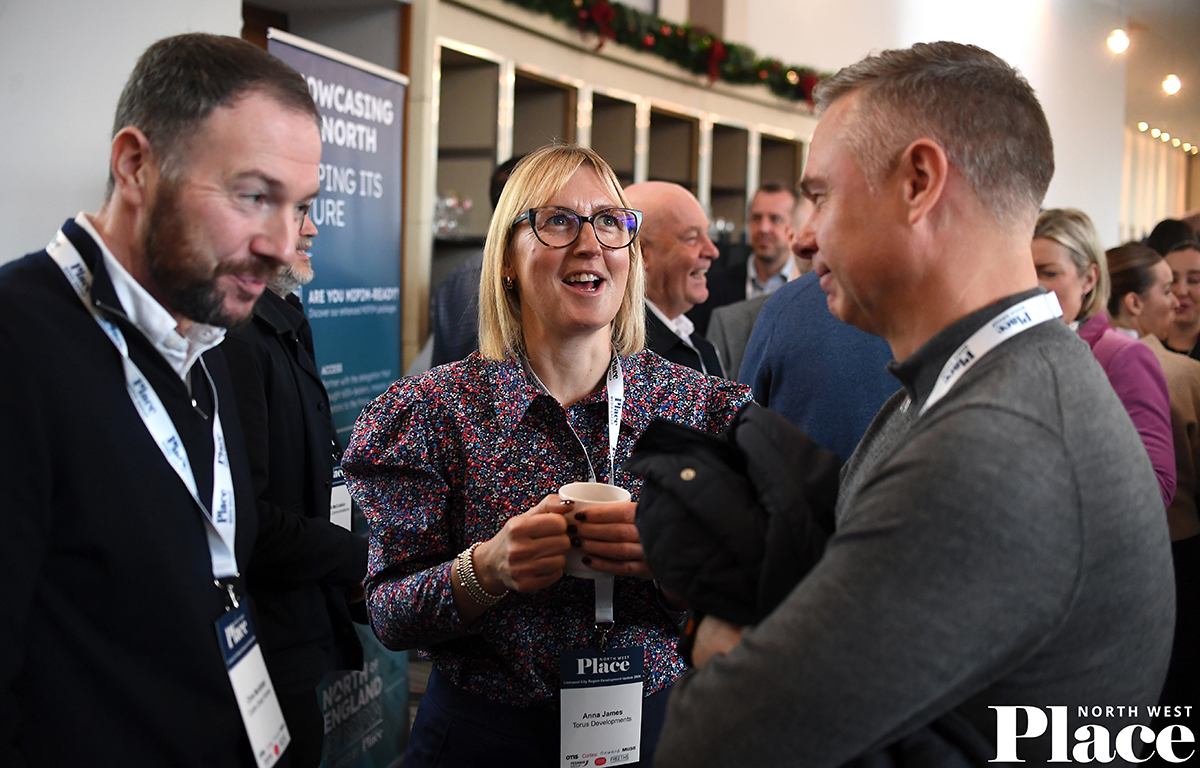
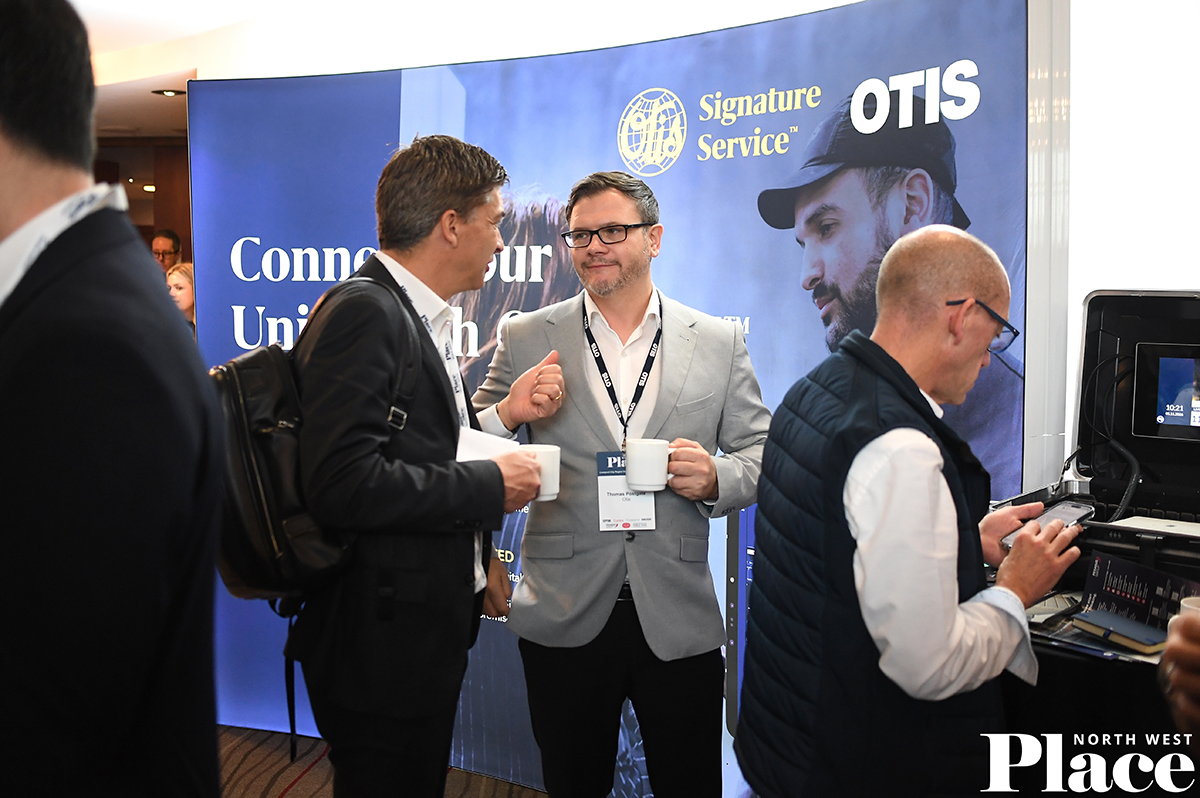
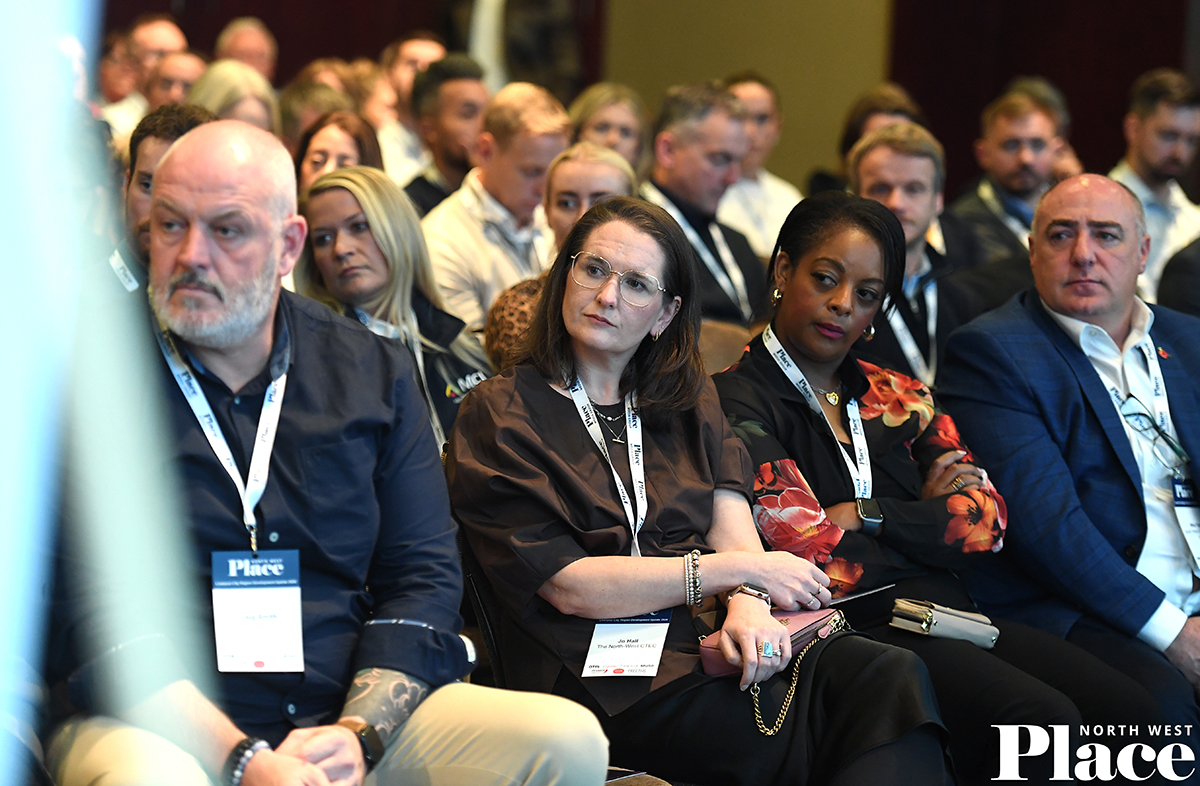
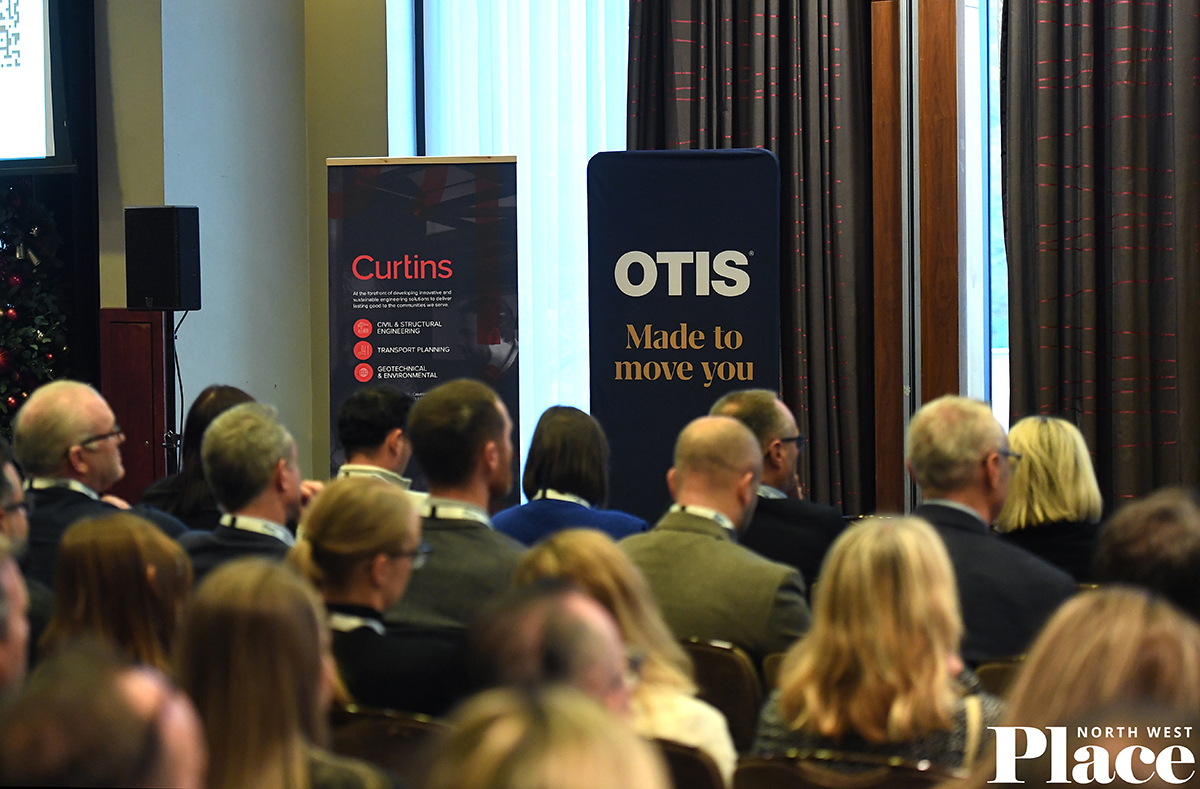
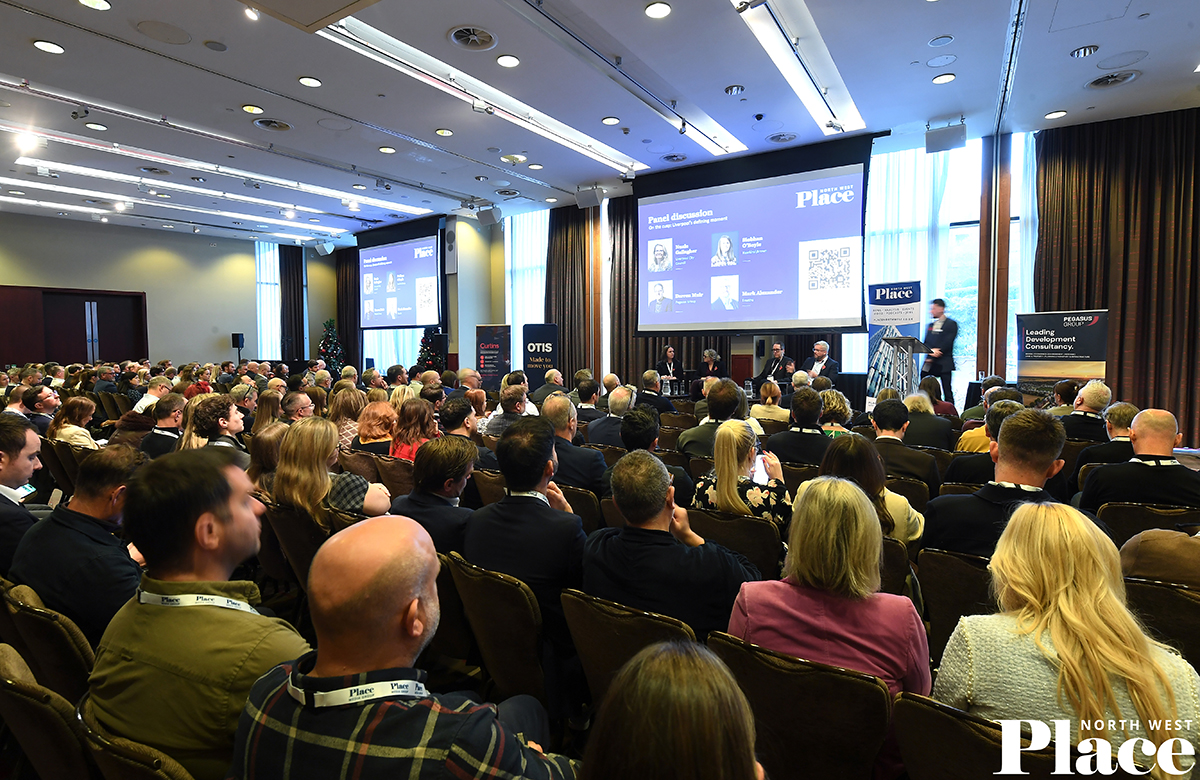
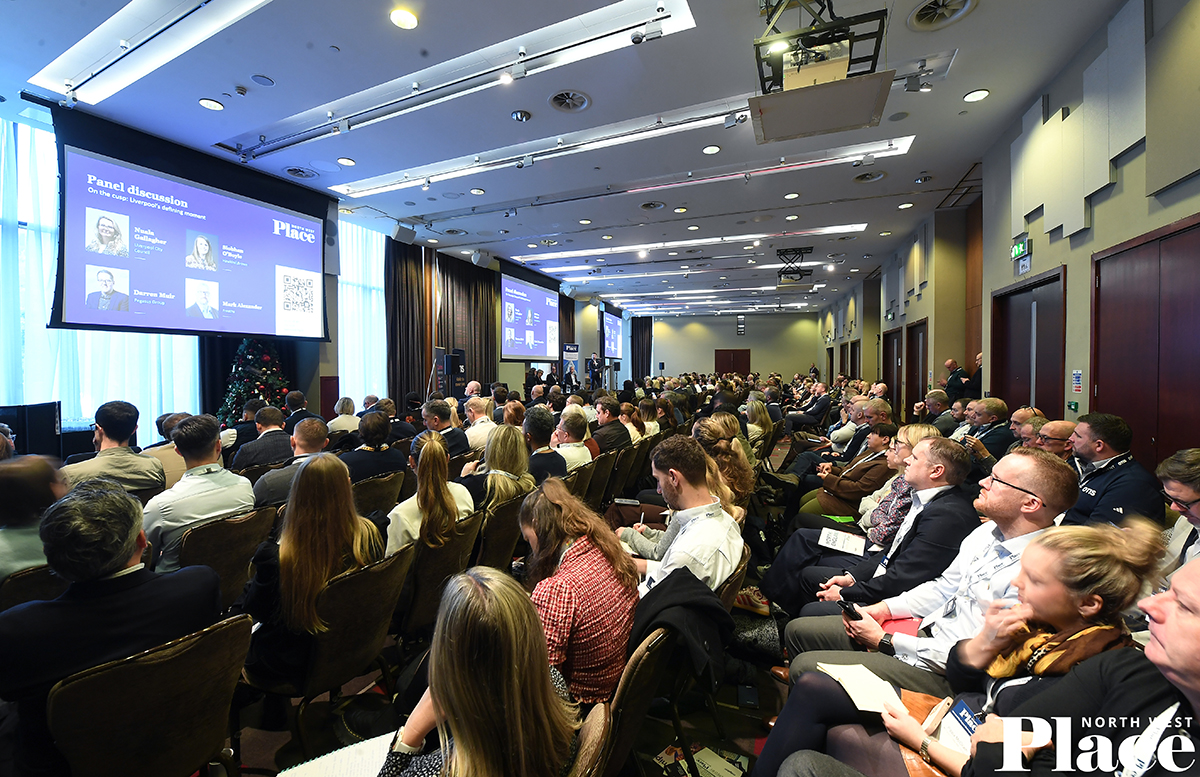
Around 300 delegates gathered at the Hilton in Liverpool last week looking to hear more about the pipeline of major projects in Liverpool and get a better understanding of what, if any, impact having a Liverpool-born Prime Minister in Number 10 Downing Street is having.
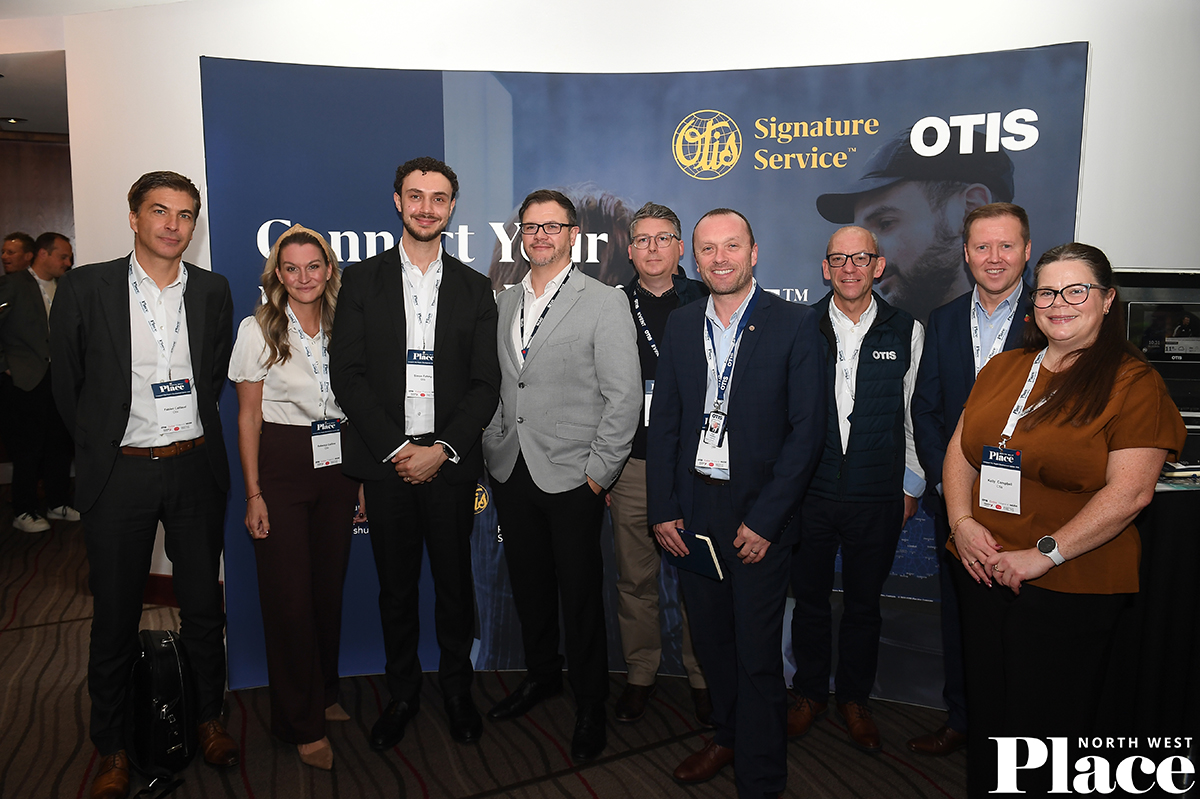
The Liverpool City Region Development Update 2026 was supported by Curtins, Onward, Muse, Pegasus Group, Sisk, Otis, and Freeths.

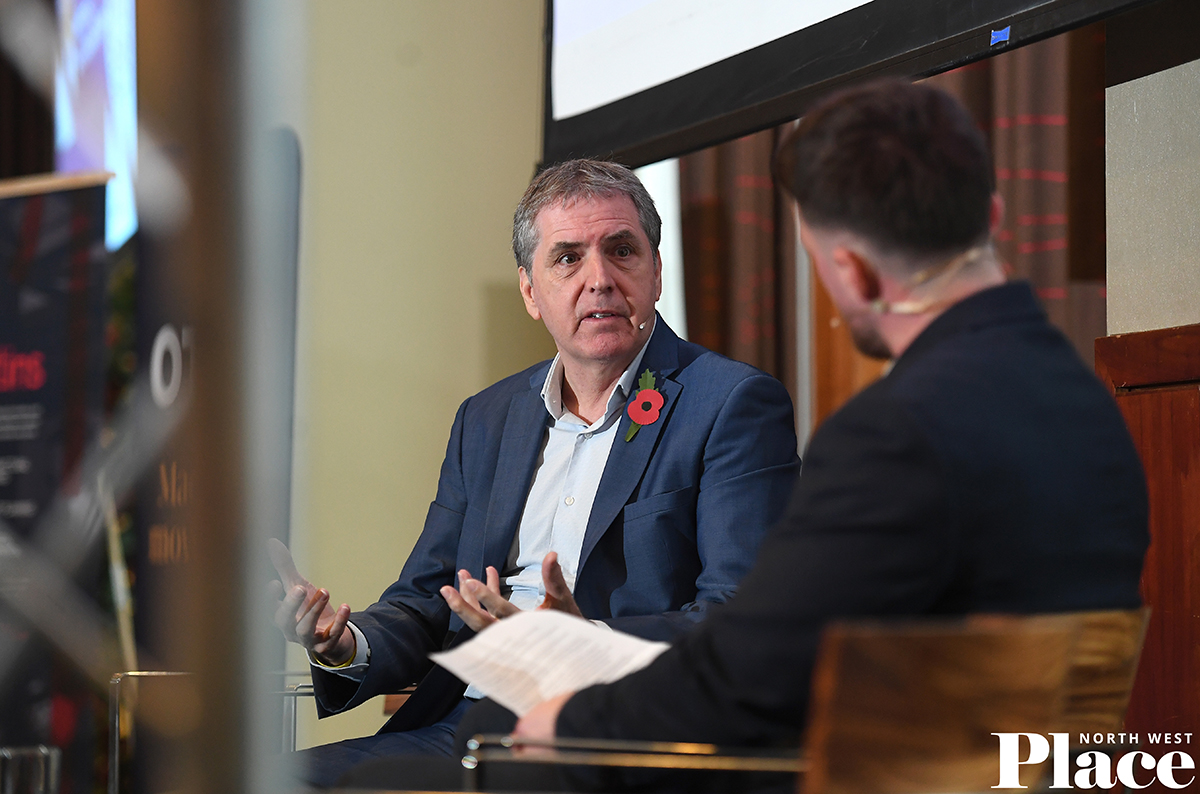
Steve Rotheram
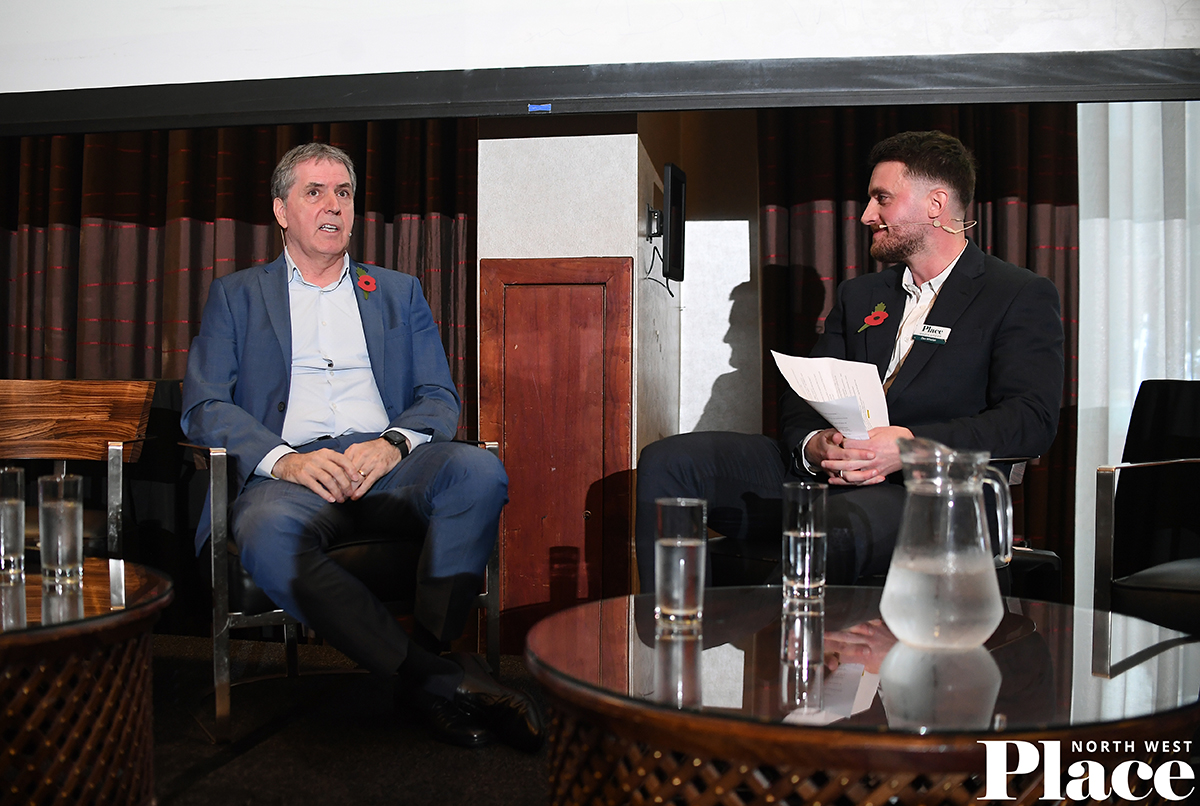
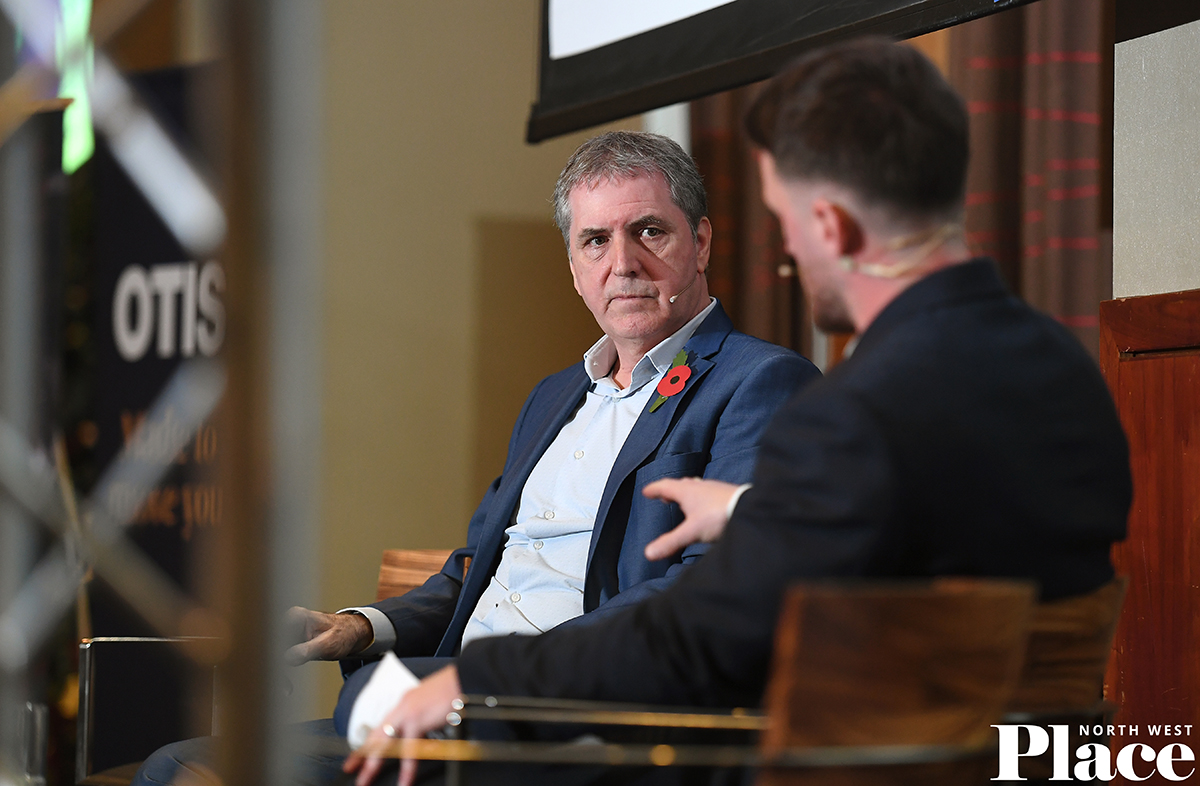
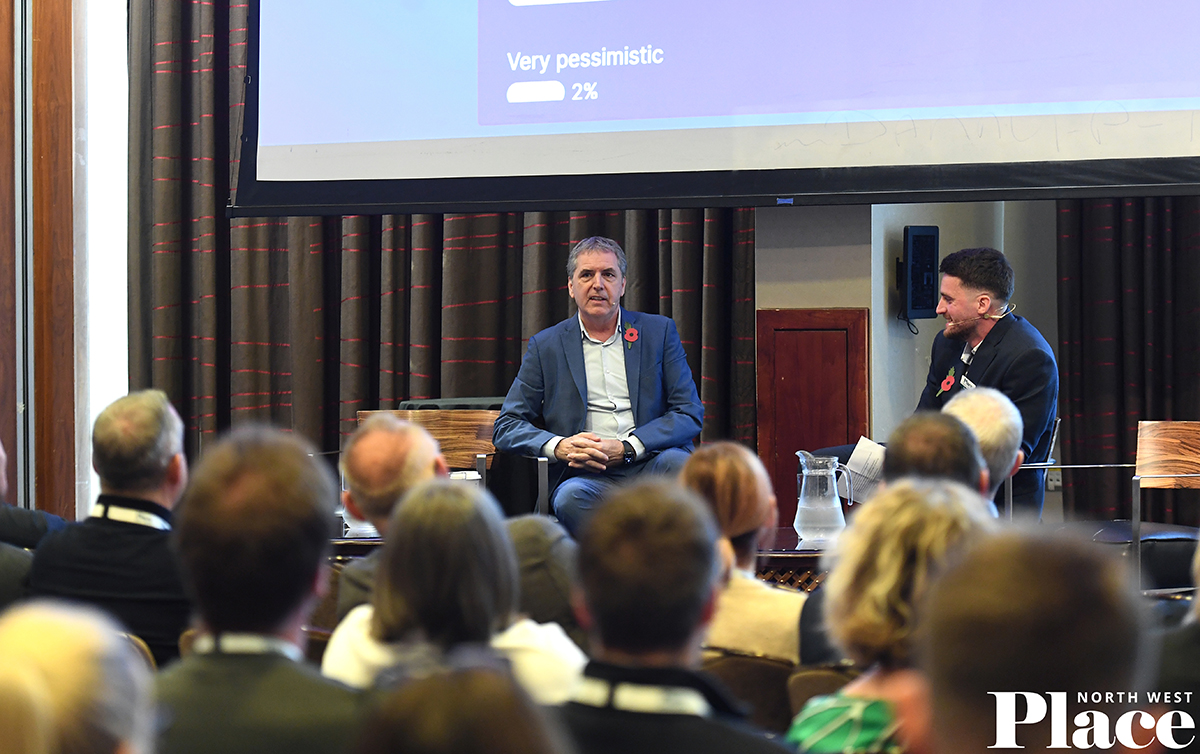
“This is our time,” said Metro Mayor Steve Rotheram, who was bullish about the future of the city centre and surrounding boroughs.
“I think in five years’ time, Liverpool will be the fastest-growing city region in the country,” he said.
Read more about what Rotheram said during his one-to-one sit-down with Place North West deputy editor Dan Whelan.
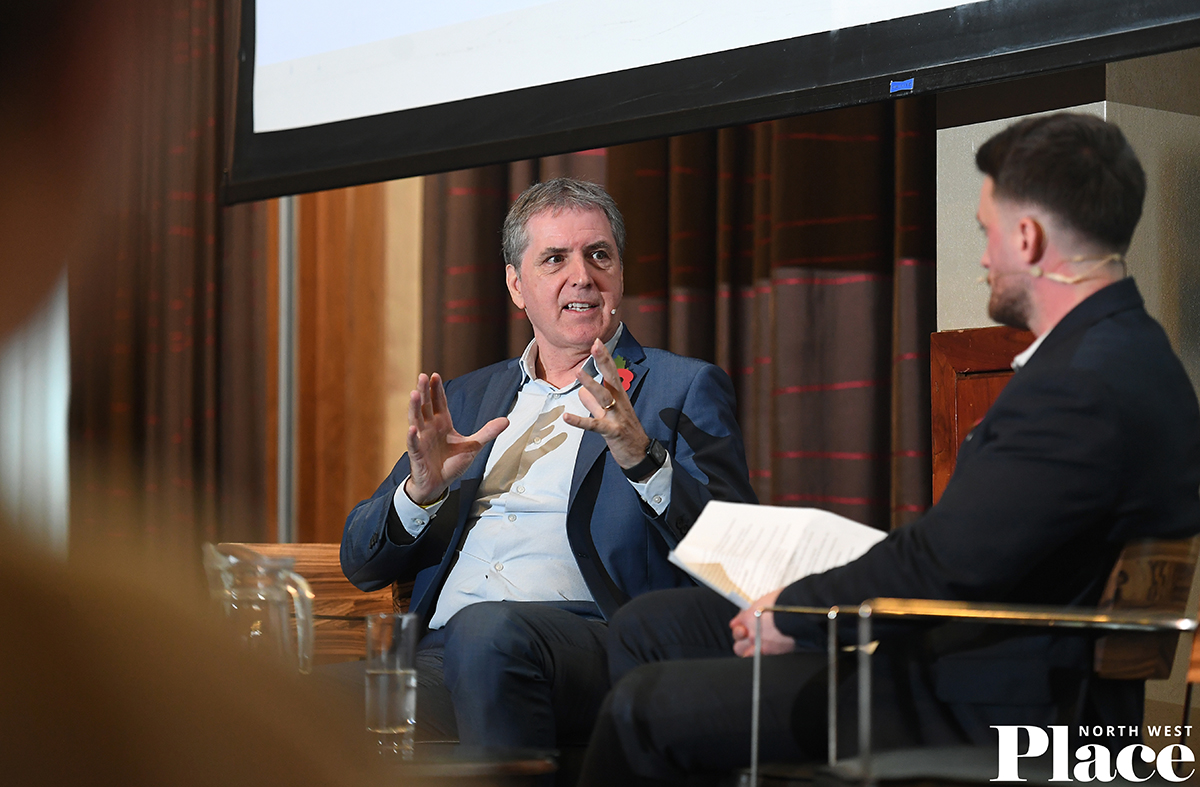
Metro Mayor Steve Rotheram is bullish about the future for his city region. Credit: PNW
Is this Liverpool’s moment?
There is excitement about the coming years during which major projects including the £2bn Kings skyscraper cluster, the refurbishment of Martins Bank into Grade A offices, and the long-awaited regeneration of Festival Gardens are expected to make significant progress.
However, there is also a nervousness about whether the city will be able to create an environment in which large schemes can come forward.
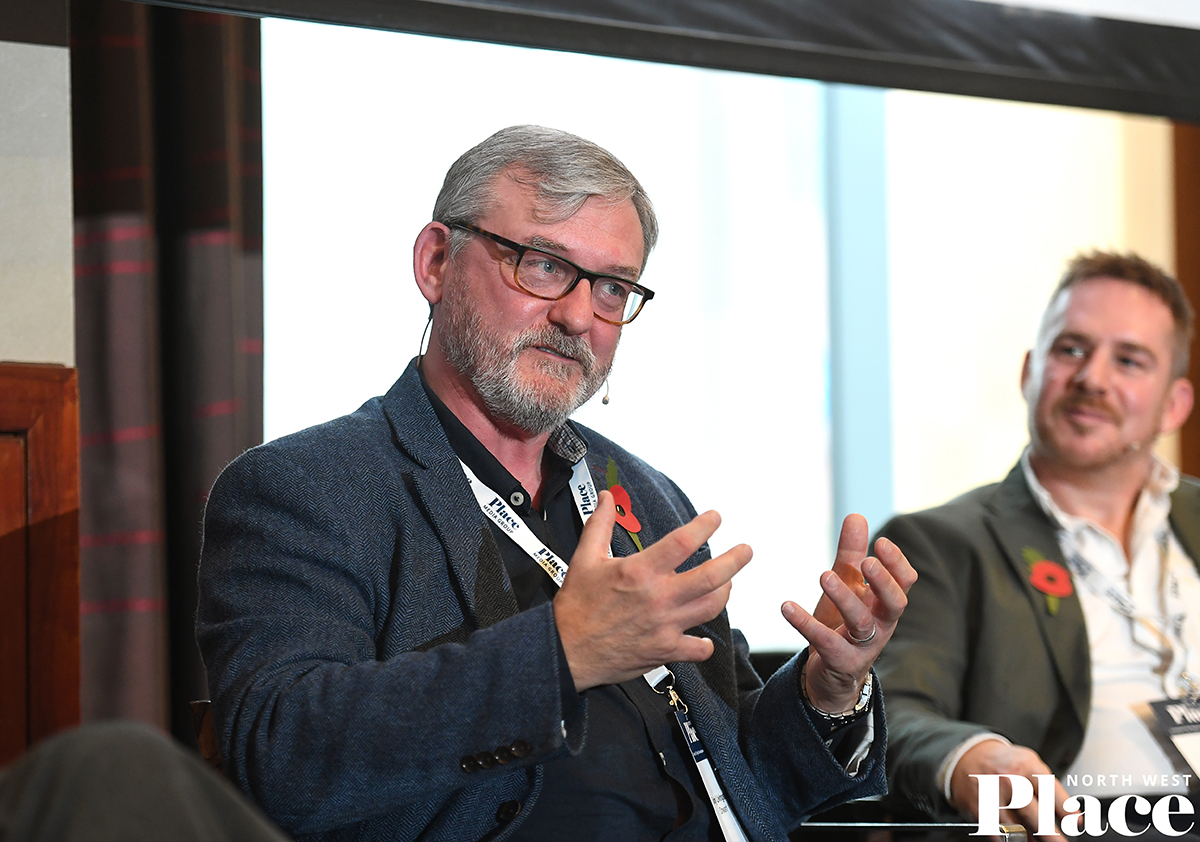
Darren Muir, executive director at Pegasus, pointed to Liverpool’s emerging local plan as a potential barrier to progress and investment, stating that some of the policies fail to take account of the economic realities on the ground.
“Part of the frustration that we see in the private sector is that all of the correct words are being said, but not necessarily the correct actions,” he said.
In Liverpool Central, an 86-acre zone that the city council has earmarked for a £5bn regeneration programme, there is a huge opportunity to provide the connective tissue linking Lime Street with the central business district and waterfront.
At the heart of the site is Liverpool Central station, the busiest underground station in the country outside London. In terms of comparative precedents, the mind immediately goes to King’s Cross in London, seen as an exemplar of regeneration.
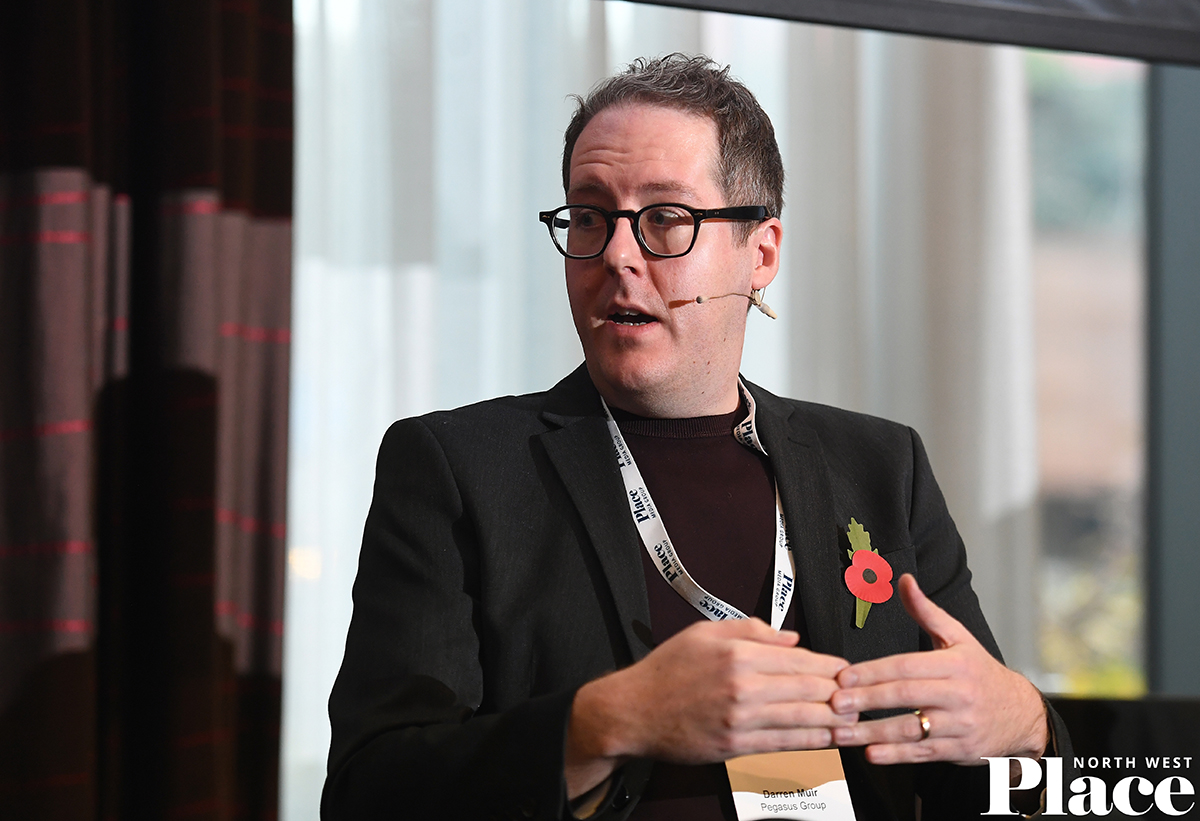
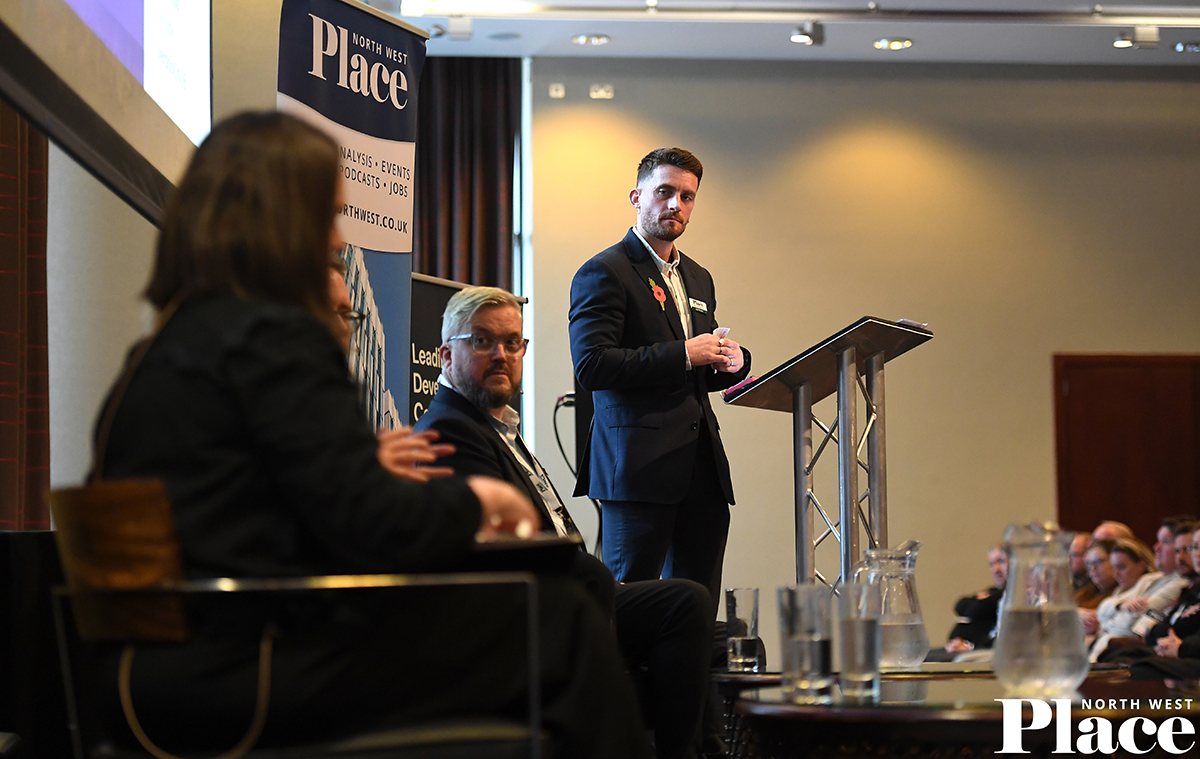
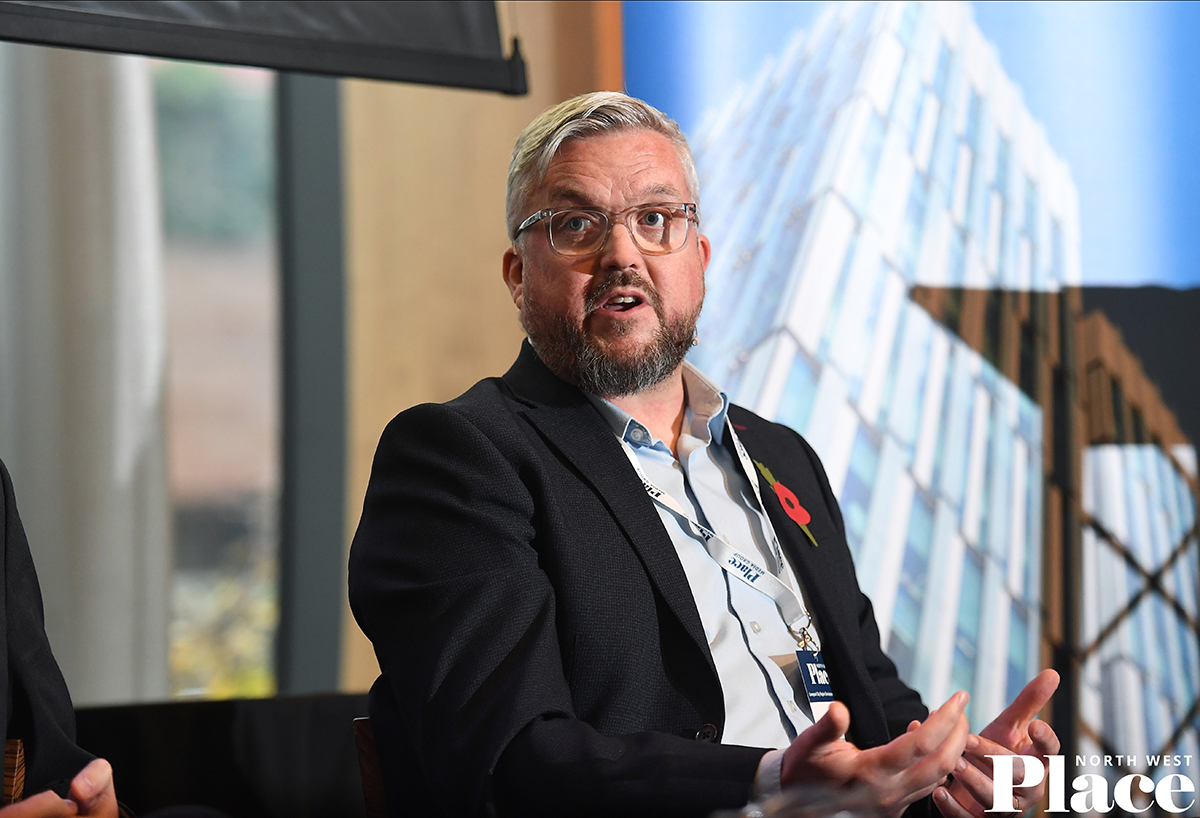
Pegasus’ Darren Muir said the market wants to see more positive action from Liverpool City Council. Credit: PNW
However, Siobhan O’Boyle said the focus at Liverpool Central was on creating something unique for the city.
“It’s not about emulating the success of another project. It’s about actually looking at the amazing assets that are within the core of the city and how we can really bounce off [them].”
News of the Beatles Experience’s impending relocation to a 100,000 sq ft space at the heart of the Liverpool Central masterplan is an encouraging start but Mark Alexander, partner at Freeths, has a nagging feeling that Liverpool is missing an ingredient that would see it compete more effectively with its regional rivals.
“We need an identity. We need to be known for something,” he said.
He said the redevelopment of Littlewoods into a film and TV campus and HEMISPHERE, a hub for life sciences businesses to be constructed at Paddington Village, could be the “differentiators” that Liverpool is craving.
“What I would want to see is a global company relocating its headquarters to Liverpool or using Liverpool as its first European base,” Alexander said.
“That kind of catalyst, that kind of big thing to point to and go right, that’s a bit different.”
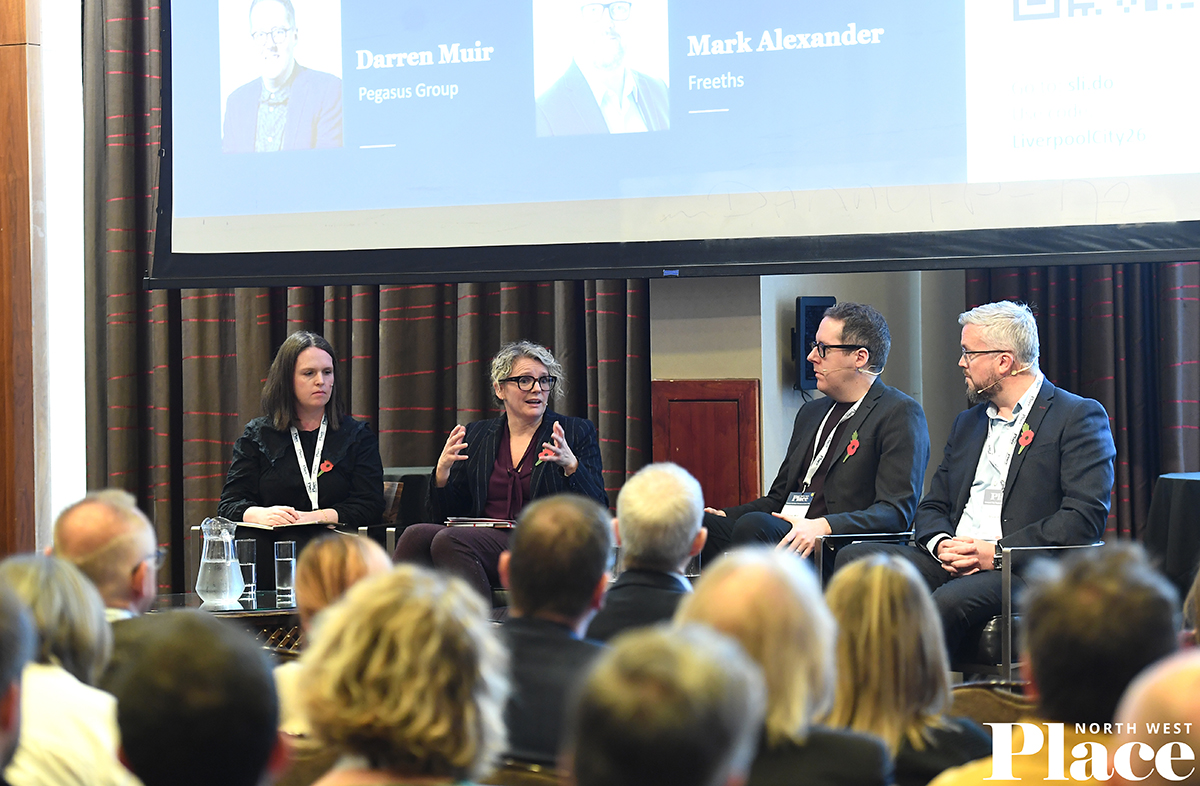
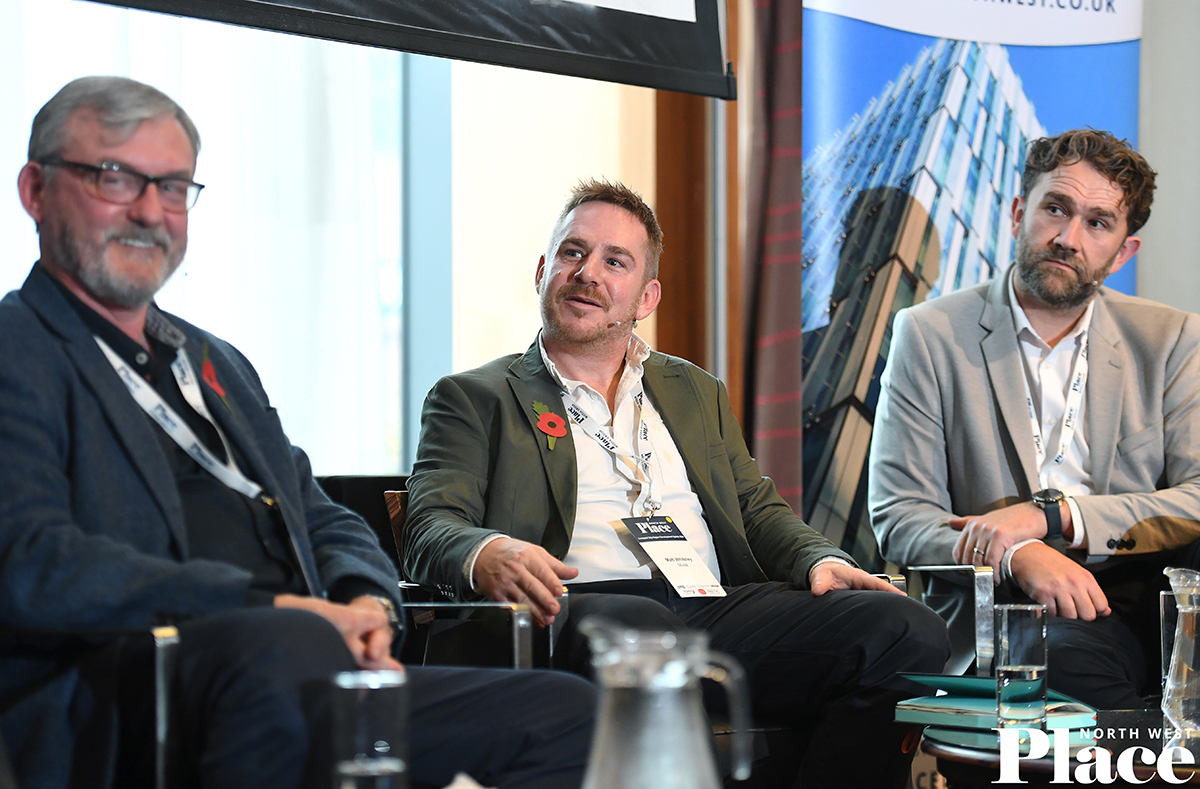
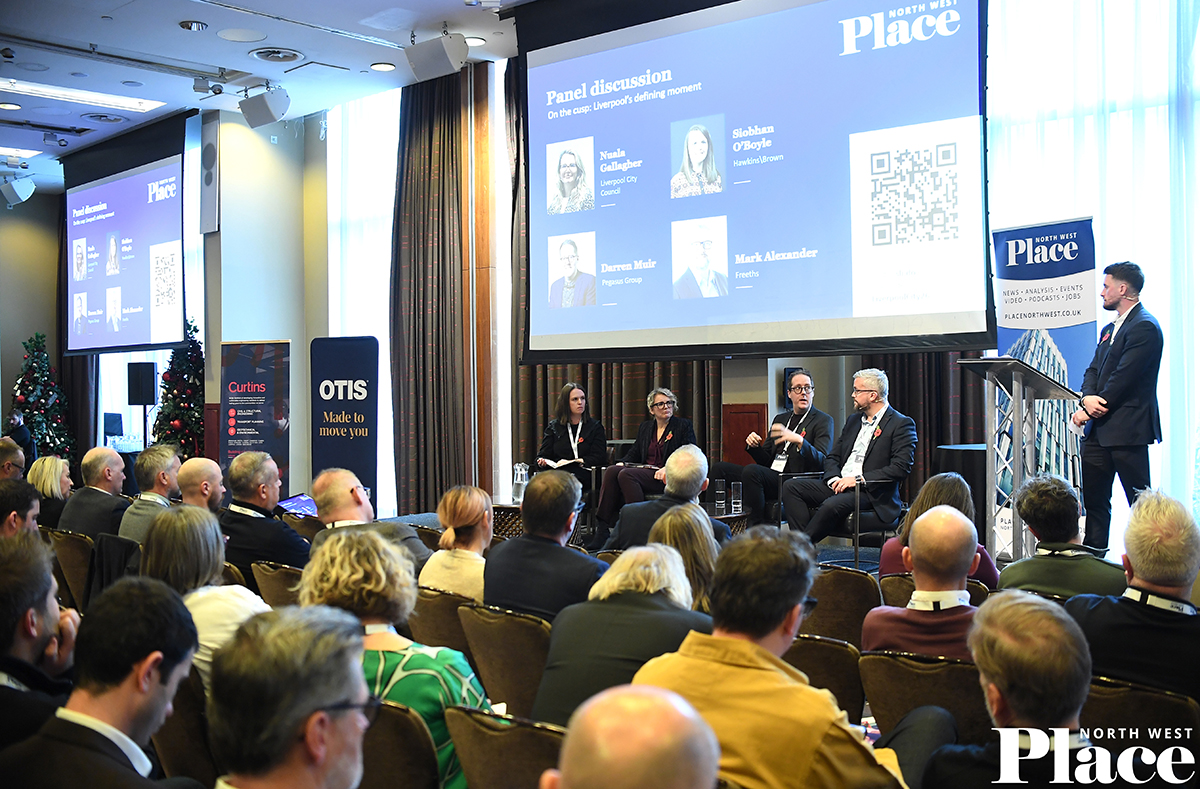
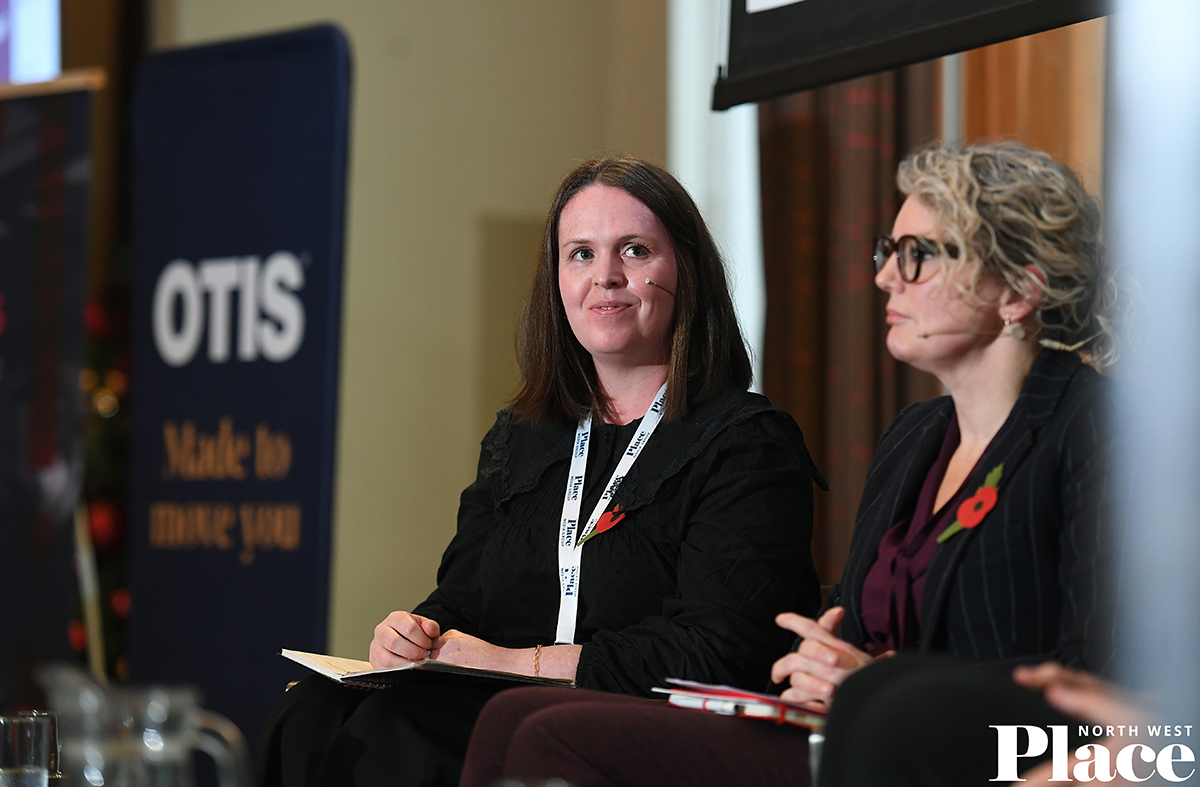
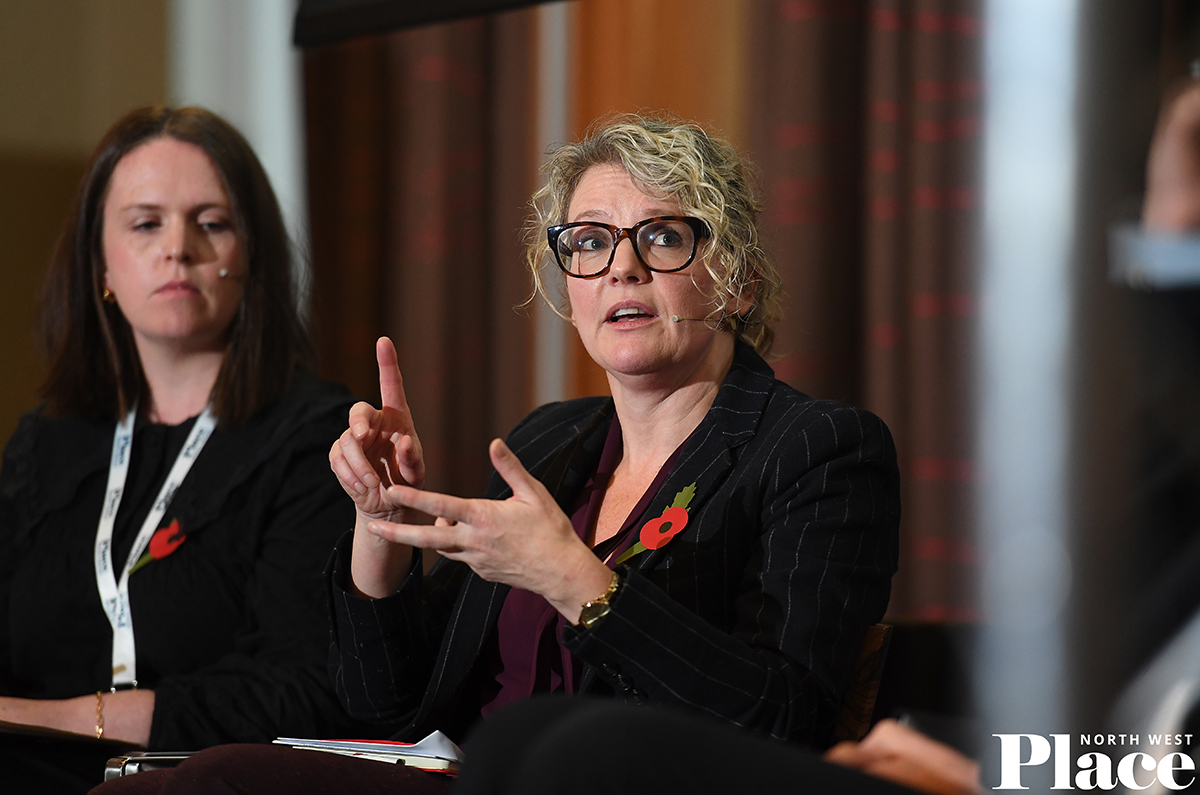
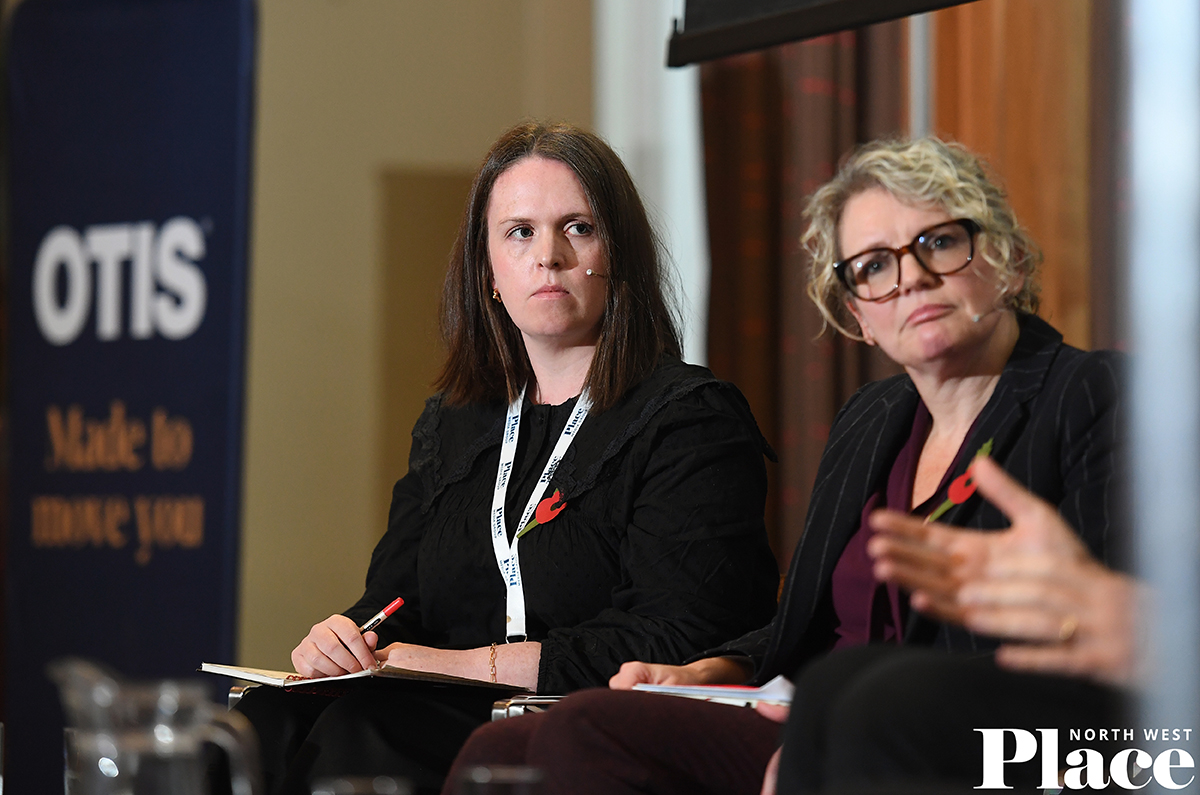
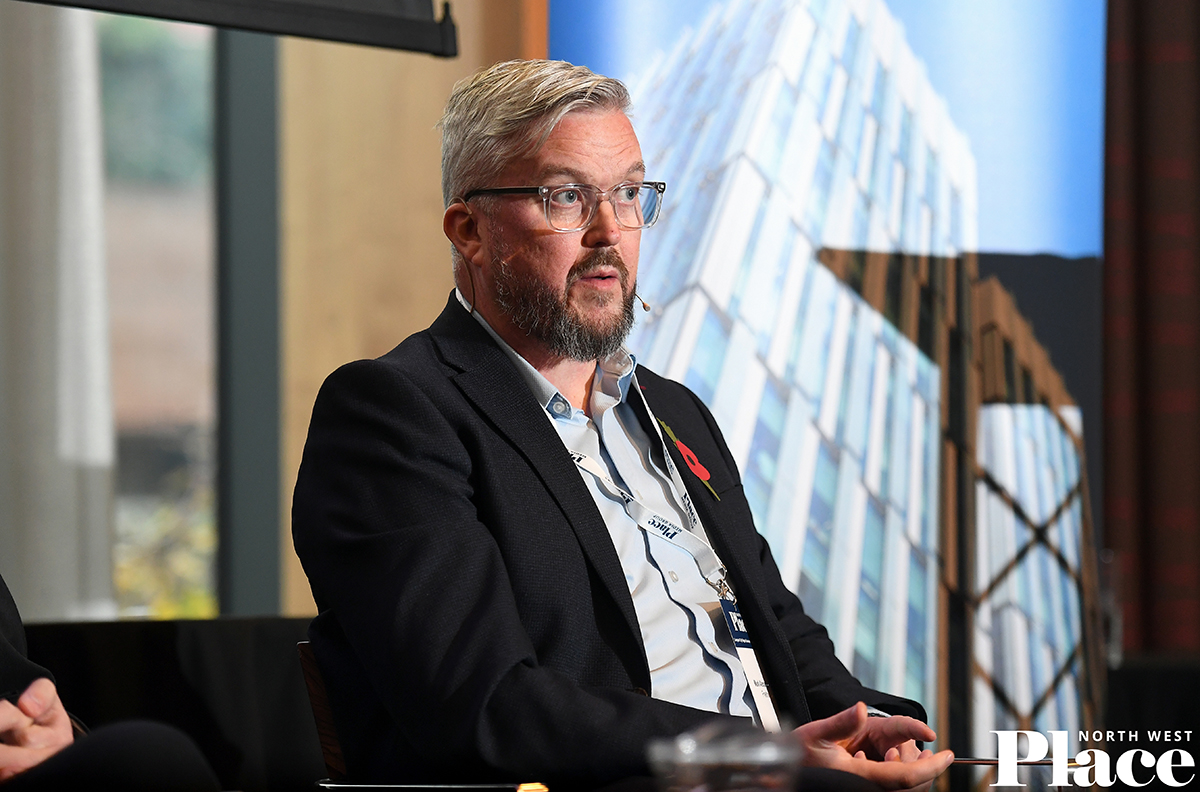
The panel discussed Liverpool’s exciting pipeline of projects and how to deliver them. Credit: PNW
Nuala Gallagher, corporate director of city development at Liverpool City Council, said that in the coming years she hopes that Liverpool can translate plans into delivery and change perceptions of the city in the minds of investors.
“There’s been a lot of projects that have been around for a long time,” she said.
“I would like to see by this time next year a lot of those are underway, and that you get into momentum about delivery.”
She added: “I love the city. I actually am privileged to be working in it and in this role, and I take that seriously.”
Lightning talks
Knowsley
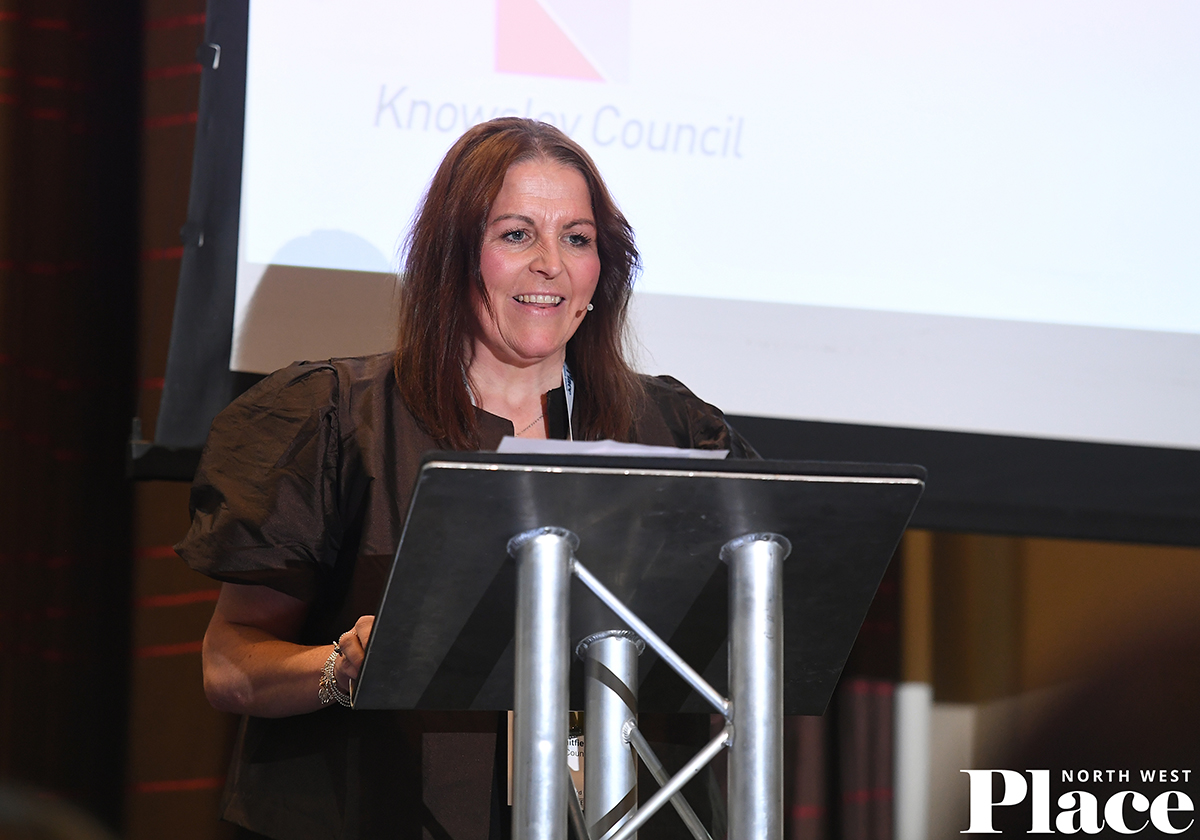
Impressive housing delivery over the last 10 years demonstrates that Knowsley is a place that is pro-development, said Gillian Whitfield, head of major development at the council.
“Through a place rebrand and a very ambitious housing land disposal programme, Knowsley was able to deliver 9,000 homes in the last 10 years, making it one of the fastest-growing places in the city region. This is against a target half that size.”
The council is embarking on an update of its local plan and will commence a call for sites shortly.
In recent years, attention has turned to Knowsley’s town centres, with Prescot, Kirkby and Huyton all undergoing significant change through partnerships with the private sector.
“Knowsley has long been a place of aspiration and ambition, but now it’s very clearly a place of delivery and with a strong track record,” Whitfield said.
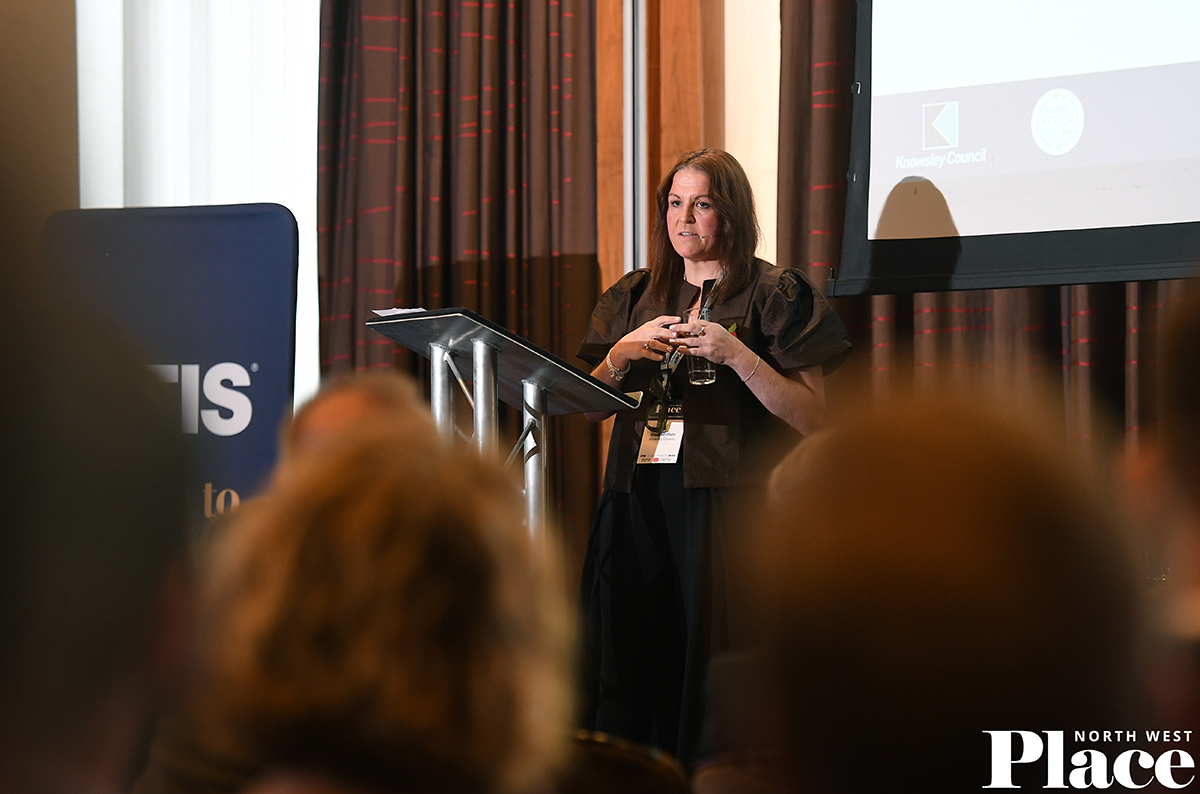
Knowsley’s Gillian Whitfield outlined the council’s pro-development stance. Credit: PNW
Sefton
Like Knowsley, Sefton Council is also seeking to revitalise its town centres with ambitious regeneration plans in Bootle – where the Strand shopping centre is being redeveloped – and Southport, which is set to get a refurbished pier and a £106m events centre.
In Maghull, Sefton is working up plans for a mental health and life sciences innovation centre that Stuart Barnes, assistant director of place at the council, hopes could attract “significant global tech and pharmaceutical” occupiers.
“The diversification of our economy is really important, and we’re working very hard on the infrastructure improvements to underpin all of that,” said Barnes.
Opportunities to get involved in Sefton’s development agenda could be found in the council’s asset rationalisation programme, Barnes said.
“The council has got a lot of assets that we don’t need, which also creates opportunities that others may want to take advantage of, and we’re very keen on continued private sector engagement.”
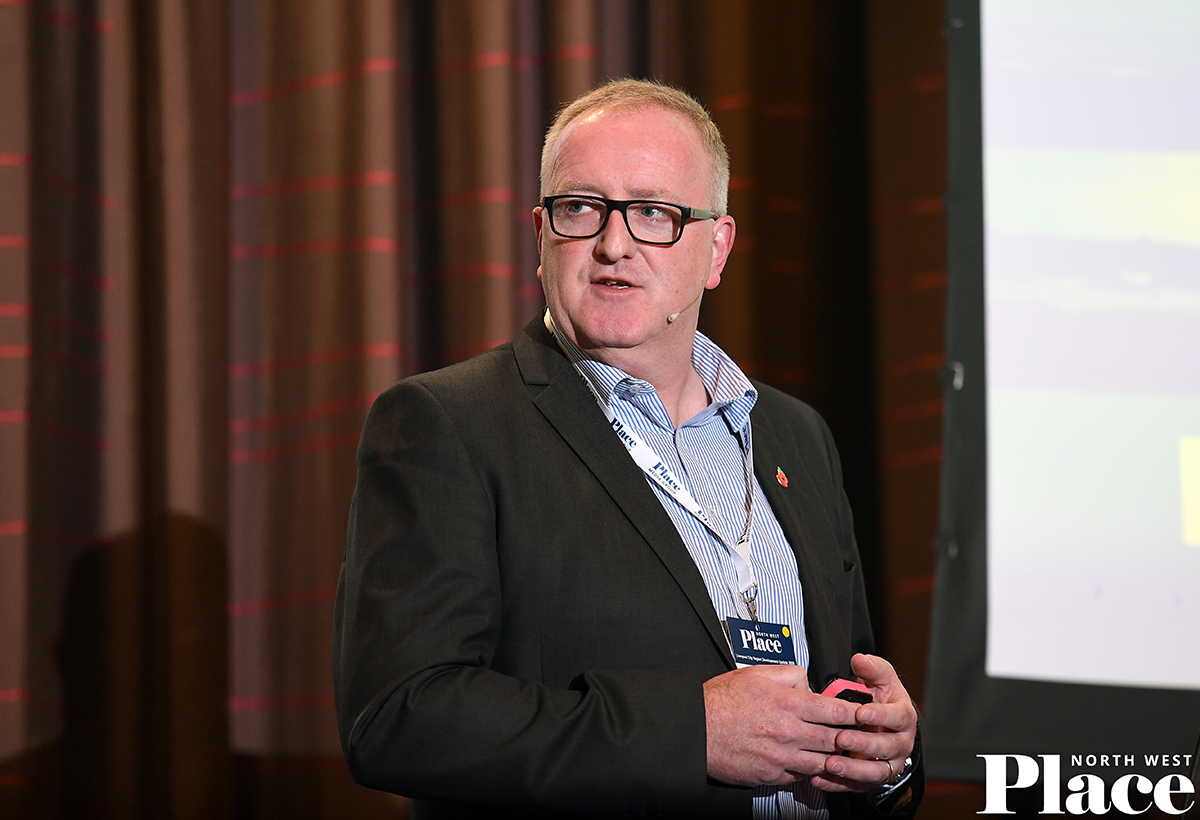
Sefton’s Stuart Barnes shared plans for Southport and Bootle. Credit: PNW
St Helens
Lisa Harris, executive director of place at St Helens Council, is a veteran of Place North West conferences and has appeared at several over the years to talk about the borough’s development plans.
“I started off talking about masterplans, and then the next year I talked about planning applications, and the next year I talked about procurement and contractors, and I’m absolutely over the moon because this year I’m talking about delivery,” she said.
Contractors are on site in both St Helens town centre and neighbouring Earlestown to bring long-held visions to life.
Innovation, energy, ambition and £300m of investment have helped bring these schemes to fruition and will be required again for what St Helens has planned next.
Project Halo is St Helens’ flagship life sciences development and will focus on manufacturing for growth companies based in Liverpool’s Knowledge Quarter.
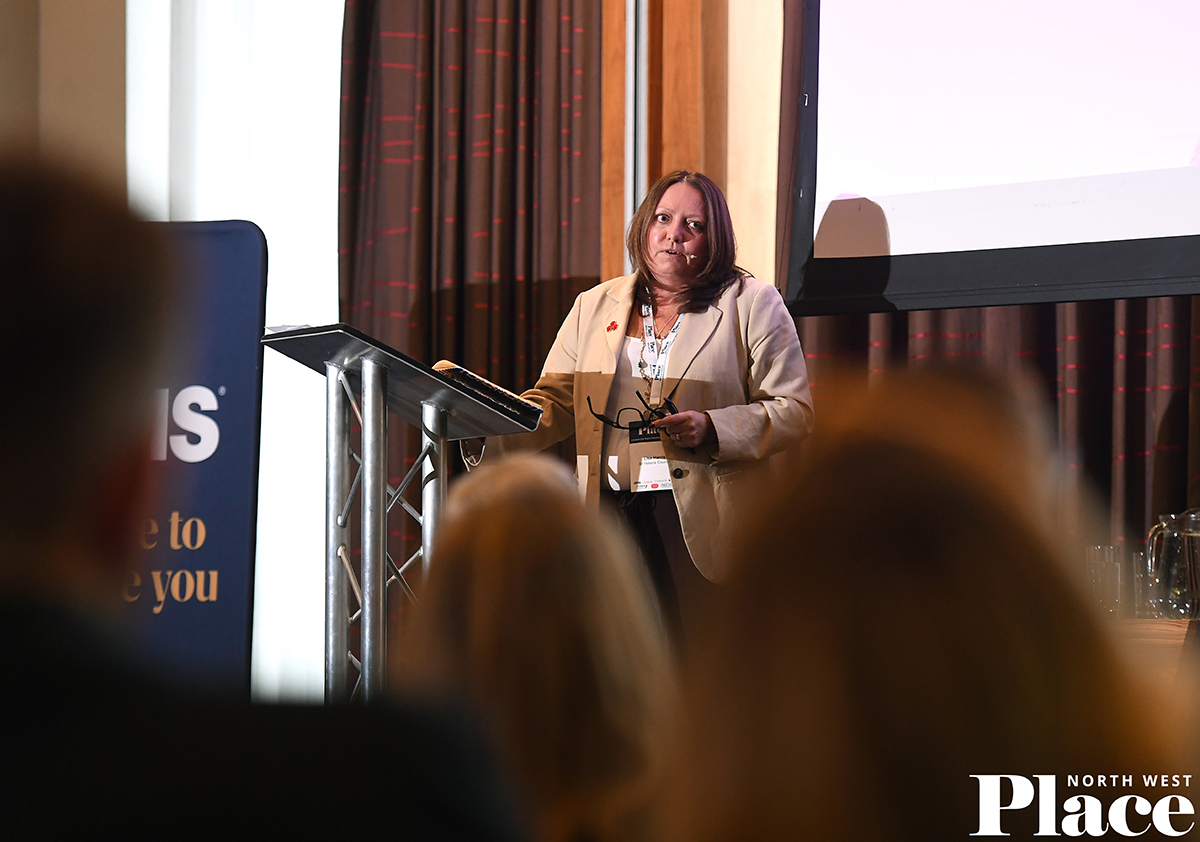
It is all about delivery in St Helens, according to director of place Lisa Harris. Creidt: PNW
Sector mash-up
Which sectors are hot and which are not? That was the exam question that underpinned a discussion among specialists in industrial, offices, affordable housing, and regeneration.
Offices
Office take-up in Liverpool so far this year has been subdued, largely due to a lack of supply. A shortage of new office space being developed has dogged Liverpool for more than a decade but progress in the shape of significant funding for projects such as Martins Bank and Pall Mall give cause for optimism.
Around 150,000 sq ft of space in the city centre is under offer, mainly to companies already based in the city, CBRE director Andy Byrne said.
Pre-lets within new developments are also likely to shift the city’s rental tone in the direction of £40/sq ft, Byrne said. Headline rents in Liverpool are currently around £30/sq ft.
“I think there’s a real positive movement going forward where rents are going to ratchet up, and when they do, people will go, ‘actually, I might have missed a trick’.”
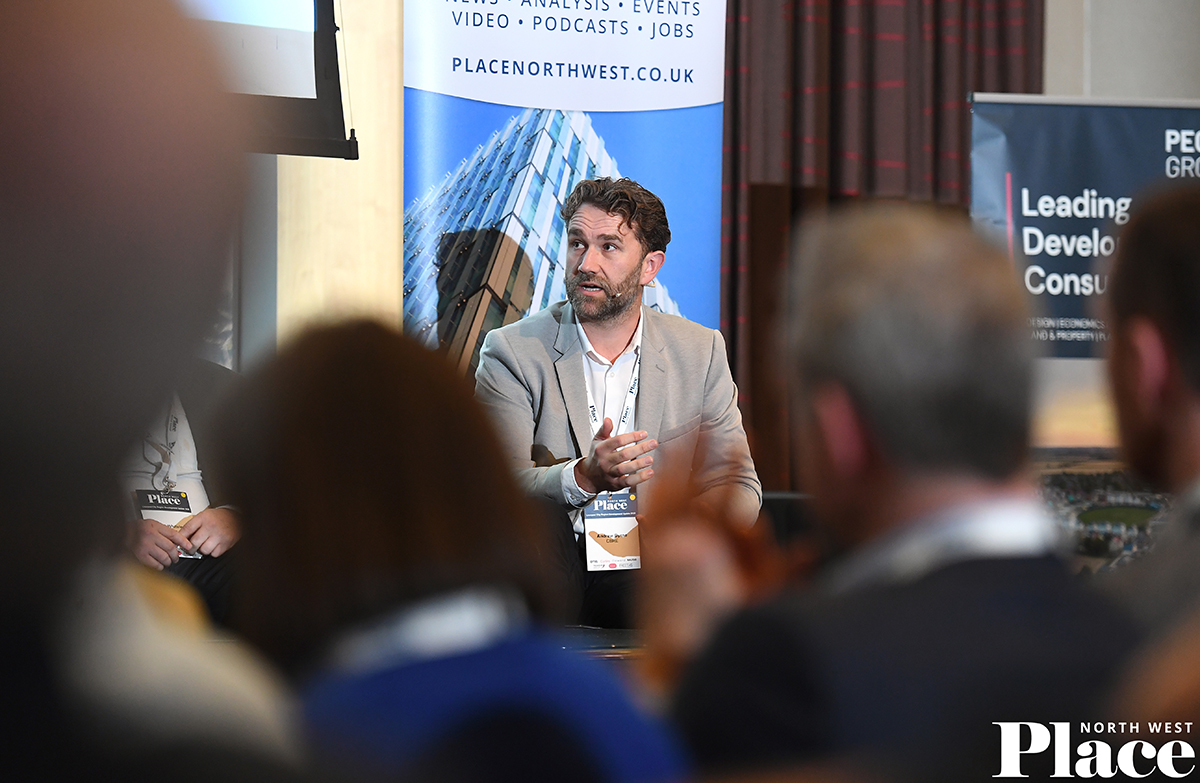
CBRE’s Andy Byrne ran the rule over the city’s office market. Credit: PNW
Industrial
Kate Howe, development director at Tritax Big Box Developments, said it is a “complicated time” for industrial.
Take-up has normalised since the highs of Covid and deals in the pipeline are moving slowly.
In some places across Liverpool City Region, rents are rising into double-digit figures, due in part to a constrained supply of modern accommodation.
Developing that space is also tricky, Howe explained.
“The stubborn part of the market is prime yields. Yields have moved outwards towards the end of this year, and that is a reflection of the global market. So that element of being able to get shovels in the ground becomes harder.”
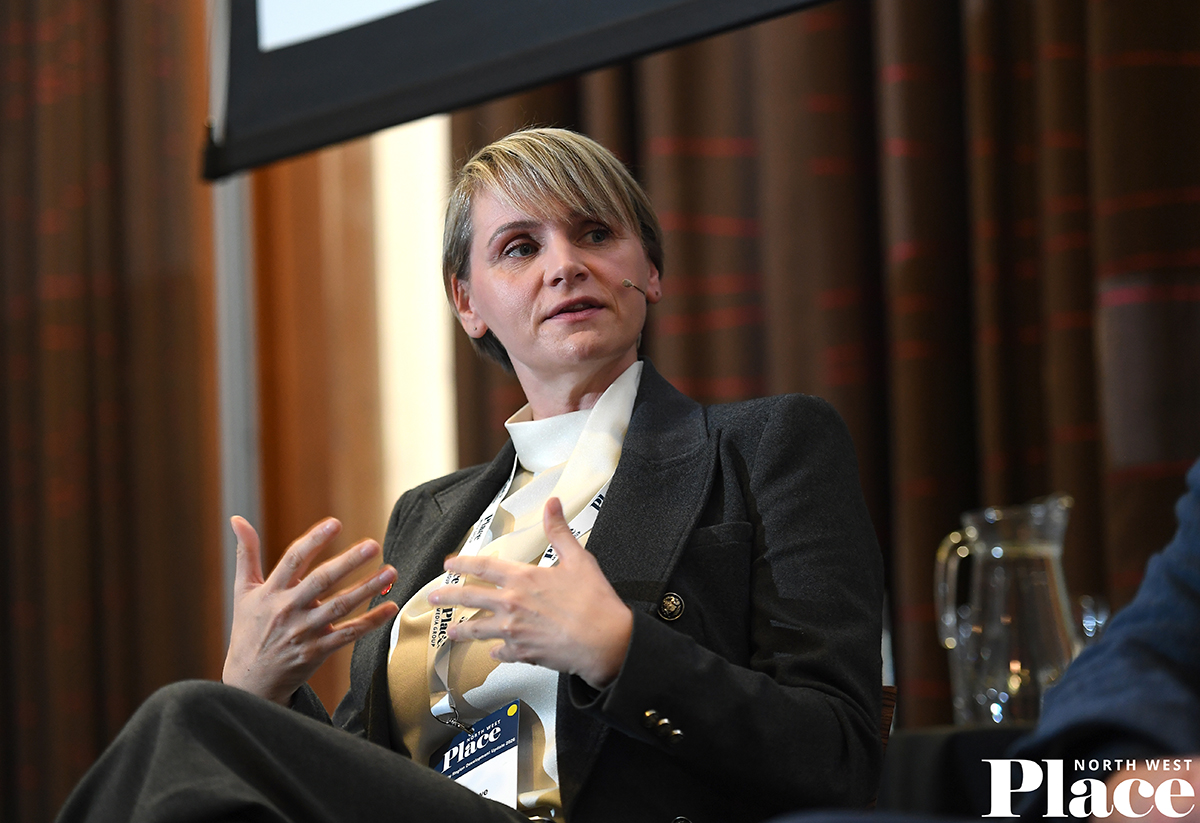
“It is a complicated time for the industrial market,” said Tritax’s Kate Howe. Credit PNW
Regeneration
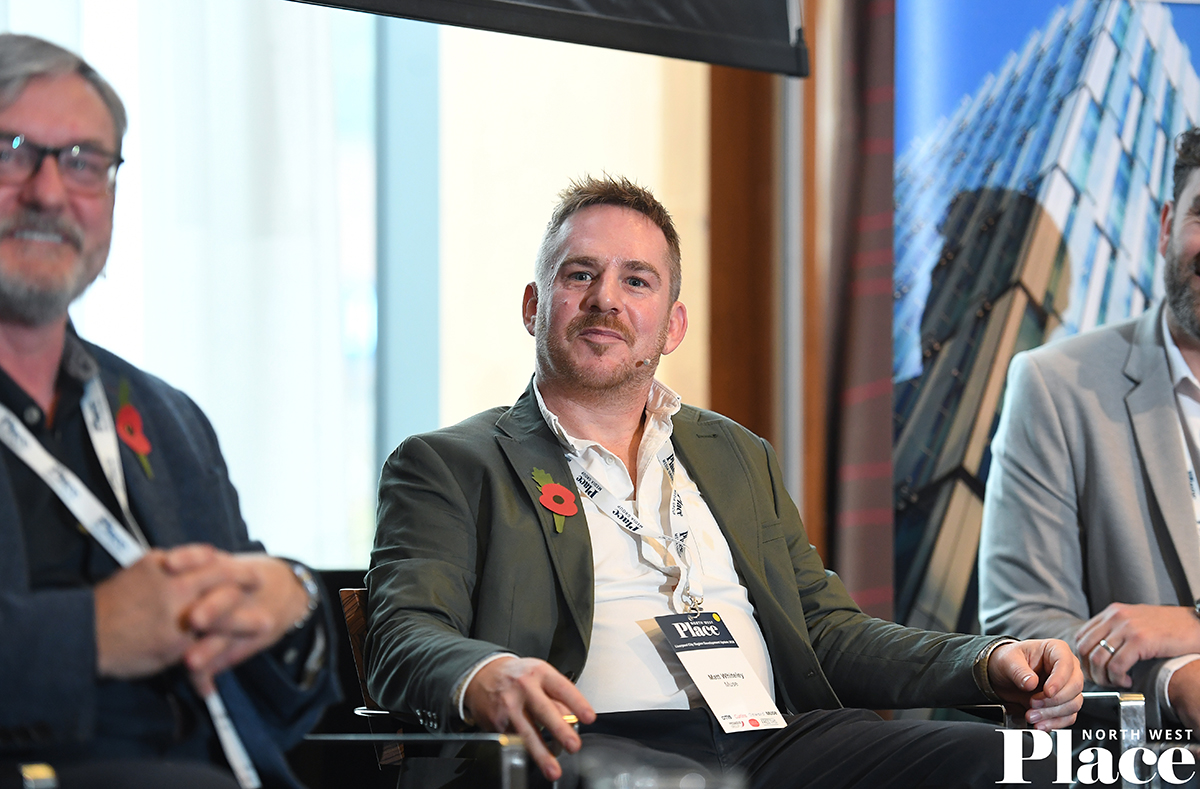
Matt Whiteley, senior development manager at Muse, said public sector partners are more willing than ever to support the regeneration of towns and cities.
This is crucial in tackling viability challenges caused by material cost inflation and low-end values in some economically challenged areas.
“Viability challenges are real and something that we’re having to wrestle with, but I think the fundamentals of regeneration as a sector and as a market are actually outstanding,” Whiteley said.
In St Helens, Muse is transforming the town centre as part of ECF, a partnership between the developer, L&G and Homes England’s National Housing Bank. A recent political shift prompted concerns in some quarters that the project might be affected.
Reform swept the board during May’s local elections, but Whiteley said it has been business as usual.
“The people might have changed, but the desire to make St Helens a better place for the people that live and work there is very much common to both administrations,” he said.
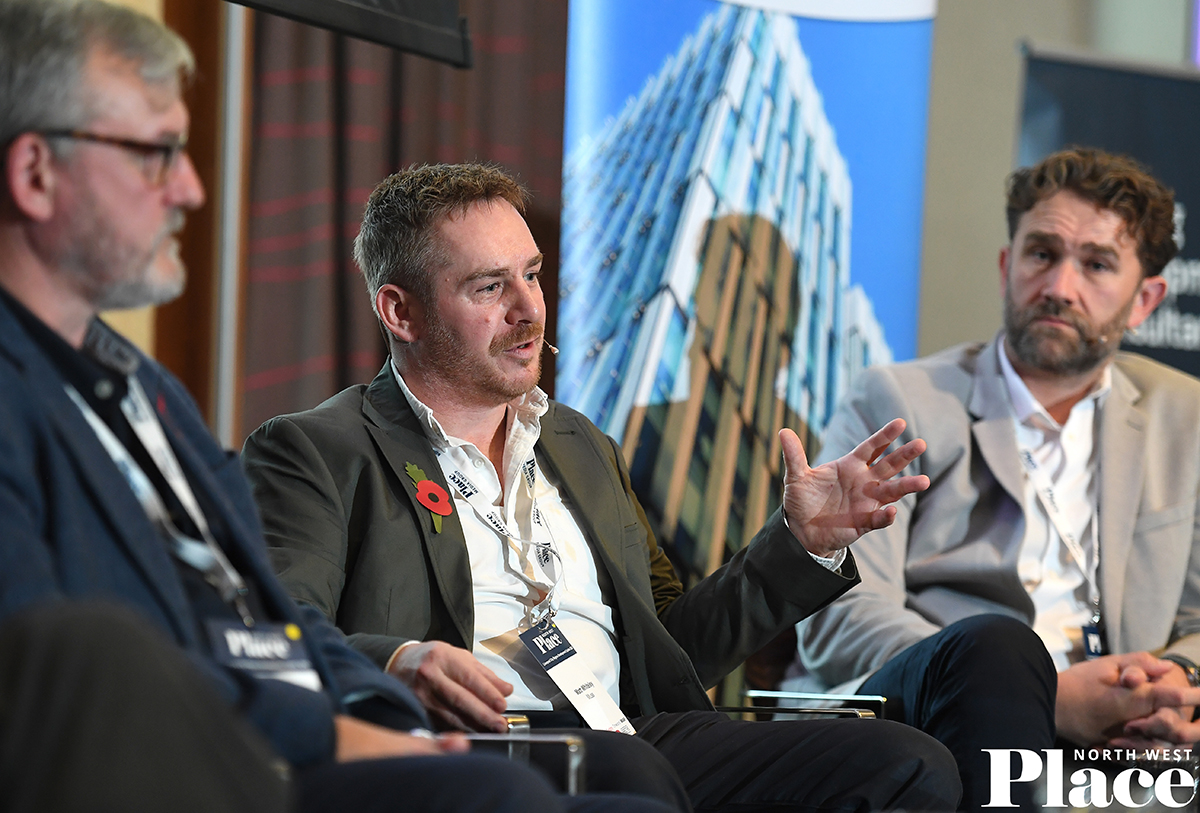
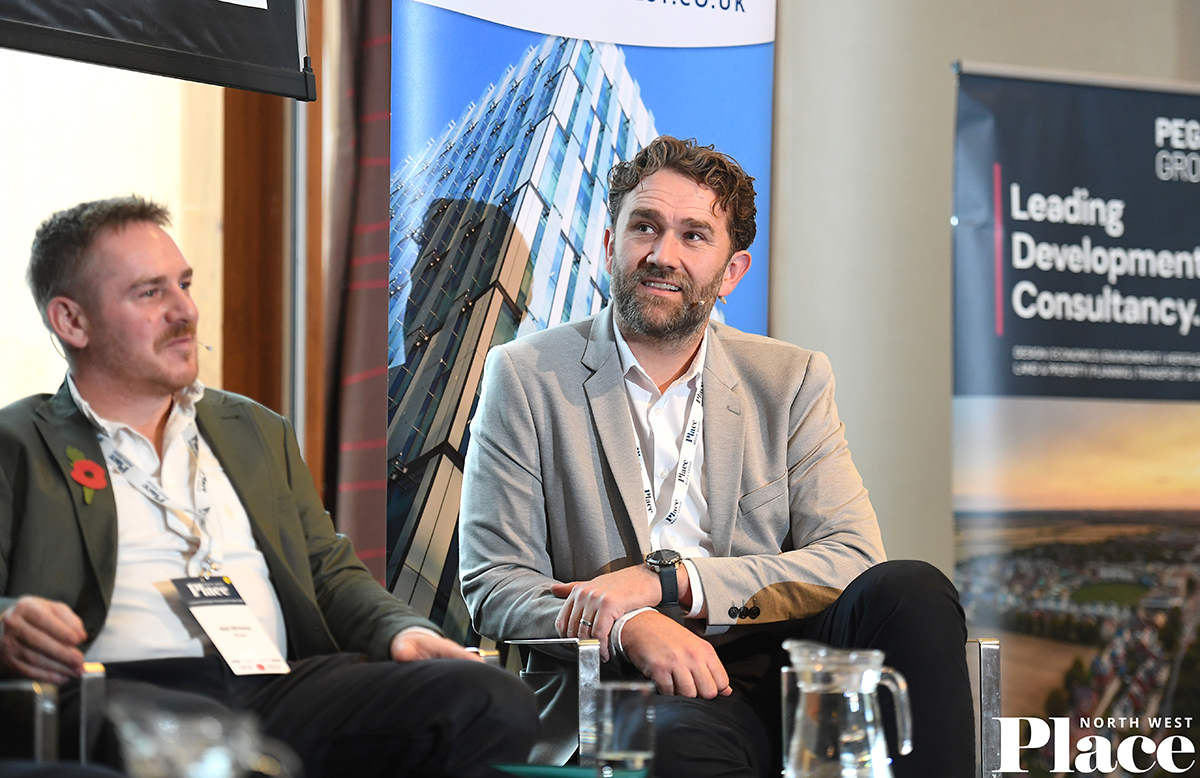
St Helens remains committed to its regeneration programme despite political upheaval, Muse’s Matt Whiteley said. Credit: PNW
Affordable housing
Onward Homes was selected as one of Homes England’s strategic partners and given £345m in grant funding to deliver 3,000 homes over the coming years. Around 800 of them will be in Liverpool City Region, said the housing association’s chief executive Sandy Livingstone.
He said that the government’s commitment to delivering affordable homes through a £39bn funding programme is “the first time in a generation” that the need for discounted and social homes has been taken seriously.
“As a housing association, we can take bigger risks because our required rate of return is lower. That creates the conditions for the private sector to come in behind us.”
Communities and the people who live in them, Livingstone added, have paid the price for 20 years of underinvestment in the sector.
“There’s a massive opportunity here. It’s generational for me, and it’s not one I’m prepared to miss on behalf of my communities.”
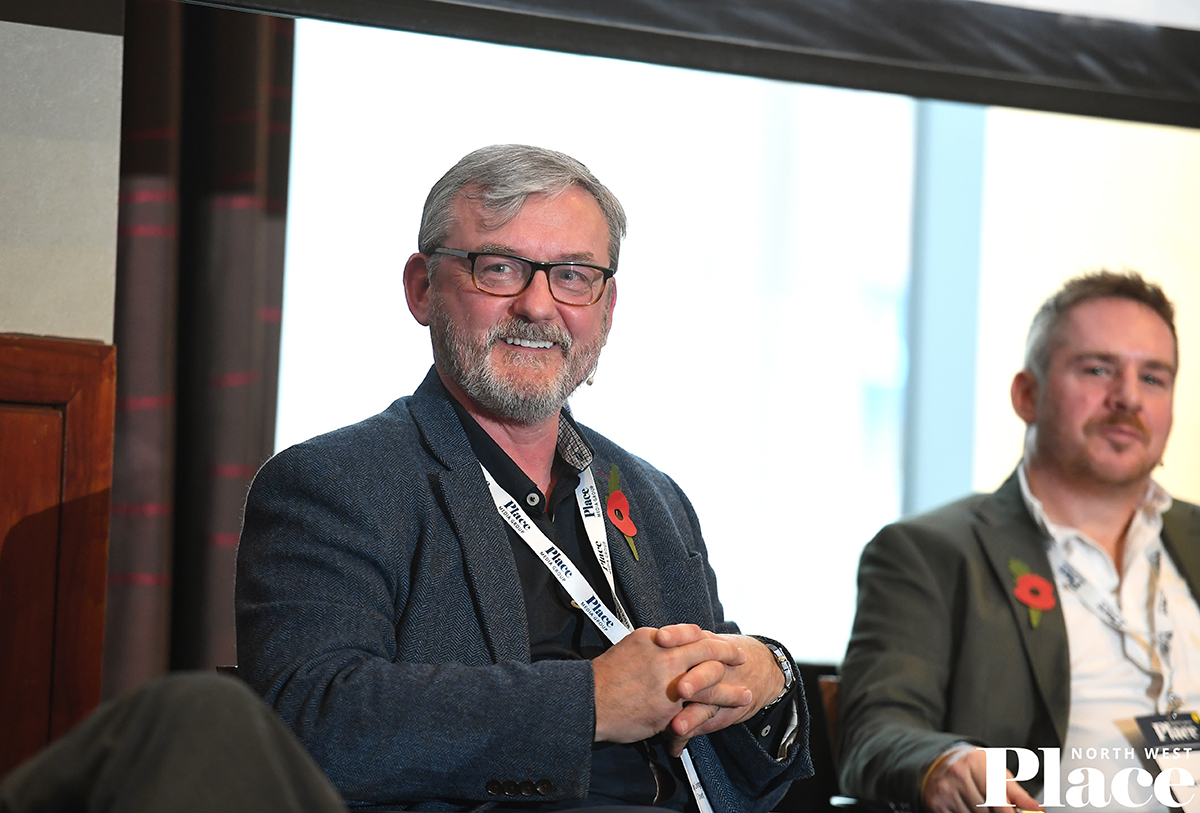
The £39bn SAHP programme is a generational opportunity to improve the housing market, according to Onward CEO Sandy Livingstone. Credit: PNW
What’s next?
19 November – Life Sciences Update 2026
2 December – Economic Forecast Lunch – The North in 2027
28 January – Lancashire Development Update 2027
Click on any image to launch gallery
- The £39bn SAHP programme is a generational opportunity to improve the housing market, according to Onward CEO Sandy Livingstone. Credit: PNW
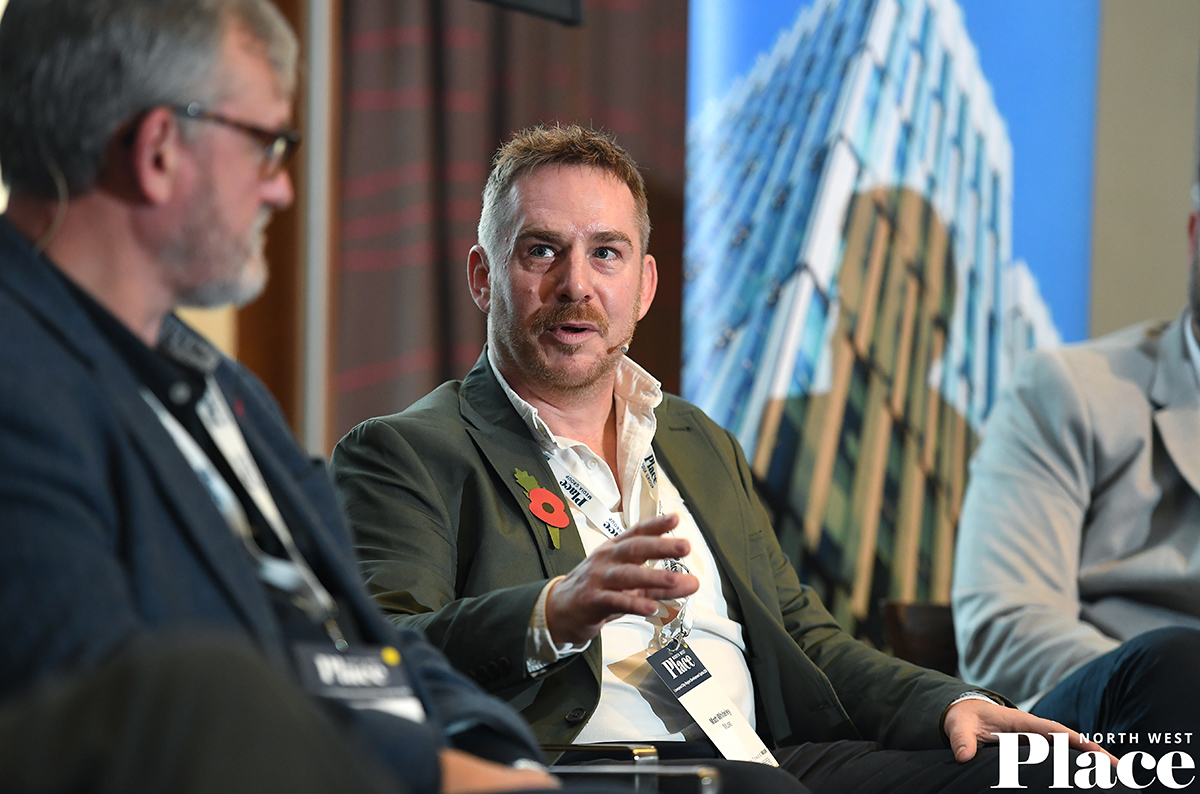
- St Helens remains committed to its regeneration programme despite political upheaval, Muse's Matt Whiteley said. Credit: PNW
- "It is a complicated time for the industrial market," said Tritax's Kate Howe. Credit PNW
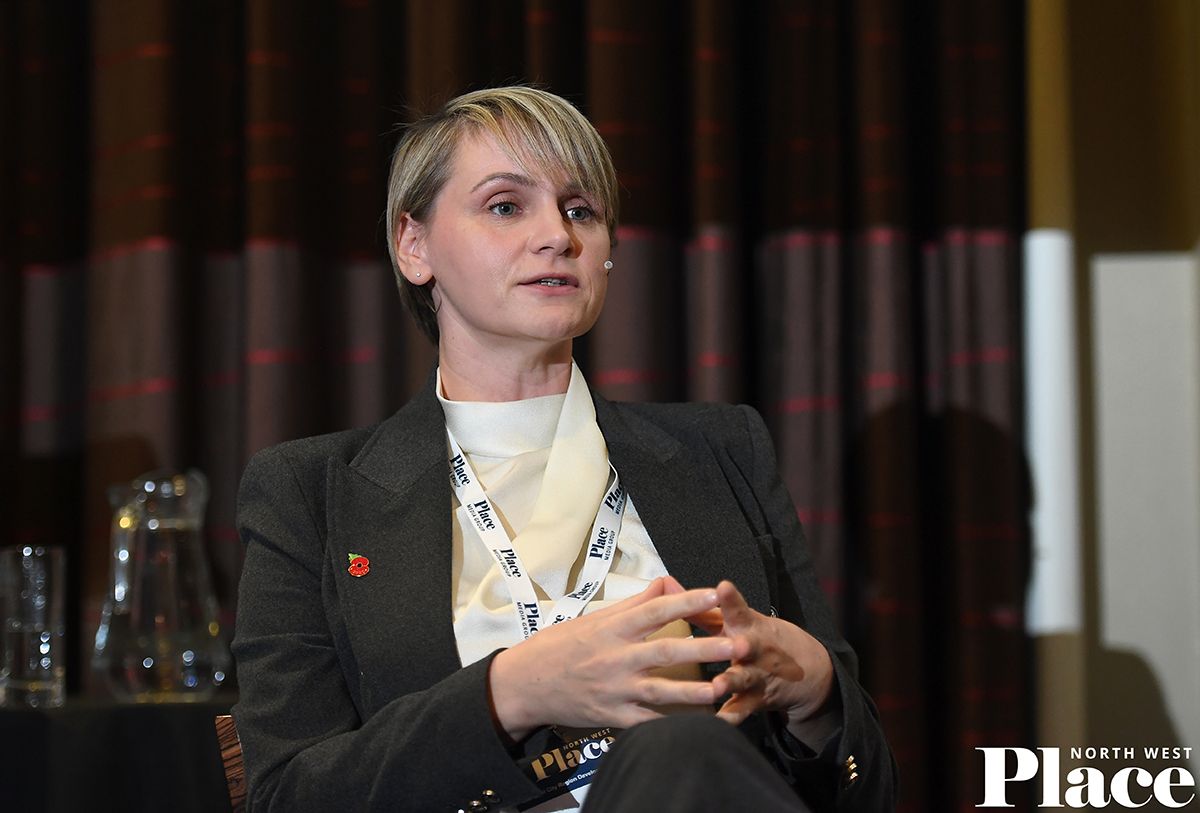
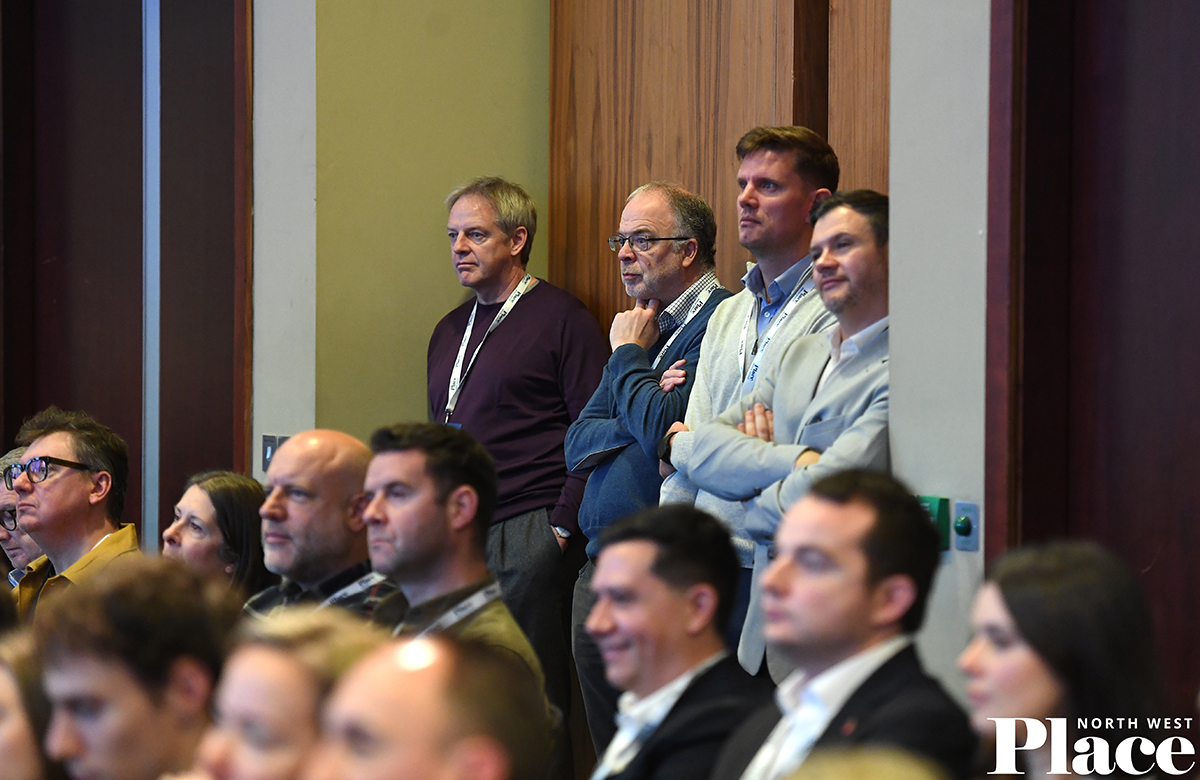

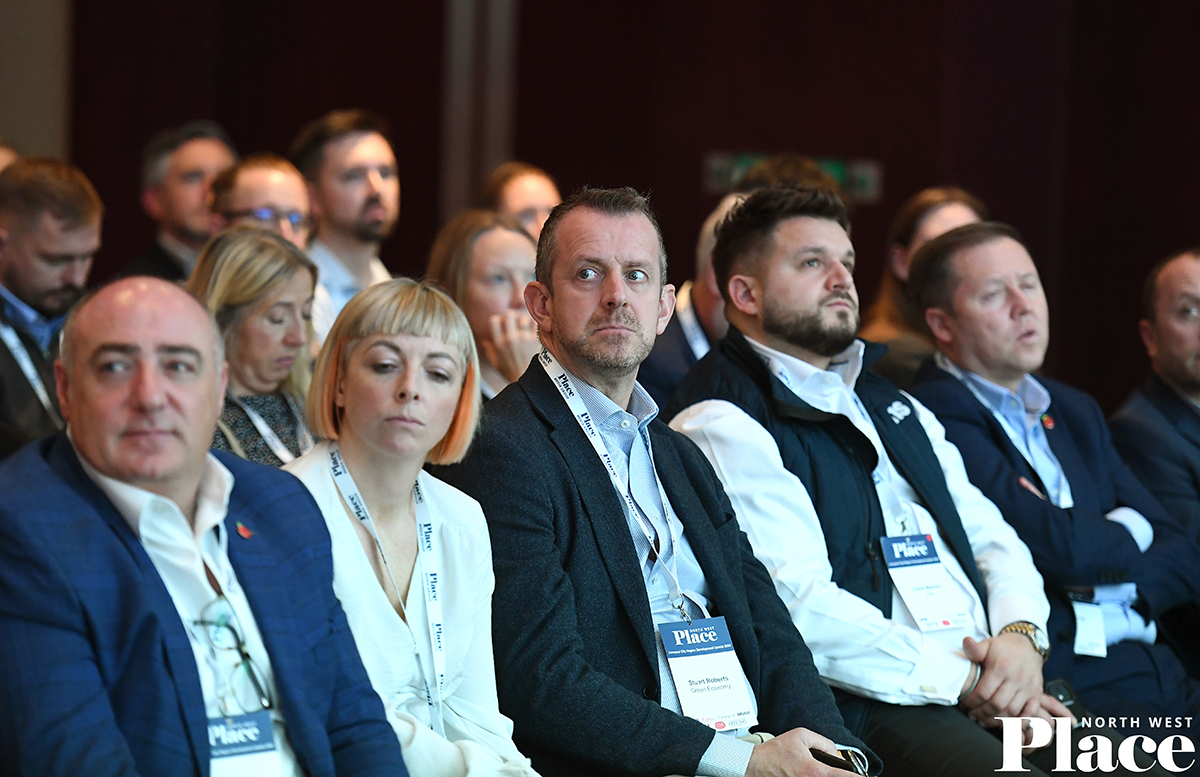



- Around 300 delegates attended the conference. Credit: PNW

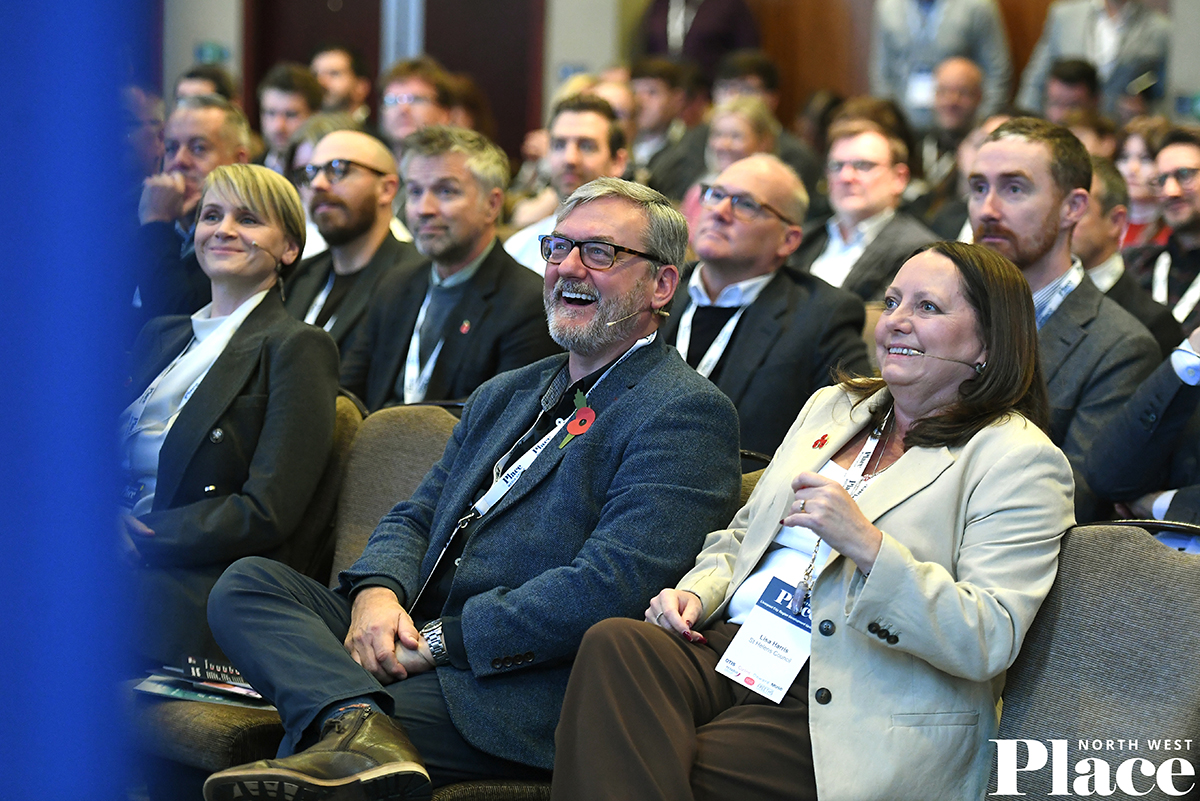
- CBRE's Andy Byrne ran the rule over the city's office market. Credit: PNW
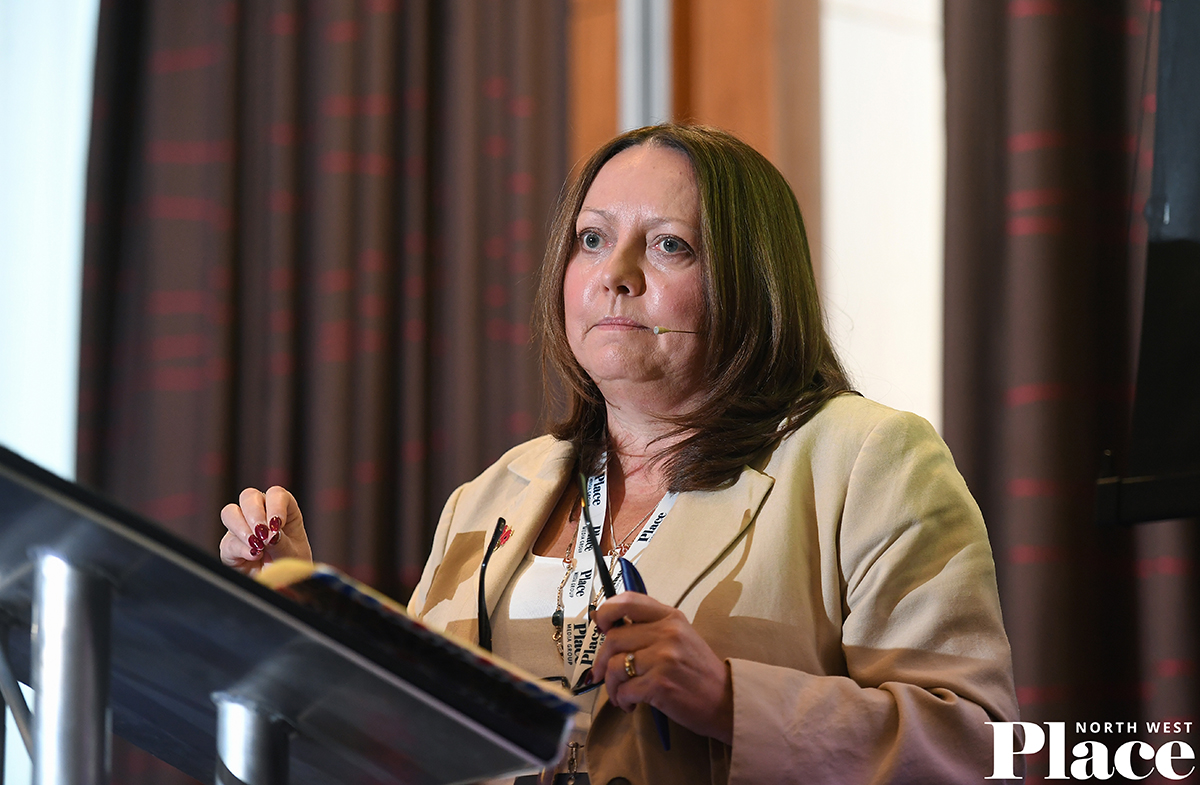
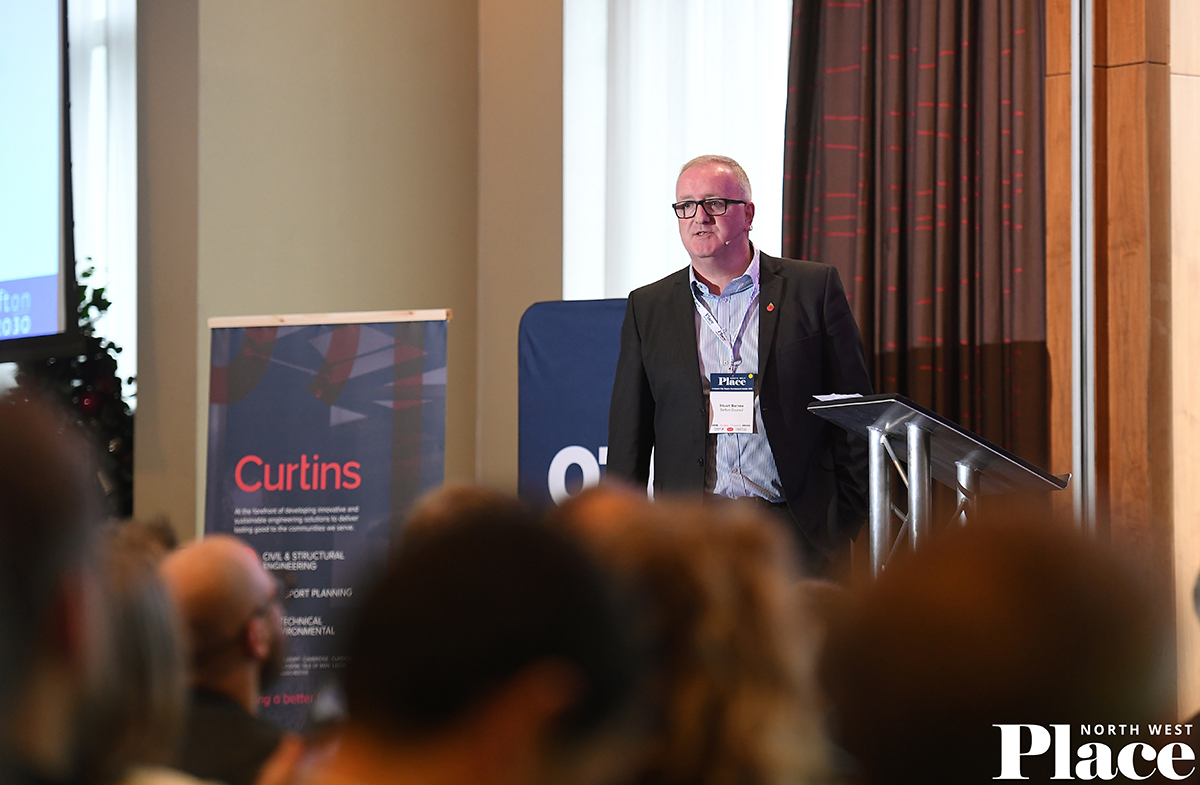








- Metro Mayor Steve Rotheram committed to appearing at next year's event to be judged on project progress. Credit: PNW
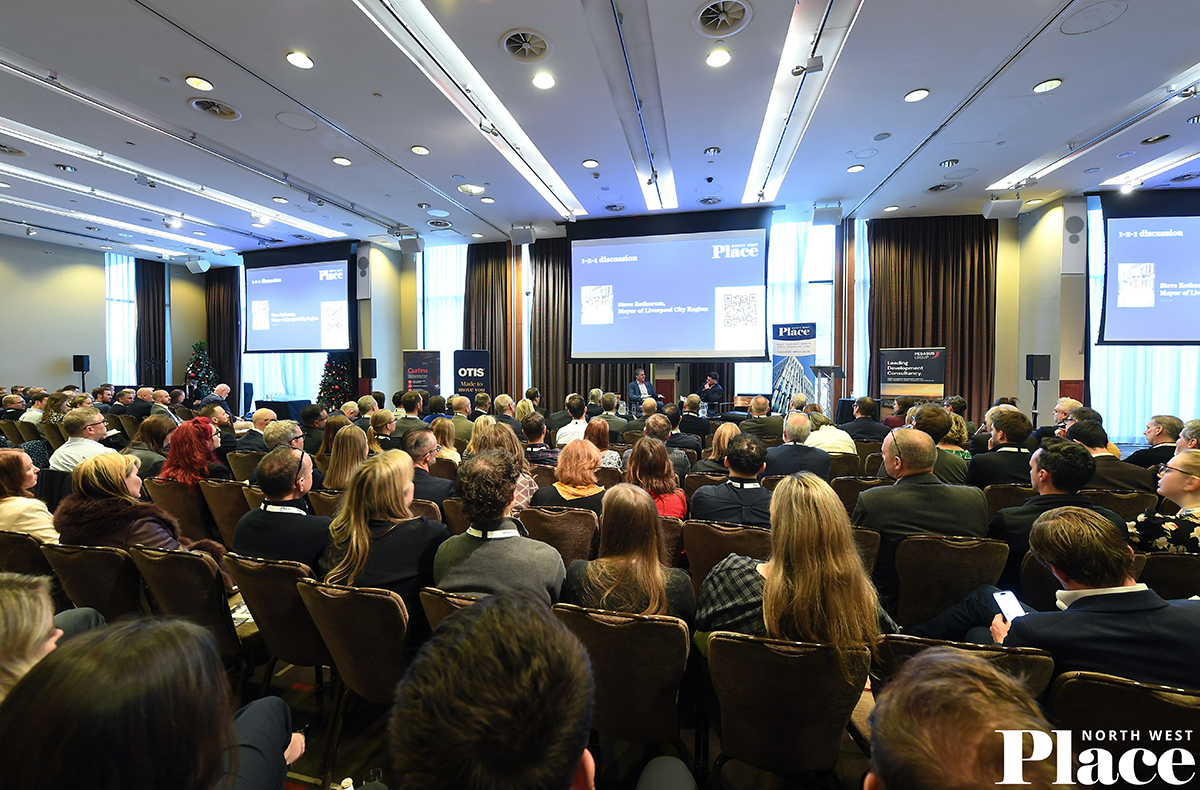
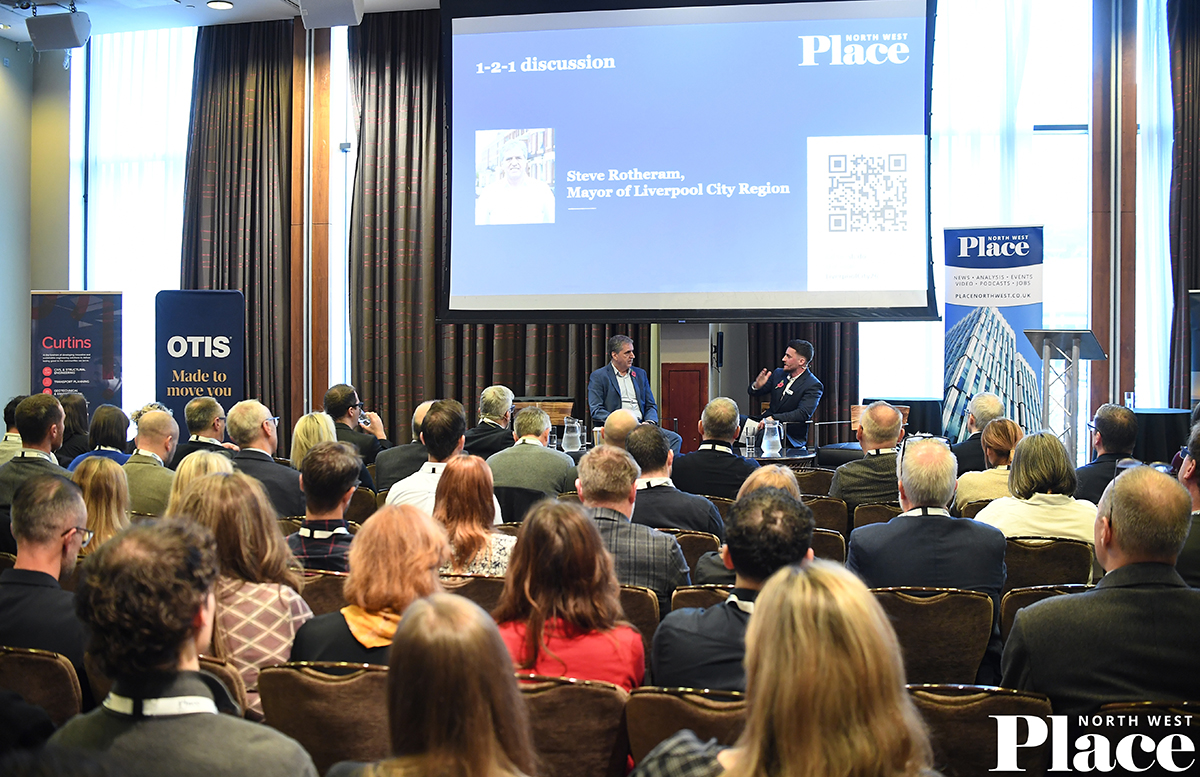
- Around 300 delegates attended the conference. Credit: PNW
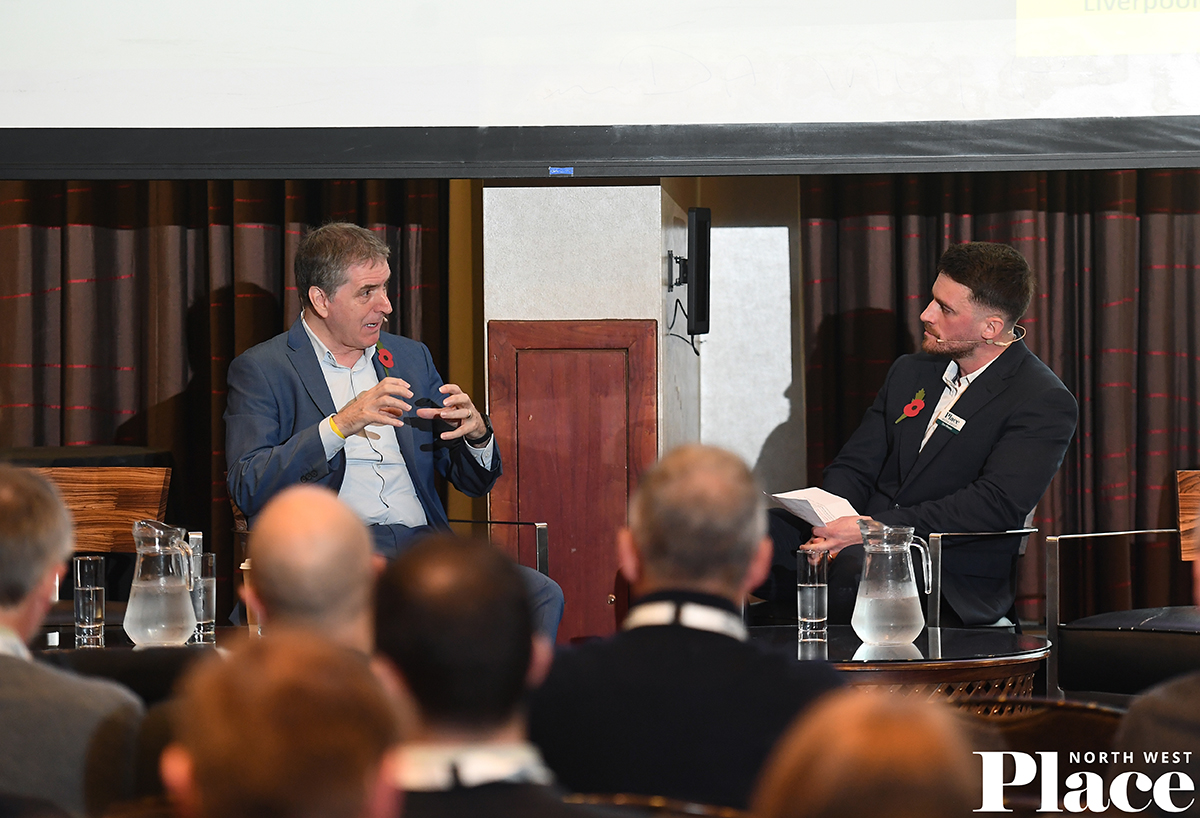




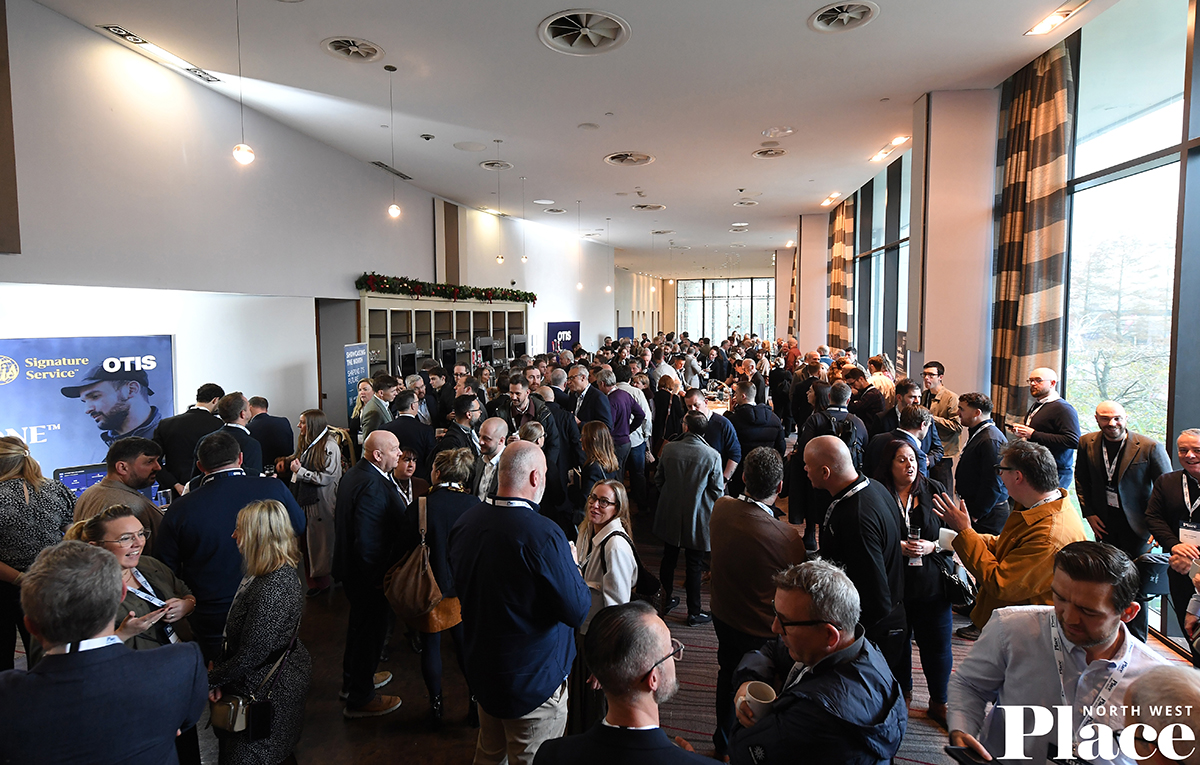
- Around 300 delegates attended the conference. Credit: PNW