


RAAC found at NHS’s Oxford Road campus
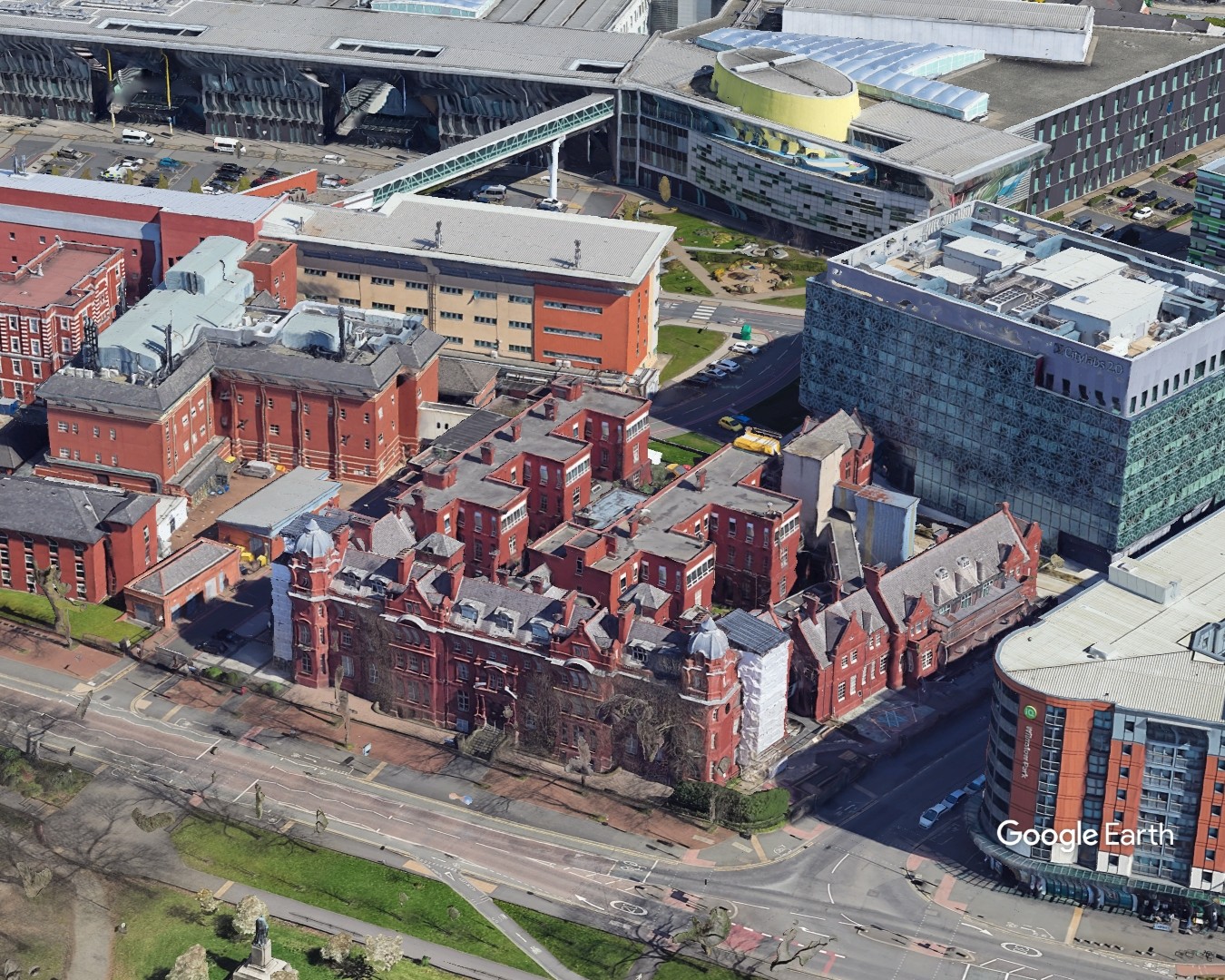
The Department of Health and Social Care has announced the discovery of the unsafe material at the Old Saint Mary’s building, part of Manchester University NHS Foundation Trust’s city estate.
RAAC has been found within the ground floor circulation corridor of the Old Saint Mary’s Hospital building, not in an area with patient beds in it.
Reinforced autoclaved aerated concrete is a lightweight building material used widely in construction throughout the 1960s and 1980s.
RAAC has a limited lifespan of around 30 years, after which it becomes a structural safety concern.
The RAAC discovered at the hospital is in good condition and is being inspected weekly, while fail-safe measures to remove it are underway.
Funding has been secured, and supports are being installed for its safe removal. The process is expected to take around eight weeks, with hospital-wide panel replacement work to be undertaken over the next two years.
A 2021 desktop survey of the NHS estate failed to identify the RAAC at Manchester Royal Infirmary, which was subsequently discovered in a visual inspection of the hospital.
The government has pledged to eliminate RAAC from the NHS estate by 2035, supported by funding from the National RAAC Programme.
- BOOK NOW: Life Sciences Update 2025
Recently, the Countess of Chester Hospital’s Women and Children’s building opened, a new building for the service after the material was found at the hospital.
Due to this same issue, Aintree Hospital is also aiming to relocate services to move them away from RAAC issues.
According to the DHSC, a total of 41 hospitals across the UK remain waiting for RAAC removal.
Since October 2024, seven hospitals have been cleared of RAAC.
A statement from the DHSC said that by the end of March 2026, Countess of Chester Hospital, Royal Blackburn Hospital, Clatterbridge Hospital, and Leigh Infirmary will have eradicated RAAC.
Simon Corben, director of estates at NHS England, said: “Keeping patients and staff safe is always our top priority, and we have been working closely with trusts to manage RAAC safely and ensure the continuation of services while this essential work is taking place.”
The RAAC fail-safe and removal programme is currently continuing across both Wythenshawe and North Manchester General Hospital.