Commentary
COMMENT | About turn: Liverpool sets its face to Atlantic to unlock investment boom

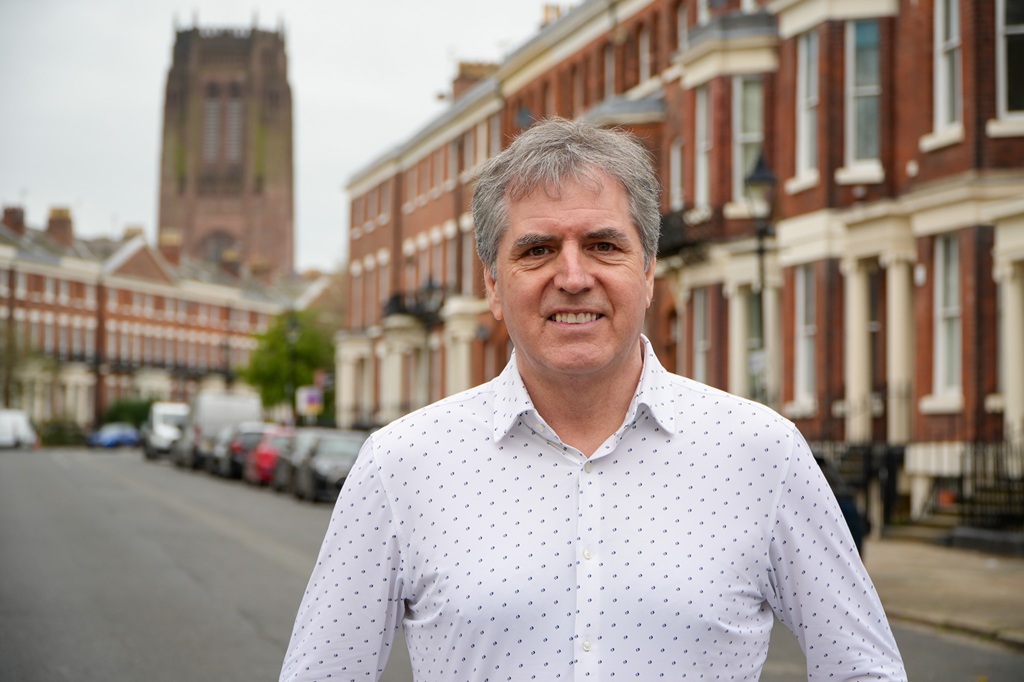
At a packed-out business briefing recently in Liverpool’s Hilton Hotel the city’s Metro Mayor, Steve Rotheram, made an interesting observation about Liverpool’s geography, post-Brexit, writes Matt Severs, director of Igloo Regeneration.
The city was, he noted, “facing the right way once again”. If post-Brexit trade talks and trading patterns took an Atlanticist turn, as expected, then there was no city in the UK better-placed to exploit this than Liverpool, he suggested.
Huge investment in the city’s deep-water container port would prove one of the most prescient pieces of infrastructure development in many a long day and the city’s original purpose – that of an entrepôt– would be front and centre to its commercial life once more, added the Mayor.
The murmur of recognition and approval was tangible, but what of the remaining infrastructure required to exploit the opportunity fully? The development market is starting to realise the potential, with a range of major schemes either consented or in the planning process designed to provide the logistics and groupage capacity for shippers bringing goods in to and out of the docks.
Bericote’s 1.4m sq ft Florida Farm development is now on site and Peel’s nearby Haydock Point development is promising 1.8m sq ft of space and an investment of £160m. A couple of miles to the south, Langtree’s first phase proposals for the redundant Parkside Colliery anticipates a further 1.2m sq ft of mixed industrial and logistics space. All point to their ease of access to the port as key selling points.
With such an enthusiastic response from the market does that mean a change of focus for the Chrysalis Fund and its interventionist standpoint? Well probably not. There still remains a need for our tailored blend of senior, junior and corporate debt; quasi-equity and equity; first loss positions and guarantees, notably for developers of difficult brownfield sites or owner-occupiers in the manufacturing sector seeking to expand existing facilities.
The fact remains that in certain sectors or on certain sites, land values and other input factors make viability marginal – and our purpose is to provide the intervention required to pull a scheme over the line and make it happen.
We saw that with our £2.3m loan towards a £5.3m refurbishment of the former Goodrich aerospace engineering site in Knowsley, now completed and available for immediate occupation as Aquila 118. We’re currently assessing a pipeline of major projects with a similar aim: unlocking regeneration and bringing jobs and prosperity to the region.
The Brexit negotiations have yet to be concluded, of course, and quite how Atlanticist any trading future is remains to be seen. But the UK economy – and the Liverpool city region’s, within it – has continued to grow and prosper and we remain committed to assisting well thought-through projects with their viability. As former investments repay, we’ll recycle our capital to continue supporting renewal, expansion and growth, too.
Whether as a great port, tourism hub or knowledge-intensive centre for invention and discovery, Liverpool is regaining its mojo and we can all benefit from that.
- Matt Severs is director of Igloo Regeneration, which manages the Chrysalis Fund